Understanding the Role of Sconce Lighting in Commercial Spaces
Commercial sconce lighting fixtures are more than just decorative elements on walls. They serve critical functions, from enhancing ambiance to improving safety and visibility in various environments. For lighting contractors, understanding these roles is essential to specifying and installing the right fixtures that meet both aesthetic and practical needs.
Unlike residential sconces, commercial-grade fixtures must adhere to stricter codes and withstand heavier use. They often operate for extended hours and need to be energy-efficient, durable, and easy to maintain. Whether illuminating hallways, lobbies, conference rooms, or exterior facades, sconces contribute significantly to the overall lighting design and user experience.
Why Sconces Matter in Commercial Lighting Design
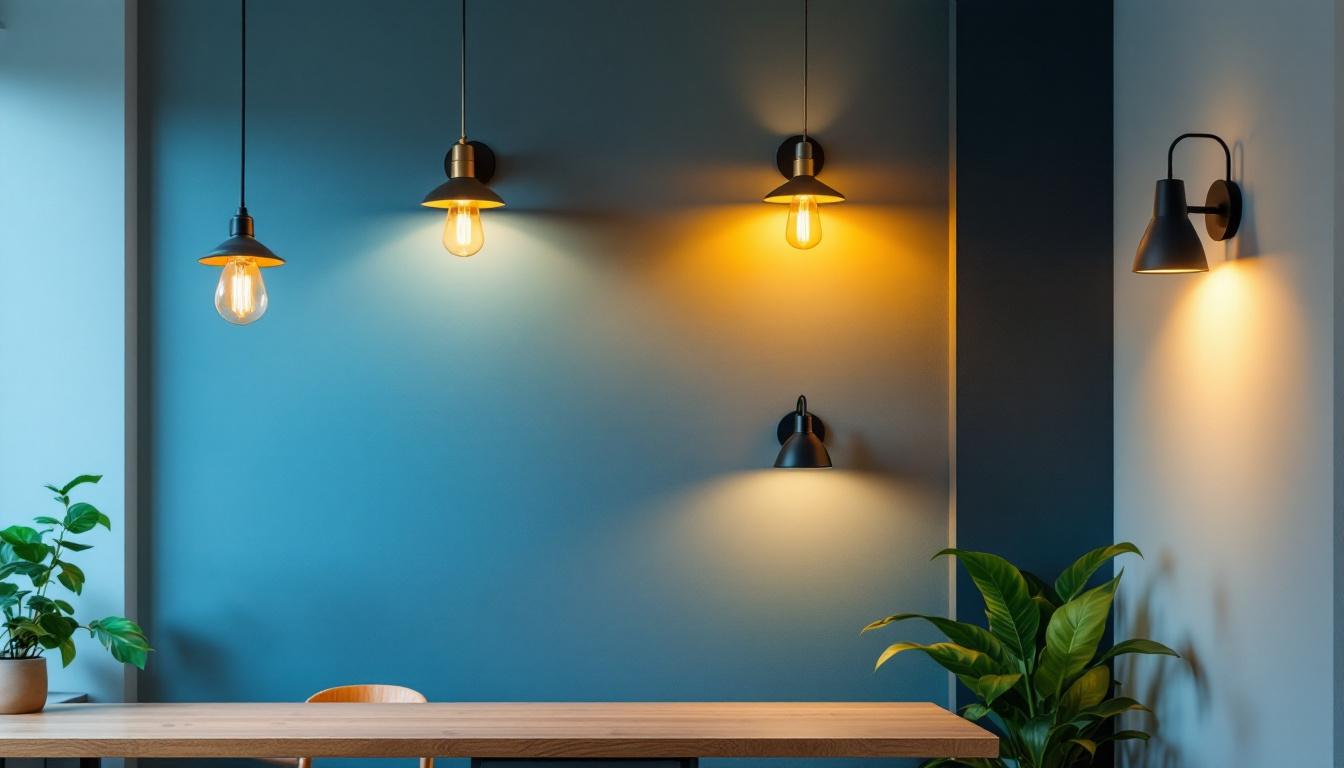
Sconces provide layered lighting that complements overhead and task lighting. They reduce harsh shadows and create a welcoming atmosphere. In hospitality settings, for example, sconces can set the mood in dining areas or corridors without overwhelming glare. In office buildings, they enhance wayfinding and reduce eye strain by providing balanced illumination along walls.
Additionally, sconces can highlight architectural features, signage, or artwork, adding depth and character to commercial interiors. Their placement and style can influence how a space is perceived, making them a strategic tool in lighting design. For instance, in a retail environment, strategically placed sconces can draw attention to merchandise displays, guiding customers through the space while subtly enhancing the overall shopping experience.
Furthermore, the choice of materials and finishes for sconces can significantly impact the overall design narrative of a commercial space. From sleek metal designs that evoke a modern aesthetic to ornate fixtures that reflect historical charm, the right sconce can reinforce a brand’s identity. In environments such as galleries or museums, where the focus is often on the art itself, sconces can be designed to provide soft, indirect lighting that enhances the viewing experience without detracting from the exhibits. This thoughtful integration of sconce lighting not only elevates the visual appeal but also creates a more engaging atmosphere for visitors.
Key Considerations for Selecting Commercial Sconce Fixtures
Compliance with Building and Safety Codes
Lighting contractors must ensure that all sconce fixtures comply with local building codes, fire safety regulations, and accessibility standards. This includes verifying UL listings or equivalent certifications for commercial use, ensuring fixtures are rated for damp or wet locations if necessary, and confirming that they meet energy efficiency standards such as those outlined by ENERGY STAR or local mandates.
For example, sconces installed in corridors or exit pathways must provide adequate illumination levels without causing glare or distractions. Emergency lighting requirements may also dictate specific fixture types or backup power capabilities. Additionally, understanding the nuances of these codes can vary significantly between jurisdictions, making it crucial for contractors to stay informed about any updates or changes in regulations. Engaging with local building departments early in the design process can help identify potential hurdles and streamline approvals, ensuring a smoother installation process.
Durability and Maintenance Requirements
Commercial environments demand fixtures that can withstand frequent use and occasional impacts. Materials like metal, tempered glass, and robust plastics are common choices for their longevity and ease of cleaning. Lighting contractors should assess the maintenance accessibility of sconces, such as ease of bulb replacement or cleaning, especially in high-traffic areas.
Fixtures with sealed designs help prevent dust and moisture ingress, extending lifespan and reducing downtime. In some industries, such as healthcare or food service, antimicrobial finishes or easy-to-sanitize surfaces are critical considerations. Furthermore, selecting fixtures with modular designs can facilitate upgrades or replacements without the need for extensive reinstallation, thus minimizing disruption in busy commercial settings. Contractors should also consider the potential for wear and tear in specific environments, such as gyms or schools, where fixtures may be subjected to more rigorous conditions.
Energy Efficiency and Lighting Technology
LED technology dominates the commercial lighting market due to its energy savings, long life, and versatility. When selecting sconces, contractors should prioritize LED fixtures with high efficacy (lumens per watt) and quality color rendering indexes (CRI). This ensures spaces are well-lit with natural-looking light, improving occupant comfort and productivity.
Integration with lighting controls—such as dimmers, occupancy sensors, and daylight harvesting systems—can further reduce energy consumption. Specifying fixtures compatible with these controls is essential for modern commercial projects aiming for sustainability certifications like LEED. Moreover, the advancement of smart lighting technology allows for greater customization and adaptability in lighting design. For instance, programmable settings can adjust the intensity and color temperature of sconces based on the time of day or occupancy levels, creating a dynamic environment that enhances both aesthetics and functionality. This not only contributes to energy savings but also fosters a more engaging atmosphere for employees and customers alike.
Installation Best Practices for Commercial Sconce Lighting
Site Assessment and Layout Planning
Before installation, conducting a thorough site assessment is critical. Contractors should review architectural plans, ceiling heights, wall finishes, and existing electrical infrastructure. This helps determine optimal sconce placement for both function and aesthetics.
Spacing between sconces should be consistent to avoid uneven lighting. The height of installation typically ranges from 60 to 72 inches above the floor, but this can vary based on ceiling height and fixture design. Collaboration with interior designers and architects ensures that sconces complement other lighting elements and the overall space design. Additionally, considering the room’s purpose is vital; for example, sconces in a dining area may require softer, warmer light, while those in a hallway might need brighter illumination for safety and visibility.
It’s also important to consider the color temperature of the bulbs used in sconces. Warmer tones can create a cozy atmosphere, while cooler tones are more energizing and suitable for workspaces. Evaluating how natural light interacts with the space throughout the day can further influence the choice of fixtures and their placement, ensuring that the lighting enhances the room’s functionality and ambiance.
Electrical Considerations and Wiring
Commercial sconces often require dedicated circuits or specific voltage requirements. Contractors must verify the electrical load capacity and ensure wiring meets code standards. Using junction boxes rated for commercial use and ensuring proper grounding are non-negotiable safety practices.
For retrofit projects, evaluating existing wiring conditions is crucial. Upgrading to modern wiring systems or adding dimming controls may be necessary to support new LED sconces. Labeling circuits clearly and documenting changes facilitates future maintenance and troubleshooting. Furthermore, integrating smart lighting technology can enhance the versatility of sconces, allowing for remote control and programmable settings that adapt to different times of day or events, thus optimizing energy efficiency and user convenience.
It’s also advisable to consider the potential for future expansion or changes in the space. Planning for additional circuits or wiring pathways can save time and resources down the line, ensuring that the lighting system remains adaptable to evolving business needs or design trends.
Mounting and Alignment Techniques
Proper mounting ensures sconces are secure and aligned correctly. Uneven or loose fixtures not only look unprofessional but can pose safety hazards. Using level tools and following manufacturer guidelines for mounting hardware is essential.
In some cases, wall reinforcement may be needed to support heavier fixtures. Contractors should inspect wall substrates and install appropriate anchors or backing plates to prevent sagging or detachment over time. Additionally, when mounting sconces, it is beneficial to consider the surrounding decor and architectural features. Aligning sconces with other elements, such as artwork or furniture, can create a cohesive look that enhances the overall design of the space.
Moreover, the angle of the sconces should be adjusted to maximize light distribution. For instance, sconces installed in a vertical position can create an elegant effect, while horizontal placements may provide broader illumination. Testing the light output before finalizing the installation can help ensure that the desired ambiance is achieved, allowing for adjustments to be made as necessary to meet both aesthetic and functional requirements.
Common Challenges and How to Avoid Them
Glare and Light Pollution
Incorrect sconce placement or fixture selection can cause glare, which is uncomfortable and can reduce visibility. Fixtures with diffusers or shields help control light distribution and minimize direct glare. Lighting contractors should test light angles and intensities on-site whenever possible.
In exterior applications, avoiding light trespass onto neighboring properties is a key concern. Using fixtures with cutoff optics and aiming lights carefully prevents unnecessary light pollution.
Compatibility with Existing Systems
Integrating new sconce fixtures into existing lighting control systems can be tricky. Contractors must verify compatibility with dimmers, sensors, and building automation systems. Mismatched components can lead to flickering, reduced fixture life, or control failures.
Consulting with electrical engineers or system integrators early in the project helps identify potential issues and select components that work seamlessly together.
Balancing Aesthetics and Functionality
Clients often desire sconces that look impressive but may not realize the practical implications. Lighting contractors play a vital role in educating clients about balancing style with performance. For example, a fixture with intricate design may cast unwanted shadows or be difficult to maintain.
Providing mock-ups or lighting simulations can help clients visualize outcomes and make informed decisions. Offering a range of options that meet both design intent and lighting standards builds trust and satisfaction.
Final Checklist for Lighting Contractors
- Confirm fixture compliance with relevant safety and energy codes.
- Evaluate durability and maintenance needs based on the commercial environment.
- Prioritize LED fixtures with high efficacy and CRI.
- Plan sconce placement carefully, considering height, spacing, and architectural features.
- Verify electrical requirements and ensure proper wiring and grounding.
- Use appropriate mounting hardware and reinforce walls if necessary.
- Address glare and light pollution through fixture selection and aiming.
- Check compatibility with existing lighting controls and automation systems.
- Communicate clearly with clients about the balance between aesthetics and functionality.
- Document installation details for future maintenance and upgrades.
Conclusion
Commercial sconce lighting fixtures are vital components that influence the look, feel, and safety of a space. For lighting contractors, a thorough understanding of product specifications, installation techniques, and client needs is crucial. Following a comprehensive checklist ensures projects are completed efficiently, meet all standards, and deliver lasting value.
Attention to detail-from code compliance to glare control-can make the difference between a successful lighting installation and one that falls short. By applying expertise and clear communication, contractors can help create commercial environments that are both beautiful and functional.
Illuminate Your Projects with LumenWholesale
Ready to elevate your commercial lighting projects with fixtures that blend aesthetic appeal with functionality? Look no further than LumenWholesale for a superior selection of sconce lighting fixtures that meet the highest industry standards. We offer the quality you demand at wholesale prices that enhance your bottom line. Say goodbye to middleman markups and hello to hassle-free bulk buying with free shipping. Make your next project shine with the best value in lighting—Wholesale Lighting at the Best Value. Choose LumenWholesale for quality, affordability, and convenience, all in one place.