Understanding UV Sterilisation Lamps and Their Importance
UV sterilisation lamps have become a critical component in modern lighting solutions, especially in environments where hygiene and pathogen control are paramount. These lamps emit ultraviolet light, primarily in the UV-C spectrum, which has germicidal properties capable of inactivating bacteria, viruses, and other microorganisms. The growing awareness of infectious diseases and the need for enhanced sanitation measures have propelled the adoption of these technologies across various sectors, making them indispensable tools in the fight against pathogens.
For lighting contractors, integrating UV sterilisation lamps requires more than just installation skills. It demands a thorough understanding of how these lamps function, their safety considerations, and their practical applications. This knowledge ensures that the systems installed are both effective and compliant with health and safety standards. Additionally, contractors must stay informed about the latest advancements in UV technology, as ongoing research continues to unveil new applications and improvements in efficiency, safety, and effectiveness.
How UV-C Light Works
UV-C light disrupts the DNA and RNA of microorganisms, preventing them from replicating and causing infection. Unlike visible light, UV-C is invisible to the human eye and requires specialized equipment to generate and control. The effectiveness of UV sterilisation depends on factors such as wavelength, exposure time, and intensity. The precise control of these parameters is vital, as even slight variations can significantly impact the sterilisation process. For instance, longer exposure times can enhance the efficacy of UV-C light, but they also necessitate careful planning to avoid potential damage to materials or surfaces being treated.
Lighting contractors must be aware that not all UV lamps are created equal. The specific wavelength range—typically between 200 and 280 nanometers—is crucial for germicidal activity. Lamps emitting outside this range may not provide the desired sterilisation effect. Furthermore, the design and construction of the lamp itself can influence its performance; for example, some lamps are designed with reflective surfaces to maximize UV output, while others may incorporate advanced features such as built-in timers or sensors to optimize usage and safety. Understanding these nuances is essential for contractors to recommend the best solutions for their clients’ needs.
Applications in Various Settings
UV sterilisation lamps are widely used in healthcare facilities, laboratories, food processing plants, and increasingly in commercial and residential buildings. They are integrated into HVAC systems, standalone air purifiers, and surface sterilisation units. In healthcare settings, for instance, UV-C lamps are employed not only for sterilising instruments but also for decontaminating patient rooms and waiting areas, thereby reducing the risk of hospital-acquired infections.
Understanding the environment where the lamp will be installed is essential. For example, in HVAC systems, UV lamps reduce microbial growth on coils and drain pans, improving air quality and system efficiency. In contrast, surface sterilisation lamps might be used in operating rooms or kitchens to maintain sterile conditions. Beyond these applications, the versatility of UV sterilisation technology is being explored in public spaces such as schools and offices, where it can help ensure a safer environment by continuously disinfecting surfaces and the air. As public awareness of hygiene increases, the demand for UV sterilisation solutions is likely to grow, prompting further innovation in this field.
Key Safety Considerations for Installation
Safety is paramount when working with UV sterilisation lamps. UV-C radiation can cause skin burns and eye injuries if proper precautions are not taken. Lighting contractors must adhere to strict safety protocols during installation and maintenance.
Personal Protective Equipment and Training
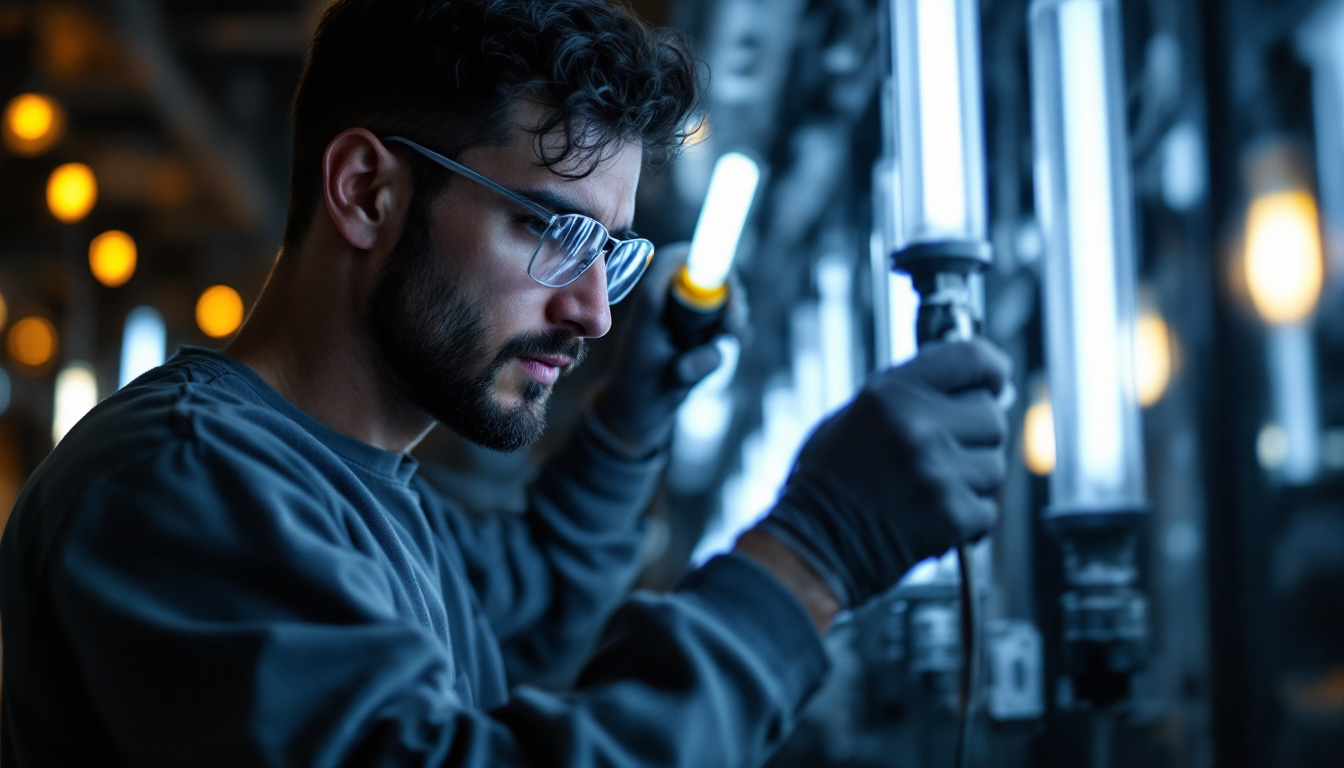
Contractors should always wear appropriate PPE, including UV-rated goggles, gloves, and protective clothing. Training on the risks associated with UV-C exposure and safe handling procedures is non-negotiable. This reduces the risk of accidental exposure during installation or servicing.
Moreover, regular refresher courses can ensure that all personnel remain aware of the latest safety protocols and technological advancements in UV-C sterilisation. Understanding the science behind UV radiation and its effects on human health can empower contractors to make informed decisions about safety measures, ultimately fostering a culture of safety within the workplace.
Ensuring Proper Shielding and Controls
UV sterilisation lamps should be installed with adequate shielding to prevent direct exposure to occupants. This can include enclosures, interlocks, or motion sensors that turn off the lamp when people are present. Lighting contractors must verify that these safety features are in place and functioning correctly.
Additionally, clear signage warning of UV radiation hazards is a best practice, helping to prevent accidental exposure by maintenance personnel or building occupants. Regular inspections and maintenance of these safety features are crucial, as wear and tear can compromise their effectiveness over time. By implementing a routine check-up schedule, contractors can ensure that all safety mechanisms are operational, thereby minimizing risks associated with UV-C exposure.
Furthermore, it is essential to educate building occupants about the presence of UV sterilisation lamps and the importance of adhering to safety protocols. Informational sessions or pamphlets can be distributed to enhance awareness, ensuring that everyone understands the potential hazards and the measures in place to mitigate them. This proactive approach not only protects individuals but also fosters a community of safety-minded individuals who are informed and vigilant.
Technical Checklist for Lighting Contractors
Successful installation of UV sterilisation lamps hinges on a detailed and methodical approach. The following checklist covers the essential technical aspects contractors should verify before, during, and after installation.
1. Lamp Specifications and Compatibility
Confirm that the UV lamp’s specifications match the project requirements. Check the wavelength, power output, and lamp type (e.g., low-pressure mercury vapor, LED UV-C). Ensure compatibility with existing fixtures or systems.
For example, LED UV-C lamps are gaining popularity due to their longer lifespan and instant-on capabilities, but they may require different power supplies or control systems compared to traditional mercury vapor lamps.
2. Power Supply and Electrical Requirements
Verify that the power supply matches the lamp’s voltage and current requirements. Use dedicated ballasts or drivers designed for UV lamps to prevent damage and ensure optimal performance.
Contractors should also confirm that wiring and circuit protection comply with local electrical codes and standards. Proper grounding and surge protection are essential to safeguard the equipment.
3. Installation Location and Mounting
Assess the installation site for accessibility, ventilation, and exposure risks. UV lamps should be mounted securely, with consideration for heat dissipation and maintenance access.
In HVAC applications, lamps are often installed near coils or air ducts. Ensure that the lamp’s position maximizes UV exposure to target surfaces while minimizing shadowing or obstruction.
4. Control Systems and Automation
Integrate control systems that allow for safe operation, such as timers, occupancy sensors, and remote monitoring capabilities. These controls help automate sterilisation cycles and reduce the risk of human exposure.
Lighting contractors should test these systems thoroughly to confirm responsiveness and reliability before project handover.
5. Verification of UV Intensity and Coverage
After installation, measure the UV intensity at critical points to ensure the lamp delivers the required germicidal dose. Use calibrated UV meters designed for the specific wavelength range.
Coverage mapping helps identify any shadowed areas or weak spots where sterilisation might be insufficient. Adjust lamp positioning or add supplementary units as needed.
Maintenance and Long-Term Performance
UV sterilisation lamps require regular maintenance to maintain effectiveness. Lighting contractors should provide clients with clear guidelines and service schedules.
Routine Cleaning and Inspection
UV lamps and their protective covers accumulate dust and debris, which can significantly reduce UV output. Cleaning schedules should be established based on the environment’s dust levels and lamp usage.
Inspect the lamp for signs of wear, discoloration, or damage. Replace lamps according to manufacturer recommendations, as UV output diminishes over time even if the lamp still emits visible light.
Record Keeping and Client Communication
Maintain detailed records of installation parameters, maintenance activities, and any repairs. This documentation supports warranty claims and helps track system performance over time.
Educate clients on the importance of adhering to maintenance schedules and recognizing signs of reduced sterilisation effectiveness. Clear communication fosters trust and ensures the system continues to deliver health benefits.
Regulatory Compliance and Industry Standards
Lighting contractors must navigate a complex landscape of regulations and standards when installing UV sterilisation lamps. Compliance ensures safety, legal protection, and customer confidence.
Relevant Standards and Guidelines
Familiarize yourself with standards such as those from the Illuminating Engineering Society (IES), the American Society of Heating, Refrigerating and Air-Conditioning Engineers (ASHRAE), and occupational safety agencies. These documents provide guidance on UV exposure limits, installation practices, and performance criteria.
Local building codes and health regulations may also dictate specific requirements for UV sterilisation systems, especially in healthcare or food service settings.
Certification and Testing
Use lamps and components that have been tested and certified by recognized bodies. This ensures that the products meet performance claims and safety standards.
Contractors should also consider third-party testing of installed systems to verify UV output and safety features, providing an additional layer of assurance to clients.
Final Thoughts: Delivering Value Beyond Installation
UV sterilisation lamps offer powerful benefits, but their success depends on expert installation and ongoing care. Lighting contractors play a pivotal role in ensuring these systems operate safely and effectively.
By following a comprehensive checklist-from understanding lamp technology to enforcing safety protocols and ensuring compliance-contractors can deliver solutions that protect health and enhance indoor environments. This expertise not only satisfies clients but also positions contractors as trusted partners in advanced lighting technology.
Get Your UV Sterilisation Lamps at LumenWholesale
Ready to elevate your lighting projects with the best UV sterilisation lamps on the market? Look no further than LumenWholesale, where we provide contractors with the highest quality, spec-grade lighting products at unbeatable wholesale prices. Say goodbye to inflated markups and hello to superior lighting solutions that meet the highest industry standards. With our hassle-free bulk buying options and free shipping, you can ensure your installations are not only safe and effective but also cost-efficient. Wholesale Lighting at the Best Value is just a click away. Partner with LumenWholesale today and experience the perfect blend of quality, affordability, and convenience.