Understanding the Role of Motion Detector Light Switches in Modern Lighting
Motion detector light switches have become a staple in both residential and commercial lighting installations. For lighting contractors, mastering their setup is not just a skill-it’s a necessity. These devices offer energy efficiency, enhanced security, and convenience, making them indispensable in today’s lighting projects.
Unlike traditional switches, motion detector switches automatically turn lights on and off based on movement detection. This reduces wasted electricity and extends the life of lighting fixtures. For contractors, this means offering clients a solution that aligns with sustainability goals and modern building codes.
Why Lighting Contractors Should Prioritize Motion Detector Switches
Energy efficiency standards are tightening globally, and many building codes now encourage or require the use of occupancy sensors in certain spaces. Lighting contractors who can expertly install and configure motion detector switches gain a competitive edge. They can provide clients with cost-saving benefits while ensuring compliance with regulations.
Additionally, these switches improve user experience by automating lighting control. This is particularly valuable in commercial settings like offices, warehouses, and public restrooms, where lights are frequently left on unnecessarily. Contractors who understand the nuances of these devices can tailor installations to maximize effectiveness.
Moreover, the technology behind motion detectors has evolved significantly, with options now available that can differentiate between human movement and that of pets, thus preventing false activations. This is particularly important in residential settings where pets may roam freely. Furthermore, many modern motion detectors come equipped with adjustable sensitivity settings, allowing users to customize their lighting experience according to their specific needs. This adaptability not only enhances user satisfaction but also promotes the longevity of the lighting system by minimizing unnecessary wear and tear.
In addition to their practical benefits, motion detector light switches can also contribute to the aesthetic appeal of a space. By integrating these devices into a well-designed lighting scheme, contractors can create dynamic environments that respond to the presence of individuals, enhancing both functionality and ambiance. For instance, in retail settings, strategically placed motion sensors can illuminate displays as customers approach, drawing attention to products and enhancing the shopping experience. This level of sophistication in lighting design can set a contractor apart in a competitive market, showcasing their ability to blend technology with design seamlessly.
Key Components and Types of Motion Detector Light Switches
Before installation, it’s critical to understand the components and varieties of motion detector switches available. This knowledge helps contractors select the right product for each project and troubleshoot potential issues during setup.
Types of Sensors
Most motion detector switches rely on one of two sensor types: passive infrared (PIR) or ultrasonic. PIR sensors detect body heat, making them ideal for spaces where direct line-of-sight is possible. Ultrasonic sensors emit sound waves and detect motion through reflection, useful in rooms with partitions or obstacles.
Some advanced models combine both technologies for increased accuracy and reduced false triggers. Contractors should assess the environment to determine which sensor type suits the application best. For example, in a long hallway or open area, a PIR sensor may suffice, but in a cluttered garage or workshop, an ultrasonic sensor might be more effective due to its ability to detect motion around corners and behind objects. Additionally, some systems now integrate smart technology, allowing users to control settings remotely through mobile apps, enhancing convenience and adaptability.
Switch Features to Consider
Motion detector switches come with adjustable settings such as sensitivity, time delay, and ambient light thresholds. Sensitivity controls how easily the sensor detects movement, while time delay determines how long the light stays on after motion ceases. Ambient light sensors prevent the lights from turning on during daylight.
For lighting contractors, understanding these features is essential to customize installations according to client needs and space usage patterns. Proper configuration ensures energy savings and user satisfaction. Furthermore, some models offer additional features like manual override options, allowing users to turn lights on and off as needed, which can be particularly beneficial in settings where constant lighting is sometimes required, such as during events or gatherings. Moreover, the integration of energy-efficient LED bulbs with motion detectors not only enhances the lifespan of the lighting system but also significantly reduces electricity costs, making them an increasingly popular choice among environmentally conscious consumers.
Step-by-Step Guide to Setting a Motion Detector Light Switch
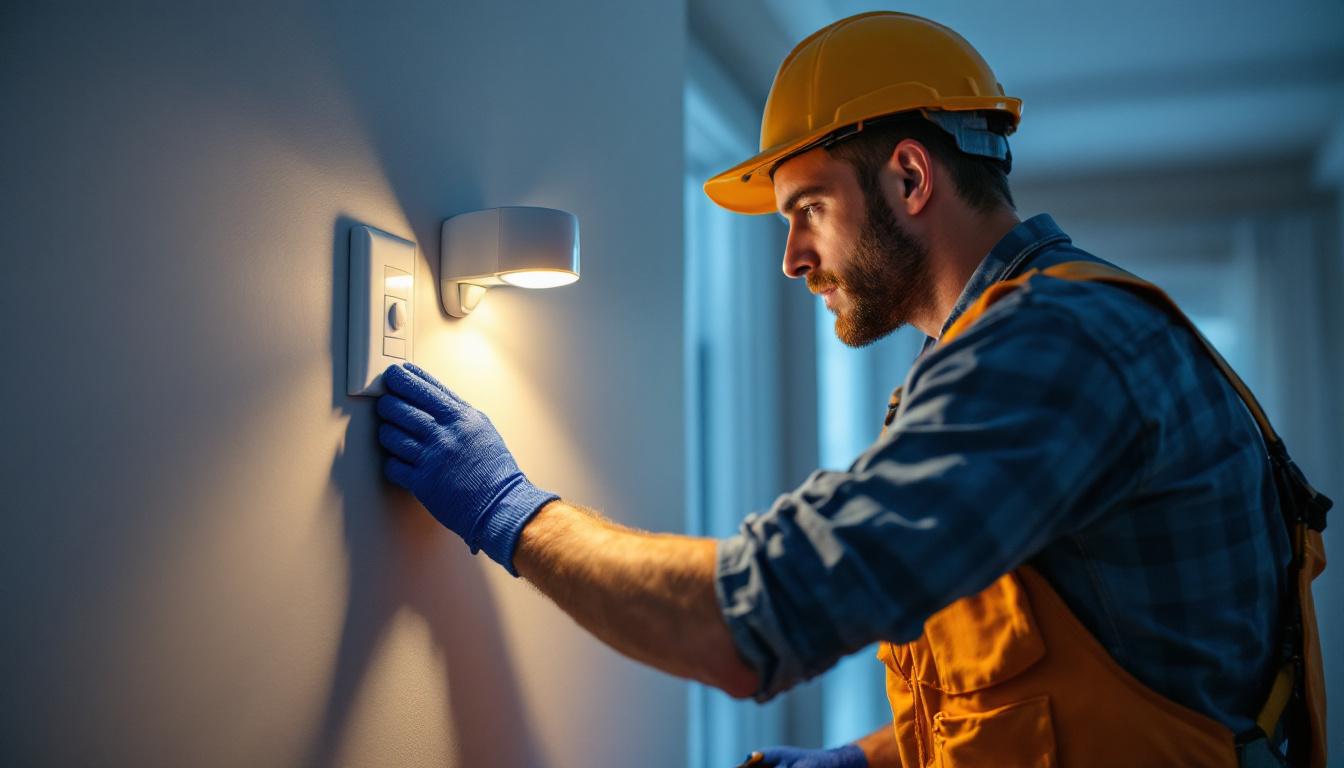
Installing and setting a motion detector light switch requires precision and attention to detail. The following steps provide a clear roadmap for contractors to deliver professional results.
1. Safety First: Power Off
Always begin by turning off power at the circuit breaker. Confirm the power is off using a voltage tester before handling any wiring. Safety cannot be overstated when working with electrical components. Additionally, it is wise to wear insulated gloves and safety goggles to protect against accidental shocks or debris. Ensuring a safe working environment is the first step in any electrical project.
2. Remove Existing Switch
Carefully remove the cover plate and existing switch. Take note of the wiring configuration, and if necessary, label wires to avoid confusion during installation. It can also be helpful to take a photograph of the existing setup for reference. This visual aid can be invaluable if you need to troubleshoot or reconnect wires later on. Remember to keep all screws and small parts organized to prevent losing them during the process.
3. Identify Wires and Connect the Motion Detector Switch
Most motion detector switches require a neutral wire, line (hot) wire, load wire, and ground wire. Connect each wire according to the manufacturer’s instructions. Lighting contractors should verify wire colors and functions, as they can vary between installations. Understanding the specific requirements of the motion detector model is essential, as some may come with additional features like manual override or adjustable sensitivity settings that need to be accounted for during installation.
Proper grounding is crucial for safety and device functionality. If the neutral wire is missing, some models may not work correctly, so selecting the right switch type is important. In instances where a neutral wire is not available, consider using a model designed for such conditions, as these can often operate without a neutral and still provide reliable performance.
4. Secure the Switch and Restore Power
After wiring, carefully tuck wires into the electrical box and secure the switch. Replace the cover plate. Turn the power back on at the breaker and test the switch operation. It’s advisable to conduct a thorough inspection of the installation to ensure everything is secure and properly aligned before finalizing the setup. A loose connection can lead to intermittent operation or even damage to the switch over time.
5. Adjust Settings for Optimal Performance
Use the adjustment knobs or buttons on the switch to set sensitivity, time delay, and ambient light threshold. Test the sensor’s response by moving within the detection range and observing light activation. This step is crucial, as the effectiveness of the motion detector can vary significantly based on its placement and the environment it’s in.
Fine-tuning these settings is key. For example, in a hallway, a shorter time delay might be preferred, while in a garage, a longer delay could prevent frequent switching. Additionally, consider the layout of the area; if there are obstacles that could obstruct the sensor’s view, you may need to adjust the sensitivity to ensure reliable activation. Testing in various conditions, such as during the day and at night, will help you achieve the best performance from your motion detector light switch.
Common Challenges and Troubleshooting Tips
Even experienced contractors encounter issues when installing motion detector light switches. Knowing common pitfalls and solutions helps maintain professionalism and client trust.
False Triggers and Non-Activation
False triggers often result from overly sensitive settings or environmental factors like heating vents or pets. Adjusting sensitivity and repositioning the sensor can mitigate these issues.
If the light doesn’t activate, check wiring connections, ensure the neutral wire is present, and verify the sensor’s detection range is unobstructed.
Compatibility with Lighting Types
Some motion detector switches are incompatible with certain lighting technologies, such as LED or fluorescent bulbs. Contractors should verify compatibility before installation to avoid flickering or failure.
Power Supply and Load Requirements
Ensure the switch’s load rating matches the connected lighting circuit. Overloading can damage the switch, while underloading may cause erratic behavior. Consulting product specifications is essential.
Why Mastering Motion Detector Switch Installation Benefits Lighting Contractors
Proficiency in setting motion detector light switches elevates a contractor’s service offering. It opens doors to projects focused on energy efficiency and smart building solutions.
Enhancing Client Satisfaction and Project Value
Clients appreciate contractors who can recommend and implement solutions that reduce energy costs and improve convenience. Motion detector switches deliver on both fronts, making them a valuable addition to any lighting project.
Staying Ahead in a Competitive Market
As buildings become smarter and regulations stricter, contractors with expertise in advanced lighting controls will stand out. This expertise can lead to repeat business and referrals.
Contributing to Sustainability Goals
Energy-efficient lighting is a cornerstone of sustainable construction. By installing motion detector switches, contractors contribute to reducing carbon footprints and promoting responsible energy use.
Final Thoughts
Setting motion detector light switches is more than just a technical task-it’s an opportunity for lighting contractors to provide smarter, safer, and more efficient lighting solutions. Understanding the types of sensors, proper installation techniques, and troubleshooting ensures successful outcomes.
Contractors who invest time in mastering these devices will not only meet client expectations but also position themselves as leaders in the evolving field of lighting technology.
Discover Superior Lighting Solutions with LumenWholesale
Ready to elevate your lighting projects and exceed client expectations? At LumenWholesale, we provide lighting contractors like you with the highest quality, spec-grade motion detector light switches and more, all at unbeatable wholesale prices. Say goodbye to local distributor markups and hello to a vast selection of reliable, high-performance lighting products that meet the strictest industry standards. Plus, with free shipping on bulk orders, you can stock up on premium lighting without the worry of hidden fees or compromises. Don’t miss out on the perfect blend of quality, affordability, and convenience. Take the next step in your lighting career and explore our Wholesale Lighting at the Best Value today.