Overlooking the Importance of Proper Placement
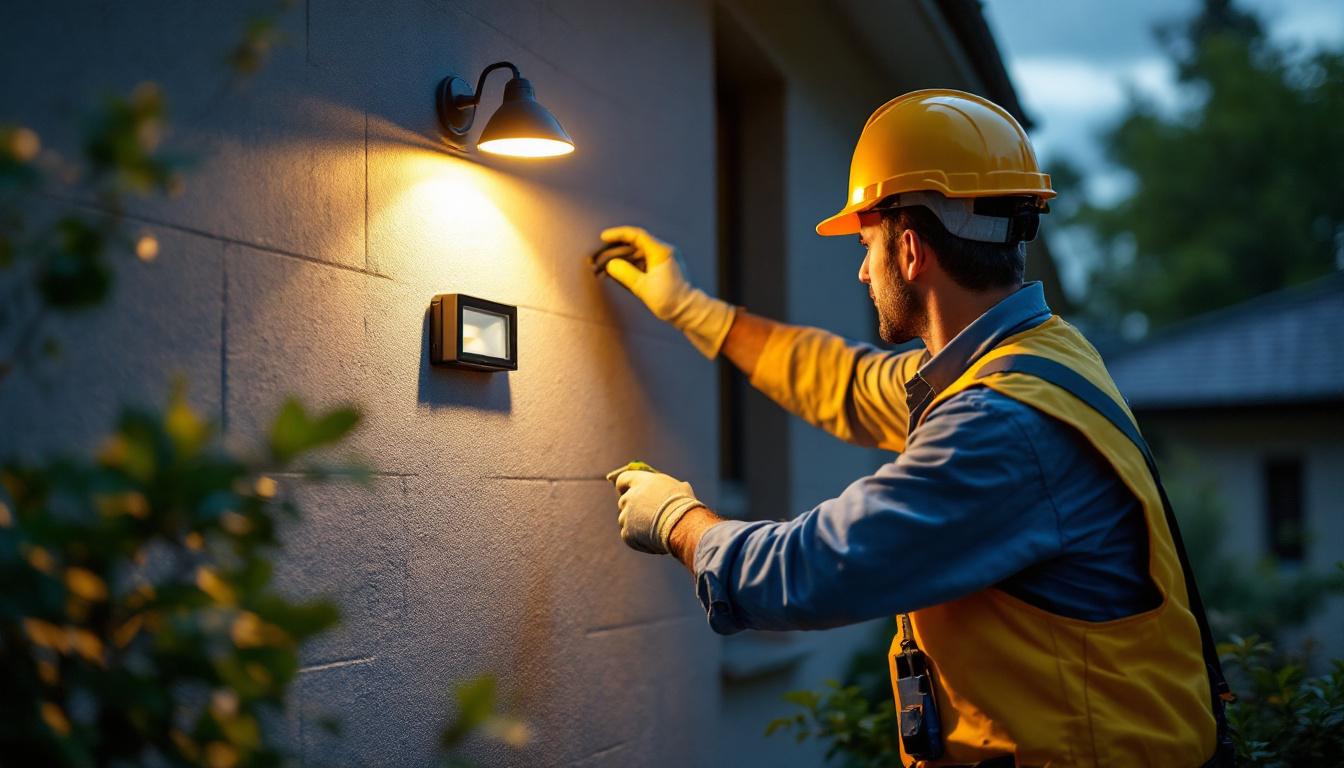
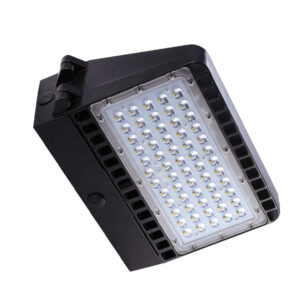
One of the most frequent errors lighting contractors make with wall flood lights is improper placement. Flood lights are designed to illuminate large areas, but if positioned incorrectly, they can create shadows, glare, or leave critical zones in darkness.
For example, mounting a flood light too high or too low can drastically affect its coverage. When installed too high, the light may disperse too widely, reducing intensity on the target surface. Conversely, placing it too low can cause harsh shadows and uneven lighting. Contractors should always assess the environment carefully, considering the height of the wall, the size of the area to be illuminated, and any obstacles that might block the light.
Another placement pitfall is ignoring the direction of the beam. Flood lights typically have adjustable heads, allowing contractors to angle the light precisely. Failing to adjust this properly often results in wasted light spilling onto unintended areas, such as neighboring properties or the night sky, which can lead to complaints or even code violations.
How to Avoid Placement Errors
Start by conducting a thorough site survey. Use a flashlight or temporary lighting to simulate the flood light’s beam during installation planning. Mapping out the intended coverage area helps determine the best mounting height and angle.
Consider the purpose of the flood light—whether it’s for security, accent lighting, or task illumination. Each use case demands a different approach to placement. Security lighting, for instance, should cover entry points and blind spots without causing glare that impairs visibility.
Additionally, it’s crucial to take into account the surrounding landscape and architecture. Trees, fences, and other structures can obstruct light, creating dark spots that may compromise safety or aesthetic appeal. By evaluating these elements, contractors can make informed decisions about where to position flood lights to achieve optimal illumination. Furthermore, the time of day can also influence placement; testing the lights during twilight can provide insights into how shadows shift and where light is most needed as darkness falls.
Finally, don’t underestimate the importance of community feedback. Engaging with clients and local residents can provide valuable insights into lighting needs and preferences. This collaborative approach not only enhances the effectiveness of the lighting design but also fosters a sense of ownership and satisfaction among those who will benefit from the illumination. By prioritizing proper placement and considering the broader context, contractors can significantly improve the functionality and appeal of their lighting installations.
Neglecting to Account for Glare and Light Pollution
Glare is a common complaint from property owners and pedestrians when flood lights are installed without proper consideration. It not only causes discomfort but can also reduce visibility, defeating the purpose of the lighting. In many cases, poorly designed lighting can create a harsh contrast between illuminated areas and shadows, leading to disorientation and potential safety hazards. This is particularly concerning in areas with high foot traffic, where pedestrians rely on adequate lighting to navigate their surroundings safely. Moreover, excessive glare can lead to eye strain and fatigue, making it essential for lighting designers to prioritize user comfort in their plans.
Light pollution is another critical issue. Excessive or misdirected flood lighting contributes to skyglow, which obscures stars and disrupts local ecosystems. The impact of light pollution extends beyond mere aesthetics; it can interfere with the natural behaviors of wildlife, affecting migration patterns, breeding cycles, and feeding habits. For instance, sea turtles are known to be disoriented by artificial light, leading them away from the ocean after hatching. Lighting contractors must balance brightness with environmental responsibility, taking into account the broader implications of their designs on both human and ecological health.
Strategies to Minimize Glare and Light Pollution
Use fixtures with built-in shields or install external baffles to control light spill. These design elements can significantly reduce the amount of light that escapes into unintended areas, ensuring that illumination is directed where it is most needed. Additionally, utilizing fixtures that are specifically designed for low-glare performance can enhance visibility while maintaining comfort for viewers. This attention to detail not only improves the functionality of the lighting but also contributes to a more pleasant nighttime environment.
Choosing the right color temperature also plays a role. Warmer tones (around 3000K) reduce harshness and are less disruptive to nocturnal wildlife compared to cooler, blue-rich lights. This choice can create a more inviting atmosphere, encouraging outdoor activities without compromising the natural rhythms of local fauna. Furthermore, implementing dimming controls or timers can help manage light levels throughout the night, allowing for brighter illumination during peak hours while reducing intensity during quieter times. Finally, ensure compliance with local lighting ordinances. Many municipalities have regulations limiting the intensity and direction of outdoor lighting to mitigate light pollution. These guidelines not only help protect the night sky but also foster community engagement in creating a more sustainable and aesthetically pleasing environment.
Ignoring Energy Efficiency and Overlooking LED Advantages
Despite the widespread availability of LED technology, some contractors still rely on outdated flood lighting solutions like halogen or metal halide lamps. This oversight leads to higher energy consumption and increased maintenance costs for clients. The inefficiency of these traditional lighting options not only burdens the client financially but also contributes to a larger environmental footprint, as they consume more energy and have shorter lifespans, resulting in more frequent replacements and waste.
LED flood lights offer several advantages: they consume significantly less power, have longer lifespans, and provide instant-on illumination without warm-up time. Furthermore, the quality of light emitted by LEDs is often superior, with better color rendering and reduced glare, enhancing visibility and safety in outdoor spaces. Neglecting to recommend or install LED options can undermine a contractor’s reputation for delivering modern, cost-effective lighting solutions. By failing to embrace this technology, contractors risk falling behind competitors who are more attuned to the benefits of energy-efficient solutions.
Maximizing Energy Efficiency
When specifying flood lights, contractors should prioritize fixtures with high lumens per watt ratings. This ensures maximum brightness for the least energy consumption. Additionally, it is crucial to consider the intended use of the lighting; for instance, outdoor security lighting may require different specifications compared to decorative landscape lighting. Understanding these nuances allows contractors to make informed decisions that align with their clients’ specific needs and preferences.
Incorporating controls like motion sensors and photocells can further reduce energy use by ensuring lights operate only when necessary. For example, a flood light equipped with a motion sensor will activate only when movement is detected, conserving power during idle periods. Moreover, integrating smart technology can enhance energy efficiency even further; systems that allow for remote monitoring and control can enable users to adjust lighting schedules and settings based on real-time conditions, maximizing both convenience and energy savings. This level of adaptability not only improves the functionality of the lighting system but also adds value to the overall project, showcasing the contractor’s commitment to innovative and sustainable practices.
Failing to Consider Weatherproofing and Durability
Wall flood lights are often installed outdoors, exposed to rain, wind, dust, and temperature extremes. Choosing fixtures without adequate weatherproof ratings can lead to premature failure and costly replacements.
Contractors sometimes overlook the importance of IP (Ingress Protection) ratings when selecting flood lights. An IP65 rating or higher is generally recommended for outdoor wall-mounted fixtures to ensure protection against dust and water jets.
Material and Build Quality Matter
Beyond IP ratings, the housing material impacts durability. Aluminum fixtures with powder-coated finishes resist corrosion better than cheaper plastic alternatives. Glass lenses should be tempered to withstand impacts and thermal stress.
Additionally, wiring and connections must be sealed properly. Using weatherproof junction boxes and conduit protects electrical components from moisture intrusion, reducing the risk of shorts or failures.
Overcomplicating Installation and Wiring
Some contractors make the mistake of overcomplicating the installation process by using unnecessarily complex wiring schemes or failing to plan for easy maintenance access. This can increase labor time and costs, as well as complicate future repairs or upgrades.
For example, running multiple flood lights on separate circuits without a clear control strategy can lead to inefficiencies and confusion for end users. Similarly, installing fixtures in hard-to-reach locations without considering ladder or lift access can create safety hazards during maintenance.
Streamlining Installation Practices
Plan the wiring layout to minimize cable runs and group fixtures logically. Using junction boxes with clear labeling simplifies troubleshooting later on.
Design installations with maintenance in mind. Ensure that flood lights are accessible without excessive risk or equipment. This foresight saves time and money over the lifespan of the lighting system.
Overlooking Aesthetic Integration
While flood lights are primarily functional, their visual impact on a building’s facade or landscape should not be ignored. Poorly integrated lighting can detract from architectural features or create an unbalanced look.
Contractors sometimes select fixtures that clash with the building style or use lighting levels that overwhelm the space. This can lead to client dissatisfaction, even if the technical performance is sound.
Balancing Function and Form
Select fixtures that complement the architectural style, whether modern, traditional, or industrial. Many manufacturers offer flood lights with sleek, low-profile designs that blend into walls seamlessly.
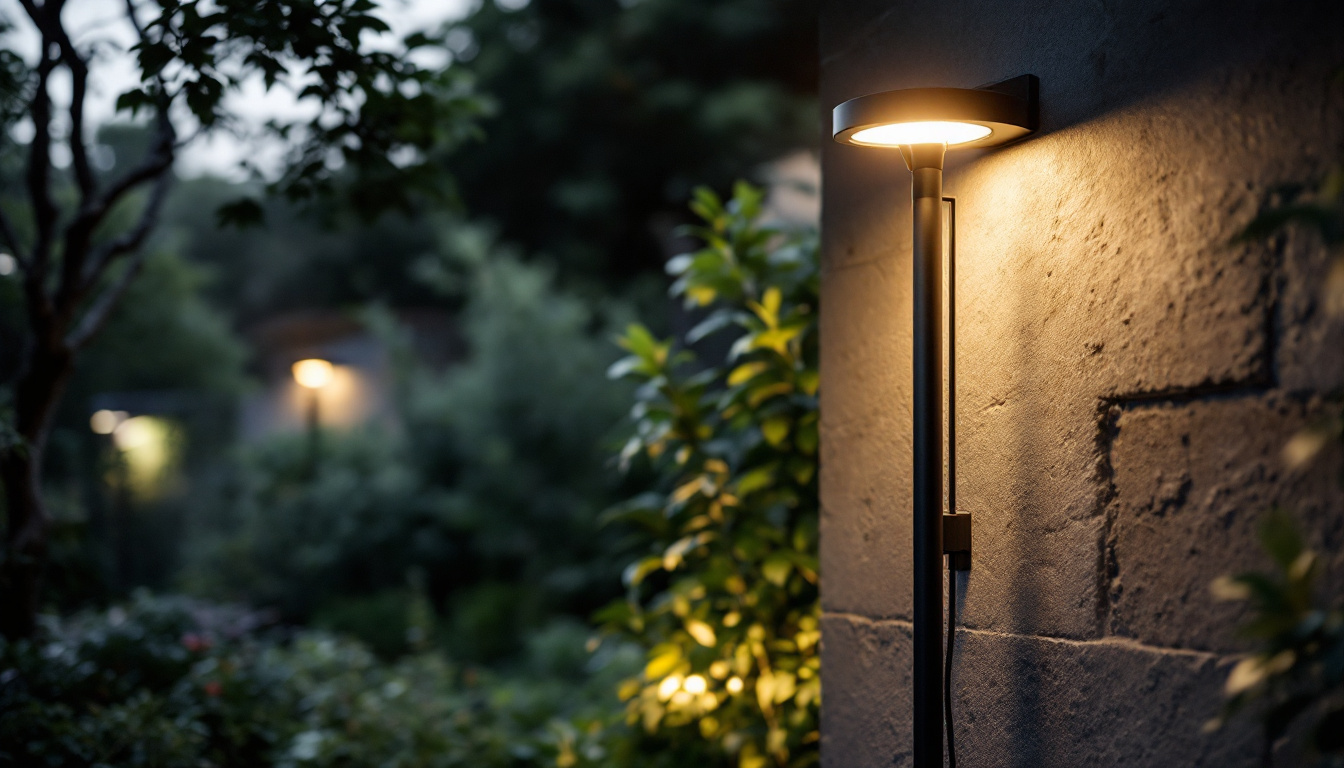
Use dimmers or multi-level controls to adjust brightness according to the time of day or event. Layering flood lighting with other types of outdoor illumination-such as wall sconces or pathway lights-creates a harmonious and inviting environment.
Conclusion: Avoiding Common Pitfalls for Better Results
Wall flood lighting is a powerful tool in a lighting contractor’s arsenal, but its effectiveness depends on thoughtful design and execution. Avoiding mistakes like improper placement, ignoring glare, neglecting energy efficiency, and overlooking durability can make a significant difference in the final outcome.
Contractors who approach flood light installations with a comprehensive understanding of these factors not only deliver superior lighting but also enhance client satisfaction and reduce callbacks. Paying attention to both technical and aesthetic details ensures that flood lights perform well and look great for years to come.
Illuminate Your Projects with Confidence
Don’t let common lighting mistakes undermine your project’s success. At LumenWholesale, we provide lighting contractors with the high-quality, specification-grade flood lights you need to avoid these pitfalls. With our competitive wholesale pricing and commitment to excellence, you can trust that you’re getting the best value for your investment. Plus, our hassle-free bulk buying and free shipping mean you can equip your projects with superior lighting effortlessly. Elevate your installations today and experience wholesale lighting at the best value with LumenWholesale.