Understanding the Mh Lamp 400W: What Makes It a Go-To Choice?
Metal halide (MH) lamps have long been a staple in commercial and industrial lighting due to their efficiency and quality of light. The 400W variant is particularly popular among lighting contractors for its balance of power and versatility. But what exactly sets the MH lamp 400W apart?
At its core, the MH lamp 400W produces bright, white light that closely mimics natural daylight. This makes it ideal for applications where color rendering is critical, such as retail spaces, sports arenas, and large warehouses. The lamp operates by passing an electric arc through a gaseous mixture of vaporized mercury and metal halides, which results in a high-intensity discharge.
For contractors, understanding the operational characteristics of these lamps is essential. They typically offer a luminous efficacy ranging from 75 to 100 lumens per watt, which means a 400W lamp can produce between 30,000 to 40,000 lumens. This level of brightness is sufficient for large-scale lighting without the excessive energy consumption of higher wattage options.
Moreover, the color temperature of the MH lamp 400W usually falls in the range of 3000K to 4000K, providing a warm to neutral white light that enhances visibility and creates an inviting atmosphere. This is particularly beneficial in environments like showrooms and galleries, where the accurate representation of colors can significantly impact customer perception and sales. Additionally, the long lifespan of these lamps, often exceeding 15,000 hours, means less frequent replacements, which can lead to substantial cost savings over time.
Another noteworthy aspect of the MH lamp 400W is its ability to withstand various environmental conditions. These lamps are designed to operate effectively in both indoor and outdoor settings, making them a versatile choice for everything from street lighting to stadiums. Their robust design ensures they can handle temperature fluctuations and humidity, which is crucial for outdoor applications. Furthermore, advancements in technology have led to the development of more energy-efficient versions of these lamps, allowing for even greater savings on electricity bills while maintaining high-quality illumination.
Installation Best Practices for Mh Lamp 400W Fixtures
Choosing the Right Fixture
Not all fixtures are created equal when it comes to MH lamps. The 400W MH lamp requires a fixture designed to handle its heat output and electrical requirements. Contractors should select fixtures that provide adequate heat dissipation and are rated for high-intensity discharge lamps.
Proper fixture selection also impacts the lamp’s lifespan and performance. Fixtures with good reflectors and lenses can maximize light output and distribution, reducing the number of lamps needed for a given space. This can lead to cost savings over time. Additionally, fixtures that are designed with adjustable mounting options can offer flexibility in lighting design, allowing for tailored illumination that meets the specific needs of the environment, whether it be for industrial, commercial, or horticultural applications.
Safe and Effective Mounting
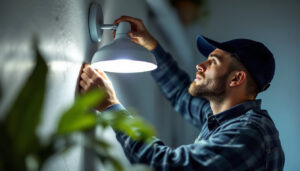
MH lamps operate at high temperatures, so ensuring proper mounting is critical. Fixtures should be securely fastened to prevent vibration or movement, which can damage the lamp or ballast. Additionally, the lamp should be installed in a location that allows for adequate airflow to avoid overheating.
Lighting contractors must also consider the orientation of the lamp. Many MH lamps are designed to operate in a specific position, such as vertical or horizontal. Installing the lamp in the wrong orientation can reduce its lifespan and performance. Furthermore, contractors should be aware of the surrounding environment; for instance, if the fixture is installed in a dusty or humid area, additional protective measures may be needed to prevent contaminants from affecting the lamp’s efficiency and longevity.
Ballast Compatibility and Wiring
The ballast is the heart of any MH lamp system. For a 400W MH lamp, a compatible high-quality ballast is essential to regulate the current and provide the necessary voltage for ignition and operation. Using an incompatible or low-quality ballast can lead to flickering, reduced lamp life, or even failure to start.
Contractors should verify that the ballast matches the lamp’s specifications and wiring requirements. Proper wiring techniques, including secure connections and appropriate wire gauge, are vital to ensure safety and optimal performance. Moreover, it is advisable to incorporate surge protection devices to safeguard the system from voltage spikes, which can be detrimental to both the ballast and the lamp. Regular maintenance checks on the wiring and ballast can also help identify potential issues before they escalate, ensuring a reliable lighting solution for years to come.
Maintenance Tips: Maximizing Longevity and Performance
Regular Cleaning and Inspection
MH lamps and their fixtures accumulate dust and debris over time, which can significantly reduce light output. Routine cleaning of the lamp’s outer surface and the fixture’s reflector is a simple yet effective way to maintain brightness and efficiency. A microfiber cloth or a soft brush can be used to gently remove any buildup without scratching the surface, ensuring that the light emitted remains as vibrant as possible. Additionally, cleaning should be scheduled at regular intervals, ideally every few months, to prevent the accumulation of grime that can lead to more significant issues down the line.
Inspecting the lamp for signs of wear, such as blackening of the bulb or flickering, can help identify when replacement is necessary. Early detection of issues prevents unexpected outages and maintains consistent lighting quality. It’s also beneficial to check for any corrosion or damage to the fixture itself, as this can affect both the performance of the lamp and the safety of the installation. Keeping a maintenance log can help track the condition of each lamp and fixture, making it easier to schedule inspections and replacements as needed.
Timely Replacement Strategies
The average lifespan of a 400W MH lamp ranges from 10,000 to 20,000 hours depending on usage and operating conditions. However, light output gradually diminishes over time, sometimes by as much as 30% before the lamp fails completely. This gradual decline can often go unnoticed, leading to environments that are inadequately lit and potentially hazardous.
Lighting contractors should advise clients on proactive replacement schedules, ideally before noticeable dimming occurs. This approach ensures spaces remain well-lit and avoids the risks associated with sudden lamp failure. Implementing a monitoring system that tracks lamp hours can be a valuable tool for facilities managers, allowing them to replace lamps based on actual usage rather than estimates. Furthermore, educating clients about the benefits of upgrading to more energy-efficient lighting options, such as LED alternatives, can also enhance overall performance and reduce energy costs in the long run.
Handling and Disposal Considerations
MH lamps contain mercury and other hazardous materials, so proper handling and disposal are crucial. Contractors must follow local regulations for lamp disposal and encourage clients to do the same. Using protective gloves during installation and removal minimizes exposure to harmful substances. It’s also advisable to use tools designed for lamp handling, such as lamp pullers, to avoid breakage and reduce the risk of injury.
In addition to following disposal regulations, educating clients about the importance of recycling MH lamps can foster a culture of environmental responsibility. Many communities offer designated drop-off locations or special collection events for hazardous waste, including fluorescent and metal halide lamps. By promoting these practices, contractors can help ensure that hazardous materials are disposed of safely, reducing environmental impact and promoting sustainability within the industry.
Energy Efficiency and Cost Considerations
Comparing MH Lamps to Alternatives
While MH lamps deliver excellent light quality, they are generally less energy-efficient compared to newer technologies like LED. However, the initial cost of MH lamps and fixtures is often lower, making them attractive for projects with tight budgets.
Contractors should evaluate the total cost of ownership, including energy consumption, maintenance, and replacement frequency, when recommending lighting solutions. In some cases, MH lamps remain the best option, especially where color rendering and high-intensity lighting are priorities.
Optimizing Energy Use with Controls
Integrating lighting controls such as timers, dimmers, and occupancy sensors can significantly reduce energy consumption when using MH lamps. These controls ensure lights operate only when needed and at appropriate levels, extending lamp life and lowering utility costs.
Rebates and Incentives
Many utility companies offer rebates or incentives for upgrading to energy-efficient lighting systems, including MH lamp retrofits. Contractors should stay informed about available programs to help clients offset installation costs and improve project value.
Common Challenges and Troubleshooting Tips
Flickering and Failure to Start
Flickering is a common issue with MH lamps and often indicates ballast problems or improper lamp installation. Ensuring the ballast is compatible and securely connected usually resolves this issue. If flickering persists, replacing the ballast or lamp may be necessary.
Premature Lamp Failure
Several factors contribute to premature failure, including frequent on/off cycling, incorrect lamp orientation, and voltage fluctuations. Contractors should educate clients on proper usage patterns and verify electrical stability at the installation site.
Color Shift and Dimming
Over time, MH lamps may exhibit color shifts or reduced brightness. This is a natural part of the lamp’s aging process. Regular maintenance and timely replacement help maintain consistent lighting quality.
Final Thoughts for Lighting Contractors
The MH lamp 400W remains a reliable and effective lighting solution for many commercial and industrial applications. Its balance of brightness, color rendering, and cost makes it a valuable tool in a contractor’s arsenal.
Success with MH lamp installations hinges on proper fixture selection, careful installation, and routine maintenance. Staying informed about advancements in lighting technology and energy efficiency can help contractors provide the best recommendations to their clients.
Ultimately, understanding the nuances of the MH lamp 400W ensures that lighting contractors deliver safe, efficient, and high-quality lighting solutions that stand the test of time.
Illuminate Your Projects with LumenWholesale
Ready to enhance your lighting installations with the reliable performance of MH lamp 400W? Look no further than LumenWholesale for all your lighting needs. We provide contractors with high-quality, specification-grade lighting products at unbeatable wholesale prices, ensuring your projects shine without breaking the bank. With our commitment to cutting out the middleman, you can trust that you’re getting superior lighting products at the best value. Plus, with free shipping on bulk orders, you can stock up on premium lighting solutions with ease. Don’t compromise on quality or cost—choose LumenWholesale for the perfect blend of affordability and convenience. Wholesale Lighting at the Best Value is just a click away.