Why Are LED Lights the Go-To Choice for Modern Lighting Projects?
LED lights have transformed the lighting industry, becoming the preferred option for contractors worldwide. Their efficiency, longevity, and versatility make them stand out from traditional lighting solutions like incandescent or fluorescent bulbs.
One of the biggest advantages is energy efficiency. LEDs consume significantly less power—up to 80% less than incandescent bulbs—while providing the same or better brightness levels. This translates directly into cost savings for clients, which is a compelling selling point when pitching projects. Furthermore, the reduced energy consumption of LEDs contributes to a lower carbon footprint, making them an environmentally friendly choice that resonates with eco-conscious consumers and businesses alike. As sustainability becomes a priority in modern construction and renovation projects, the adoption of LED technology aligns perfectly with green building practices.
Additionally, LEDs boast an impressive lifespan, often lasting 25,000 to 50,000 hours. This durability reduces maintenance frequency, a critical factor in commercial or industrial settings where replacing bulbs can be costly and disruptive. The long life of LEDs also means less waste in landfills, as fewer bulbs need to be disposed of over time. Moreover, many LED products are designed with advanced thermal management systems that help maintain optimal performance and prevent overheating, further extending their operational life. These features make LEDs not only a practical choice but also a smart investment for property owners looking to minimize long-term costs.
Another noteworthy aspect of LED technology is its versatility in design and application. Available in a wide range of colors, shapes, and sizes, LEDs can easily adapt to various aesthetic and functional requirements. Whether it’s for ambient lighting in residential spaces, task lighting in offices, or accent lighting in retail environments, there’s an LED solution to fit every need. Additionally, the advent of smart LED technology has opened up new possibilities, allowing users to control lighting remotely, adjust brightness levels, and even change colors to suit different moods or occasions. This level of customization enhances the user experience and can significantly contribute to the overall ambiance of a space.
Common Applications of LED Lighting in Commercial and Residential Projects
General Ambient Lighting
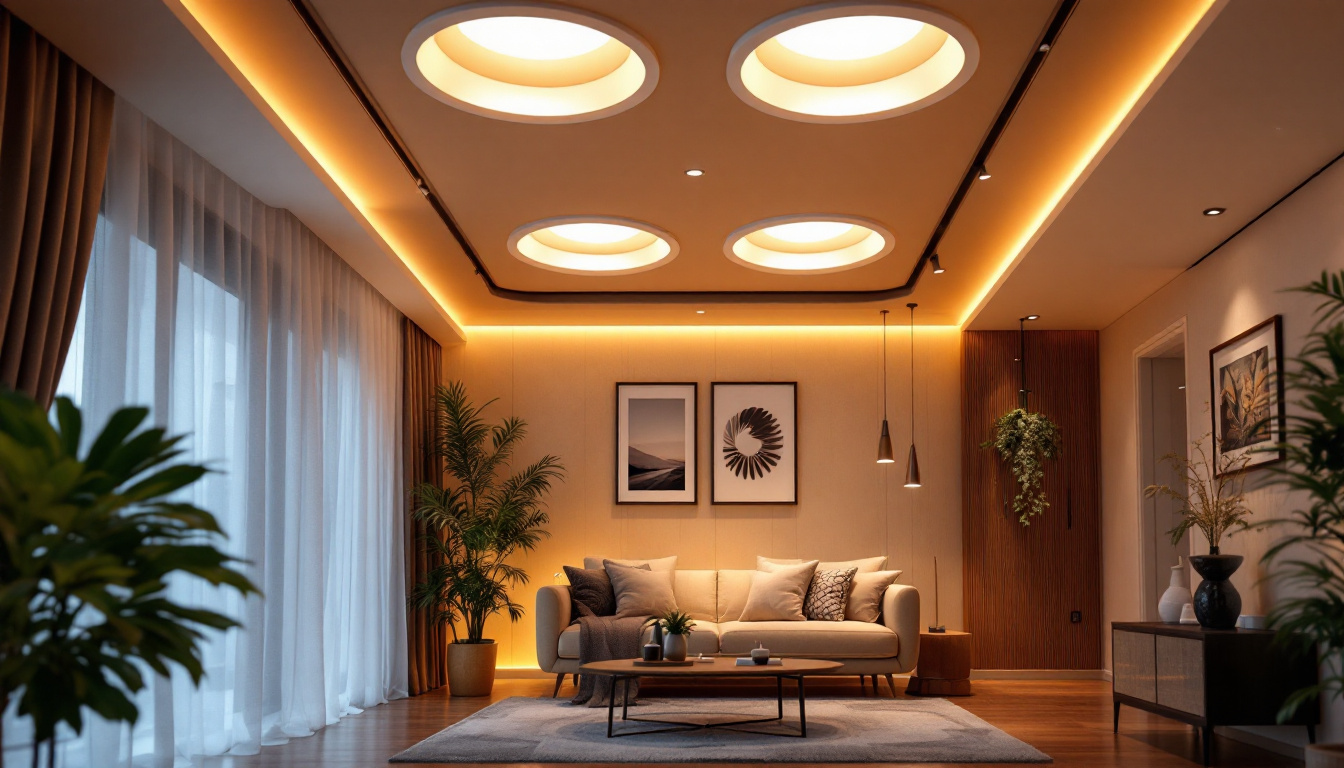
LEDs excel in providing consistent, uniform ambient lighting. Whether illuminating office spaces, retail environments, or homes, LEDs deliver a clean and bright light that enhances visibility and comfort. Their ability to produce various color temperatures—from warm white to cool daylight—allows contractors to tailor lighting to the specific mood or function of a space. This versatility is particularly beneficial in environments that require different lighting settings throughout the day. For instance, a cozy warm light can create a relaxed atmosphere in a café during the evening, while a cooler daylight setting can invigorate employees in an office during work hours, promoting alertness and productivity.
Accent and Decorative Lighting
Lighting contractors often use LEDs to highlight architectural features, artwork, or landscaping. Their compact size and directional light output make LEDs ideal for accent lighting fixtures such as track lights, recessed spotlights, and wall washers. RGB LEDs add another layer of creativity, enabling dynamic color changes for special events or branding purposes. Furthermore, the low heat emission of LEDs ensures that delicate materials, such as paintings or sculptures, are not damaged by prolonged exposure to heat, making them a safe choice for galleries and museums. The ability to control the intensity and color of LED lights also allows for seasonal decorations or themed events, providing endless possibilities for creative expression.
Task Lighting
In workspaces like kitchens, laboratories, or workshops, task lighting is crucial. LEDs provide bright, focused illumination that reduces eye strain and increases productivity. Their instant-on capability and flicker-free operation make them superior to older technologies for these applications. Additionally, the energy efficiency of LEDs contributes to lower operational costs, making them an economical choice for businesses. In environments where precision is key, such as in dental offices or design studios, adjustable LED task lights can be positioned to minimize shadows and maximize clarity, ensuring that every detail is illuminated effectively. This adaptability not only enhances the functionality of the space but also contributes to a more pleasant working environment.
Outdoor and Security Lighting
LEDs have become the standard for outdoor lighting due to their robustness and energy savings. From streetlights and parking lot illumination to security floodlights, LEDs offer high lumen output with low power consumption. Many models also feature smart controls and motion sensors, enhancing security while minimizing energy waste. The durability of LEDs also means they can withstand harsh weather conditions, reducing the need for frequent replacements. Furthermore, advancements in solar-powered LED technology have made it possible to illuminate outdoor spaces sustainably, harnessing renewable energy to power lighting solutions in parks, pathways, and residential areas. This not only contributes to a greener environment but also provides safety and accessibility during nighttime hours, encouraging community engagement and outdoor activities after dark.
Addressing Lighting Contractors’ Technical Concerns About LEDs
Heat Management and Longevity
One frequent question is about heat dissipation. While LEDs generate less heat than traditional bulbs, they still produce some heat that must be managed to ensure longevity. Proper fixture design with heat sinks or cooling elements is essential. Lighting contractors should verify that LED fixtures meet thermal management standards to avoid premature failure. Additionally, the placement of LEDs within a fixture can significantly impact their thermal performance; for instance, tightly packed configurations may lead to hotspots that can shorten lifespan. Therefore, understanding the thermal dynamics of each specific installation site is crucial for optimal performance.
Color Rendering and Quality
Color rendering index (CRI) is a critical factor, especially in retail or hospitality settings where accurate color perception matters. LEDs with a CRI of 80 or above are generally acceptable, but high-end projects may require CRIs of 90 or more. Contractors should specify LED products that meet the desired CRI to maintain color fidelity. Furthermore, the correlated color temperature (CCT) also plays a significant role in how colors are perceived; warmer temperatures can create inviting atmospheres, while cooler temperatures may enhance focus and productivity. Thus, selecting the right combination of CRI and CCT is essential for achieving the desired ambiance in any space.
Dimming Compatibility
Dimming LEDs can be tricky. Not all LED fixtures are compatible with traditional dimmers, which can cause flickering or reduced lifespan. Lighting contractors must ensure that LEDs are paired with compatible dimmer switches and drivers. Testing dimming functionality before installation helps prevent costly callbacks. It’s also worth noting that some advanced LED systems offer smooth dimming capabilities that can create a seamless transition between brightness levels, enhancing the overall user experience. Understanding the nuances of different dimming technologies, such as phase-cut or 0-10V dimming, can further empower contractors to provide tailored solutions for their clients.
Electrical Compatibility and Installation
LED lighting often requires different electrical considerations than incandescent or fluorescent systems. For example, LEDs operate on low voltage and may need specific transformers or drivers. Contractors should be familiar with these requirements to avoid wiring errors and ensure safety compliance. Additionally, the power supply’s efficiency is paramount; using high-quality drivers can minimize energy loss and improve the overall performance of the lighting system. It is also essential to consider the total load on circuits, as multiple LED fixtures can impact the overall electrical design. By conducting thorough load calculations and ensuring proper circuit design, contractors can help prevent potential electrical issues down the line.
Emerging Trends and Innovations in LED Lighting
Smart LED Lighting Systems
Smart LEDs are changing how lighting is controlled and integrated into buildings. These systems allow remote control, scheduling, and automation through apps or building management systems. Lighting contractors are increasingly asked to install smart lighting that adapts to occupancy, daylight levels, or user preferences, enhancing energy efficiency and user experience.
Human-Centric Lighting
Human-centric lighting focuses on adjusting light intensity and color temperature to support circadian rhythms and improve well-being. LEDs are ideal for this because of their tunability. Lighting contractors should be aware of this trend, especially for healthcare, educational, and office environments where lighting can impact mood and productivity.
Integration with Renewable Energy
LED lighting pairs well with solar power and other renewable energy sources due to its low power consumption. Contractors working on sustainable building projects often recommend LEDs to maximize the benefits of renewable energy systems, reducing overall carbon footprints.
Practical Tips for Lighting Contractors When Working with LEDs
Choosing the Right LED Products
Not all LEDs are created equal. Contractors should prioritize products from reputable manufacturers that provide detailed specifications, warranties, and certifications. Checking for ENERGY STAR or DLC (DesignLights Consortium) listings can help ensure quality and performance.
Planning for Future Maintenance
While LEDs require less maintenance, planning for eventual replacement or upgrades is important. Using modular fixtures or those with easily replaceable components can save time and money down the line. Documenting installation details and product information aids future service technicians.
Educating Clients
Clients often have misconceptions about LED lighting, such as concerns over harshness or color quality. Lighting contractors play a key role in educating clients about the benefits and limitations of LEDs, helping them make informed decisions that align with their goals and budgets.
Staying Updated on Codes and Standards
Lighting codes and energy standards continue to evolve with LED technology. Contractors should stay informed about local regulations, rebates, and incentives related to LED installations. Compliance not only avoids legal issues but can also provide financial benefits for clients.
Conclusion: LEDs as a Versatile Solution for Lighting Contractors
LED lighting has become indispensable in the toolkit of lighting contractors. Its broad range of applications, from ambient to task and outdoor lighting, combined with energy efficiency and longevity, makes it a smart choice for diverse projects. Understanding technical nuances and emerging trends empowers contractors to deliver superior lighting solutions that meet client expectations and regulatory requirements.
By focusing on quality products, proper installation practices, and client education, lighting contractors can leverage the full potential of LEDs, ensuring successful projects and satisfied customers.
Illuminate Your Projects with LumenWholesale
Ready to elevate your lighting projects with the efficiency and versatility of LED lights? Look no further than LumenWholesale for all your lighting needs. We provide contractors with top-quality, spec-grade lighting products at unbeatable wholesale prices, ensuring you get the best value for your investment. Our extensive selection is designed to meet the highest industry standards, so you can trust in the reliability and performance of our lighting solutions. Plus, with free shipping on bulk orders, you can stock up on premium lighting without worrying about hidden fees or compromises. Don’t miss out on the perfect blend of quality, affordability, and convenience. Visit LumenWholesale today and discover the best in Wholesale Lighting at the Best Value.