Challenges of Installing Recessed Lighting on Sloped Ceilings
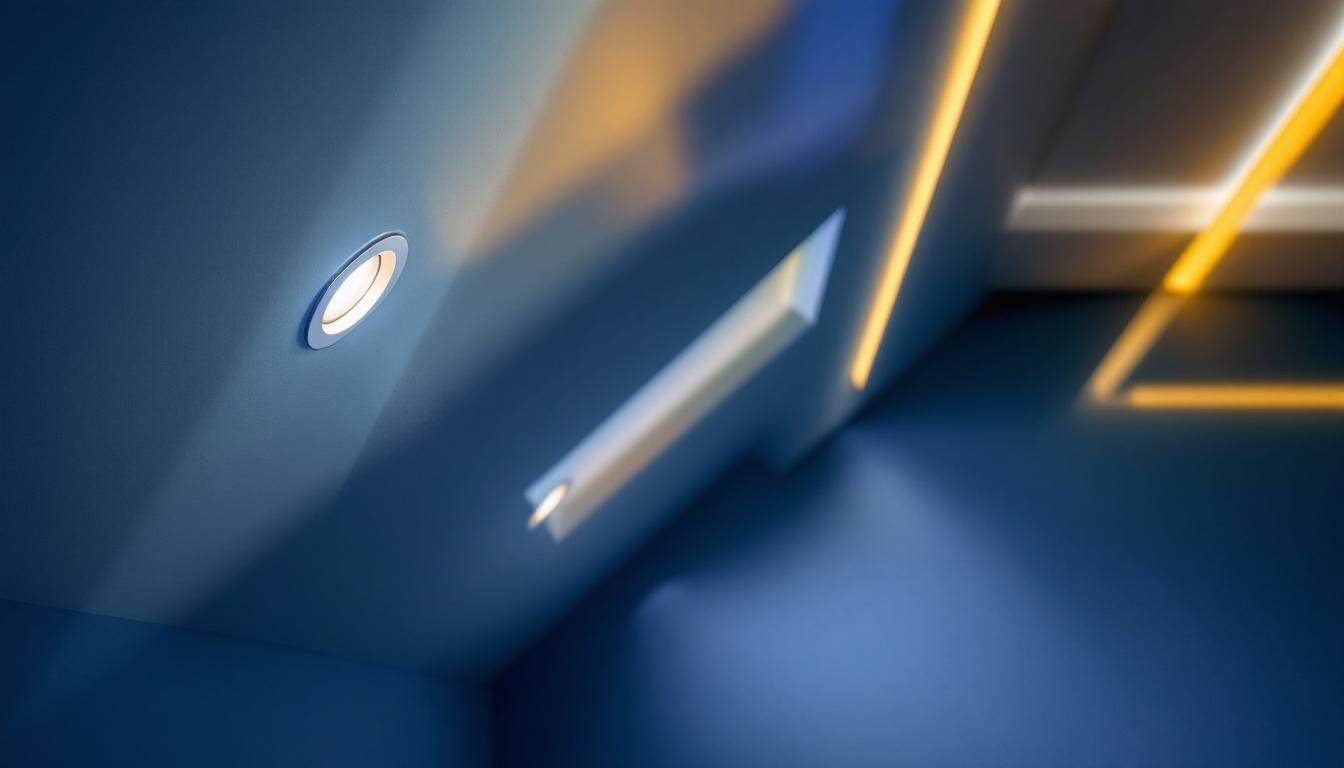
Sloped ceilings create a unique architectural feature that adds character and dimension to a space. However, when it comes to installing recessed lighting, these angled surfaces present a set of challenges that many lighting contractors underestimate. Unlike flat ceilings, sloped ceilings require careful planning and specialized equipment to achieve both functional and aesthetic lighting.
One of the primary difficulties is the alignment of the recessed fixtures. Standard recessed lights are designed for flat surfaces, so mounting them flush against an angled plane can cause the light to be misdirected or unevenly distributed. This often results in unwanted shadows or hotspots, detracting from the overall ambiance of the room.
Understanding the Geometry of the Slope
Before installation, it’s crucial to measure the angle of the ceiling accurately. Slopes can vary widely—from gentle pitches to steep cathedral ceilings—and each angle affects how light will disperse. Without accounting for the precise slope, lighting contractors risk installing fixtures that don’t illuminate the space effectively.
Additionally, the depth of the ceiling cavity plays a role. Recessed fixtures require enough clearance above the ceiling plane to house the housing and wiring safely. Sloped ceilings often have irregular cavity depths, which can limit fixture options or necessitate custom solutions.
Another consideration is the choice of bulb type and wattage. The angle of the ceiling can influence how much light is needed to achieve the desired brightness in the room. For instance, a steeper slope may require higher wattage or more powerful LED options to ensure adequate illumination. Furthermore, the color temperature of the bulbs can also affect the mood of the space; warmer tones may create a cozy atmosphere, while cooler tones can lend a more modern feel.
Moreover, the installation process itself can be more labor-intensive on sloped ceilings. Contractors may need to use ladders or scaffolding to reach higher areas safely, and this can complicate the installation timeline and increase costs. Proper safety measures must be taken to prevent accidents, especially when working at height. This added complexity can lead to a higher likelihood of errors, making it essential for contractors to have experience with such installations to ensure a seamless finish.
Choosing the Right Fixtures for Sloped Ceilings
Not all recessed lighting fixtures are created equal, especially when it comes to sloped ceilings. Contractors must select fixtures specifically designed or adaptable for angled installations to avoid common pitfalls.
Adjustable and Gimbal Fixtures
Adjustable recessed lights, often called gimbal trims, allow the light source to be tilted within the housing. This flexibility is invaluable on sloped ceilings because it enables the light to be directed straight down or toward a specific focal point, regardless of the ceiling angle.
When selecting these fixtures, check the maximum tilt angle and ensure it matches or exceeds the slope of the ceiling. Installing a fixture with insufficient tilt capability can result in poorly aimed lighting and uneven illumination. Additionally, consider the beam spread of the light; a narrow beam may be ideal for accentuating artwork or architectural features, while a wider beam can help illuminate larger areas effectively, ensuring that the entire space is well-lit and inviting.
Sloped Ceiling Housings
Another often overlooked aspect is the housing itself. Many manufacturers offer housings designed specifically for sloped ceilings, featuring adjustable mounting brackets that compensate for the angle. These housings make it easier to install the fixture flush with the ceiling surface and maintain proper alignment.
Using standard housings on a sloped ceiling can cause the trim to sit unevenly, leading to gaps, light leaks, or an unprofessional finish. Furthermore, the choice of housing can impact the overall aesthetic of the space. Opting for low-profile housings can create a sleek, modern look, while traditional options may lend a more classic feel. It’s also important to consider the insulation compatibility of the housings to ensure energy efficiency and prevent heat buildup, which can be particularly crucial in sloped ceiling installations where airflow may be restricted.
Electrical and Safety Considerations
Sloped ceilings can complicate the electrical installation process. Contractors need to be mindful of wiring routes, fixture placement, and compliance with electrical codes to ensure a safe and reliable setup. The unique angles and heights of sloped ceilings require a keen eye for detail and a thorough understanding of local building regulations, which can vary significantly from one area to another. This diligence not only ensures safety but also enhances the aesthetic appeal of the space, allowing for a seamless integration of lighting and electrical systems.
Access and Wiring Challenges
Accessing the ceiling cavity for wiring can be tricky when working with slopes, especially in tight attic spaces or vaulted ceilings. It’s important to plan the wiring path carefully to avoid damage to insulation or structural components. In many cases, contractors may need to utilize specialized tools or techniques to navigate these challenging spaces effectively. For example, using long-reach wire pullers or inspection cameras can help identify the best routes for wiring without compromising the integrity of the existing structure.
Using flexible conduit and adjustable mounting brackets can help navigate these challenges. Additionally, ensuring that junction boxes and connections are accessible for future maintenance is a best practice often overlooked in sloped ceiling installations. This foresight can save time and money down the line, as it allows for easier access during routine inspections or repairs. Furthermore, labeling wires and documenting the installation process can greatly assist any future contractors or homeowners who may need to work on the electrical system.
Heat Dissipation and Insulation Contact
Recessed lighting generates heat, and improper installation can lead to fire hazards, particularly when fixtures are in contact with insulation. Many sloped ceilings have limited clearance, increasing the risk of heat buildup. The design of the ceiling can also affect airflow, which is critical in dissipating heat generated by lighting fixtures. Therefore, it’s essential to consider the overall ventilation of the space when planning the installation.
Contractors should use IC-rated (Insulation Contact) fixtures designed to safely operate in contact with insulation. Verifying the fixture’s rating and following manufacturer guidelines is essential to prevent overheating and maintain compliance with safety standards. Additionally, exploring alternative lighting options, such as LED fixtures, can provide energy-efficient solutions that produce less heat and reduce the risk of fire hazards. These modern fixtures not only enhance safety but also offer a variety of design choices that can complement the unique architecture of sloped ceilings, allowing homeowners to achieve both functionality and style in their lighting design.
Design and Aesthetic Impact
Beyond functionality and safety, recessed lighting on sloped ceilings significantly influences the room’s atmosphere and visual appeal. Lighting contractors who overlook design principles may deliver a subpar result that fails to meet client expectations. The interplay of light and shadow created by recessed fixtures can transform a space, accentuating its architectural features and creating a dynamic visual experience. This is particularly important in rooms where the ceiling height varies, as the lighting can help to visually unify the space, making it feel more cohesive and inviting.
Spacing and Layout Strategies
Proper spacing of recessed fixtures is critical to achieving balanced illumination. On sloped ceilings, this becomes more complex because the angle affects how light spreads across the room. The orientation of the fixtures can also play a significant role in how light is distributed; for instance, fixtures angled towards walls can create a wash of light that enhances texture and color, while those directed towards the center of the room can foster a more open and airy feel.
A common rule of thumb is to space recessed lights about half the ceiling height apart on flat ceilings. For sloped ceilings, contractors should adjust spacing based on the slope angle and fixture beam spread to avoid dark spots or overly bright areas. Additionally, considering the room’s purpose is essential; for example, a home office may require more focused lighting compared to a living room, where softer, ambient light might be more appropriate.
Layering Light for Depth
Recessed lighting alone may not suffice to create depth and warmth in spaces with sloped ceilings. Combining recessed lights with wall sconces, pendant lights, or track lighting can enhance the room’s dimensionality and highlight architectural features. The strategic placement of these additional light sources can create a harmonious balance, allowing for a variety of lighting effects that cater to different activities and moods throughout the day.
Lighting contractors should collaborate with designers or homeowners to develop a layered lighting plan that complements the sloped ceiling’s character while providing adequate task and ambient lighting. This collaborative approach ensures that the final design not only meets functional needs but also resonates with the personal style of the homeowner. For instance, incorporating dimmable options can allow for flexibility in lighting intensity, making it easy to transition from bright task lighting during the day to a softer, more relaxing atmosphere in the evening. By thoughtfully considering these elements, the overall aesthetic impact of the space can be significantly enhanced, creating an inviting and visually stunning environment.
Common Mistakes and How to Avoid Them
Many contractors encounter recurring issues when installing recessed lighting on sloped ceilings. Recognizing these mistakes ahead of time can save time, money, and frustration.
Ignoring the Ceiling Angle During Planning
Failing to account for the slope angle during the design phase leads to improper fixture selection and placement. Always measure and document the ceiling pitch before ordering fixtures or beginning installation.
Using Non-Adjustable Fixtures
Standard recessed lights without adjustable trims often result in misdirected lighting on sloped ceilings. Prioritize adjustable or sloped ceiling-specific fixtures to ensure proper beam direction.
Overlooking Clearance and Housing Compatibility
Installing fixtures without verifying ceiling cavity depth and housing compatibility can cause installation headaches or unsafe conditions. Double-check these parameters before purchasing or installing fixtures.
Neglecting Heat Management
Using non-IC-rated fixtures or failing to maintain proper insulation clearance can lead to heat buildup and potential fire hazards. Always use IC-rated fixtures where insulation contact is likely and follow manufacturer recommendations.
Final Thoughts
Recessed lighting on sloped ceilings requires more than just standard installation techniques. Successful projects hinge on understanding the unique challenges posed by angled surfaces, selecting the right fixtures and housings, and adhering to electrical and safety standards.
Lighting contractors who take the time to plan meticulously and choose appropriate products will deliver lighting solutions that enhance both the function and beauty of spaces with sloped ceilings. Avoiding common oversights not only improves client satisfaction but also reinforces a contractor’s reputation for quality and expertise.
Illuminate Your Sloped Ceiling Projects with LumenWholesale
Ready to tackle your next sloped ceiling project with confidence? Choose LumenWholesale for an unbeatable selection of spec-grade recessed lighting fixtures designed to meet the unique challenges of angled surfaces. With our commitment to quality, affordability, and convenience, you’ll find the perfect lighting solutions to enhance both the functionality and beauty of any space. Take advantage of our wholesale prices, free shipping, and extensive selection to bring your lighting projects to life. Discover the value and performance that set us apart by visiting Wholesale Lighting at the Best Value today.