Understanding Lumens: The Foundation of Effective Flood Lighting
When selecting flood lights, lumens are the single most important specification to consider. Unlike watts, which measure energy consumption, lumens quantify the actual brightness emitted by a light source. For lighting contractors, knowing how many lumens a flood light produces is essential to designing installations that meet client expectations and safety standards.
For example, a 500-watt halogen flood light might produce around 8,000 lumens, while a 50-watt LED flood light can deliver the same brightness with significantly less energy. This efficiency difference is crucial when advising clients on long-term operational costs and environmental impact. Moreover, the longevity of LED lights, often rated for tens of thousands of hours, further enhances their appeal by reducing the frequency and cost of replacements, making them a smart investment for both residential and commercial applications.
Understanding lumen output helps contractors avoid under- or over-lighting an area. Too little light compromises visibility and security, while too much can cause glare and light pollution. The right lumen level creates a balanced, functional, and pleasant environment. Additionally, it is important to consider the specific application of the flood lights; for instance, outdoor sports fields may require higher lumen levels to ensure safety and performance during evening games, while residential patios might only need a softer glow to create an inviting atmosphere. This tailored approach not only enhances the usability of the space but also contributes to the aesthetic appeal, allowing for a harmonious blend between functionality and design.
Furthermore, the color temperature of the light, measured in Kelvins (K), plays a significant role in how lumens are perceived. Warmer temperatures (around 2700K to 3000K) create a cozy and inviting ambiance, ideal for residential settings, while cooler temperatures (5000K and above) can enhance visibility and alertness, making them suitable for security and commercial applications. By combining the right lumen output with the appropriate color temperature, contractors can create lighting solutions that not only meet practical needs but also enhance the overall experience of the space.
Decoding the Flood Light Lumens Chart
A flood light lumens chart is a practical tool that correlates wattage, bulb type, and lumen output. It serves as a quick reference to compare different lighting options and select the best fit for each project. Understanding this chart is essential for anyone involved in lighting design, whether for residential, commercial, or outdoor applications. By grasping the nuances of lumens and wattage, users can optimize their lighting choices to achieve the desired ambiance and functionality in any space.
Typical Lumen Outputs by Light Source
Different lighting technologies produce varying lumen outputs per watt. Here’s a breakdown:
- Incandescent bulbs: Approximately 10-17 lumens per watt.
- Halogen bulbs: Around 16-24 lumens per watt.
- Compact Fluorescent Lamps (CFLs): Roughly 35-60 lumens per watt.
- Light Emitting Diodes (LEDs): Typically 80-130 lumens per watt or higher.
This range shows why LEDs have become the preferred choice for flood lighting, offering high brightness with lower power consumption. Furthermore, LEDs have a longer lifespan compared to traditional bulbs, which translates into less frequent replacements and lower maintenance costs. This efficiency not only benefits the environment by reducing waste but also contributes to significant energy savings over time.
Sample Lumens Chart for Flood Lights
| Wattage |
Incandescent (Lumens) |
Halogen (Lumens) |
CFL (Lumens) |
LED (Lumens) |
| 50W |
500 – 850 |
800 – 1,200 |
1,750 – 3,000 |
4,000 – 6,500 |
| 100W |
1,000 – 1,700 |
1,600 – 2,400 |
3,500 – 6,000 |
8,000 – 13,000 |
| 150W |
1,500 – 2,550 |
2,400 – 3,600 |
5,250 – 9,000 |
12,000 – 19,500 |
| 200W |
2,000 – 3,400 |
3,200 – 4,800 |
7,000 – 12,000 |
16,000 – 26,000 |
Using this chart, contractors can quickly estimate the brightness level of a flood light based on its wattage and technology, enabling more informed decisions. This is particularly useful in large-scale projects where multiple flood lights are required, as it allows for precise calculations to ensure adequate illumination across expansive areas. Additionally, understanding the lumen output helps in achieving compliance with local lighting regulations, which often dictate minimum brightness levels for safety and security in public spaces.
Applying Lumens Data to Real-World Projects
Every project has unique lighting requirements. Lumens data must be contextualized to the environment, purpose, and client needs.
Security Lighting
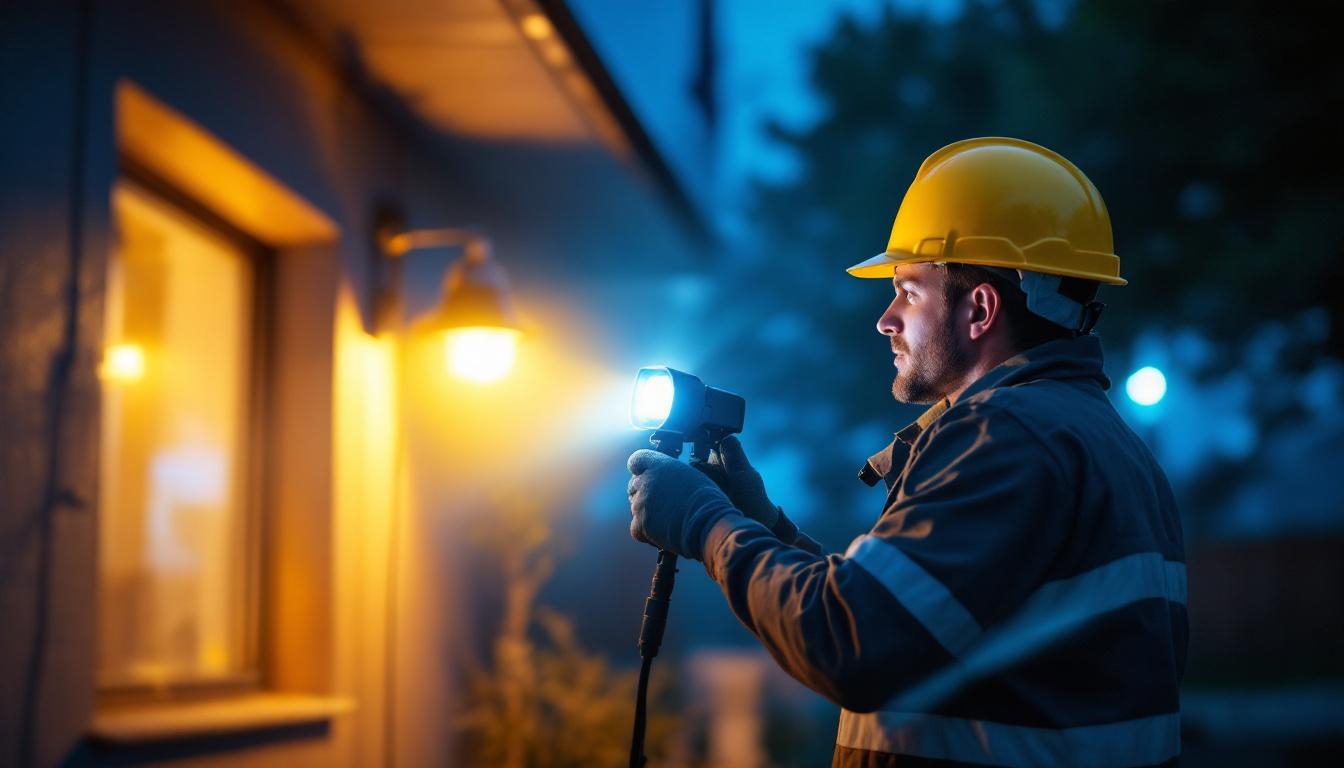
Security flood lights typically require higher lumen outputs to illuminate large areas and deter intruders. For residential driveways or backyards, 700 to 1,300 lumens per fixture is often sufficient. Commercial or industrial sites may demand 4,000 lumens or more per light, depending on the size and layout.
Contractors should also consider beam angle and mounting height. A narrow beam angle concentrates light, increasing brightness in a specific zone, while a wider angle covers more area at a lower intensity.
Landscape and Accent Lighting
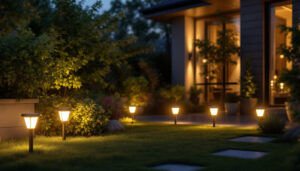
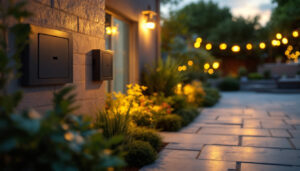
Flood lights used for landscaping or architectural accent lighting generally require lower lumen levels to avoid overpowering the scene. A range of 300 to 1,000 lumens is common for highlighting trees, statues, or building facades.
Choosing the right color temperature is equally important here. Warmer tones (2700K-3000K) create inviting atmospheres, while cooler tones (4000K-5000K) emphasize modern or industrial aesthetics.
Sports and Recreational Facilities
Lighting for sports fields or courts demands very high lumen outputs to ensure player safety and clear visibility. For example, a standard tennis court may require 1,000 to 2,000 lumens per fixture, while professional stadiums can exceed 30,000 lumens per light.
Uniformity and glare control are critical. Flood lights should be positioned and aimed to minimize shadows and prevent light spill into neighboring areas.
Energy Efficiency and Longevity: Why Lumens Matter Beyond Brightness
Clients increasingly prioritize energy savings and sustainability. Lumens per watt, or efficacy, is a key metric for assessing a flood light’s efficiency. Higher efficacy means more brightness for less energy.
LED flood lights often outperform traditional options by a wide margin. For instance, a 100-watt LED fixture producing 10,000 lumens is far more efficient than a 150-watt halogen light delivering 3,000 lumens. This translates into lower electricity bills and reduced carbon footprint.
Longevity is another factor. LEDs typically last 25,000 to 50,000 hours, significantly longer than halogen or incandescent lamps. This reduces maintenance frequency and costs-an important selling point for commercial clients.
Tips for Lighting Contractors: Maximizing the Impact of Lumens Charts
1. Customize Recommendations Based on Site Analysis
Don’t rely solely on charts. Visit the site, measure dimensions, and assess existing lighting conditions. Use lumens data as a baseline, then adjust based on practical factors like ambient light, surface reflectivity, and client preferences.
2. Educate Clients About Lumen vs. Wattage
Many clients still equate watts with brightness. Take time to explain the difference and why lumens provide a more accurate measure. Visual aids like lumens charts can help clients understand and appreciate the value of efficient lighting solutions.
3. Prioritize Quality and Certification
Choose flood lights with verified lumen outputs from reputable manufacturers. Look for certifications such as DLC (DesignLights Consortium) or ENERGY STAR, which ensure performance and energy efficiency standards are met.
4. Consider Color Rendering Index (CRI) Alongside Lumens
Brightness alone doesn’t guarantee quality lighting. CRI measures how accurately colors appear under a light source. For security and commercial applications, a CRI of 70 or higher is generally recommended. For retail or hospitality, aim for 80 or above to enhance visual appeal.
5. Factor in Beam Angle and Mounting Height
Lumens tell you how much light is emitted, but beam angle determines how that light spreads. A narrow beam focuses light, increasing intensity in a smaller area, while a wide beam disperses light over a larger surface. Adjust mounting height accordingly to achieve the desired coverage and brightness.
Common Pitfalls and How to Avoid Them
Overlooking Environmental Impact
Excessive brightness can cause light pollution, disturbing neighbors and wildlife. Use lumens charts to select flood lights that provide adequate illumination without unnecessary over-lighting.
Ignoring Maintenance and Replacement Costs
Choosing cheaper flood lights with lower lumen output might save upfront costs but lead to frequent replacements and higher energy bills. Factor in total cost of ownership when advising clients.
Neglecting Compatibility With Controls
Modern flood lights often integrate with motion sensors, timers, or smart controls. Verify that the chosen fixtures support these features and maintain their lumen output under dimming or control conditions.
Conclusion: Leveraging Lumens Charts for Superior Flood Lighting Solutions
For lighting contractors, mastering the use of flood light lumens charts is a game-changer. It empowers precise, efficient, and client-focused lighting designs that balance brightness, energy consumption, and aesthetics.
By combining technical knowledge with on-site evaluation and clear client communication, contractors can deliver lighting solutions that stand the test of time and satisfy even the most demanding applications.
Remember, lumens are more than numbers-they’re the key to illuminating spaces safely, beautifully, and sustainably.
Illuminate Your Projects with LumenWholesale
Ready to elevate your lighting projects with the best in spec-grade lighting products? Look no further than LumenWholesale, where we provide contractors with exceptional quality at wholesale prices that can’t be beaten. Say goodbye to local distributor markups and hello to a vast selection of reliable, high-performance lighting that meets the highest industry standards. With LumenWholesale, bulk buying is a breeze, and with free shipping, you’re guaranteed premium lighting solutions at the best value — all without hidden fees or compromises. Make your next project shine and experience Wholesale Lighting at the Best Value today!