Understanding the Landscape of LED Ceiling Lighting
LED lighting has transformed the way ceilings are illuminated, offering energy efficiency, longevity, and design flexibility that traditional lighting simply can’t match. For lighting contractors, mastering the different types of LED lights for ceilings is essential—not just to meet client expectations but to ensure installations are safe, effective, and visually appealing.
Choosing the right LED ceiling light goes beyond picking a fixture that looks good. It’s about understanding the space, the purpose of the lighting, and the technical aspects that affect performance. This knowledge helps avoid costly mistakes and rework, which can damage your reputation and profitability.
Why LED? The Benefits That Matter
LEDs consume up to 75% less energy than incandescent bulbs and last 25 times longer. For commercial and residential projects alike, this translates into significant savings and reduced maintenance. LEDs also offer superior color rendering and dimming capabilities, which are crucial for creating the right ambiance and functionality.
But not all LED ceiling lights are created equal. Different types serve different needs, and understanding these nuances is key to delivering a professional installation that satisfies both client and code requirements. For instance, recessed lighting is ideal for minimalist designs, providing a sleek look while maximizing ceiling height. On the other hand, pendant lights can serve as striking focal points in dining areas or kitchens, combining aesthetics with practicality. Furthermore, the advent of smart LED technology allows for remote control and programming, enabling users to adjust lighting according to their mood or activities seamlessly.
Another critical factor to consider is the color temperature of the LED lights, which can significantly influence the atmosphere of a space. Warmer tones (around 2700K to 3000K) are often preferred for cozy living areas, while cooler tones (above 4000K) are more suitable for workspaces as they promote alertness and productivity. Additionally, the placement and spacing of LED fixtures can greatly impact the distribution of light, ensuring that every corner of a room is adequately illuminated without harsh shadows or glare. By taking these elements into account, contractors can elevate their projects from mere installations to thoughtfully designed lighting solutions that enhance the overall experience of the space.
Main Types of LED Lights for Ceiling Installations
Lighting contractors typically encounter several common types of LED ceiling lights. Each has distinct features, installation methods, and ideal use cases.
1. LED Downlights (Recessed Lights)
LED downlights are among the most popular ceiling fixtures. Installed flush with the ceiling, they provide focused, directional light that’s perfect for general illumination or task lighting.
They come in various sizes, typically ranging from 2 to 6 inches in diameter. Their slim profile makes them ideal for ceilings with limited clearance. Many models are designed for retrofit installations, allowing contractors to replace existing halogen or incandescent cans without major modifications.
2. LED Panel Lights
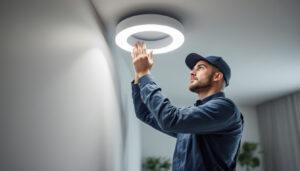
LED panel lights are flat, thin fixtures that distribute light evenly over a wide area. They are frequently used in commercial environments like offices, hospitals, and schools, where uniform lighting is critical.
These panels can be surface-mounted, recessed, or suspended, offering flexibility depending on ceiling type and aesthetic preferences. Their high lumen output and low glare make them a favorite for spaces requiring bright, consistent illumination.
3. LED Strip Lights
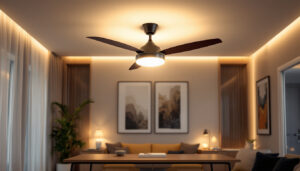
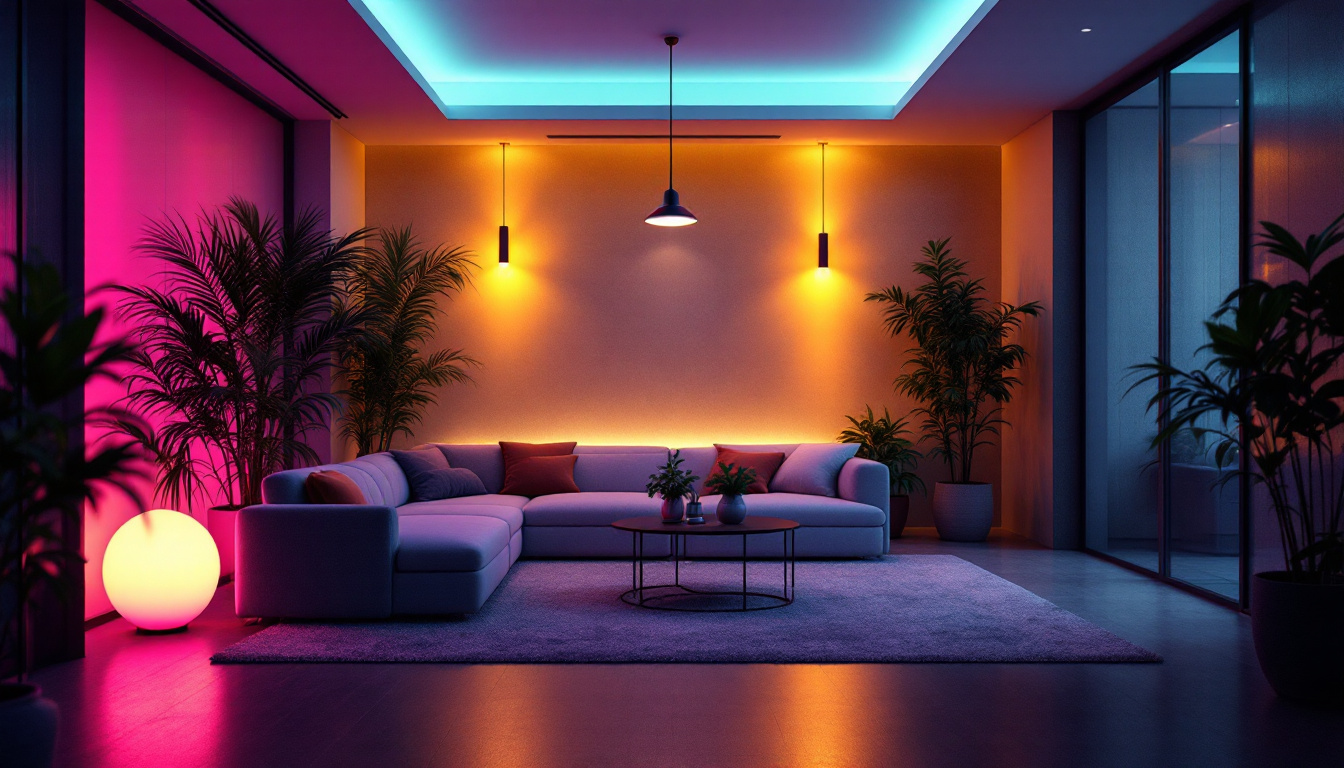
LED strip lights are flexible circuit boards populated with LEDs. They are often used for accent lighting, coves, or under cabinets, but increasingly, contractors are integrating them into ceiling designs for indirect or decorative lighting effects.
Strips can be cut to length and installed in tight or curved spaces, making them highly versatile. However, proper power supply and heat management are critical to ensure longevity and performance.
4. LED Troffers
Troffers are rectangular or square fixtures designed to fit into suspended ceiling grids. They are common in commercial settings and can replace traditional fluorescent fixtures with more efficient, longer-lasting LED alternatives.
LED troffers offer excellent light distribution and come in various color temperatures to suit different environments. Their modular design simplifies installation and maintenance.
5. Surface-Mounted LED Fixtures
Surface-mounted LED fixtures attach directly to the ceiling surface, making them suitable for spaces without recessed housing or where ceiling depth is insufficient for downlights.
They range from simple round or square fixtures to decorative designs that serve as focal points. Their ease of installation makes them a practical choice for retrofit projects or rooms with limited ceiling access.
The Do’s for Lighting Contractors When Installing LED Ceiling Lights
Do Assess the Space and Lighting Requirements Thoroughly
Before selecting any LED ceiling light, evaluate the room’s purpose, size, ceiling height, and existing electrical infrastructure. Different spaces demand different lighting levels and qualities. For example, a kitchen requires bright, focused lighting, while a living room benefits from softer, ambient light.
Consider the client’s preferences and any applicable building codes or energy standards. This upfront assessment prevents costly changes down the line and ensures the lighting solution fits the space perfectly.
Do Choose the Right Color Temperature
Color temperature, measured in Kelvins (K), affects the mood and functionality of a room. Warm white (2700K–3000K) creates a cozy atmosphere, ideal for residential spaces. Neutral white (3500K–4100K) suits workspaces and retail settings. Cool white (5000K–6500K) mimics daylight and is often used in hospitals or industrial areas.
Consult with clients about their preferences and the intended use of the space. Installing the wrong color temperature can lead to dissatisfaction and additional costs for replacements.
Do Verify Compatibility with Dimmers and Controls
Many clients want dimmable LED ceiling lights for adjustable ambiance and energy savings. Not all LED fixtures are compatible with every dimmer switch. Using incompatible dimmers can cause flickering, buzzing, or reduced lifespan.
Always check manufacturer specifications and test dimming functionality before final installation. Where possible, recommend LED-compatible dimmers and smart lighting controls to enhance user experience.
Do Prioritize Proper Heat Management
LEDs generate less heat than traditional bulbs, but they still produce some heat that must be dissipated to maintain performance and longevity. Fixtures with poor heat sinks or inadequate ventilation can fail prematurely.
Ensure that the selected LED ceiling lights have appropriate thermal management features. Avoid installing fixtures in enclosed or poorly ventilated spaces unless they are rated for such conditions.
Do Follow Electrical Codes and Safety Standards
Adhering to local electrical codes and safety standards is non-negotiable. This includes using the correct wiring, connectors, and protective devices. Improper installation can lead to electrical hazards, void warranties, and result in failed inspections.
Stay updated on code changes and manufacturer guidelines. Proper documentation and certification can protect you and your clients in case of disputes or insurance claims.
The Don’ts for Lighting Contractors When Working with LED Ceiling Lights
Don’t Overload Circuits or Use Undersized Wiring
LEDs draw less current than traditional lighting, but it’s still critical to ensure circuits and wiring are sized appropriately. Overloading circuits can cause tripped breakers or fire hazards.
Calculate the total wattage and amperage of the LED fixtures and compare it with the circuit capacity. Use wiring that meets or exceeds code requirements to maintain safety and reliability.
Don’t Ignore the Importance of Beam Angle
The beam angle determines how light is distributed from the fixture. Narrow beam angles (15°–30°) focus light on a small area, suitable for accent or task lighting. Wide beam angles (60°–120°) spread light broadly for general illumination.
Installing the wrong beam angle can create uneven lighting, glare, or dark spots. Match the beam angle to the lighting purpose and ceiling height for optimal results.
Don’t Neglect Proper Fixture Placement and Spacing
Even the best LED ceiling lights won’t perform well if placed incorrectly. Too close together, they can cause glare and wasted energy. Too far apart, and the space may have dark zones.
Follow manufacturer spacing guidelines and use lighting design tools or software to plan fixture layouts. Take ceiling height, room dimensions, and reflective surfaces into account.
Don’t Overlook Maintenance Accessibility
LEDs require less maintenance than traditional bulbs, but fixtures still need occasional cleaning and inspection. Installing fixtures in hard-to-reach areas can complicate maintenance and increase costs.
Plan installations with accessibility in mind, especially in commercial or industrial settings. Surface-mounted or modular fixtures can simplify future servicing.
Don’t Use Low-Quality or Uncertified LED Products
Cutting corners on LED quality can lead to poor light output, color inconsistency, early failure, and safety risks. Always source fixtures from reputable manufacturers with proper certifications such as UL, ETL, or CE.
High-quality LEDs may cost more upfront but save money over time by reducing callbacks, warranty claims, and client dissatisfaction.
Advanced Tips for Lighting Contractors
Integrate Smart Lighting Solutions
Smart LEDs offer remote control, scheduling, color tuning, and energy monitoring. Clients increasingly expect these features in modern lighting systems.
Familiarize yourself with popular smart lighting protocols like Zigbee, Z-Wave, and Wi-Fi. Offering smart LED ceiling lights can differentiate your services and add value.
Consider Daylight Harvesting and Occupancy Sensors
Incorporating sensors that adjust LED output based on natural light availability or room occupancy can optimize energy savings and extend fixture life.
These technologies require precise installation and calibration but can greatly enhance the efficiency and functionality of ceiling lighting systems.
Stay Updated on LED Technology Trends
The LED lighting industry evolves rapidly. New advancements in chip efficiency, optics, and materials continually improve performance and design options.
Regular training and manufacturer workshops help contractors stay ahead, ensuring clients receive the best solutions available.
Conclusion: Mastering LED Ceiling Lighting for Success
LED ceiling lighting offers tremendous opportunities for lighting contractors to deliver energy-efficient, durable, and aesthetically pleasing solutions. Understanding the types of LED lights available, their applications, and the critical installation do’s and don’ts is vital.
By carefully assessing each project, selecting appropriate fixtures, respecting electrical and safety standards, and embracing new technologies, contractors can build a reputation for quality and reliability. This expertise not only satisfies clients but also drives business growth in a competitive market.
Get Your Premium LED Ceiling Lights at LumenWholesale
Ready to elevate your lighting projects with the highest quality LED ceiling lights? Look no further than LumenWholesale, where we provide contractors with spec-grade lighting products at unbeatable wholesale prices. Say goodbye to local distributor markups and hello to a vast selection of reliable, high-performance lighting that meets the most stringent industry standards. Plus, with free shipping on bulk orders, you can stock up on premium lighting solutions at the best value — all without hidden fees or compromises. Don’t miss out on the perfect blend of quality, affordability, and convenience. Visit LumenWholesale now for Wholesale Lighting at the Best Value and transform your lighting installations today.