As lighting contractors, understanding the various sizes of light bulbs is crucial for ensuring that installations meet both aesthetic and functional requirements. The right bulb size not only affects the overall look of a space but also influences energy efficiency, brightness, and compatibility with fixtures. This guide will delve into the standard light bulb sizes, helping contractors make informed decisions for their projects.
Understanding Light Bulb Sizes
Light bulbs come in a variety of shapes and sizes, each designed for specific applications. The size of a light bulb is typically denoted by a code that indicates its diameter and shape. Familiarity with these codes is essential for selecting the appropriate bulb for any given fixture.
Common Light Bulb Types
There are several common types of light bulbs that contractors frequently encounter. These include incandescent, LED, CFL (compact fluorescent), and halogen bulbs. Each type has its own advantages and disadvantages, making it important to understand their respective sizes and applications.
Incandescent bulbs, for example, are known for their warm light and traditional appearance, often found in residential settings. LED bulbs, on the other hand, are rapidly gaining popularity due to their energy efficiency and longevity, making them a preferred choice for both residential and commercial applications. Additionally, LED bulbs emit less heat compared to incandescent bulbs, which can contribute to a reduction in cooling costs during warmer months. This energy efficiency not only benefits the environment but also translates into significant savings on electricity bills over time.
Bulb Size Codes Explained
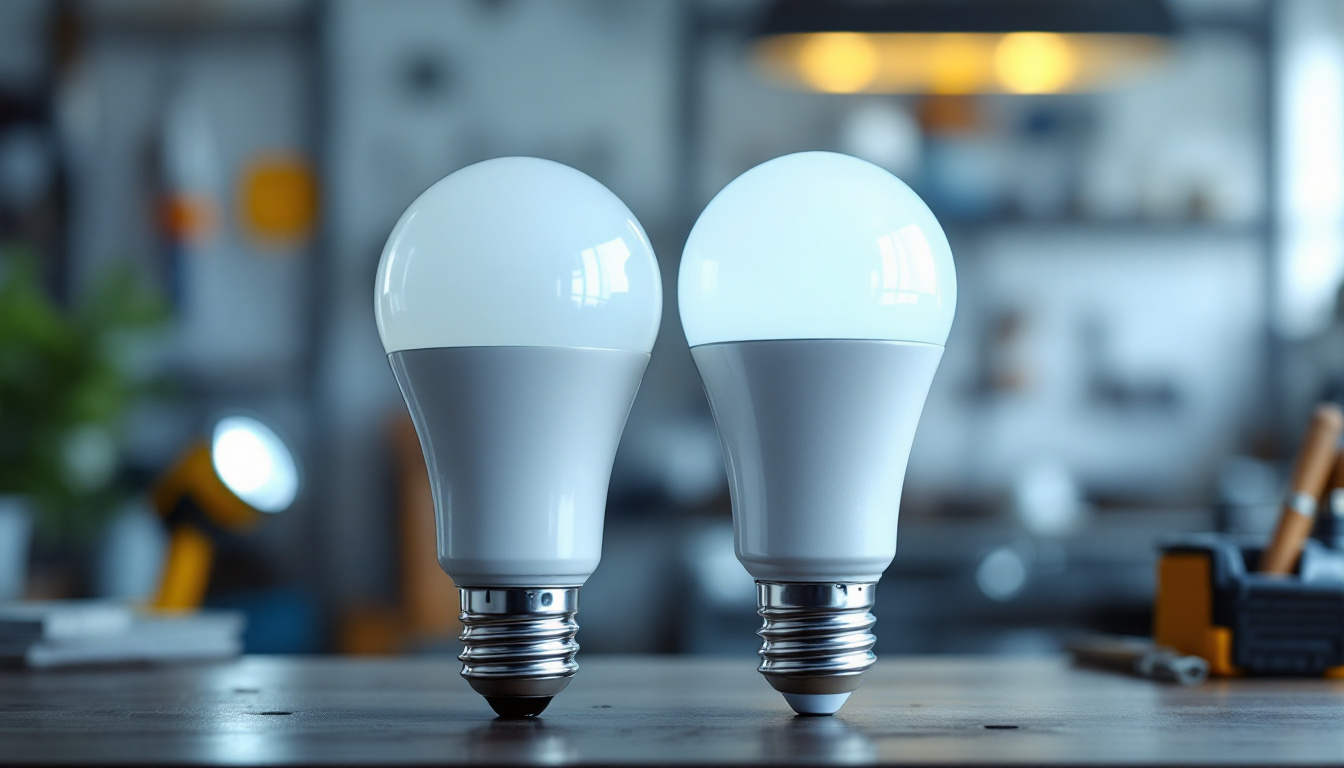
Light bulb sizes are usually represented by a code that indicates the diameter of the bulb in eighths of an inch. For example, a bulb labeled as “A19” has a diameter of 19 eighths of an inch, which translates to approximately 2.375 inches. Understanding these codes helps contractors select the right bulbs for their fixtures.
In addition to the diameter, the shape of the bulb is also indicated in the code. Common shapes include A (arbitrary), B (bulged), C (candle), and PAR (parabolic aluminized reflector). Each shape serves different lighting needs and fixture designs, making it essential for contractors to be familiar with them. For instance, the B shape is often used in decorative fixtures, providing a soft glow that enhances ambiance, while PAR bulbs are designed for directional lighting, making them ideal for recessed lighting and outdoor applications. Furthermore, some bulbs are designed with specific bases, such as the standard E26 or the smaller E12, which also affects compatibility with fixtures and the overall aesthetic of the lighting design.
Standard Bulb Sizes for Common Applications
Different applications require different bulb sizes. Understanding which sizes are standard for various settings can help contractors streamline their installation processes and ensure compatibility with existing fixtures.
Residential Lighting
In residential settings, A19 bulbs are the most commonly used size. These bulbs are ideal for table lamps, ceiling fixtures, and sconces, providing a warm and inviting glow that enhances the home environment. Other popular sizes in residential lighting include A15 and A21, which are often used in smaller fixtures or for more intense lighting needs, respectively.
For decorative purposes, contractors may also encounter candelabra bulbs (B10) and globe bulbs (G25). These sizes are frequently used in chandeliers and bathroom vanities, adding a touch of elegance to the overall design. Additionally, LED versions of these bulbs are becoming increasingly popular due to their energy efficiency and longevity, allowing homeowners to reduce their energy bills while still enjoying beautiful lighting. The versatility of these bulbs also means they can be found in various color temperatures, from warm white to cool daylight, enabling homeowners to create the perfect ambiance for any occasion.
Commercial Lighting
In commercial spaces, the choice of bulb size can vary significantly based on the type of business and its lighting requirements. For example, PAR38 bulbs are commonly used in retail environments for spotlighting products, while T8 and T5 fluorescent tubes are prevalent in office settings due to their efficiency and ability to provide uniform lighting.
High bay fixtures often utilize HID (high-intensity discharge) bulbs, which come in various sizes and wattages. Understanding the specific needs of a commercial space can guide contractors in selecting the appropriate bulb size for optimal performance. Moreover, the trend towards smart lighting solutions is influencing commercial lighting choices, with many businesses opting for integrated systems that allow for remote control and automation. This shift not only enhances energy efficiency but also provides the flexibility to adjust lighting based on the time of day or specific activities, further improving the functionality of the space. As technology advances, the integration of sensors and smart controls is becoming a vital consideration in the selection of bulb sizes and types for commercial applications.
Choosing the Right Bulb Size
Selecting the right bulb size involves considering several factors, including the fixture type, the desired brightness, and the overall aesthetic of the space. Contractors must also take into account energy efficiency and longevity, as these factors can significantly impact the overall cost of ownership.
Fixture Compatibility
Before choosing a bulb size, it is essential to assess the compatibility with the existing fixtures. Some fixtures are designed for specific bulb types and sizes, and using the wrong bulb can lead to poor performance or even damage. Always check the fixture’s specifications to ensure the selected bulb will fit properly.
Additionally, some fixtures may have restrictions on the wattage of the bulbs used. It is crucial to adhere to these guidelines to avoid safety hazards and ensure optimal performance.
Brightness and Lumens
Brightness is another critical factor when selecting a bulb size. The amount of light produced by a bulb is measured in lumens, and different sizes will yield varying lumen outputs. For instance, a standard A19 bulb typically produces around 800 lumens, while a PAR38 bulb can produce over 1,000 lumens, making it suitable for applications requiring more intense lighting.
Contractors should consider the intended use of the space when determining the necessary brightness. For areas like kitchens or workspaces, higher lumen outputs may be required, while softer lighting may be more appropriate for living rooms or bedrooms.
Energy Efficiency Considerations
Energy efficiency is a key consideration for lighting contractors, especially in today’s environmentally conscious market. Choosing the right bulb size can significantly impact energy consumption and overall costs.
LED vs. Traditional Bulbs
LED bulbs have emerged as a popular choice due to their energy efficiency and long lifespan. While the initial cost may be higher than traditional incandescent bulbs, the long-term savings on energy bills often make them the more economical choice. For instance, an LED bulb can last up to 25,000 hours, compared to just 1,000 hours for an incandescent bulb.
When selecting LED bulbs, contractors should be aware of the equivalent wattage. For example, a 10-watt LED bulb can produce the same light output as a 60-watt incandescent bulb, allowing for significant energy savings without sacrificing brightness.
Understanding Energy Star Ratings
Energy Star ratings provide valuable information about a bulb’s energy efficiency. Bulbs that meet Energy Star criteria are tested for performance and efficiency, ensuring they consume less energy while providing adequate lighting. Contractors should look for this certification when selecting bulbs for projects, as it can help clients save money on energy costs and reduce their environmental footprint.
Future Trends in Light Bulb Sizes
The lighting industry is continually evolving, with new technologies and designs emerging regularly. Staying informed about these trends can help contractors make better choices for their projects and stay ahead of the competition.
Smart Lighting Solutions
Smart lighting solutions are becoming increasingly popular, allowing users to control their lighting through mobile apps or voice-activated devices. These systems often utilize LED technology and may come in various sizes to fit different fixtures. Understanding the compatibility of smart bulbs with existing systems is essential for successful installations.
As smart lighting technology advances, contractors may find themselves needing to adapt to new bulb sizes and types that cater to these innovative solutions. Keeping abreast of the latest developments in smart lighting can provide a competitive edge in the market.
Advancements in LED Technology
Advancements in LED technology continue to enhance the performance and versatility of light bulbs. New designs are being developed that offer improved color rendering, dimmability, and energy efficiency. Contractors should stay informed about these advancements to provide clients with the best options available.
As LED technology becomes more sophisticated, the range of available sizes and shapes is also expanding. This flexibility allows contractors to meet diverse lighting needs across various applications, from residential to commercial settings.
Conclusion
Understanding standard light bulb sizes is essential for lighting contractors aiming to deliver high-quality installations. By familiarizing themselves with the various types, sizes, and applications of light bulbs, contractors can make informed choices that enhance both the functionality and aesthetics of their projects.
From residential to commercial lighting, the right bulb size can make a significant difference in energy efficiency, brightness, and overall satisfaction. As the industry continues to evolve, staying updated on the latest trends and technologies will ensure that contractors remain competitive and capable of meeting their clients’ needs.
In conclusion, whether working on a small home renovation or a large commercial project, understanding light bulb sizes is a fundamental aspect of a contractor’s expertise. By prioritizing this knowledge, contractors can ensure successful lighting solutions that stand the test of time.
Illuminate Your Projects with LumenWholesale
Ready to take your lighting installations to the next level? At LumenWholesale, we provide lighting contractors with the highest quality, spec-grade lighting products at prices that can’t be beaten. Say goodbye to local distributor markups and hello to a vast selection of reliable, high-performance lighting that meets the most stringent industry standards. With free shipping on bulk orders, you can stock up on premium lighting solutions without worrying about hidden fees. Elevate your projects with the perfect combination of quality, affordability, and convenience. Discover the best value in wholesale lighting by visiting Wholesale Lighting at the Best Value today.