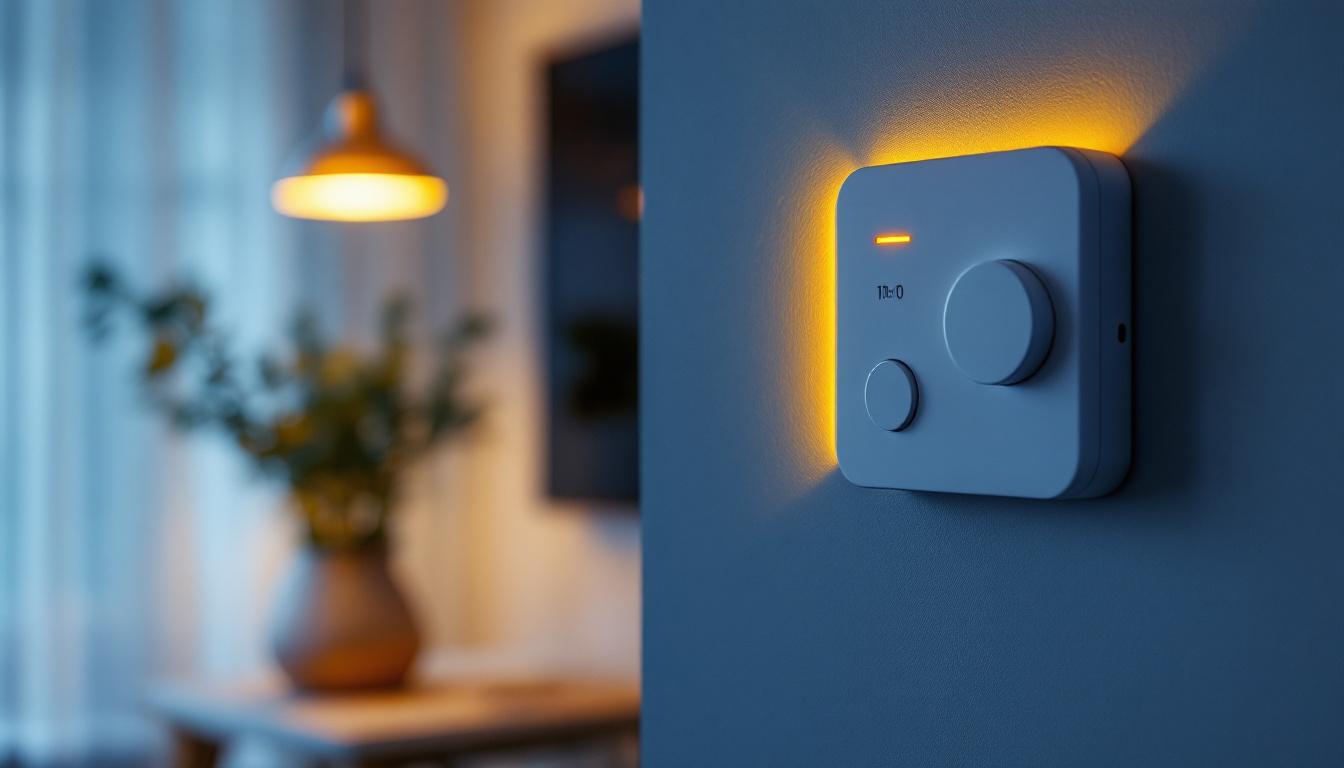
What Is a Programmable Wall Switch Timer?
A programmable wall switch timer is a device designed to automate lighting control by turning lights on or off at preset times. Unlike traditional switches that require manual operation, these timers offer precise scheduling capabilities, enabling users to tailor lighting patterns to their specific needs. For lighting contractors, understanding these devices is essential because they combine convenience, energy efficiency, and enhanced security features into one compact solution.
These timers are typically installed directly into the electrical box, replacing standard wall switches. They connect to the existing wiring and can control a range of lighting types, including incandescent, LED, and CFL bulbs. The programming interface varies from simple dial-based models to advanced digital touchscreens or smartphone apps, allowing for flexible control options.
In addition to their primary function of controlling lighting, programmable wall switch timers can also contribute significantly to energy savings. By allowing users to set specific times for lights to turn off when not needed, these devices can reduce electricity consumption, leading to lower utility bills. Many models also feature a randomization function, which can turn lights on and off at slightly different times, simulating occupancy and enhancing home security by deterring potential intruders.
Moreover, the versatility of programmable wall switch timers extends beyond indoor lighting. Many outdoor models are available, designed to withstand various weather conditions while providing the same level of automation and scheduling. This can be particularly useful for landscape lighting, holiday decorations, or security lights, ensuring that your property is well-lit at all times without the need for manual intervention. As smart home technology continues to evolve, some timers can even integrate with home automation systems, allowing users to control their lighting remotely or set up complex schedules that work in conjunction with other smart devices, such as thermostats and security cameras.
Why Programmable Wall Switch Timers Matter for Lighting Contractors
Lighting contractors play a pivotal role in integrating programmable timers into residential, commercial, and industrial projects. These devices not only improve client satisfaction by offering smart lighting solutions but also help meet energy-saving regulations and green building standards.
From a contractor’s perspective, programmable timers reduce callbacks by minimizing user error-once programmed, the system operates reliably without manual intervention. They also add value to installations by enhancing the overall functionality of lighting systems, making them a selling point for clients interested in smart home or office automation.
Energy Efficiency and Cost Savings
Lighting accounts for a significant portion of electricity consumption in buildings. By scheduling lights to operate only when needed, programmable timers can reduce wasted energy. This is particularly important in commercial settings such as offices, warehouses, and retail spaces where lights might otherwise remain on after hours.
For contractors, recommending and installing these timers can help clients lower utility bills and comply with energy codes, such as those outlined in the International Energy Conservation Code (IECC). This not only benefits the environment but also positions contractors as knowledgeable professionals who prioritize sustainable solutions.
Security and Convenience
Automated lighting enhances security by simulating occupancy when buildings are empty. Programmable timers can be set to turn lights on and off at varying times, deterring potential intruders. This feature is especially valuable for residential clients and businesses concerned about break-ins.
Additionally, convenience is a major selling point. Clients appreciate the ability to automate lighting without needing complex systems or continuous manual control. For contractors, this means fewer troubleshooting calls and higher client satisfaction.
Types of Programmable Wall Switch Timers
Not all programmable timers are created equal. Lighting contractors should be familiar with the main types available on the market to recommend the best fit for each project.
Mechanical Timers
Mechanical timers use a dial or wheel that rotates to set on/off intervals. They are straightforward and cost-effective but offer limited programming flexibility. Typically, they allow for 24-hour cycles with fixed increments, such as 15 or 30 minutes.
While less common in modern installations, mechanical timers are still useful for simple applications or clients seeking a budget-friendly option. Their durability and ease of use make them a reliable choice in certain scenarios.
Digital Timers
Digital timers provide more precise control and multiple programming options. They often feature LCD screens and buttons or touchpads for setting daily or weekly schedules. Some models allow for multiple on/off events per day, accommodating complex lighting needs.
These timers are popular in both residential and commercial projects because they balance cost with functionality. They can support various load types and often include backup batteries to retain settings during power outages.
Smart Timers with Wi-Fi or Bluetooth Connectivity
Smart timers integrate with home automation systems and can be controlled remotely via smartphone apps. They may connect to voice assistants like Amazon Alexa or Google Assistant, offering hands-free operation. These devices often include features such as geofencing, which adjusts lighting based on the user’s location.
For lighting contractors, smart timers represent the cutting edge of lighting control technology. They require a slightly different installation approach and may involve network configuration, but they provide clients with unmatched convenience and customization.
Key Features to Consider When Selecting a Programmable Wall Switch Timer
Choosing the right timer involves evaluating several factors to ensure compatibility and functionality.
Load Compatibility
Not all timers support every type of lighting load. Contractors must verify that the timer can handle the wattage and bulb type used in the project. For example, LED and CFL bulbs require timers designed to handle low-wattage loads to prevent flickering or failure.
Programming Flexibility
Depending on the client’s needs, the ability to program multiple on/off events, set different schedules for weekdays and weekends, or customize seasonal adjustments can be critical. Some timers offer holiday modes or randomization features to enhance security.
Power Requirements and Installation
Many programmable timers require a neutral wire for installation, which may not be present in older homes. Contractors should assess the wiring setup before recommending a device. Additionally, the physical size of the timer must fit within the existing electrical box.
Backup Power
Timers with battery backup retain programming during power outages, preventing the need for reprogramming. This feature is valuable in areas prone to electrical interruptions.
User Interface and Ease of Use
Clients vary in their comfort with technology. Some prefer simple dial-based controls, while others want app integration. Contractors should match the timer’s interface to the client’s preferences to ensure satisfaction.
Installation Best Practices for Lighting Contractors
Proper installation is crucial for the reliable operation of programmable wall switch timers. Lighting contractors should follow these guidelines to avoid common pitfalls.
Verify Electrical Compatibility
Before installation, confirm that the timer is rated for the circuit voltage and load type. Check for the presence of a neutral wire and ensure the electrical box has sufficient space.
Turn Off Power and Follow Safety Protocols
Always switch off the circuit breaker before working on wiring. Use a voltage tester to confirm power is off. Adhere to local electrical codes and standards to maintain safety and compliance.
Follow Manufacturer Instructions
Each timer model has specific wiring and programming instructions. Carefully follow these guidelines to prevent damage and ensure proper function. Some timers require a minimum load to operate correctly; if the load is too low, consider adding a bypass device.
Test the Timer Thoroughly
After installation, program the timer according to the client’s schedule and test all functions. Verify that lights turn on and off at the correct times and that any additional features, such as random mode or holiday settings, work as expected.
Educate the Client
Provide clear instructions on how to adjust the timer settings if needed. For smart timers, assist with app setup and connectivity. A well-informed client is less likely to experience frustration and more likely to appreciate the value of the installation.
Common Challenges and Troubleshooting Tips
Even with careful installation, programmable wall switch timers can encounter issues. Lighting contractors should be prepared to diagnose and resolve common problems efficiently.
Timer Not Keeping Time or Resetting
This often indicates a dead or missing backup battery. Replacing the battery or confirming its presence can resolve the issue. In some cases, power surges or wiring problems cause resets.
Lights Flickering or Not Turning On
Incompatible loads, such as certain LED bulbs, can cause flickering. Verify that the timer supports the bulb type and wattage. Loose wiring connections or insufficient load can also be culprits.
Timer Won’t Program Correctly
Complex programming interfaces can confuse users. Double-check the instructions and reset the timer if necessary. For smart timers, ensure the device is connected to the network and the app is updated.
Physical Fit and Installation Issues
Some timers are bulkier than standard switches and may not fit in shallow electrical boxes. Verify dimensions before purchase. Additionally, missing neutral wires require alternative solutions, such as battery-operated timers or rewiring.
Future Trends in Programmable Wall Switch Timers
Lighting control technology continues to evolve rapidly. Contractors should stay informed about emerging trends to offer the best solutions.
Integration with Smart Home Ecosystems
Increasingly, timers are becoming part of larger smart home networks, communicating with sensors, cameras, and HVAC systems. This integration allows for more intelligent automation based on occupancy, daylight levels, and user behavior.
Voice Control and AI
Voice assistants are becoming standard features in smart timers, enabling hands-free operation. Artificial intelligence may soon predict lighting needs based on patterns and adjust schedules automatically.
Energy Monitoring and Reporting
Advanced timers can provide real-time energy consumption data, helping clients monitor usage and identify savings opportunities. This feature aligns with growing demand for sustainability and transparency.
Conclusion: Maximizing Value with Programmable Wall Switch Timers
For lighting contractors, programmable wall switch timers represent a powerful tool to enhance lighting systems. They offer energy savings, security benefits, and convenience that clients increasingly expect. Understanding the types, features, installation requirements, and troubleshooting methods ensures successful projects and satisfied customers.
By staying current with technology trends and selecting the right timer for each application, contractors can differentiate their services and contribute to smarter, more efficient lighting solutions.
Upgrade Your Lighting Projects with LumenWholesale
Ready to elevate your lighting installations with the efficiency and sophistication of programmable wall switch timers? Look no further than LumenWholesale for all your lighting needs. We provide contractors with the highest quality, spec-grade lighting products at unbeatable wholesale prices. With LumenWholesale, you’ll enjoy the benefits of cutting out the middleman, gaining access to superior products without the inflated markups. Our extensive selection is designed to meet the highest industry standards, ensuring every project shines with reliability and high performance. Plus, with the convenience of free shipping on bulk orders, you can stock up on premium lighting solutions at the best value — without any hidden fees. Don’t compromise on quality or cost. Wholesale Lighting at the Best Value is just a click away. Experience the LumenWholesale difference today!