Understanding the Importance of Recessed Bar Lighting
Recessed lighting in bars is more than just a design choice-it’s a strategic tool that shapes the atmosphere, highlights key areas, and enhances customer experience. For lighting contractors, mastering recessed bar lighting means delivering solutions that balance aesthetics, functionality, and energy efficiency. Training your team to understand these nuances ensures installations that meet client expectations and elevate your reputation.
Bars rely heavily on mood and ambiance. Lighting sets the tone, whether it’s a cozy, intimate lounge or a vibrant, energetic nightclub. Recessed lighting offers a sleek, unobtrusive way to illuminate spaces without cluttering the ceiling or distracting from the décor. But it’s not as simple as installing a few downlights; the placement, color temperature, beam angle, and dimming controls all play critical roles.
Moreover, the versatility of recessed lighting allows bar owners to create distinct zones within a single space. For instance, a bar might utilize warmer tones and lower intensity in seating areas to foster conversation and relaxation, while brighter, cooler lights can be directed toward the bar itself to draw attention and create a lively focal point. This strategic layering of light not only enhances the visual appeal but also guides patrons through the space, subtly influencing their movement and interactions throughout the evening.
In addition to aesthetic considerations, energy efficiency is a crucial aspect of recessed bar lighting. With the rise of LED technology, bars can achieve stunning visual effects while significantly reducing energy consumption. This not only lowers operating costs but also aligns with sustainability goals that many establishments are now prioritizing. Incorporating smart lighting controls can further enhance this efficiency, allowing bar owners to adjust lighting levels based on the time of day or occupancy, ensuring that every dollar spent on energy contributes to the desired ambiance without unnecessary waste.
Key Concepts Your Team Must Master
Light Layering and Zoning
Effective recessed bar lighting involves layering different types of light to create depth and interest. Ambient lighting provides overall illumination, task lighting focuses on specific areas like the bar counter, and accent lighting highlights architectural features or artwork. Training your team to think in zones ensures each area gets the right amount of light without glare or shadows.
For example, the bar countertop often requires brighter task lighting to aid bartenders in mixing drinks, while seating areas benefit from softer ambient light to encourage relaxation. Teaching your team to analyze the space and plan accordingly will prevent common mistakes such as over-lighting or uneven brightness. Additionally, incorporating dimmable options can enhance the versatility of the lighting scheme, allowing the atmosphere to shift from lively and energetic during peak hours to intimate and cozy during quieter times. Understanding how to balance these elements will empower your team to create a dynamic environment that caters to the varying moods of patrons throughout the day.
Choosing the Right Fixtures and Bulbs
Not all recessed fixtures are created equal. Your team should understand the differences between trims, baffles, and adjustable gimbals, and when to use each. Baffle trims reduce glare, which is crucial in bars where patrons want comfort. Adjustable trims allow for directional lighting, perfect for highlighting bottles or décor.
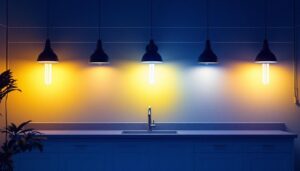
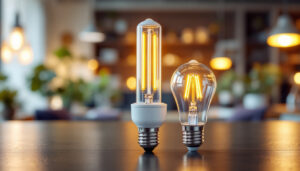
Equally important is the choice of bulbs. LED technology dominates the market due to its longevity and energy efficiency. Color temperature is a critical consideration—warmer tones (2700K to 3000K) generally create a welcoming atmosphere, while cooler tones can feel sterile. Training your team to select bulbs that complement the bar’s style and function will improve client satisfaction. Furthermore, understanding the color rendering index (CRI) is vital, as higher CRI ratings ensure that colors appear more vibrant and true to life, enhancing the visual appeal of drinks and décor alike. This knowledge will not only elevate the aesthetic quality of the bar but also contribute to a more engaging experience for guests.
Energy Efficiency and Controls
Bars often operate long hours, so energy-efficient lighting can significantly reduce operational costs. Teaching your team about LED drivers, dimmers, and smart controls allows for installations that not only save energy but also offer flexibility in lighting scenes. For example, dimming capabilities enable the bar to shift from bright daytime settings to moody evening vibes seamlessly.
Smart lighting controls can also integrate with sound systems or schedules, automating lighting changes for different times or events. Your team should be comfortable installing and programming these systems, as they add considerable value to the client’s investment. Moreover, educating your team on the benefits of occupancy sensors can further enhance energy savings by ensuring lights are only on when needed. This not only conserves energy but also extends the lifespan of the lighting fixtures, making it a win-win for both the environment and the business’s bottom line. Understanding these technologies will empower your team to recommend and implement solutions that align with sustainability goals while maximizing the bar’s operational efficiency.
Training Strategies for Your Lighting Team
Hands-On Workshops
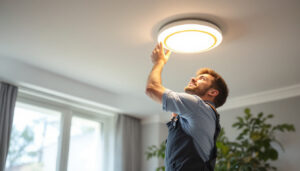
Practical experience is invaluable. Organize workshops where your team can experiment with different recessed lighting setups. Use mock bar environments to simulate real-world challenges-varying ceiling heights, architectural features, and furniture layouts. This approach helps your team understand how light behaves in complex spaces.
Encourage experimentation with beam angles and fixture placement. Seeing firsthand how a slight adjustment changes the mood or visibility sharpens their intuition and problem-solving skills. Workshops also provide a platform for team members to share insights and troubleshoot common issues together.
Case Study Reviews
Analyzing completed projects reinforces learning. Present case studies of successful recessed bar lighting installations, highlighting design decisions, challenges, and outcomes. Discuss what worked well and what could have been improved. This method helps your team connect theory to practice and learn from real scenarios.
Include examples that showcase different bar styles-from minimalist urban spaces to rustic taverns-to broaden your team’s understanding of how lighting adapts to various aesthetics. Encourage questions and group discussions to deepen engagement.
Vendor and Manufacturer Training
Many lighting manufacturers offer training sessions on their products. Taking advantage of these resources keeps your team updated on the latest technologies and installation techniques. Invite representatives to conduct in-house seminars or arrange visits to showrooms where your team can see products in action.
These sessions often cover troubleshooting tips and best practices that save time and reduce errors on site. Building relationships with vendors also opens channels for technical support and access to new products, which benefits your business long-term.
Common Challenges and How to Overcome Them
Dealing with Ceiling Constraints
Bars often have unique ceiling structures-exposed beams, ductwork, or limited plenum space-that complicate recessed lighting installation. Training your team to assess these constraints early in the project prevents costly adjustments later.
Solutions include using shallow or remodel-style recessed fixtures designed for tight spaces, or combining recessed lighting with other types such as wall sconces or pendant lights to achieve the desired effect. Encourage your team to communicate closely with architects and contractors to coordinate installations seamlessly.
Balancing Brightness and Ambiance
Striking the right balance between sufficient brightness and maintaining ambiance is a frequent challenge. Overly bright lighting can make a bar feel sterile, while dim lighting might hinder bartenders’ tasks or safety.
Train your team to use lighting calculators and photometric data to predict light levels accurately. Incorporating dimmers and layered lighting strategies allows for adjustable environments that cater to different times and activities. On-site testing and client walk-throughs before finalizing installations can catch issues early.
Maintaining Consistency Across Multiple Fixtures
Uneven color temperature or brightness across recessed fixtures can disrupt the visual harmony of a bar. Your team must learn to source fixtures and bulbs from the same production batches and verify specifications before installation.
Standardizing on trusted brands and maintaining clear documentation of product choices minimizes inconsistencies. Additionally, training in proper installation techniques ensures fixtures are aligned and spaced correctly, avoiding patchy lighting.
Measuring Success and Continuous Improvement
Client Feedback and Post-Installation Support
Encourage your team to follow up with clients after installation to gather feedback on lighting performance and satisfaction. This information is crucial for refining training programs and addressing any issues promptly.
Providing maintenance tips and quick response to adjustments builds trust and positions your company as a reliable partner. Your team should be prepared to offer guidance on bulb replacements, dimmer recalibrations, or smart control updates.
Ongoing Education and Industry Trends
The lighting industry evolves rapidly, with new technologies and design trends emerging regularly. Establish a culture of continuous learning within your team by subscribing to industry publications, attending trade shows, and participating in online forums.
Encourage team members to share discoveries and innovations during regular meetings. Staying ahead of trends not only improves your service quality but also opens opportunities for upselling advanced lighting solutions to clients.
Final Thoughts
Training your lighting team in recessed bar lighting is an investment that pays dividends in project quality, client satisfaction, and business growth. By focusing on core concepts, hands-on experience, and ongoing education, your team will develop the expertise needed to tackle complex bar lighting projects confidently.
Remember, successful recessed bar lighting is about more than just fixtures-it’s about creating an environment that enhances every moment spent in the space. Equip your team with the knowledge and skills to deliver that experience consistently.
Illuminate Your Projects with LumenWholesale
Ready to elevate your recessed bar lighting projects with the finest selection of spec-grade lighting products? At LumenWholesale, we provide contractors like you with exceptional lighting solutions at wholesale prices that simply can’t be beaten. Our extensive range of high-quality, reliable lighting options ensures that you can create the perfect ambiance for any bar setting. Plus, with the convenience of free shipping on bulk orders, you can enjoy premium lighting without the premium price tag. Don’t let hidden fees or middleman markups dim your project’s potential. Discover the best value in wholesale lighting and make your next installation a shining success with LumenWholesale.