Understanding the Unique Challenges of Tree Lighting
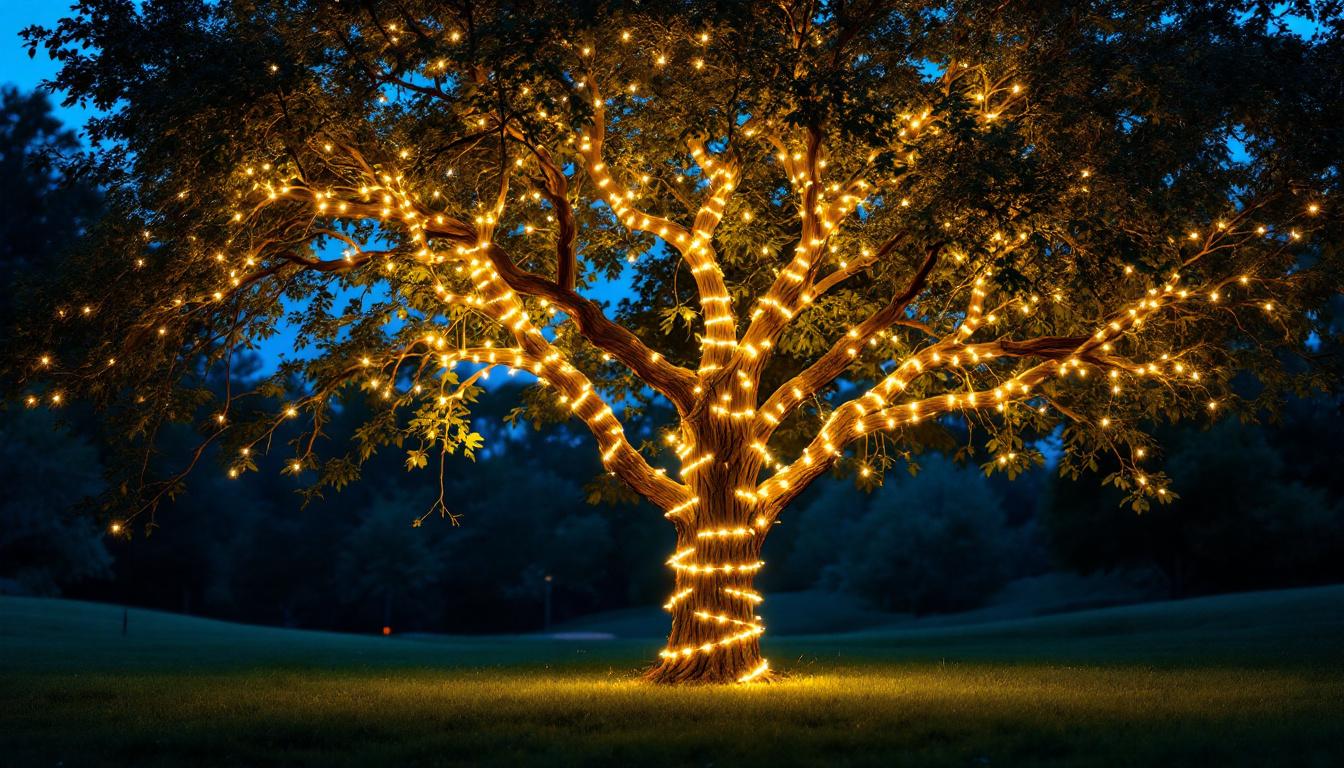
Lighting trees is not just about illumination; it’s about creating ambiance, highlighting natural beauty, and ensuring safety. Trees vary widely in size, shape, and location, which means a one-size-fits-all approach rarely works. For lighting contractors, this means assessing each project with a keen eye for detail and a deep understanding of the environment. Factors such as the tree species, bark texture, and canopy density all play crucial roles in determining the best lighting techniques. For instance, a broad-leaved oak may require different lighting angles compared to a slender birch to effectively showcase its unique features.
Solar powered lights add another layer of complexity and opportunity. Unlike wired systems, they rely entirely on sunlight, making placement and product choice critical. The goal is to maximize efficiency while maintaining aesthetic appeal and durability. Moreover, the variety of solar lights available, from string lights to spotlights, allows for creative expression, enabling designers to craft enchanting displays that can transform a simple garden into a magical wonderland.
Why Solar Powered Lights?
Solar lighting offers a sustainable, cost-effective solution that eliminates the need for trenching or running electrical cables. This reduces labor costs and site disruption, which clients appreciate. Additionally, solar lights operate independently, so if one fails, it doesn’t affect the entire system. This independence is particularly beneficial in large installations where maintenance can become cumbersome. Furthermore, advancements in solar technology have led to brighter, longer-lasting lights that can enhance the nighttime aesthetics of any landscape.
However, solar technology demands careful planning. Shadows from dense foliage, seasonal changes in sunlight, and weather conditions all influence performance. Understanding these factors is essential for a successful installation. For example, during the winter months, when days are shorter and sunlight is scarce, the efficiency of solar lights can diminish significantly. Therefore, it may be necessary to consider supplemental lighting options or strategically position solar panels to capture the maximum amount of sunlight. Additionally, the choice of battery storage capacity can also impact how well the system performs during cloudy days, ensuring that the lights remain functional and vibrant even when natural light is limited.
Pre-Installation Assessment: The Foundation of Success
Before selecting fixtures or mapping out installations, a thorough site evaluation is necessary. This step prevents costly mistakes and ensures the lighting system performs as intended. A well-executed assessment not only enhances the functionality of the lighting system but also contributes to the aesthetic appeal of the environment, creating a harmonious blend of nature and technology.
Evaluate Sunlight Exposure
Solar panels need direct sunlight to charge efficiently. Inspect the site at different times of day to identify areas with sufficient sun exposure. Trees with dense canopies or those located in shaded areas may require repositioning of solar panels or alternative lighting strategies. It’s also beneficial to use tools such as sunlight calculators or apps that can help visualize sun paths throughout the year, providing a clearer understanding of how shadows will shift with the changing seasons.
Consider seasonal variations. In some regions, the angle and intensity of sunlight can change dramatically between seasons, affecting charging times and light output. For instance, during winter months, lower sun angles may lead to longer shadows, which could hinder the performance of solar panels. Therefore, planning for seasonal changes is crucial to ensure that the lighting system remains efficient year-round.
Analyze Tree Structure and Health
Healthy trees provide stable mounting points and better long-term results. Assess the tree’s trunk diameter, branch strength, and overall health. Avoid installations on weak or diseased limbs that could fail under the weight of fixtures or during adverse weather. Additionally, consider conducting a professional arborist evaluation if there are any concerns about the tree’s health; their expertise can provide insights into potential risks and maintenance needs.
Also, consider the tree’s growth patterns. Fixtures should be installed in a way that accommodates future growth without causing damage or requiring frequent adjustments. This foresight can save time and resources in the long run, as it minimizes the need for reinstallation or repairs. Moreover, understanding the tree’s growth can also inform the choice of lighting fixtures, as some may need to be more flexible or adjustable than others to adapt to the tree’s natural development.
Assess Environmental Conditions
Wind, rain, snow, and temperature fluctuations all impact solar lighting performance and durability. Choose fixtures rated for the local climate and ensure mounting hardware can withstand environmental stresses. It’s important to consider not just the average conditions, but also extreme weather events that could occur, such as heavy storms or heatwaves, which may influence the longevity and reliability of the installation.
In coastal areas, salt spray can corrode metal parts, so corrosion-resistant materials are a must. In colder climates, battery performance can degrade, necessitating batteries designed for low temperatures. Furthermore, understanding the local wildlife can also play a role in the installation process; for example, certain animals may be attracted to the lighting fixtures, which could lead to potential damage or interference. Thus, selecting fixtures that are not only durable but also designed to minimize wildlife impact can enhance the overall success of the installation.
Selecting the Right Solar Powered Lights
Not all solar lights are created equal. Lighting contractors must consider several factors to select fixtures that meet client expectations and project requirements.
Brightness and Color Temperature
Brightness is measured in lumens. For tree lighting, the goal is to highlight textures and shapes without overpowering the natural beauty. Typically, 100 to 300 lumens per fixture is a good starting point, but this varies based on tree size and desired effect.
Color temperature affects mood and appearance. Warm white (2700K-3000K) tends to create a cozy, inviting atmosphere, while cool white (4000K-5000K) offers a crisp, modern look. Discuss preferences with clients and consider the surrounding landscape and architecture.
Battery Capacity and Solar Panel Efficiency
Battery size determines how long the light can operate after sunset. Larger batteries provide longer runtime but increase fixture size and cost. Balance is key. Look for lithium-ion batteries, which offer longer life cycles and better performance than traditional nickel-metal hydride options.
Solar panel efficiency affects charging speed and reliability. High-efficiency monocrystalline panels perform better in low-light conditions but cost more. Polycrystalline panels are more affordable but less efficient. Match panel type to site conditions and budget.
Durability and Weather Resistance
Fixtures should have at least an IP65 rating, ensuring protection against dust and water jets. For areas with heavy rainfall or snow, higher ratings like IP67 are preferable. Materials like anodized aluminum or stainless steel resist corrosion and wear better than plastic.
Check manufacturer warranties and certifications. Reliable products often come with multi-year guarantees, which can save time and money in the long run.
Mounting Options and Flexibility
Solar lights for trees come with various mounting options: straps, clamps, stakes, or adjustable brackets. Choose fixtures that allow easy installation and repositioning without damaging the tree.
Flexible mounting solutions enable contractors to adapt to different tree shapes and sizes, improving overall aesthetics and functionality.
Installation Best Practices
Proper installation ensures optimal performance and client satisfaction. Attention to detail during this phase can prevent common pitfalls.
Position Solar Panels Strategically
Separate the solar panel from the light fixture when possible. Place panels in unobstructed locations with maximum sun exposure, even if the light itself is installed on a shaded branch.
Use extension cables rated for outdoor use to connect panels and lights. This flexibility allows for better placement and easier maintenance.
Secure Fixtures Without Damaging Trees
Avoid nails or screws that penetrate bark deeply. Use adjustable straps or clamps designed to minimize harm. This approach preserves tree health and complies with arboricultural best practices.
Ensure fixtures are stable and won’t shift in wind or rain. Loose lights can cause damage or create safety hazards.
Test Lighting Angles and Effects
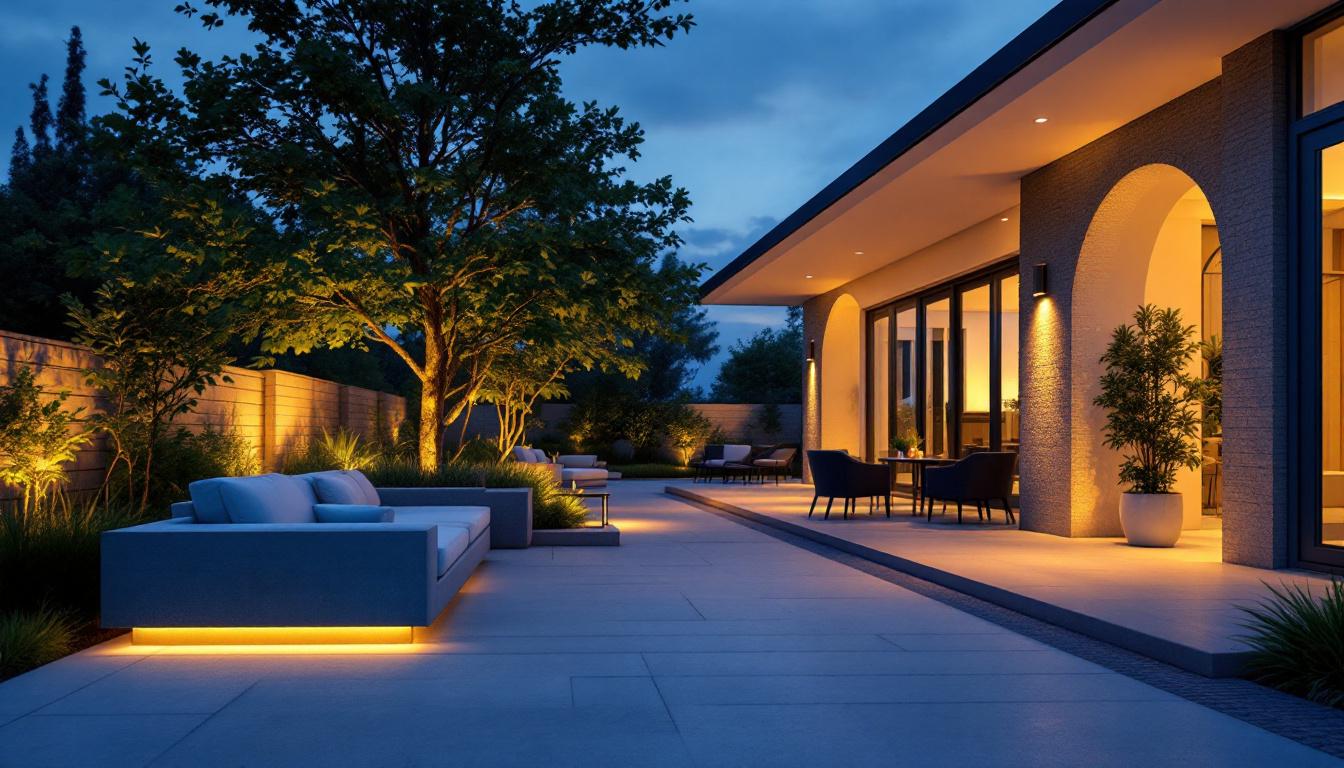
Before finalizing installation, test different angles and positions to achieve the desired lighting effect. Uplighting can accentuate trunk texture, while downlighting creates soft pools of light beneath branches.
Consider layering multiple fixtures to add depth and dimension. Take photos or videos to review with clients and make adjustments as needed.
Maintenance and Troubleshooting
Solar powered tree lights require less maintenance than wired systems but still benefit from regular attention. Establishing a maintenance routine helps extend fixture life and ensures consistent performance.
Regular Cleaning
Solar panels accumulate dust, leaves, and debris that reduce charging efficiency. Clean panels with a soft cloth and mild detergent every few months or more frequently in dusty or leafy environments.
Inspect light lenses for dirt or damage. Clean gently to maintain brightness and clarity.
Battery Replacement and Monitoring
Batteries degrade over time, typically lasting 2 to 4 years depending on quality and usage. Monitor runtime and brightness to detect when replacements are needed.
Keep spare batteries on hand for quick swaps. Follow manufacturer guidelines for disposal and recycling.
Addressing Common Issues
If lights fail to turn on or have reduced brightness, check for shading on solar panels, loose connections, or battery problems. Reposition panels or replace batteries as necessary.
Inconsistent lighting may indicate water ingress or fixture damage. Inspect seals and mounting hardware, repairing or replacing components promptly.
Client Communication and Project Documentation
Clear communication with clients builds trust and sets realistic expectations. Documenting each project thoroughly protects contractors and facilitates future service calls.
Set Expectations Early
Explain the benefits and limitations of solar powered tree lighting. Discuss factors like seasonal light variation, battery life, and maintenance requirements.
Provide visual examples or mockups to help clients visualize the final result. Transparency reduces misunderstandings and increases satisfaction.
Detailed Project Records
Keep records of site assessments, product specifications, installation locations, and maintenance schedules. This information is invaluable for troubleshooting and warranty claims.
Use photos and diagrams to document fixture placement and wiring routes. Digital records are easy to update and share with clients or team members.
Conclusion: Mastering Solar Powered Tree Lighting
Solar powered lights offer a compelling solution for illuminating trees with minimal environmental impact and installation hassle. Success hinges on thorough planning, careful product selection, precise installation, and ongoing maintenance.
Lighting contractors who master these elements can deliver stunning, reliable results that delight clients and stand the test of time. This checklist serves as a roadmap to navigate the unique challenges and opportunities of solar tree lighting projects.
Illuminate Your Projects with LumenWholesale
Ready to elevate your tree lighting projects with the most efficient solar powered lights on the market? Look no further than LumenWholesale, where we provide lighting contractors with spec-grade lighting solutions at unbeatable wholesale prices. Our commitment to quality and affordability ensures that you have access to the best lighting products without the burden of inflated costs. Plus, with free shipping on bulk orders, you can stock up on premium lighting with ease. Don’t compromise on quality or value—choose LumenWholesale for your lighting needs and make your next installation a shining success. Discover our extensive selection and take advantage of the best value in wholesale lighting by visiting Wholesale Lighting at the Best Value.