Understanding the Unique Challenges of Bedroom Music Studio Lighting
Bedroom music studios have become increasingly popular as more musicians and producers work from home. Unlike commercial studios, these spaces are often confined, multipurpose, and require lighting solutions that balance functionality with comfort. For lighting contractors, this means adapting traditional lighting principles to a more intimate and acoustically sensitive environment.
One of the primary challenges is managing light without interfering with the mood or sound quality. Bright, harsh lighting can create unwanted reflections on screens and instruments, while excessive heat from certain fixtures can affect sensitive electronic equipment. Additionally, bedroom studios often double as living spaces, so lighting must be versatile enough to accommodate both work and relaxation.
Balancing Task Lighting and Ambient Lighting
Task lighting is essential for activities like reading sheet music, adjusting mixing consoles, or tuning instruments. However, it must be carefully integrated to avoid glare on monitors or reflective surfaces. Ambient lighting, on the other hand, sets the overall mood and reduces eye strain during long sessions.
For lighting contractors, the key is to create layered lighting schemes that allow users to adjust brightness and color temperature easily. Dimmable LED fixtures and smart lighting controls are invaluable tools in this regard, providing flexibility without compromising on energy efficiency or heat output.
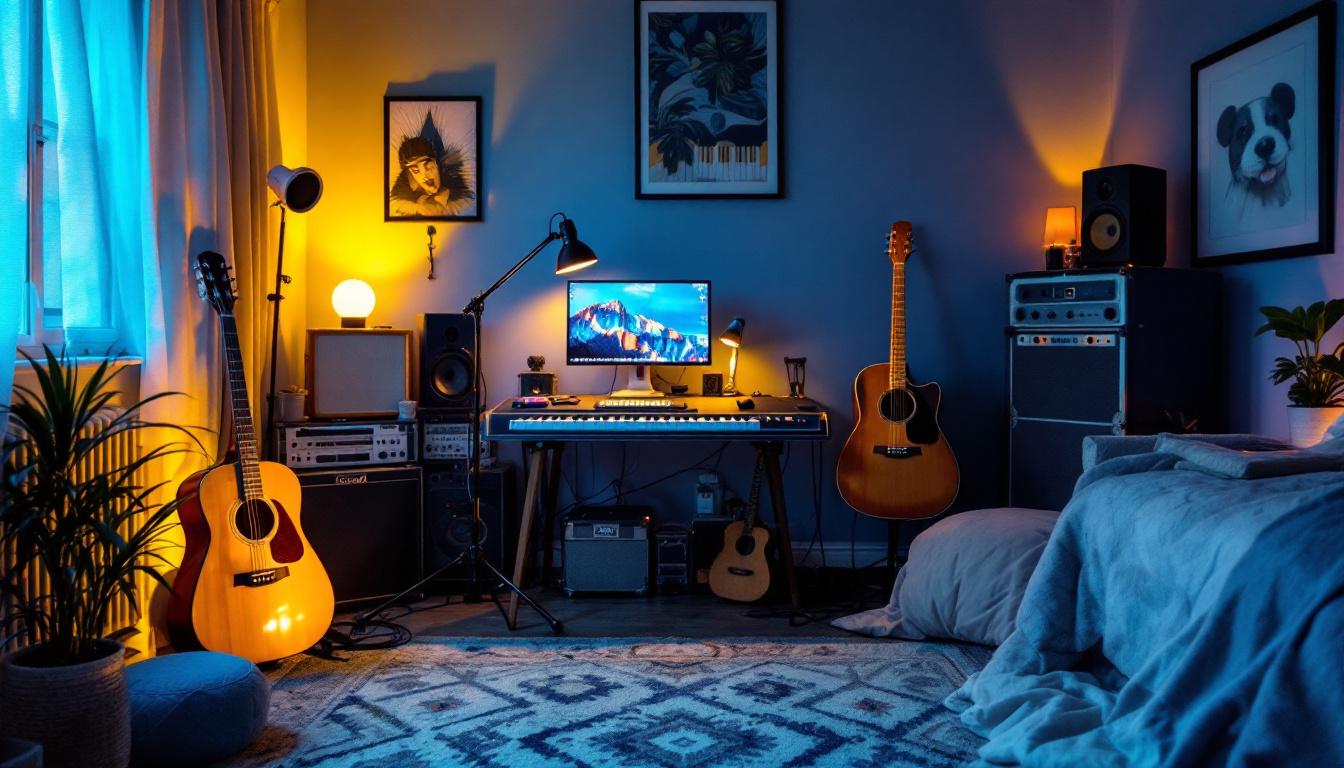
Moreover, the placement of lighting fixtures plays a critical role in achieving the desired effect. Wall-mounted sconces can provide soft, indirect lighting that enhances the studio’s atmosphere while avoiding direct glare. Additionally, incorporating colored LED strips around the perimeter of the room can offer a dynamic backdrop that inspires creativity, allowing musicians to tailor the ambiance to match their mood or the genre of music they are working on. This adaptability is particularly important in a bedroom studio, where the environment must shift seamlessly from a focused workspace to a cozy retreat.
Furthermore, soundproofing materials often used in these studios can absorb light, creating darker corners that need careful attention. Lighting designers might consider using strategically placed uplights or floor lamps to illuminate these areas without overwhelming the space. By thoughtfully combining various lighting elements, contractors can create a harmonious environment that not only enhances the functionality of the studio but also fosters a sense of comfort and inspiration for the artist within.
Key Lighting Considerations for Bedroom Studios
Color Temperature and Its Impact on Creativity
Color temperature plays a significant role in how musicians perceive their environment. Cooler light (around 5000K to 6500K) mimics daylight and can help maintain alertness during intense production sessions. Warmer light (2700K to 3000K), meanwhile, creates a cozy atmosphere conducive to relaxation and creative brainstorming.
Lighting contractors should recommend adjustable color temperature fixtures or a combination of warm and cool light sources. This approach allows users to tailor the lighting to their mood and task, enhancing productivity without sacrificing comfort. Furthermore, studies have shown that the right color temperature can influence mood and cognitive function, making it essential for artists and producers to experiment with different settings to find their ideal creative environment. For instance, a transition from cooler to warmer light as the day progresses can mimic natural light cycles, helping to regulate circadian rhythms and promote overall well-being.
Minimizing Glare and Reflections
Glare is a common problem in small studios, especially when monitors, glass surfaces, or polished instruments are present. Direct overhead lighting often causes unwanted reflections that can distract or strain the eyes.
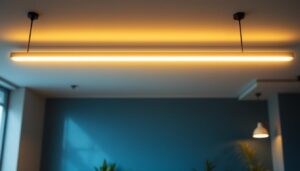
To combat this, indirect lighting methods such as wall washers, cove lighting, or fixtures with diffusers are preferable. Positioning lights at angles that avoid direct reflection into the user’s line of sight is crucial. Lighting contractors should also consider matte finishes on walls and ceilings to reduce light bounce. Additionally, incorporating adjustable shades or curtains can provide further control over natural light sources, allowing for a versatile studio environment that adapts to different times of day and creative needs. By creating a glare-free workspace, musicians can focus more on their craft and less on visual distractions, ultimately enhancing their creative output.
Heat Management and Energy Efficiency
Many traditional lighting solutions generate heat, which can be problematic in small, enclosed spaces filled with sensitive electronic equipment. Excess heat can degrade performance and shorten the lifespan of audio gear.
LED lighting is the industry standard for bedroom studios because it produces minimal heat and consumes less energy. Additionally, LEDs offer longevity and consistent light quality, reducing maintenance needs. Lighting contractors should prioritize LED fixtures with high color rendering index (CRI) values to ensure accurate color representation, which is important when working with visual elements like mixing interfaces. Beyond just energy efficiency, the use of smart lighting systems can further optimize energy consumption by allowing users to program schedules or control lighting remotely. This not only enhances convenience but also contributes to a more sustainable studio environment, aligning with the growing trend of eco-conscious practices in music production.
Practical Lighting Design Strategies for Bedroom Studios
Layered Lighting: Combining Multiple Light Sources
Effective bedroom studio lighting relies on layering different types of light to meet various needs. This typically includes ambient lighting for general illumination, task lighting for focused work, and accent lighting to highlight instruments or décor.
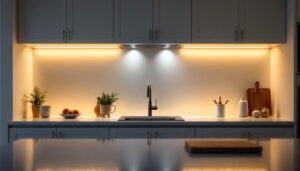
For example, recessed ceiling lights can provide soft ambient light, while adjustable desk lamps or track lighting offer targeted illumination for mixing desks and keyboards. Accent lights, such as LED strips behind monitors or under shelves, add depth and personalization without overwhelming the space. Additionally, utilizing dimmable options for all light sources allows for greater control over the atmosphere, enabling musicians to create an inspiring environment that can shift from bright and energetic to soft and calming, depending on the creative process.
Moreover, incorporating natural light into the design can enhance the overall ambiance. Strategically placed mirrors can reflect daylight, making the space feel larger and more inviting. This interplay between artificial and natural light not only boosts creativity but also contributes to a healthier workspace by regulating circadian rhythms, which is particularly beneficial for those who spend long hours in their studios.
Smart Controls and Automation
Integrating smart lighting controls simplifies the user experience. Musicians can adjust brightness, color temperature, and even preset scenes using smartphones or voice commands. This eliminates the need for multiple switches and allows quick transitions between different lighting setups.
For lighting contractors, installing compatible smart hubs and ensuring reliable connectivity are essential steps. Wireless controls reduce wiring complexity, which is beneficial in retrofit scenarios common with bedroom studios. Furthermore, integrating smart systems with other home automation features, such as smart blinds or HVAC controls, can create a seamless environment that adapts to the musician’s needs. For instance, a simple command can lower the blinds and dim the lights to create an ideal recording atmosphere, all while maintaining comfort and energy efficiency.
Consideration for Acoustic Treatment and Lighting Integration
Acoustic panels and foam are often installed in bedroom studios to improve sound quality. These materials can absorb or diffuse light differently than standard surfaces, affecting overall illumination.
Lighting contractors should coordinate with acoustic specialists to plan fixture placement that complements sound treatment without creating shadows or dark spots. Using indirect lighting can enhance the visual appeal of acoustic panels, turning functional elements into design features. Additionally, choosing colors and finishes for the acoustic materials that reflect or absorb light in desired ways can further enhance the studio’s aesthetic. For instance, lighter colors can brighten the room, while darker tones can create a more intimate setting. This thoughtful integration of lighting and acoustics not only improves the functionality of the studio but also elevates the overall design, making it a space where creativity can thrive.
Common Mistakes to Avoid in Bedroom Studio Lighting
Overlooking User Comfort and Flexibility
One frequent error is installing fixed, overly bright lighting that cannot be adjusted. Musicians spend hours in their studios, and inflexible lighting can cause fatigue and reduce productivity.
Providing dimmers, adjustable fixtures, and multiple lighting zones ensures the space adapts to different tasks and moods. Lighting contractors should always prioritize user control and comfort.
Ignoring Cable Management and Safety
Bedroom studios often have numerous cables for instruments, computers, and lighting. Poor cable management can lead to clutter, tripping hazards, and interference with equipment.
Contractors must plan wiring routes carefully, use cable organizers, and select wireless or low-voltage lighting options where possible to maintain a clean and safe environment.
Neglecting Aesthetic Consistency
While functionality is paramount, the visual harmony of the studio affects the user’s experience. Mismatched fixtures or harsh lighting contrasts can disrupt the creative flow.
Choosing fixtures that complement the room’s design and maintaining consistent color temperatures helps create a cohesive and inspiring atmosphere.
Case Study: Transforming a Small Bedroom into a Functional Music Studio
A recent project involved converting a compact bedroom into a fully functional music studio for an independent producer. The space measured just 12 by 10 feet, with limited natural light and multiple electronic devices.
The lighting contractor began by installing recessed LED downlights with adjustable color temperature to provide balanced ambient light. A flexible track lighting system was added above the mixing desk, allowing precise task lighting without glare. LED strip lights were installed behind the monitors and under shelves to add depth and reduce eye strain.
Smart controls were integrated, enabling the user to switch between preset scenes for recording, mixing, or relaxing. Acoustic panels were strategically placed, and indirect lighting highlighted these features without creating shadows. Cable management solutions kept the workspace tidy and safe.
The result was a comfortable, efficient studio that maximized the small space’s potential, demonstrating how thoughtful lighting design enhances both function and creativity.
Final Thoughts for Lighting Contractors
Bedroom music studio lighting demands a nuanced approach that balances technical requirements with user comfort and aesthetic appeal. By focusing on layered lighting, adjustable color temperature, glare reduction, and heat management, contractors can create environments that support creativity and productivity.
Understanding the unique needs of these intimate spaces and collaborating with users and acoustic professionals will lead to successful installations. Smart controls and energy-efficient solutions further simplify operation and maintenance, making bedroom studios inviting, functional, and future-proof.
Illuminate Your Projects with LumenWholesale
Ready to elevate your bedroom music studio projects with lighting that combines quality, affordability, and convenience? At LumenWholesale, we provide lighting contractors with an extensive selection of spec-grade lighting products designed to meet the unique challenges of any space. Our commitment to cutting out the middleman means you get the best value on top-quality lighting, with the added benefit of free shipping for hassle-free bulk purchases. Don’t compromise on performance or price. Discover wholesale lighting at the best value and make your next studio lighting installation a harmonious blend of functionality and inspiration with LumenWholesale.