Understanding Play Lights: More Than Just Brightness
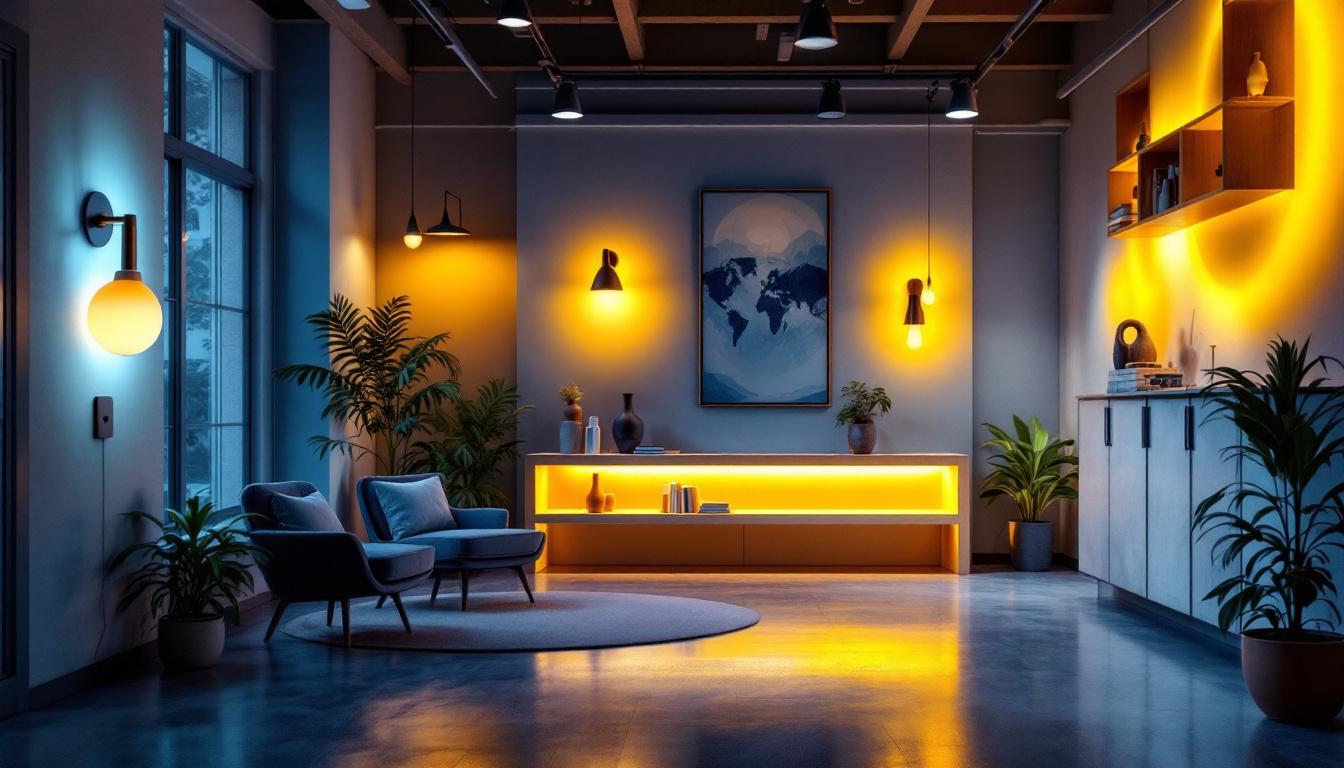
Lighting contractors often focus on lumens, color temperature, and energy efficiency. These are critical factors, but there’s a subtle element that can transform a lighting design from functional to exceptional: play lights. Play lights are dynamic, interactive, or creatively positioned light sources that add depth, mood, and engagement to a space.
Unlike standard lighting fixtures that serve straightforward purposes-like illuminating a room or highlighting a product-play lights invite interaction, create ambiance, and tell a story. They can be as simple as a strategically placed accent light or as complex as programmable LED arrays that shift colors and intensities throughout the day.
For lighting contractors, understanding and incorporating play lights into designs can elevate projects, delight clients, and open doors to innovative solutions that go beyond traditional lighting. The versatility of play lights allows them to be used in a variety of settings, from residential homes to commercial spaces, enhancing the user experience in ways that static lighting simply cannot. For instance, in a children’s play area, colorful, animated lights can create an enchanting atmosphere that stimulates creativity and exploration, while in a retail environment, dynamic lighting can draw attention to merchandise and create a sense of urgency or excitement.
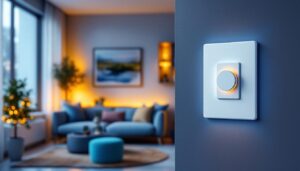
Moreover, play lights can also be integrated with smart technology, allowing for real-time adjustments based on user preferences or environmental changes. Imagine a living room where the lighting shifts from a warm, cozy glow for movie night to a vibrant, energizing spectrum for a gathering with friends, all controlled with a simple voice command or mobile app. This level of customization not only enhances the aesthetic appeal of a space but also contributes to the overall functionality, making it essential for lighting contractors to stay ahead of trends in interactive lighting solutions.
The Psychology Behind Play Lights
Why Lighting Influences Human Experience
Humans are wired to respond to light in nuanced ways. It affects mood, productivity, and perception of space. Play lights tap into this psychological connection by introducing variability and surprise, which can make environments feel more welcoming and engaging. The interplay of light and shadow can also create a sense of depth, transforming a mundane space into a dynamic experience. For instance, a well-lit room can feel more expansive, while soft, dim lighting can create intimacy and warmth, inviting people to linger and interact.
Studies show that environments with layered lighting—combining ambient, task, and accent lighting—improve comfort and satisfaction. Play lights often function as accent or decorative elements, but their role is more than just visual. They stimulate curiosity and interaction, which can be particularly valuable in retail, hospitality, and residential settings. In retail spaces, strategically placed play lights can guide customers through a store, highlighting key products and creating a sense of discovery. Similarly, in hospitality, unique lighting designs can enhance the dining experience, making meals feel more special and memorable.
Creating Emotional Connections Through Light
Lighting that changes subtly over time or responds to movement can create emotional resonance. For example, a softly pulsating light in a lounge area can evoke calmness, while dynamic color shifts in a retail display can energize shoppers. These effects are not random; they are carefully designed to align with the intended atmosphere and user experience. The psychological impact of color temperature also plays a significant role; warmer tones can evoke feelings of comfort and safety, while cooler tones may promote alertness and focus. This understanding of color psychology allows designers to craft environments that resonate deeply with users, influencing their behavior and emotional state.
Moreover, the use of play lights can foster a sense of community and connection among individuals. In shared spaces, such as parks or community centers, interactive lighting installations can encourage social engagement, prompting people to gather and share experiences. For instance, lights that react to sound or movement can create a playful atmosphere, inviting spontaneous interactions and enhancing the overall enjoyment of the space. This ability to transform a simple environment into an engaging, interactive experience underscores the profound impact that thoughtful lighting design can have on human behavior and social dynamics.
Types of Play Lights and Their Applications
Interactive Lighting
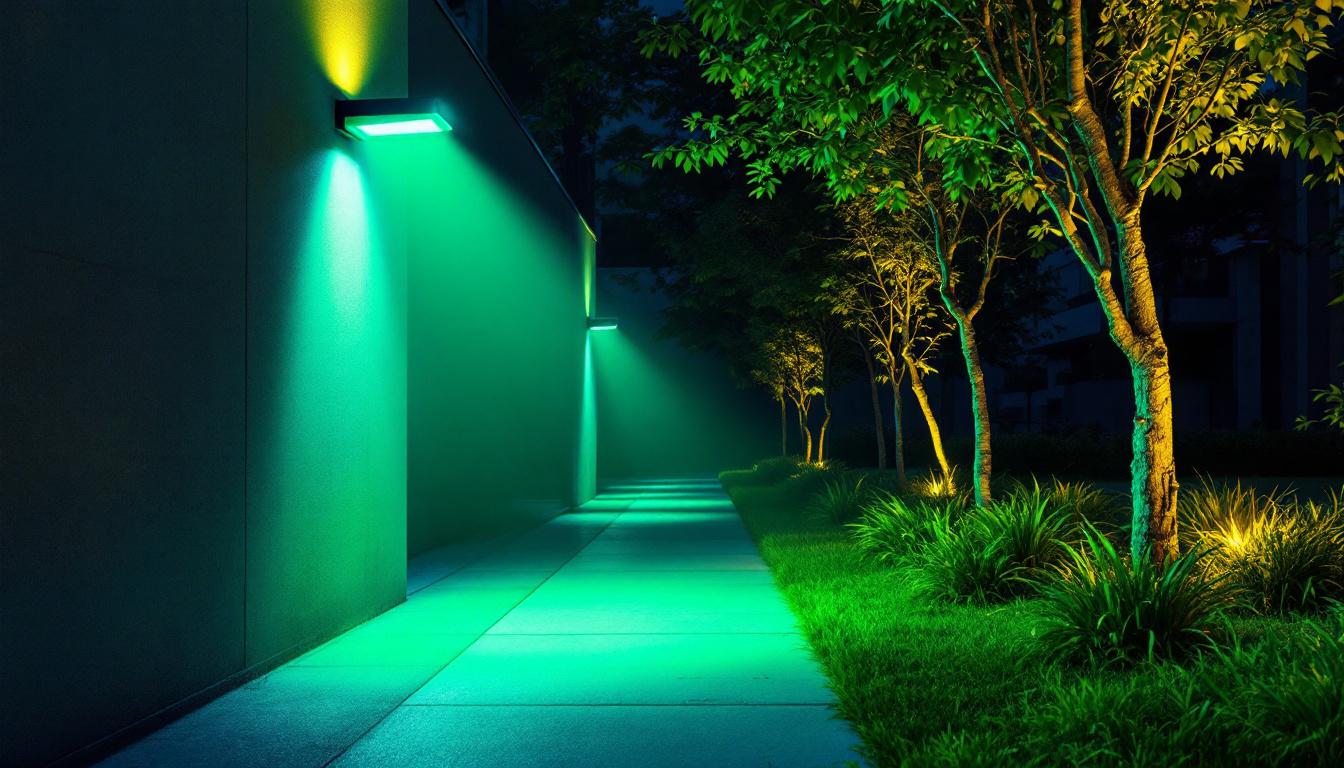
Interactive play lights respond to user input such as touch, motion, or sound. These are popular in public spaces, museums, and entertainment venues where engagement is key. For example, motion-activated LED strips along a hallway can guide visitors intuitively, enhancing both safety and experience.
For contractors, installing interactive lighting requires coordination with sensors and control systems, but the payoff is a memorable and functional design element that clients appreciate.
Color-Changing and Programmable Lights
RGB and tunable white LEDs allow for endless customization. Programmable lighting systems can shift color temperatures throughout the day to mimic natural light patterns or create thematic effects for special events. This flexibility is invaluable in hospitality and commercial spaces where ambiance needs to adapt.
Integrating these systems demands knowledge of control protocols like DMX or DALI, but the ability to offer clients dynamic lighting solutions sets contractors apart.
Accent and Decorative Play Lights
Sometimes, play lights are subtle-like a hidden cove light that washes a textured wall or a tiny spotlight that highlights a piece of art. These lights don’t just illuminate; they add character and depth. They can transform a plain surface into a focal point or create visual layers that make a space feel larger and more inviting.
Design Strategies for Incorporating Play Lights
Layering Light for Depth and Interest
Successful lighting designs rarely rely on a single source. Layering involves combining ambient, task, and accent lighting to create a balanced and flexible environment. Play lights fit naturally into the accent layer, but they can also blur the lines by serving multiple purposes.
For example, a pendant light with adjustable brightness can provide task lighting while also acting as a sculptural element. This dual role enhances both function and aesthetics.
Using Contrast and Shadow to Enhance Play
Play lights thrive on contrast. By highlighting textures, architectural details, or objects, they create shadows that add drama and intrigue. This interplay of light and shadow can make a space feel dynamic and alive.
Lighting contractors should consider the angles and intensities carefully. Too much contrast can cause discomfort, but the right balance draws attention and invites exploration.
Incorporating Technology for Control and Flexibility
Modern lighting controls are essential for maximizing the potential of play lights. Wireless systems, smartphone apps, and voice control allow users to customize lighting scenes easily. This adaptability is a selling point for clients who want spaces that can change with their needs.
Contractors should stay updated on the latest control technologies and ensure compatibility with the lighting fixtures they install. Offering training or support can also enhance client satisfaction.
Case Studies: Play Lights in Action
Retail Environments
A boutique clothing store used programmable LED strips to change wall colors based on the time of day and promotional events. This not only attracted customers but also encouraged longer visits. The lighting created zones within the store, guiding shoppers naturally from one area to another.
The contractor’s role involved integrating the lighting with the store’s existing electrical and control systems, ensuring seamless operation and easy adjustments for staff.
Hospitality Spaces
A hotel lobby incorporated interactive floor lighting that responded to footsteps, creating a playful yet elegant welcome experience. The lighting design balanced sophistication with fun, making the space memorable for guests.
Installation required close collaboration with architects and interior designers to embed sensors and lighting fixtures without compromising aesthetics.
Residential Projects
In a modern home, a lighting contractor installed color-tunable cove lighting that mimicked natural daylight cycles. This enhanced the homeowner’s circadian rhythm, improving sleep quality and overall wellbeing.
The system was integrated with smart home controls, allowing the family to adjust lighting scenes for different activities, from relaxing evenings to lively gatherings.
Practical Tips for Lighting Contractors
Start with the Client’s Vision
Understanding the client’s lifestyle, brand identity, or business goals is crucial. Play lights should support these objectives, not distract from them. Ask detailed questions about how the space will be used and what kind of atmosphere is desired.
Plan for Maintenance and Longevity
Dynamic lighting systems can be complex. Choose high-quality fixtures and control components that are reliable and easy to maintain. Provide clients with clear instructions and support to ensure their investment remains effective over time.
Collaborate with Other Professionals
Lighting design is often part of a larger project that includes architects, interior designers, and technology specialists. Early collaboration helps avoid conflicts and ensures that play lights integrate smoothly with other elements.
Keep Learning and Experimenting
The lighting industry evolves rapidly. New technologies and design trends emerge regularly. Contractors who stay curious and experiment with play lights will find new opportunities to impress clients and differentiate their services.
Conclusion: Elevate Your Lighting Designs with Play Lights
Play lights are not just a trend; they are a powerful tool that lighting contractors can use to create spaces that resonate emotionally and functionally. By understanding the psychological impact of light, exploring various types of play lights, and applying thoughtful design strategies, contractors can deliver lighting solutions that stand out.
Whether it’s a retail store that draws customers in, a hotel lobby that delights guests, or a home that nurtures wellbeing, play lights unlock new possibilities. Embracing this approach leads to better designs, happier clients, and a stronger reputation in the competitive lighting industry.
Discover the LumenWholesale Advantage
Ready to elevate your lighting designs with the innovative play lights concept? At LumenWholesale, we offer an extensive selection of spec-grade lighting products that perfectly complement your creative projects. Our commitment to quality and affordability means you can access the best lighting solutions without the premium price tag. Say goodbye to middlemen and hello to hassle-free bulk buying with free shipping. Make your next project shine with the perfect blend of playfulness and performance. Wholesale Lighting at the Best Value is just a click away. Experience the LumenWholesale difference today!