Why Down Lighting Often Gets Overlooked
Outdoor lighting projects frequently focus on path lights, uplights, and accent lighting. These elements are essential for safety, ambiance, and highlighting focal points. However, down lighting—fixtures mounted above and aimed downward—is often neglected. This oversight can leave a project feeling incomplete, lacking the subtle depth and layered illumination that truly elevates a space.
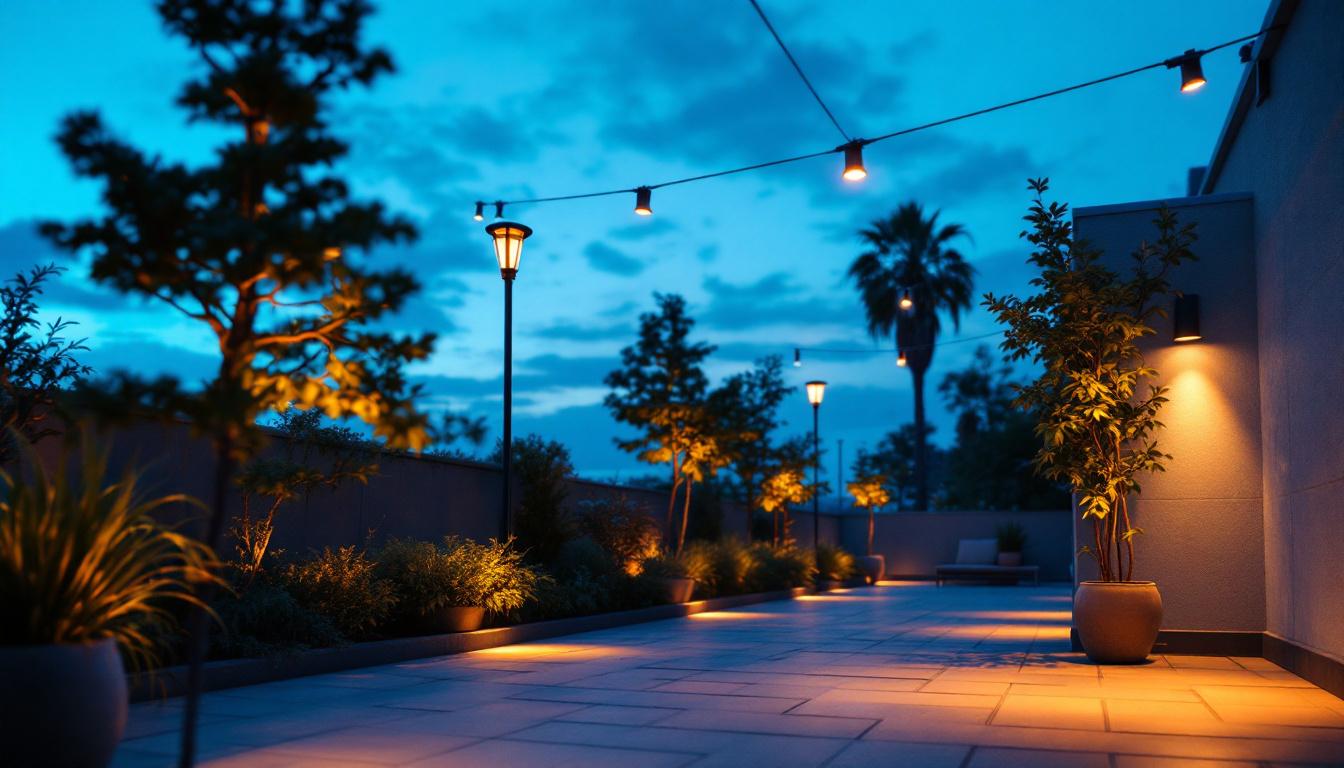
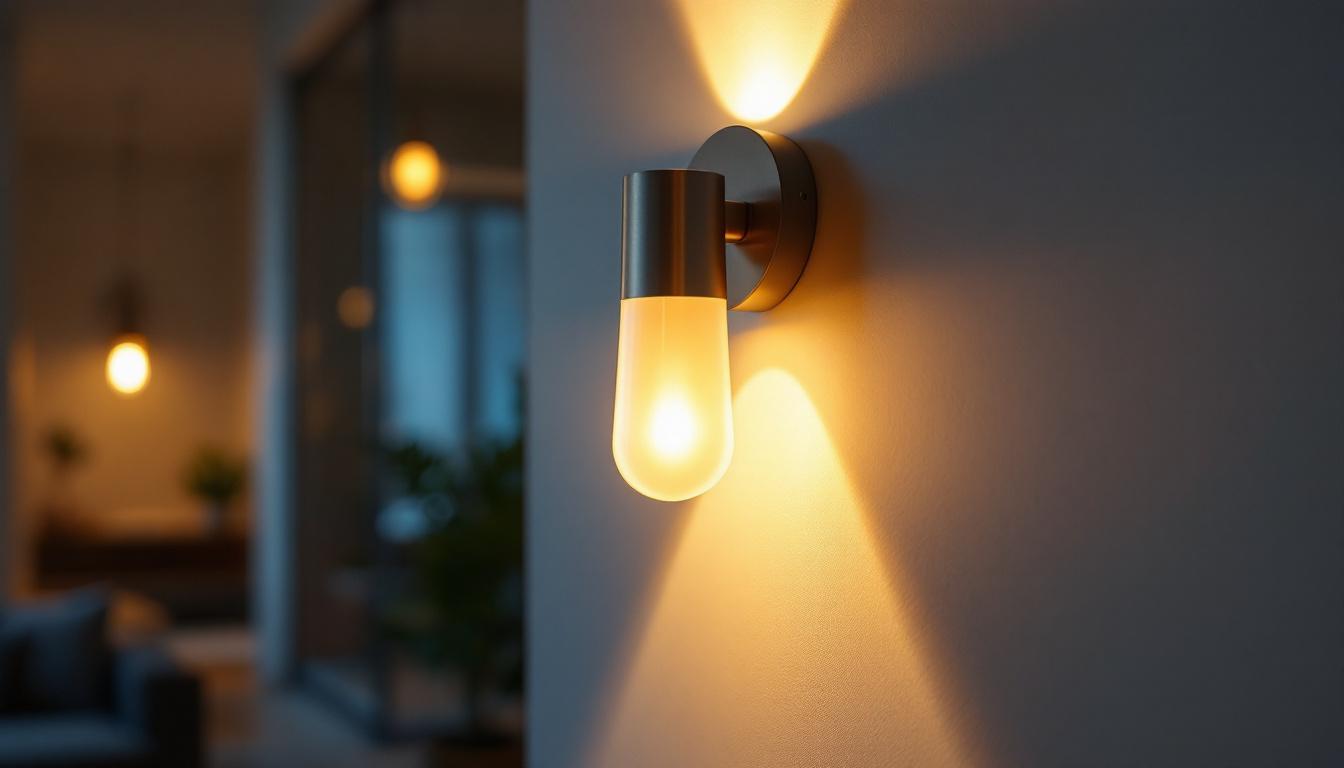
Down lighting offers a natural mimicry of daylight, casting shadows and creating dimension in ways that uplighting or floodlighting cannot. When absent, outdoor areas may appear flat or overly harsh, with uneven brightness that disrupts the visual flow. Lighting contractors who understand the power of down lighting can transform outdoor environments into inviting, functional, and visually balanced spaces.
Moreover, down lighting can enhance the safety and usability of outdoor spaces during the evening hours. By providing consistent illumination over pathways, patios, and seating areas, it allows for a more secure environment where people can navigate without hesitation. This type of lighting can also highlight architectural features or landscaping elements, such as trees or sculptures, creating a more cohesive and aesthetically pleasing nighttime landscape.
In addition to its practical benefits, down lighting can also set the mood for outdoor gatherings and events. By adjusting the intensity and color temperature of the down lights, homeowners can create a warm, inviting atmosphere that encourages relaxation and social interaction. Whether it’s a casual family barbecue or a sophisticated evening soiree, the right down lighting can enhance the experience, making outdoor spaces feel like an extension of the home itself.
The Unique Benefits of Outdoor Down Lighting
Creating Natural Ambiance
Down lighting replicates the sun’s natural rays, providing a familiar and comfortable glow. This type of lighting softens the environment, reducing glare and harsh contrasts. It’s especially effective in patios, decks, and seating areas where people gather. The gentle illumination encourages relaxation and enhances the mood without overpowering the senses. By mimicking the sun’s trajectory, down lighting can create a sense of time and place, making outdoor spaces feel more inviting during evening gatherings or quiet nights under the stars. Moreover, the warm tones of down lights can enhance the natural colors of landscaping, making flowers, plants, and outdoor decor appear more vibrant and alive.
Enhancing Safety and Security
Strategically placed down lights improve visibility on stairs, walkways, and entryways. Unlike uplighting, which can sometimes cast confusing shadows or blind the eyes, down lighting illuminates the ground and immediate surroundings clearly. This reduces the risk of trips and falls, a critical concern for clients who prioritize safety. Additionally, well-lit areas deter potential intruders, as a well-lit property is less appealing to those with malicious intent. The presence of down lighting can also provide peace of mind for homeowners, allowing them to enjoy their outdoor spaces at night without fear. By integrating motion sensors with down lights, homeowners can further enhance security, ensuring that areas are illuminated only when needed, thus saving energy and extending the lifespan of the lighting fixtures.
Highlighting Architectural and Landscape Features
Down lighting can subtly accentuate textures and shapes on walls, columns, and trees. When combined with other lighting techniques, it adds layers of depth and interest. For example, a down light above a textured stone wall highlights its rugged surface, while an uplight from below emphasizes its height. This interplay creates a dynamic visual effect that captivates and guides the viewer’s eye. Furthermore, down lighting can be utilized to create focal points in a garden or yard, drawing attention to unique features such as a beautifully pruned tree or a decorative fountain. By illuminating these elements, homeowners can showcase their landscaping investments, making them stand out even after the sun goes down. Additionally, the use of adjustable fixtures allows for versatility, enabling homeowners to change the focus and intensity of the lighting based on the season or occasion, thus keeping the outdoor space fresh and engaging throughout the year.
Technical Considerations for Effective Down Lighting
Fixture Placement and Mounting
Proper placement is crucial. Down lights are typically mounted on eaves, pergolas, or tall poles. The height and angle determine the spread and intensity of light. Too low, and the light may be too concentrated, creating harsh spots. Too high, and the illumination becomes too diffuse, losing impact. Lighting contractors must assess the site carefully to find the ideal balance. Additionally, considering the surrounding landscape is essential; trees, shrubs, and other structures can obstruct light, casting unwanted shadows. Therefore, a comprehensive site analysis can help in determining not only the best mounting locations but also the optimal positioning to highlight architectural features or garden elements.
Beam Angle and Light Distribution
Choosing the right beam angle affects how the light covers the target area. Narrow beams focus on specific features, while wider beams provide general illumination. Many down lighting fixtures offer adjustable beam angles, allowing contractors to tailor the light precisely. This flexibility is invaluable when working with diverse outdoor environments. Moreover, understanding the interplay between light and dark in a landscape can enhance the visual dynamics of a space. For instance, using a combination of narrow and wide beam angles can create depth and interest, guiding the eye through the area while emphasizing focal points such as pathways, sculptures, or water features.
Color Temperature and Light Quality
Warm white light (2700K to 3000K) is often preferred for outdoor down lighting because it creates a welcoming atmosphere. Cooler temperatures can feel sterile or harsh in outdoor settings. The color rendering index (CRI) should be high to ensure colors appear natural and vibrant. High-quality LEDs with excellent CRI enhance the overall visual appeal and client satisfaction. Furthermore, the choice of color temperature can also influence the mood of an outdoor space. For example, a cooler light might be suitable for modern, minimalist designs, while warmer tones can complement rustic or traditional settings. It’s also worth noting that integrating dimmable options can allow for further customization, enabling users to adjust the ambiance according to different occasions, from lively gatherings to quiet, intimate evenings under the stars.
Design Strategies to Integrate Down Lighting Seamlessly
Layering Light for Depth and Interest
Down lighting works best when combined with other lighting types. For instance, use down lights to provide ambient illumination while uplights highlight trees or sculptures. Path lights can define walkways, and spotlights can draw attention to specific features. This layered approach creates a balanced and dynamic lighting scheme that feels intentional and polished.
Minimizing Light Pollution and Glare
Outdoor lighting must be functional without causing discomfort or disturbing neighbors. Down lighting fixtures with shields or louvers help direct light downward, reducing glare and light spill. This is especially important in residential areas or places with strict lighting ordinances. Thoughtful fixture selection and placement demonstrate professionalism and respect for the environment.
Using Dimmers and Controls
Incorporating dimmers and smart controls allows clients to adjust lighting levels based on time of day or activity. Down lighting can be softened for evening gatherings or brightened for security purposes. This adaptability adds value to the installation and enhances user experience. Lighting contractors who offer these options position themselves as forward-thinking and client-focused.
Common Challenges and How to Overcome Them
Installation Complexity
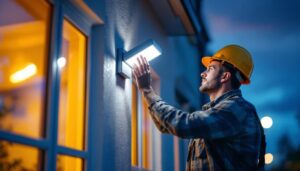
Mounting down lights often requires working at height or integrating fixtures into existing structures. This can pose logistical challenges and increase labor time. Planning ahead, using appropriate mounting hardware, and coordinating with other trades can streamline the process. Investing in quality fixtures designed for easy installation pays off in the long run.
Balancing Brightness and Energy Efficiency
Clients want effective lighting without high energy bills. LED technology has made it easier to achieve this balance, but choosing the right wattage and fixture efficiency is key. Avoid over-lighting by conducting thorough site assessments and using lighting design software. This ensures the project meets both aesthetic and practical goals.
Weather Resistance and Durability
Outdoor down lighting fixtures must withstand rain, wind, and temperature fluctuations. Selecting fixtures with appropriate IP ratings and durable materials is essential. Regular maintenance recommendations should be part of the client handover to ensure longevity and consistent performance.
Case Studies: Down Lighting in Action
Transforming a Backyard Patio
A residential project incorporated down lighting mounted on a pergola to create a cozy, inviting atmosphere. The contractor used warm white LEDs with adjustable beam angles to highlight the seating area while avoiding glare. Combined with path lights and uplights on surrounding trees, the space became a favorite evening retreat for the homeowners.
Enhancing Commercial Outdoor Spaces
In a restaurant’s outdoor dining area, down lighting was used to illuminate tables subtly without interfering with diners’ line of sight. The lighting contractor integrated dimmers to adjust brightness throughout the evening, balancing ambiance and functionality. The result was a visually appealing and comfortable environment that boosted customer satisfaction.
Securing a Walkway with Style
A lighting contractor installed down lights on eaves along a long walkway in a residential complex. The lights provided clear visibility without harsh shadows, improving safety while maintaining an elegant aesthetic. The use of shields ensured minimal light spill, respecting neighboring properties and local regulations.
Final Thoughts: Making Down Lighting a Priority
Down lighting is more than just an afterthought-it’s a critical component that completes the outdoor lighting puzzle. For lighting contractors, mastering this technique opens opportunities to deliver superior results that clients notice and appreciate. By understanding its benefits, technical requirements, and design potential, contractors can elevate their projects from good to exceptional.
Clients increasingly seek outdoor spaces that are functional, beautiful, and energy-efficient. Down lighting addresses all these needs, enhancing safety, ambiance, and architectural appeal. Incorporating it thoughtfully ensures lighting projects stand out, showcasing professionalism and expertise in every detail.
Illuminate Your Projects with LumenWholesale
Ready to make down lighting a standout feature in your next outdoor lighting project? At LumenWholesale, we provide lighting contractors with the highest quality, spec-grade lighting solutions at unparalleled wholesale prices. Our commitment to cutting out the middleman means you get access to premium products without the premium price tag. With our vast selection, you can find the perfect down lighting options to complete your projects, ensuring functionality, beauty, and energy efficiency. Plus, with free shipping on bulk orders, you can stock up on superior lighting while keeping your costs low. Elevate your outdoor lighting designs today and discover the best value in wholesale lighting at LumenWholesale.