Understanding Hanging Lights: More Than Just Fixtures
Hanging lights are a staple in both residential and commercial lighting projects. For lighting contractors, selecting the right type of hanging light isn’t just about aesthetics—it affects installation complexity, client satisfaction, energy efficiency, and even safety compliance. Knowing the different types of hanging lights and their applications can streamline your workflow and help you deliver superior results.
From chandeliers to pendant lights, the variety is vast. Each type has unique characteristics that influence how it should be installed, maintained, and integrated into a space. This knowledge is crucial when advising clients or troubleshooting on-site challenges.
Chandeliers, for instance, are often the centerpiece of a room, making a bold statement while providing ambient lighting. They come in various styles, from classic crystal designs to modern minimalist looks, each requiring specific installation techniques to ensure they are securely mounted and properly wired. Additionally, the height at which a chandelier is hung can dramatically alter the perception of space, making it essential for contractors to consider ceiling height and room proportions when making recommendations.
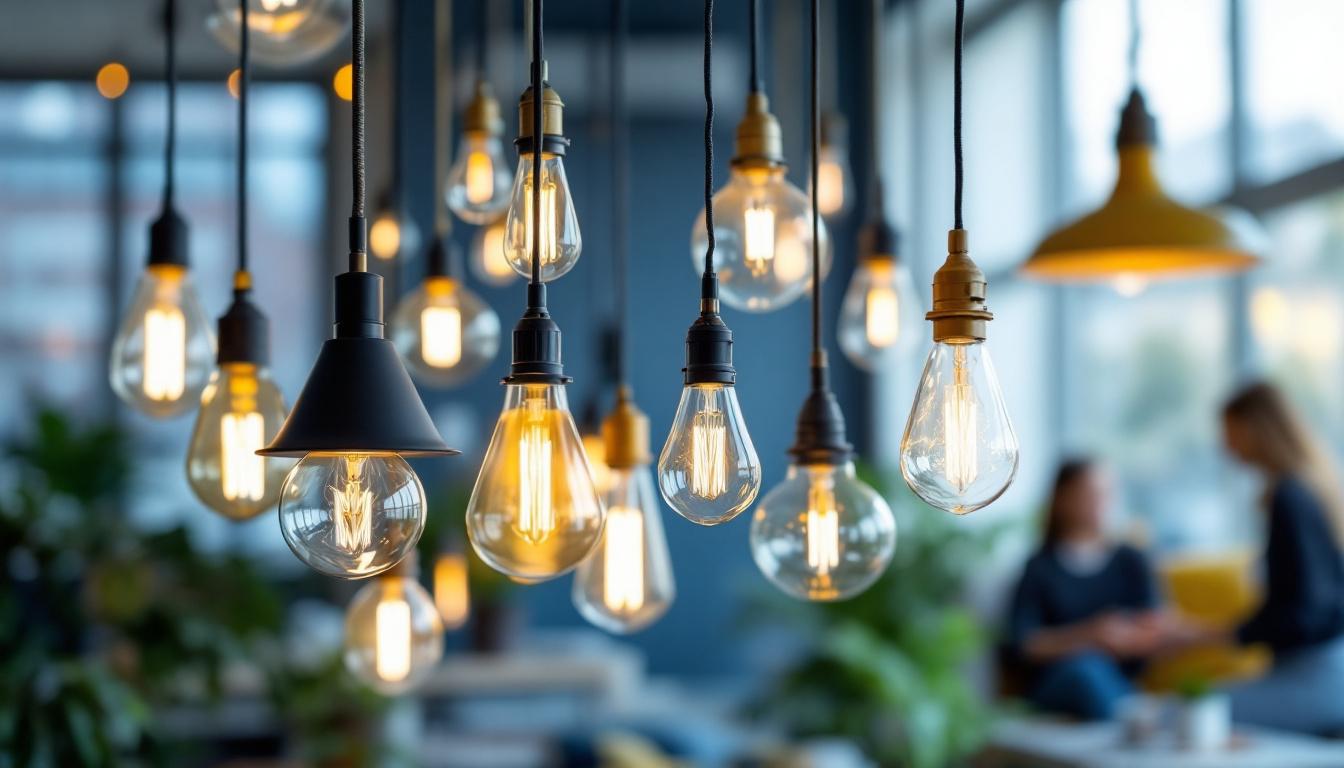
Pendant lights, on the other hand, offer versatility and can be used in a multitude of settings, from kitchens to dining areas. They can be hung individually or in clusters to create a more dynamic visual effect. The choice of bulb type and shade material can also influence the mood of the space, with options ranging from warm, inviting tones to bright, focused light. Understanding the nuances of these fixtures not only enhances the aesthetic appeal of the environment but also plays a critical role in energy efficiency, as selecting the right wattage and type of bulb can lead to significant cost savings over time.
Chandeliers: The Statement Piece
Design and Functionality
Chandeliers are often the centerpiece of a room, combining decorative appeal with functional lighting. They come in a wide range of styles—from traditional crystal designs to modern minimalist forms. For contractors, the key consideration is the weight and mounting method. Chandeliers can be heavy and require reinforced ceiling mounts or additional support structures. The choice of material also plays a crucial role in the overall aesthetic; for instance, wrought iron can evoke a rustic charm, while glass or crystal can add a touch of elegance and sophistication. The finish of the chandelier, whether it be polished brass, matte black, or brushed nickel, can further enhance the room’s decor, making it essential for contractors to consider the surrounding elements such as wall colors and furniture styles.
Installation Challenges
Installing chandeliers demands precision. Electrical wiring must be carefully routed to accommodate the fixture’s size and complexity. Additionally, many chandeliers have multiple bulbs, which means balancing electrical load and ensuring consistent illumination. Contractors should also consider ceiling height and room dimensions to recommend the right chandelier size. A chandelier that is too large can overwhelm a space, while one that is too small may get lost in the room’s proportions. Furthermore, the installation process often involves navigating existing plumbing or ductwork, which can complicate the project. It’s also important to ensure that the chandelier is hung at the right height; typically, it should be positioned about 30 to 36 inches above a dining table and 7 feet above the floor in living areas to avoid obstruction and enhance visibility.
Client Considerations
Clients often choose chandeliers to make a visual impact. Understanding their expectations about light intensity and ambiance helps in selecting the appropriate bulbs and dimming options. Offering LED-compatible chandeliers can also appeal to clients focused on energy efficiency. Beyond the technical aspects, clients may also have personal preferences that reflect their lifestyle. For example, a family with children may prioritize durability and ease of cleaning, while a couple hosting frequent gatherings might seek a chandelier that creates a warm and inviting atmosphere. Additionally, discussing the maintenance requirements of different chandelier types can help clients make informed decisions; some styles may require more frequent cleaning or special care to maintain their brilliance over time. By addressing these considerations, contractors can ensure that the chandelier not only serves its functional purpose but also aligns with the client’s vision and lifestyle needs.
Pendant Lights: Versatile and Popular
Variety and Applications
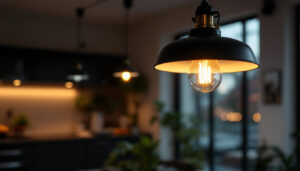
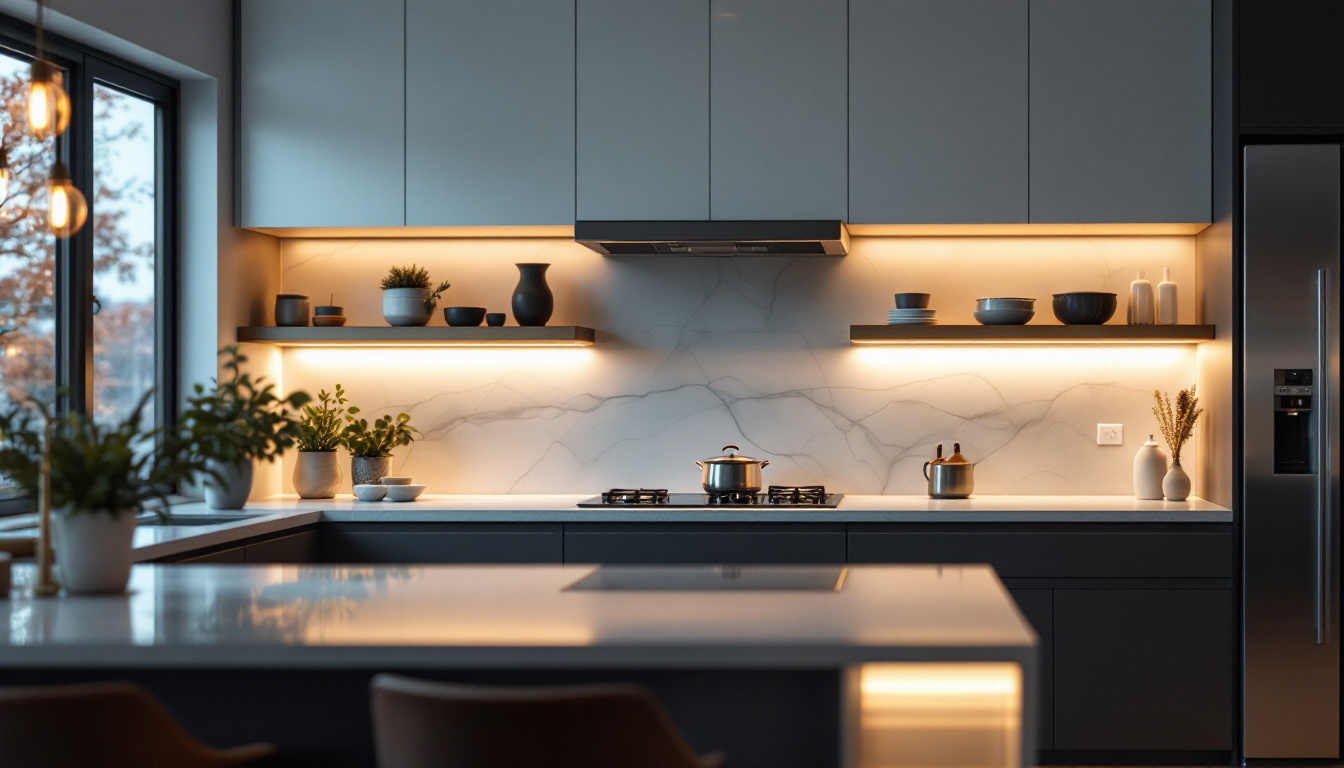
Pendant lights are incredibly versatile, suitable for kitchens, dining areas, hallways, and commercial spaces. They typically hang from a single cord, chain, or metal rod and come in various shapes and sizes. Their adaptability makes them a favorite among designers and homeowners alike. From sleek, modern designs that feature minimalist aesthetics to vintage-inspired fixtures that evoke a sense of nostalgia, the options are endless. For instance, a cluster of small pendant lights can create a stunning focal point above a kitchen island, while a single, oversized pendant can serve as a statement piece in an entryway. The right pendant light can not only illuminate a space but also enhance its overall decor, making it an essential element in interior design.
Installation Insights
For lighting contractors, pendant lights are generally easier to install than chandeliers but require careful attention to height and spacing. Incorrect placement can lead to glare or insufficient lighting. Adjustable cords or rods provide flexibility, but it’s important to secure them properly to prevent swinging or damage. Additionally, considering the room’s layout and the activities that will take place in the space is crucial. For example, in a dining area, the pendant should ideally hang about 30 to 36 inches above the table to provide adequate light without obstructing views. Moreover, using multiple pendants in a row can create a cohesive look, but spacing them evenly is key to achieving a balanced aesthetic. Proper installation not only ensures functionality but also maximizes the visual impact of the fixtures.
Energy and Bulb Options
Many pendant lights accommodate LED bulbs, which reduce energy consumption and heat output. Contractors should advise clients on bulb choices that complement the fixture’s design and the room’s lighting needs. Dimmable pendants add another layer of control, enhancing ambiance and functionality. Furthermore, the color temperature of the bulbs can greatly affect the atmosphere; warmer tones can create a cozy, inviting space, while cooler tones may be more suitable for task-oriented areas like kitchens or workspaces. It’s also worth noting that smart bulbs are becoming increasingly popular, allowing homeowners to control their lighting remotely or set schedules for energy efficiency. By integrating modern technology with stylish design, pendant lights can cater to both aesthetic preferences and practical needs, making them a smart choice for any setting.
Semi-Flush and Flush Mount Hanging Lights
When Ceiling Height Is Limited
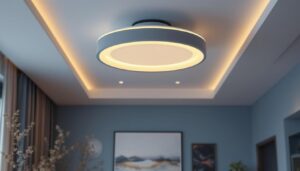
In spaces with lower ceilings, semi-flush or flush mount hanging lights are practical solutions. Semi-flush mounts hang just a few inches from the ceiling, while flush mounts sit directly against it. These types provide ambient lighting without overwhelming the space.
Installation and Safety
Installing these fixtures is generally straightforward, but contractors must ensure the mounting bracket is securely fastened to the ceiling joist. Proper wiring and grounding are essential to meet electrical codes and prevent hazards. These fixtures are often used in bedrooms, hallways, and smaller rooms where space is a premium.
Design Considerations
While these lights are less dramatic than chandeliers or pendants, they come in a variety of styles and finishes. Contractors should match the fixture style to the room’s decor and lighting requirements, balancing form and function.
Track and Rail Hanging Lights: Flexibility in Focus
Adjustable Lighting Solutions
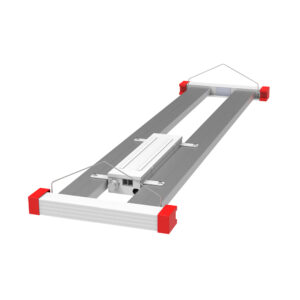
Track and rail lighting systems offer unmatched flexibility, allowing multiple light heads to be positioned along a track. This makes them ideal for galleries, retail spaces, and modern homes where directional lighting is needed.
Installation Complexity
Installing track lighting requires precise electrical planning. The track must be securely mounted and wired to handle the total wattage of all fixtures. Contractors should be familiar with different track systems-H, J, and L types-and ensure compatibility with the chosen light heads.
Client Benefits
Clients appreciate the ability to adjust lighting angles and add or remove fixtures easily. This adaptability can be a strong selling point, especially in commercial projects where lighting needs may change frequently.
Industrial and Cage Hanging Lights: Style Meets Durability
Design Trends and Practicality
Industrial-style hanging lights with metal cages or exposed bulbs have surged in popularity. They offer a rugged aesthetic while protecting bulbs from damage in high-traffic or workshop environments.
Installation Considerations
These fixtures often require robust mounting hardware due to their weight and design. Contractors should assess the ceiling material and structure before installation. Wiring must be safely enclosed, especially in environments prone to dust or moisture.
Durability and Maintenance
Industrial hanging lights are built to last, but regular maintenance is necessary to keep them looking their best. Contractors can advise clients on cleaning procedures and bulb replacement to prolong fixture life.
Why Knowing These Types Matters for Lighting Contractors
Efficiency and Accuracy in Installation
Understanding the specific requirements of each hanging light type allows contractors to prepare adequately-whether that means bringing the right tools, ordering appropriate mounting hardware, or planning electrical load distribution. This reduces installation time and minimizes callbacks.
Client Trust and Satisfaction
Clients rely on contractors to provide expert guidance. When contractors can explain the pros and cons of different hanging lights and recommend options tailored to the client’s space and needs, it builds trust and enhances the overall project outcome.
Compliance and Safety
Different hanging lights come with different safety considerations. For example, heavy chandeliers require reinforced supports, while industrial fixtures might need special wiring to meet code. Proper knowledge ensures installations comply with local electrical codes and safety standards, protecting contractors from liability.
Energy Efficiency and Sustainability
Lighting contractors play a key role in promoting energy-efficient solutions. Choosing fixtures compatible with LED technology or integrating dimmable controls can significantly reduce energy consumption. Understanding fixture types helps contractors recommend sustainable options that align with client goals.
Final Thoughts: Mastering Hanging Light Types Enhances Professionalism
Lighting contractors who invest time in learning the nuances of hanging lights position themselves as trusted experts in their field. This expertise translates into smoother installations, happier clients, and safer, more efficient lighting solutions. Whether working on a luxury chandelier or a simple pendant, knowing the ins and outs of hanging lights is a cornerstone of professional success.
Get Your Premium Lighting Solutions at LumenWholesale
Ready to elevate your lighting projects with the finest selection of hanging lights? At LumenWholesale, we provide lighting contractors like you with exceptional, spec-grade lighting products at prices that can’t be beaten. Our commitment to quality and affordability ensures that you have access to the best lighting solutions for any installation. Say goodbye to middleman markups and hello to hassle-free bulk purchases with free shipping. Don’t compromise on quality or value—choose LumenWholesale for all your lighting needs. Start browsing our collection now and discover the perfect blend of quality, affordability, and convenience. Wholesale Lighting at the Best Value.