Why Wall Mounted Downlights Are Essential for Modern Lighting
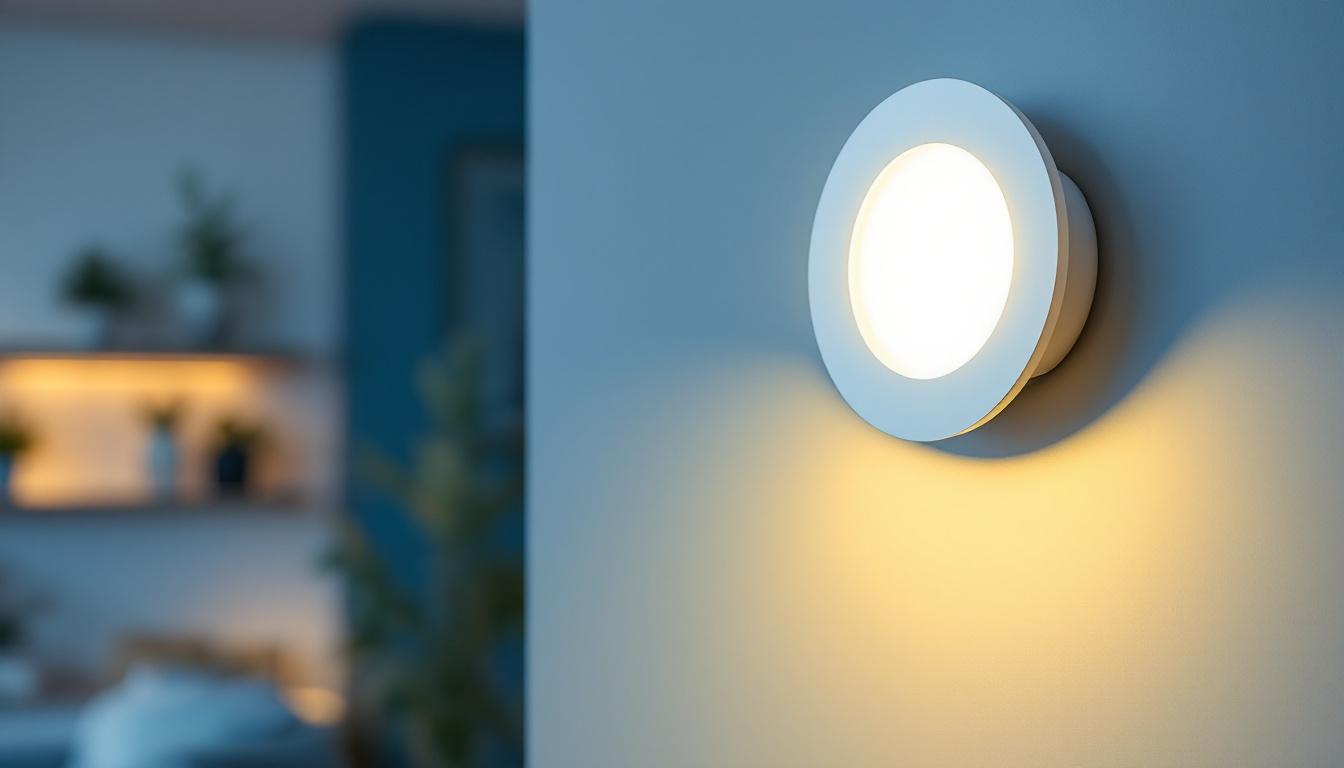
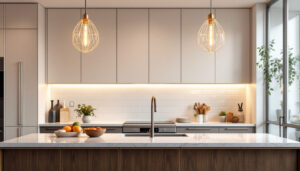
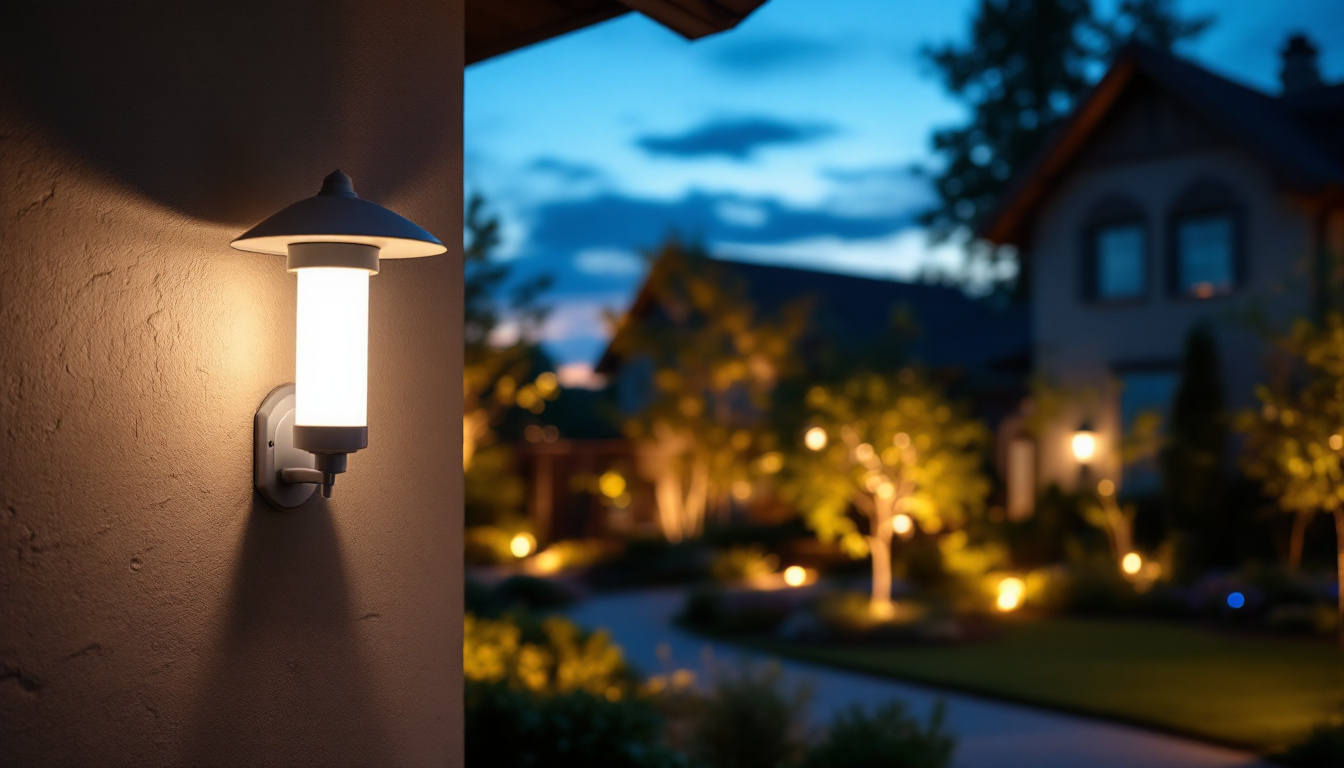
Wall mounted downlights have become a staple in contemporary lighting design, offering a sleek and functional solution that enhances both residential and commercial spaces. Unlike traditional ceiling fixtures, these lights provide targeted illumination that can highlight architectural features, improve safety, and create ambiance without overwhelming the room.
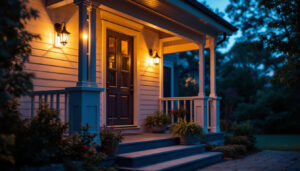
For lighting contractors, understanding the versatility and benefits of wall mounted downlights is crucial. They not only save space but also contribute to energy efficiency and design flexibility. These fixtures can be installed in hallways, staircases, living rooms, and even outdoor areas, making them a go-to choice for a wide range of projects.
One of the most appealing aspects of wall mounted downlights is their ability to adapt to various design aesthetics. Whether you are aiming for a minimalist, industrial, or even a more traditional look, these fixtures can be customized to fit seamlessly into the overall decor. Available in a variety of finishes, styles, and beam angles, wall mounted downlights can be strategically placed to create focal points or to provide subtle background lighting, enhancing the overall visual appeal of a space.
Moreover, the technological advancements in LED lighting have further elevated the functionality of wall mounted downlights. With options for dimming, color temperature adjustments, and smart home integration, these fixtures can cater to the specific needs and preferences of users. This level of customization not only enhances the user experience but also contributes to a more sustainable approach to lighting, allowing for reduced energy consumption and longer lifespans for the fixtures themselves. As a result, wall mounted downlights are not just a practical choice; they are an investment in both style and efficiency.
Key Features That Make Wall Mounted Downlights Future-Proof
Energy Efficiency and Smart Controls
Energy consumption is a primary concern for many clients, especially with rising energy costs and stricter regulations. Wall mounted downlights equipped with LED technology offer significant energy savings compared to traditional halogen or incandescent bulbs. LEDs consume up to 80% less energy and have a lifespan that can exceed 50,000 hours, reducing maintenance and replacement frequency.
Incorporating smart controls elevates these benefits. Dimmable options, occupancy sensors, and integration with building management systems allow for adaptive lighting that responds to user needs and occupancy patterns. This not only enhances energy savings but also improves user experience by providing the right amount of light at the right time. Moreover, the ability to schedule lighting based on specific activities or times of day can further optimize energy use, making it an ideal choice for both residential and commercial spaces.
Modular Design and Easy Upgradability
Future-proofing means preparing for changes without costly overhauls. Wall mounted downlights designed with modular components allow for easy upgrades. For example, swapping out LED modules or lenses to adjust beam angles and color temperatures can be done without replacing the entire fixture.
This flexibility is especially important as lighting standards evolve and client preferences shift. Contractors who specify modular downlights can offer clients a system that adapts over time, extending the life and relevance of the installation. Additionally, as new lighting technologies emerge, such as tunable white or color-changing LEDs, modular designs ensure that clients can stay on the cutting edge without incurring significant costs or disruptions to their spaces.
Durability and Compliance with Standards
Robust construction materials and IP ratings suitable for the installation environment ensure longevity. For outdoor or damp locations, selecting downlights with appropriate ingress protection prevents premature failure due to moisture or dust. Compliance with international safety and performance standards also guarantees reliability and reduces liability concerns.
Furthermore, the durability of wall mounted downlights is enhanced by features such as impact resistance and corrosion-proof finishes, making them ideal for high-traffic areas or environments with harsh conditions. This not only ensures that the fixtures maintain their aesthetic appeal over time but also contributes to the overall safety of the installation. By investing in durable lighting solutions, clients can minimize the risk of accidents and the associated costs of repairs or replacements, thereby enhancing the value of their property in the long run.
Design Considerations for Wall Mounted Downlight Projects
Placement and Spacing for Optimal Illumination
Effective lighting is about more than just installing fixtures; it requires strategic placement. Wall mounted downlights should be positioned to eliminate shadows, highlight key areas, and provide uniform illumination. For corridors and staircases, spacing them evenly at eye level enhances safety and aesthetic appeal.
Using lighting design software or photometric studies can help contractors determine the ideal number and placement of downlights. This approach minimizes guesswork and ensures the final result meets both functional and visual goals.
Choosing the Right Color Temperature and CRI
Color temperature influences the mood and usability of a space. Warmer tones (2700K–3000K) create cozy, inviting environments, ideal for residential or hospitality settings. Cooler temperatures (3500K–4000K) are preferred in offices and retail spaces where clarity and alertness are priorities.
Color Rendering Index (CRI) is equally important. A CRI of 80 or above ensures colors appear natural and vibrant, which is essential for retail, galleries, and healthcare facilities. Lighting contractors should advise clients on these parameters to align with the intended use of each space.
Architectural Integration and Aesthetic Appeal
Wall mounted downlights should complement the architectural style of the building. Slim profiles and minimalist designs blend seamlessly into modern interiors, while fixtures with decorative trims can enhance traditional or eclectic settings.
Consideration of fixture finish-matte, brushed metal, or painted surfaces-also affects the overall look. Coordinating lighting with other design elements like wall colors and textures ensures a cohesive and polished appearance.
Installation Best Practices for Longevity and Performance
Pre-Installation Planning and Coordination
Successful lighting projects start with thorough planning. Contractors should collaborate closely with architects, electricians, and clients to understand the project scope and constraints. Early involvement allows for proper wiring routes, mounting heights, and control system integration.
Documenting installation details and creating clear schematics reduces errors and rework. It also facilitates future maintenance or upgrades by providing a reliable reference.
Ensuring Proper Mounting and Wiring
Wall mounted downlights must be securely fastened to prevent movement or damage. Using appropriate anchors and mounting hardware for the wall type-drywall, concrete, or masonry-is essential. Additionally, wiring should comply with local electrical codes and be protected against environmental factors.
Contractors should test all connections and control interfaces before finalizing the installation. This proactive approach prevents operational issues and ensures client satisfaction.
Commissioning and Client Education
After installation, commissioning the lighting system verifies that all components function as intended. Adjusting dimmers, sensors, and color settings optimizes performance. Providing clients with clear instructions on operation and maintenance empowers them to get the most from their investment.
Offering ongoing support or maintenance contracts can also build long-term relationships and generate repeat business.
Trends Shaping the Future of Wall Mounted Downlights
Integration with IoT and Building Automation
Lighting is increasingly becoming part of interconnected smart building ecosystems. Wall mounted downlights integrated with the Internet of Things (IoT) enable remote monitoring, adaptive control, and data analytics. This connectivity supports energy management, predictive maintenance, and enhanced user comfort.
Lighting contractors who embrace these technologies can differentiate their services and offer clients cutting-edge solutions that align with sustainability goals and operational efficiency.
Advancements in Human-Centric Lighting
Human-centric lighting (HCL) focuses on the impact of light on health and well-being. Wall mounted downlights with tunable white capabilities can mimic natural daylight patterns, supporting circadian rhythms and improving mood and productivity.
Incorporating HCL features into projects adds value, especially in healthcare, education, and office environments. Contractors should stay informed about the latest research and product developments to recommend appropriate solutions.
Sustainability and Circular Economy Principles
Environmental considerations are driving demand for sustainable lighting products. Wall mounted downlights made from recyclable materials and designed for easy disassembly align with circular economy principles. Energy-efficient LEDs combined with responsible manufacturing practices reduce the overall carbon footprint.
Specifying eco-friendly fixtures not only meets regulatory requirements but also appeals to environmentally conscious clients, enhancing a contractor’s market reputation.
Common Challenges and How to Overcome Them
Dealing with Retrofit Projects
Retrofitting wall mounted downlights into existing structures can be tricky due to limited access, incompatible wiring, or architectural constraints. Contractors should conduct thorough site assessments and consider wireless or battery-powered options when traditional wiring is impractical.
Using adjustable fixtures and flexible mounting solutions can also help accommodate irregular surfaces or dimensions.
Balancing Cost with Quality
Clients often seek cost-effective lighting solutions, but cutting corners can compromise performance and durability. Educating clients about the long-term benefits of quality downlights, such as lower energy bills and reduced maintenance, helps justify higher upfront costs.
Offering tiered product options allows clients to choose based on budget while maintaining essential features.
Managing Client Expectations
Clear communication about what wall mounted downlights can achieve is vital. Visual aids like mock-ups, 3D renderings, or sample installations help clients understand light distribution and aesthetics.
Setting realistic timelines and explaining potential limitations upfront prevents misunderstandings and builds trust.
Conclusion: Investing in the Future of Lighting
Wall mounted downlights are more than just fixtures; they are integral components of a lighting strategy that balances form, function, and sustainability. For lighting contractors, mastering the selection, design, installation, and maintenance of these fixtures is a pathway to delivering projects that stand the test of time.
By prioritizing energy efficiency, modularity, smart controls, and quality materials, contractors can future-proof their lighting projects, ensuring client satisfaction and long-term success in an ever-changing industry.
Illuminate Your Projects with LumenWholesale
Ready to elevate your lighting projects with the latest in wall mounted downlights? Look no further than LumenWholesale for a superior selection of spec-grade lighting solutions. Our commitment to quality, affordability, and convenience ensures that you can confidently future-proof your installations while enjoying unbeatable wholesale prices. Say goodbye to middleman markups and hello to hassle-free bulk purchases with free shipping. Don’t compromise on excellence—choose Wholesale Lighting at the Best Value and make LumenWholesale your go-to source for all your lighting needs.