Why Lighting Seedlings Matters More Than You Think
When it comes to growing healthy seedlings, lighting isn’t just a minor detail-it’s the foundation of success. Seedlings are delicate and require precise light conditions to thrive. Too little light, and they become leggy and weak. Too much, and they risk burning or drying out. For lighting contractors, understanding these nuances opens up opportunities to create tailored lighting solutions that not only support plant growth but also optimize energy use and client satisfaction.
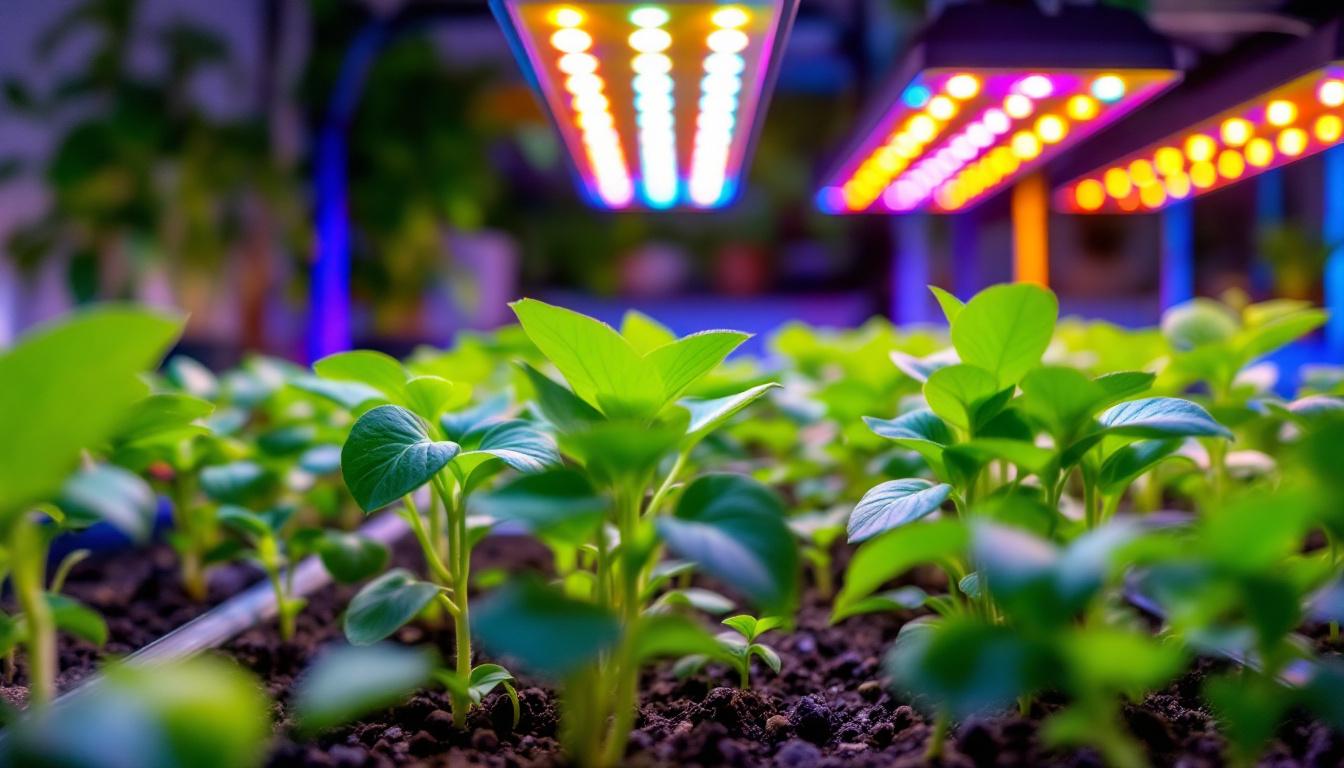
Seedlings have unique light requirements compared to mature plants. They need a specific spectrum and intensity to promote photosynthesis without overwhelming their tender leaves. This is where LED technology shines. LEDs can be fine-tuned to emit the exact wavelengths seedlings need, typically in the blue and red spectrum, which are critical for chlorophyll production and healthy development.
Recognizing this need is the first step toward better lighting designs. It’s not just about installing lights; it’s about engineering an environment where seedlings can reach their full potential. For contractors, this means moving beyond generic solutions and embracing precision lighting strategies.
Moreover, the duration of light exposure plays a crucial role in seedling development. Most seedlings thrive under a cycle of 16 to 18 hours of light followed by 6 to 8 hours of darkness, mimicking natural conditions. This photoperiodism is essential for regulating growth hormones and ensuring robust development. Contractors can leverage programmable timers and smart lighting systems to automate these cycles, ensuring that seedlings receive consistent and optimal light exposure without the need for constant manual adjustments.
Another important aspect to consider is the placement of lighting fixtures. Proper positioning can significantly impact the uniformity of light distribution across the growing area. For instance, using adjustable fixtures allows for flexibility in height and angle, ensuring that all seedlings, regardless of their position, receive adequate light. Additionally, incorporating reflective materials in the growing environment can help maximize light efficiency, bouncing unused light back onto the plants and reducing energy waste. This holistic approach not only enhances seedling health but also contributes to a more sustainable growing practice.
LED Lights: Revolutionizing Seedling Growth
Precision Spectrum Control
LEDs offer unparalleled control over light spectrum. Unlike traditional fluorescent or incandescent bulbs, LEDs can be manufactured to emit specific wavelengths that align perfectly with the photosynthetic requirements of seedlings. Blue light encourages compact, sturdy growth, while red light supports root development and flowering initiation. By combining these wavelengths in the right balance, LED fixtures create optimal growing conditions.
This precision reduces wasted energy on unnecessary light frequencies and minimizes heat output—a critical factor for seedlings that can easily overheat. For contractors, this means designing lighting systems that enhance plant health while reducing operational costs for clients. Furthermore, the ability to adjust the light spectrum allows for tailored growth strategies depending on the specific type of seedlings being cultivated. For instance, leafy greens may thrive under a different light mix compared to fruiting plants, enabling growers to maximize their yield and quality based on precise lighting conditions.
Energy Efficiency and Longevity
LEDs are far more energy-efficient than traditional lighting options, consuming a fraction of the power while delivering superior light quality. This efficiency translates into lower electricity bills and a smaller carbon footprint—selling points that resonate with environmentally conscious clients.
Moreover, LEDs have a longer lifespan, often exceeding 50,000 hours of use. This durability reduces maintenance demands and replacement costs, making LED lighting a smart investment for commercial growers and hobbyists alike. Contractors who specify LED systems can confidently promise long-term value and reliability. Additionally, the reduced heat output of LEDs means that growers can maintain optimal temperature levels without the need for extensive cooling systems, further enhancing energy savings. As more growers recognize the benefits of LED technology, the shift towards these innovative lighting solutions is not just a trend but a sustainable practice that supports the future of agriculture.
Designing Lighting Systems for Seedlings: Key Considerations
Light Intensity and Duration
Seedlings require a delicate balance of light intensity and photoperiod. Too intense, and they risk stress; too dim, and growth slows dramatically. Most seedlings thrive with light intensities ranging from 100 to 300 micromoles per square meter per second (µmol/m²/s), depending on the species. A photoperiod of 12 to 16 hours per day is generally optimal, mimicking natural daylight cycles.
Lighting contractors must tailor these parameters to the specific plants being grown. Adjustable LED fixtures make this possible, allowing for fine-tuning as seedlings progress through different growth stages. Additionally, understanding the specific light spectrum needs of various seedlings can enhance growth rates and improve overall health. For instance, blue light promotes vegetative growth, while red light can encourage flowering and fruiting when the time is right. By integrating spectrum control into their lighting systems, contractors can create a more conducive environment for seedlings to thrive.
Uniform Light Distribution
Uneven lighting leads to inconsistent growth, with some seedlings stretching toward the light while others lag behind. Designing fixtures and layouts that ensure uniform light distribution is essential. This can involve using multiple LED panels, reflective materials, or diffusers to spread light evenly across the seedling tray.
Understanding the spatial requirements and growth habits of seedlings helps contractors avoid common pitfalls like shadowing or hotspots, which compromise overall crop quality. The use of adjustable mounting heights for fixtures can also be beneficial, allowing for modifications as seedlings grow taller. Furthermore, incorporating smart lighting technology that can monitor and adjust light levels in real-time can help maintain optimal conditions, ensuring that all seedlings receive the light they need for robust growth.
Heat Management
Although LEDs produce less heat than other light sources, they still generate some warmth that can affect seedlings. Proper heat dissipation through heat sinks, fans, or ventilation systems is crucial to maintaining an ideal growing environment. Overheating can cause leaf curling, wilting, or even death.
Contractors should assess the installation environment and incorporate thermal management solutions to protect sensitive seedlings and prolong fixture life. Moreover, integrating temperature sensors into the lighting system can provide real-time feedback, allowing for immediate adjustments to prevent overheating. This proactive approach not only safeguards the seedlings but also enhances energy efficiency, as maintaining optimal temperatures can reduce the need for additional cooling systems. By prioritizing heat management, contractors can ensure that seedlings grow in a stable environment, ultimately leading to healthier plants and higher yields.
Case Studies: Successful Seedling Lighting Installations
Commercial Greenhouse Integration
A commercial greenhouse specializing in organic herbs implemented a custom LED lighting system designed specifically for seedling propagation. By using adjustable spectrum LEDs, they optimized growth rates and reduced energy consumption by nearly 40% compared to previous fluorescent setups. Uniform light distribution and precise photoperiod control led to healthier, more robust seedlings, reducing transplant shock and increasing overall yield. The greenhouse also incorporated a monitoring system that tracked growth metrics, allowing them to fine-tune their lighting strategy based on real-time data. This integration of technology not only enhanced the efficiency of their operations but also provided valuable insights into the specific light requirements of different herb varieties, leading to even more tailored growing conditions.
Urban Vertical Farming
In a vertical farm setting, space constraints demand highly efficient lighting solutions. LED panels with narrow beam angles were installed above seedling trays, providing intense, focused light without wasting energy. The system included programmable timers and dimmers, allowing operators to adjust light intensity as seedlings matured. This flexibility improved growth consistency and shortened the production cycle, demonstrating how LED technology can adapt to innovative farming models. Additionally, the vertical farm utilized reflective materials on the walls and ceilings to maximize light utilization, ensuring that every seedling received adequate exposure. The result was a significant increase in seedling uniformity, which is critical for maintaining quality as the plants transition to larger growing systems. This approach not only optimized space but also contributed to a more sustainable urban agriculture model, showcasing the potential of vertical farming in addressing food security in densely populated areas.
Future Trends in Seedling Lighting Design
Smart Lighting Systems
Integration of sensors and IoT technology is transforming lighting design. Smart LED systems can monitor light intensity, temperature, and humidity in real time, adjusting output automatically to maintain optimal conditions. For contractors, this means offering clients cutting-edge solutions that reduce labor and improve crop outcomes.
Dynamic Spectrum Adjustment
Emerging LED fixtures are capable of dynamically shifting their spectral output throughout the seedling growth cycle. This mimics natural light changes and can stimulate specific physiological responses at different stages. Lighting contractors who stay ahead of these innovations can provide more sophisticated and effective solutions.
Practical Tips for Lighting Contractors
- Understand Plant Needs: Research the species being grown to tailor light spectrum, intensity, and duration accordingly.
- Choose Quality LEDs: Invest in reputable LED manufacturers to ensure consistent performance and longevity.
- Plan for Scalability: Design lighting systems that can be expanded or modified as growing operations evolve.
- Incorporate Controls: Use dimmers, timers, and sensors to provide flexibility and precision.
- Educate Clients: Help growers understand how lighting impacts seedling health and overall crop success.
Conclusion: Lighting Designs That Grow With Seedlings
Seedlings are the starting point for every successful crop, and lighting plays a pivotal role in their development. LED technology offers lighting contractors a powerful toolkit to create environments that nurture seedlings from fragile sprouts to strong plants ready for transplanting. By focusing on spectrum control, energy efficiency, uniformity, and heat management, contractors can deliver lighting solutions that meet the exacting demands of modern horticulture.
Staying informed about technological advances and plant science ensures that lighting designs remain effective and relevant. Ultimately, the secret to better lighting designs lies in understanding the unique needs of seedlings and leveraging LED technology to meet those needs precisely. This approach not only improves plant health but also enhances client satisfaction and business success.
Illuminate Your Projects with LumenWholesale
Ready to elevate your lighting designs and give your seedlings the nurturing light they deserve? Look no further than LumenWholesale for all your lighting needs. Our extensive range of spec-grade LED products ensures that you can create the perfect environment for seedling growth, while benefiting from the best wholesale value. Say goodbye to inflated markups and hello to quality, affordability, and convenience. With free shipping on bulk orders, your next project is just a click away. Discover the difference and make your purchase today at Wholesale Lighting at the Best Value.