Understanding Outdoor Light Bulb Socket Outlets
Outdoor lighting projects often hinge on the quality and reliability of the socket outlets used. For lighting contractors, selecting the right outdoor light bulb socket outlet is not just about compatibility with bulbs; it’s about durability, safety, and ease of installation. These sockets serve as the critical interface between electrical wiring and the lighting fixture itself.
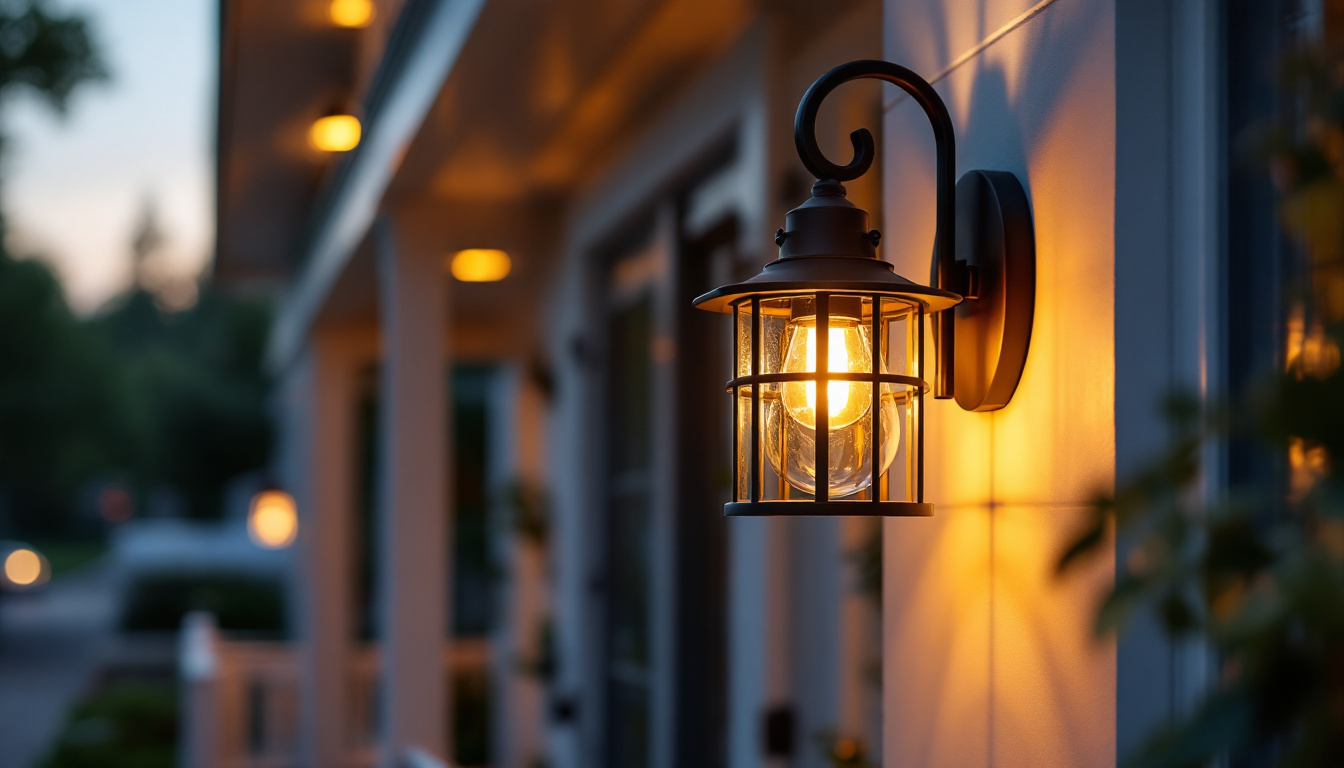
Outdoor environments present unique challenges—exposure to moisture, temperature fluctuations, and physical impact. An outdoor socket outlet must be designed to withstand these conditions without compromising electrical safety or performance. This means choosing sockets with the proper weatherproof rating and robust materials. For instance, sockets made from high-grade thermoplastics or corrosion-resistant metals can significantly extend the lifespan of the installation, ensuring that the fixtures remain functional and aesthetically pleasing throughout the seasons.
For contractors, understanding the technical specifications and installation nuances of outdoor sockets can prevent costly callbacks and ensure client satisfaction. It’s essential to know the different types of sockets available, their materials, and how they integrate with various lighting systems. Additionally, familiarity with the latest advancements in socket technology, such as smart outdoor lighting options, can provide clients with enhanced control and energy efficiency. These smart sockets often come equipped with features like remote operation, timers, and even compatibility with home automation systems, making them a popular choice for modern outdoor lighting solutions.
Moreover, proper installation techniques are crucial for maximizing the performance of outdoor sockets. This includes ensuring that all connections are secure and that the socket is mounted in a location that minimizes exposure to direct water runoff. Utilizing grommets and sealants can further enhance waterproofing, while also considering the placement of the fixture to avoid potential damage from lawn equipment or extreme weather conditions. By prioritizing these installation best practices, contractors can not only enhance the longevity of their work but also provide peace of mind to their clients, knowing that their outdoor lighting will function reliably for years to come.
Types of Outdoor Light Bulb Socket Outlets
Standard Screw-In Sockets
The most common socket type used outdoors is the standard screw-in socket, compatible with E26 or E27 bulbs. These sockets are straightforward to install and replace, making them a favorite for residential and commercial lighting projects. When selecting these sockets, contractors should look for those with weather-resistant coatings and seals to prevent water ingress.
Materials like porcelain and high-grade plastic are typical choices. Porcelain offers excellent heat resistance, which is crucial for high-wattage bulbs, while plastic sockets often feature UV resistance to prevent cracking under sunlight exposure. Additionally, many modern screw-in sockets are designed with built-in safety features, such as shrouded designs to minimize the risk of accidental contact with live parts, enhancing safety in outdoor environments.
Moreover, the versatility of standard screw-in sockets allows for a wide range of bulb options, from traditional incandescent to energy-efficient LED varieties. This adaptability not only helps homeowners save on energy costs but also provides the opportunity to customize outdoor lighting aesthetics, whether for a cozy patio atmosphere or bright security lighting.
Pin-Based Sockets
Pin-based sockets, such as GU10 or MR16 types, are often used for spotlighting or accent lighting outdoors. These sockets require bulbs with pins that fit securely into the socket, providing a stable electrical connection. They are popular in landscape lighting and architectural illumination because of their directional light capabilities.
Contractors should ensure the socket’s housing is sealed properly to avoid moisture damage, especially since these setups are frequently installed in ground fixtures or recessed housings. The design of pin-based sockets often allows for easy bulb replacement, which is particularly beneficial in installations where maintenance access may be limited.
Furthermore, pin-based bulbs tend to have a longer lifespan compared to traditional incandescent options, making them a cost-effective choice in the long run. Their ability to produce focused beams of light makes them ideal for highlighting specific features in gardens or architectural elements, enhancing both safety and visual appeal in outdoor spaces.
Specialty Sockets for Smart Lighting
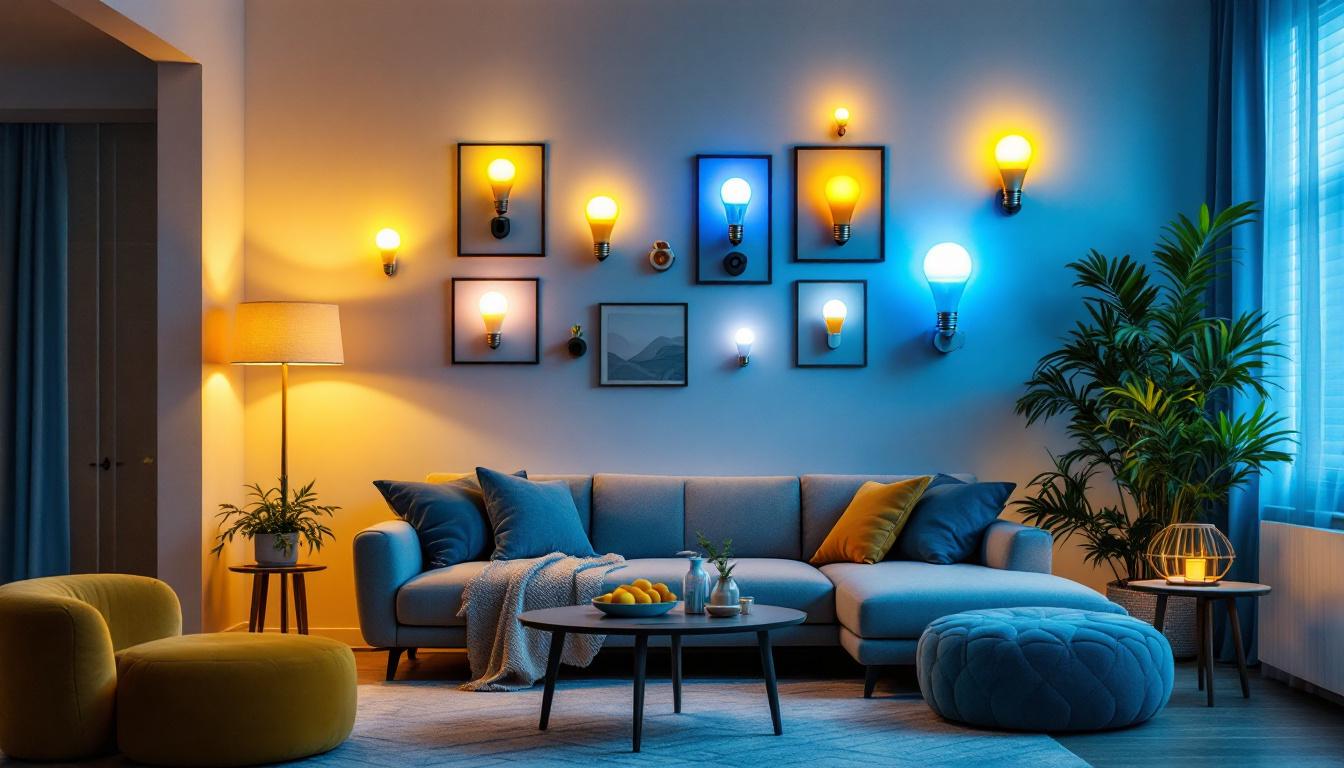
With the rise of smart outdoor lighting, sockets compatible with smart bulbs or integrated LED modules are increasingly important. These sockets often include additional wiring for data transmission or are designed to fit specific smart bulb form factors.
Lighting contractors should stay informed about the latest smart lighting technologies to advise clients correctly and install systems that are future-proof. Compatibility and ease of replacement are key factors here. Many smart sockets also offer features such as dimming capabilities and color temperature adjustments, allowing users to customize their outdoor lighting experience based on mood or occasion.
In addition, smart outdoor lighting systems can often be integrated with home automation platforms, enabling users to control their lighting remotely via smartphone apps or voice commands. This level of convenience not only enhances the user experience but also contributes to energy savings by allowing homeowners to schedule lighting based on their routines or to turn lights off when not needed, further promoting sustainability in outdoor living spaces.
Key Features to Look for in Outdoor Socket Outlets
Weatherproof Ratings
One of the most critical features for outdoor sockets is their weatherproof rating, typically indicated by an IP (Ingress Protection) code. For outdoor use, a minimum of IP44 is recommended, which protects against solid objects larger than 1mm and water splashing from any direction.
For sockets exposed to more severe conditions, such as direct rain or immersion, higher ratings like IP65 or IP67 may be necessary. These ratings ensure the socket can withstand dust, heavy rain, and even temporary submersion, which is common in flood-prone areas.
Material Durability
Materials used in outdoor sockets must resist corrosion, UV degradation, and temperature extremes. Brass contacts are preferred for their conductivity and corrosion resistance. The socket body should be made from materials like UV-stabilized plastic or porcelain.
Contractors should avoid sockets with metal parts that are prone to rust unless they are stainless steel or treated with protective coatings. This attention to material quality extends the lifespan of the installation and reduces maintenance needs.
Ease of Installation and Maintenance
Time is money in contracting. Sockets that allow for quick wiring connections, such as push-in terminals or screw terminals with clear labeling, can speed up installation. Some models come with integrated strain relief to protect wiring from mechanical stress.
Maintenance considerations include the ability to replace sockets or bulbs without dismantling large parts of the fixture. Modular designs that allow for easy swapping are highly valued, especially in commercial projects where downtime must be minimized.
Installation Best Practices for Outdoor Light Bulb Socket Outlets
Proper Wiring Techniques
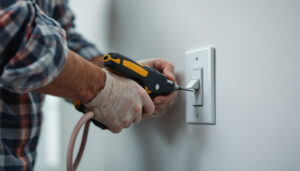
Ensuring a safe and reliable connection starts with correct wiring. Outdoor sockets should be connected using weather-resistant cables rated for exterior use. All connections need to be tight and secure to prevent arcing or loose contacts.
Contractors should always follow local electrical codes and standards, which may dictate wire gauge, grounding methods, and protection devices. Using waterproof wire connectors and sealing all junctions with appropriate compounds or tapes prevents moisture intrusion.
Mounting and Positioning
Mounting sockets in locations that minimize direct exposure to water and physical damage extends their service life. When possible, position sockets under eaves or within protective housings. For ground lighting, ensure sockets are installed in enclosures rated for burial or submersion.
Correct positioning also affects lighting performance. Contractors should consider the angle and height of the socket relative to the intended illumination area to maximize efficiency and aesthetic impact.
Testing and Verification
After installation, thorough testing is essential. Use a multimeter to verify voltage and continuity. Confirm that the socket is properly grounded and that the fixture operates without flickering or overheating.
Testing under different weather conditions, if feasible, can reveal potential issues with sealing or electrical connections. Documenting these tests provides valuable records for warranty and maintenance purposes.
Common Challenges and How to Overcome Them
Corrosion and Moisture Ingress
Outdoor sockets are vulnerable to corrosion, which can lead to poor electrical contact and failure. Preventive measures include selecting sockets with corrosion-resistant materials and ensuring all seals and gaskets are intact during installation.
Regular inspections and maintenance, especially in coastal or high-humidity environments, help detect early signs of corrosion. Applying dielectric grease to contacts can also prevent moisture-related issues.
Compatibility Issues
Not all sockets fit every bulb type or fixture. Mismatched components can cause poor connections, overheating, or mechanical failure. Lighting contractors should verify bulb and socket compatibility before installation.
Keeping a well-stocked inventory of various socket types and adapters can save time on-site. Additionally, staying updated on industry standards and bulb innovations helps avoid compatibility pitfalls.
Electrical Safety Concerns
Outdoor lighting installations must prioritize safety to prevent shocks, fires, or code violations. Improper grounding, damaged wiring, or inadequate protection from moisture are common hazards.
Contractors should use ground-fault circuit interrupters (GFCIs) where required and ensure all components meet UL or equivalent safety certifications. Training and adherence to best practices reduce risks significantly.
Emerging Trends in Outdoor Light Bulb Socket Outlets
Integration with Smart Home Systems
Smart outdoor lighting is gaining traction, with sockets designed to support wireless communication protocols like Zigbee, Z-Wave, or Wi-Fi. These sockets enable remote control, scheduling, and energy monitoring, adding value for clients.
Contractors should familiarize themselves with these technologies and consider offering integrated solutions that combine traditional durability with modern convenience.
Energy Efficiency and LED Compatibility
LED technology dominates outdoor lighting due to its low energy consumption and long lifespan. Sockets optimized for LED bulbs often include features like heat dissipation and compatibility with dimmers.
Choosing sockets that support a wide range of LED bulbs ensures flexibility for future upgrades and client preferences.
Modular and Tool-Free Designs
Ease of maintenance drives innovation in socket design. Tool-free socket outlets allow quick bulb changes and reduce labor costs. Modular components simplify repairs and upgrades without full fixture replacement.
Contractors benefit from these designs by improving job efficiency and client satisfaction.
Conclusion: Choosing the Right Outdoor Light Bulb Socket Outlet
For lighting contractors, the choice of outdoor light bulb socket outlets impacts every aspect of a project-from installation time and safety to long-term reliability and client satisfaction. Understanding the types of sockets, their materials, weatherproof ratings, and compatibility requirements is essential.
Investing time in selecting high-quality sockets and following best installation practices pays off in reduced maintenance calls and enhanced reputation. Staying abreast of emerging trends like smart integration and modular designs positions contractors as trusted experts in outdoor lighting solutions.
Ultimately, the right outdoor light bulb socket outlet is one that balances durability, safety, and functionality tailored to the specific demands of each project.
Get Your Premium Outdoor Lighting Supplies at LumenWholesale
Ready to elevate your lighting projects with the highest quality outdoor light bulb socket outlets? Look no further than LumenWholesale, where we specialize in providing lighting contractors with spec-grade lighting products at unbeatable wholesale prices. Our extensive selection is crafted to meet the most rigorous industry standards, ensuring you deliver reliable and high-performance lighting solutions to your clients. Plus, with free shipping on bulk orders, you can secure premium lighting essentials at the best value without any hidden fees. Make your next project shine with the perfect blend of quality, affordability, and convenience at LumenWholesale.