Why Corn LED Bulbs Are a Game-Changer for Lighting Projects
Corn LED bulbs have quickly become a staple in commercial and industrial lighting due to their unique design and efficiency. Their shape, reminiscent of an ear of corn, houses multiple LED chips arranged in a 360-degree pattern, providing uniform light distribution. For lighting contractors, understanding the nuances of these bulbs can unlock new possibilities in project design and execution.
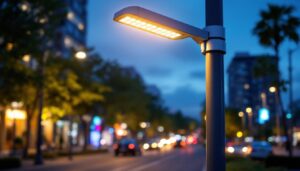
The appeal lies in their versatility. Corn LED bulbs are often used to retrofit traditional high-intensity discharge (HID) fixtures such as street lights, parking lot lamps, and warehouse lighting. They offer substantial energy savings—up to 70% less power consumption compared to conventional bulbs—while delivering comparable or better illumination. This translates into lower operational costs for clients and fewer maintenance headaches, thanks to their long lifespan, often exceeding 25,000 hours.
Moreover, the installation of corn LED bulbs can significantly enhance the quality of light in various environments. Their ability to produce bright, high-quality illumination makes them ideal for spaces that require excellent visibility, such as manufacturing facilities and retail stores. This not only improves safety for employees and customers but also enhances the overall shopping experience, as well-lit environments can lead to increased sales. Additionally, the color temperature options available with corn LED bulbs allow for tailored lighting solutions that can create the desired ambiance, whether it be a warm, inviting glow for a restaurant or a bright, clinical light for a hospital.
Another key advantage of corn LED technology is its eco-friendliness. By reducing energy consumption and minimizing the need for frequent replacements, these bulbs contribute to a decrease in carbon footprint. Many municipalities and businesses are increasingly prioritizing sustainability, and adopting corn LED bulbs aligns perfectly with these goals. Furthermore, the absence of harmful substances such as mercury, commonly found in traditional lighting options, makes corn LEDs a safer choice for both the environment and human health. As awareness of environmental issues continues to grow, the shift towards energy-efficient lighting solutions like corn LED bulbs is not just a trend but a necessary evolution in the lighting industry.
Choosing the Right Corn LED Bulb for Your Project
Assessing Wattage and Lumen Output
One of the most critical decisions when selecting corn LED bulbs is matching the wattage and lumen output to the application. Lighting contractors should carefully evaluate the existing fixture’s wattage and light output to ensure the retrofit maintains or improves lighting quality. For example, a 100W corn LED bulb can replace a 250W HID bulb, offering similar brightness but with significantly reduced energy use. This transition not only enhances energy efficiency but also contributes to lower utility bills over time, making it a financially sound choice for both residential and commercial projects.
It’s essential to consider lumen efficacy (lumens per watt) as well. High-quality corn LED bulbs typically provide between 100 to 140 lumens per watt. This metric helps contractors predict energy savings and ensure compliance with lighting standards. Avoid bulbs that overpromise lumen output, as this can lead to underwhelming performance and dissatisfied clients. Additionally, understanding the specific lighting needs of the environment—whether it’s for a warehouse, parking lot, or retail space—can guide contractors in selecting the right bulb. For instance, a warehouse may benefit from a higher lumen output to illuminate large areas effectively, while a cozy café might prioritize softer lighting to create an inviting atmosphere.
Color Temperature and Color Rendering
Color temperature plays a vital role in the atmosphere and functionality of a space. Corn LED bulbs are available in a range of color temperatures, from warm white (2700K) to daylight (5000K+). For outdoor and industrial applications, a cooler temperature (4000K to 5000K) is often preferred because it enhances visibility and safety. Conversely, warmer temperatures are typically favored in residential settings, as they create a welcoming and comfortable environment. Understanding the specific needs of the space can help contractors recommend the most suitable color temperature to their clients, ensuring that the lighting aligns with the intended mood and purpose.
Color rendering index (CRI) is another factor to consider. A CRI above 80 is generally acceptable for most commercial uses, but spaces requiring accurate color discrimination, such as retail or manufacturing, may benefit from bulbs with a CRI of 90 or higher. Lighting contractors should communicate these options to clients to tailor lighting solutions precisely. Furthermore, it’s worth noting that the CRI can significantly affect how colors appear under artificial light, which is especially crucial in settings like art galleries or fashion boutiques where color accuracy can influence purchasing decisions. By educating clients about the importance of CRI, contractors can help them make informed choices that enhance both functionality and aesthetic appeal in their spaces.
Installation Best Practices for Corn LED Bulbs
Compatibility Checks and Fixture Preparation
Before installation, verify the compatibility of the corn LED bulb with the existing fixture. Many corn LED bulbs are designed to retrofit mogul base sockets (E39/E40), common in streetlights and high bay fixtures. However, some fixtures may require adapters or additional modifications. It’s also important to check the wattage of the existing bulbs and ensure that the new LED bulbs match or are compatible with the electrical specifications of the fixture to avoid any potential issues.
Inspect the fixture for any damage or corrosion, especially in outdoor settings. Clean the socket and ensure the fixture’s ballast is bypassed if the LED bulb is designed for direct line voltage. This step is crucial as leaving the ballast in place can cause flickering or reduce bulb lifespan. Additionally, consider the overall condition of the fixture itself; replacing old or worn-out components can significantly enhance the performance of your new LED bulbs. If the fixture has been in use for many years, it may be wise to evaluate whether it meets current safety standards and energy efficiency requirements.
Handling and Mounting Tips
LED bulbs, including corn LEDs, are sensitive to physical damage. Handle bulbs with care to avoid damaging the LED chips or the heat sink. The heat sink is particularly important because it dissipates heat and extends bulb life. Ensure bulbs are mounted securely to prevent vibration or movement, which can lead to premature failure. When mounting, use the appropriate tools and follow the manufacturer’s guidelines to ensure a proper fit. If you’re unsure about the installation process, consulting a professional electrician can save time and prevent costly mistakes.
In areas with high moisture or dust, consider using fixtures with appropriate ingress protection (IP) ratings. While many corn LED bulbs are rated for damp locations, pairing them with IP-rated fixtures enhances durability and reliability. Furthermore, consider the orientation of the bulb; some corn LEDs perform better when installed in a vertical position, while others are designed for horizontal mounting. Proper orientation can optimize light distribution and efficiency, ensuring that you get the most out of your investment. Additionally, take into account the surrounding environment; for instance, in industrial settings, using protective covers can further shield the bulbs from dust and debris, prolonging their operational life.
Common Challenges and How to Overcome Them
Addressing Flickering and Compatibility Issues
Flickering is a frequent complaint when retrofitting with corn LED bulbs. This often stems from incompatibility with existing ballasts or dimmers. The simplest solution is to bypass or remove the ballast and connect the bulb directly to line voltage. If dimming is required, ensure the LED bulb is compatible with the dimmer type used.
Testing bulbs before full installation can save time and prevent callbacks. Lighting contractors should carry a sample bulb on-site and verify operation in the actual fixture. This proactive approach reduces troubleshooting after installation.
Managing Heat and Ensuring Longevity
Heat is the enemy of LED longevity. Corn LED bulbs are designed with heat sinks to manage thermal output, but improper installation or enclosed fixtures can trap heat and shorten bulb life. Contractors should advise clients to use fixtures that allow for adequate airflow or select bulbs rated for enclosed spaces.
Regular maintenance checks can identify early signs of heat-related issues, such as discoloration or reduced light output. Recommending a maintenance schedule to clients can extend the life of the lighting system and maintain performance.
Maximizing Energy Efficiency and Client Satisfaction
Leveraging Rebates and Incentives
Many utility companies offer rebates or incentives for upgrading to energy-efficient lighting like corn LED bulbs. Lighting contractors should familiarize themselves with local programs to help clients offset upfront costs. This can be a strong selling point, especially for large-scale projects where savings add up quickly.
Providing detailed energy savings calculations and payback periods can help clients make informed decisions. Tools and software are available to model lighting scenarios and demonstrate the financial benefits of retrofitting with corn LEDs.
Educating Clients on Benefits and Maintenance
Clients appreciate transparency and education. Explaining the advantages of corn LED bulbs-such as reduced energy bills, lower maintenance, and improved lighting quality-builds trust and positions contractors as knowledgeable partners. Additionally, outlining simple maintenance tips, like periodic cleaning and fixture inspections, empowers clients to protect their investment.
Clear communication about warranty terms and what to expect in terms of bulb lifespan also helps manage expectations and reduces potential disputes.
Future Trends and Innovations in Corn LED Technology
Corn LED technology continues to evolve. Recent advancements include improved thermal management systems, higher lumen outputs, and smart lighting integration. Some manufacturers now offer corn LED bulbs with built-in sensors or wireless controls, allowing for adaptive lighting based on occupancy or daylight levels.
Lighting contractors who stay abreast of these innovations can offer cutting-edge solutions that enhance energy savings and user experience. Integrating smart lighting controls with corn LED retrofits can open doors to new project opportunities and recurring service contracts.
As regulations tighten around energy consumption and environmental impact, corn LED bulbs will remain a vital tool in the contractor’s arsenal. Mastering their selection, installation, and maintenance ensures projects deliver lasting value and client satisfaction.
Illuminate Your Projects with LumenWholesale
Ready to take your lighting projects to the next level? At LumenWholesale, we provide lighting contractors like you with the highest quality, spec-grade corn LED bulbs and more at unbeatable wholesale prices. Say goodbye to local distributor markups and hello to a vast selection of reliable, high-performance lighting that meets the most rigorous industry standards. With free shipping on bulk orders, you can stock up on premium lighting solutions without worrying about hidden fees. Elevate your lighting game and ensure your projects shine bright while enjoying the best value in the market. Wholesale Lighting at the Best Value is just a click away—experience the LumenWholesale difference today!