Understanding Light Sensor Lamp Posts: Why They Matter
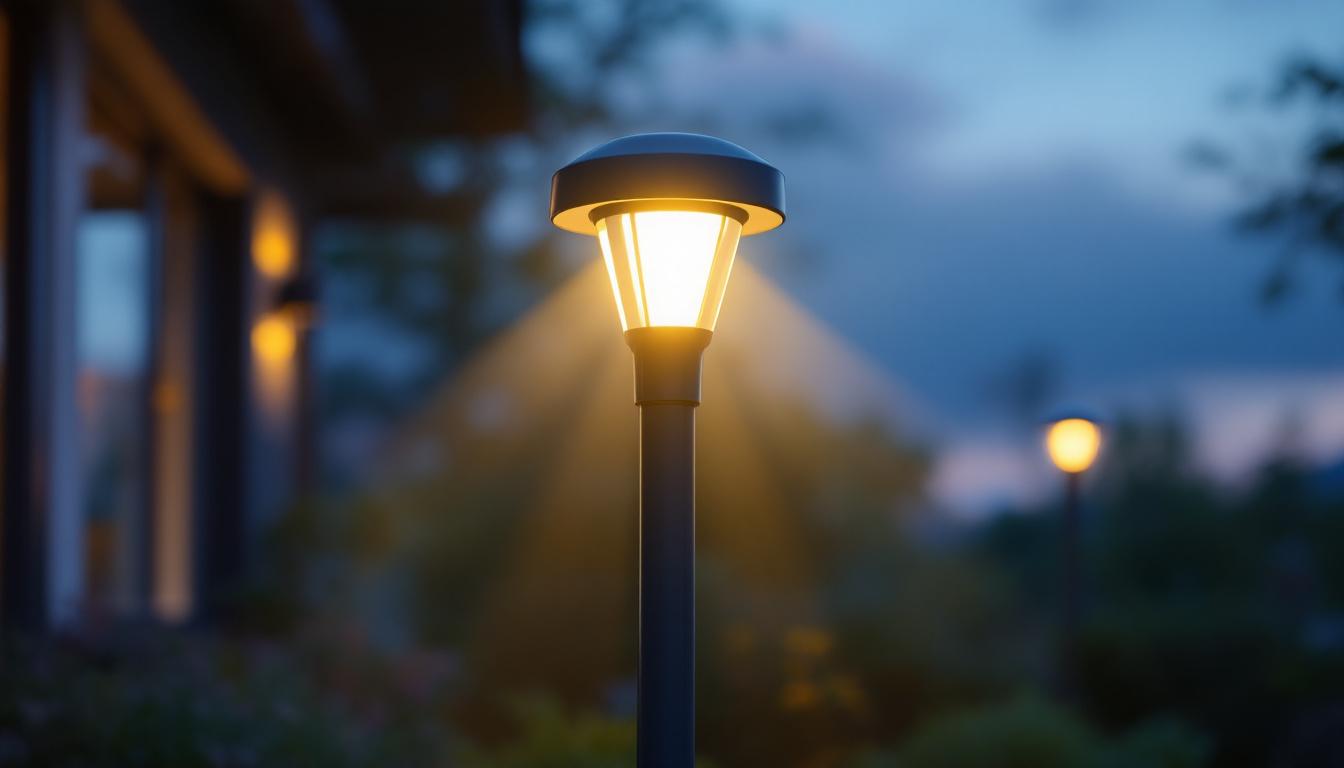
Light sensor lamp posts have transformed outdoor lighting by introducing automation that responds to ambient light levels. For lighting contractors, these fixtures offer a blend of energy efficiency, convenience, and enhanced safety for public spaces. The core advantage lies in their ability to switch on at dusk and off at dawn without manual intervention, reducing operational costs and environmental impact. This innovation not only saves energy but also extends the lifespan of the bulbs, as they are only activated when necessary, thus minimizing wear and tear.
Installing light sensor lamp posts is not just about placing a fixture; it requires a nuanced understanding of sensor technology, environmental conditions, and electrical standards. Contractors who master these elements can deliver installations that perform reliably and satisfy client expectations. Furthermore, the aesthetic appeal of these lamp posts can enhance the overall ambiance of an area, making them a popular choice for parks, streets, and commercial properties. As cities increasingly prioritize sustainability, the demand for such innovative lighting solutions continues to grow.
How Light Sensors Work
Light sensors, typically photoelectric cells or photocells, detect the intensity of natural light. When daylight fades below a certain threshold, the sensor triggers the lamp post to illuminate. Conversely, when daylight returns, the sensor turns the lamp off. This automatic response ensures lighting is active only when needed. The technology behind these sensors has evolved significantly, allowing for greater accuracy and reliability in various weather conditions, which is essential for maintaining safety in public spaces.
Modern sensors often incorporate advanced features like adjustable sensitivity, timers, and integration with smart lighting systems. Selecting the right sensor type and settings is crucial for optimal performance. For instance, some sensors can be programmed to adjust their brightness based on the level of surrounding light, providing a softer glow during twilight hours and a brighter illumination in complete darkness. Additionally, the ability to connect these sensors to a central control system allows for remote monitoring and management, enabling cities to respond quickly to maintenance needs and optimize energy use across multiple locations.
Site Assessment: The Foundation of a Successful Installation
Before installation, a thorough site assessment is indispensable. Lighting contractors must evaluate the location’s specific needs, environmental factors, and potential obstacles that could affect sensor performance.
Evaluating Ambient Light Conditions
Not all locations experience the same light patterns. Urban areas with streetlights or nearby illuminated signs may affect sensor readings, causing premature switching or failure to activate. Contractors should measure ambient light levels at different times and consider potential interference sources. Additionally, the presence of natural features such as trees or hills can create shadows that alter light conditions throughout the day. Understanding these dynamics is crucial for ensuring that the sensors function optimally, as even slight variations in ambient light can lead to significant discrepancies in performance.
Positioning and Mounting Considerations
The placement of the lamp post and sensor impacts effectiveness. Sensors should face open sky or unobstructed areas to accurately detect natural light changes. Avoid positioning near reflective surfaces or artificial light sources that could confuse the sensor. Furthermore, it is essential to consider the surrounding landscape and potential future developments that may obstruct light or create new sources of interference. For instance, if a tree grows or a building is constructed nearby, it could drastically alter the light conditions that the sensor was initially calibrated to detect.
Mounting height and angle also matter. A sensor mounted too low may be shaded by landscaping or structures, while one mounted too high might be exposed to weather elements that degrade performance. The angle of the sensor is equally important; tilting it slightly towards the expected direction of the most significant light changes can enhance its responsiveness. Contractors should also take into account the local climate, as regions with heavy snowfall or frequent rain may require additional protective measures for the sensors to ensure longevity and reliability.
Choosing the Right Light Sensor Lamp Post Components
Component selection is a critical step. From the lamp post structure to the sensor type and lighting fixture, each element influences the overall functionality and longevity. The right combination of components not only enhances the aesthetic appeal of the installation but also ensures that the lighting system operates efficiently throughout its lifespan.
Sensor Types and Features
Photoelectric sensors are the most common, but their quality varies. Look for sensors with weatherproof ratings (IP65 or higher) to withstand outdoor conditions. Some sensors offer adjustable sensitivity, allowing fine-tuning to local light conditions. This feature is particularly useful in areas where ambient light levels can fluctuate significantly, such as urban environments with streetlights or nearby buildings casting shadows.
Advanced models include dusk-to-dawn sensors combined with motion detectors or smart controls, enabling further energy savings and enhanced security. These smart sensors can be integrated with home automation systems, allowing users to control lighting remotely via smartphones or tablets. Additionally, some sensors can learn patterns of usage, adjusting the lighting based on historical data, which can lead to even greater energy efficiency over time.
Lighting Fixtures and Bulb Choices
LED fixtures dominate the market due to their energy efficiency, long lifespan, and low maintenance. Pairing LEDs with light sensors maximizes savings and reduces service calls. Ensure the fixture’s lumen output matches the area’s lighting requirements, balancing brightness with energy consumption. Moreover, consider the color temperature of the LEDs; warmer tones can create a welcoming atmosphere, while cooler tones may be better suited for security purposes.
Another important aspect is the beam angle of the fixtures. A wider beam angle can illuminate a larger area, making it ideal for parks or parking lots, whereas a narrow beam can focus light on specific pathways or entryways. This versatility in design allows for tailored lighting solutions that enhance safety and visibility, catering to the specific needs of the environment.
Durability and Compliance
Materials should be corrosion-resistant, especially in coastal or industrial environments. Complying with local electrical codes and standards is mandatory. Using certified components reduces liability and ensures safety. Additionally, consider the environmental impact of the materials used; opting for recyclable or sustainably sourced materials can contribute to a greener footprint.
It’s also wise to evaluate the warranty and support options provided by manufacturers. A robust warranty can be indicative of the product’s quality, and having access to reliable customer support can be invaluable for troubleshooting or maintenance issues. Investing in high-quality components not only enhances the performance of the lighting system but also provides peace of mind for years to come.
Installation Best Practices
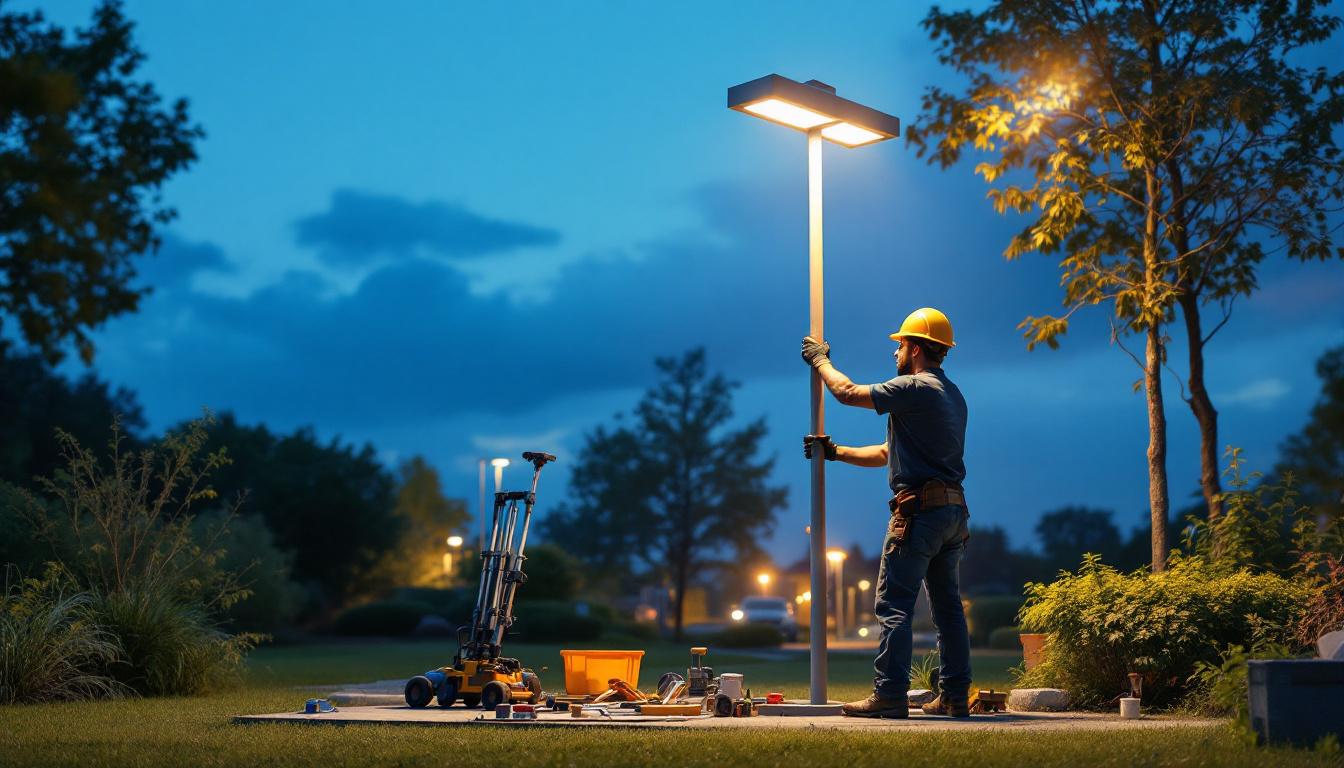
Executing the installation with precision is essential for long-term success. This phase demands attention to electrical connections, sensor calibration, and mechanical stability.
Electrical Wiring and Safety
Follow national and local electrical codes rigorously. Use weatherproof junction boxes and conduit to protect wiring from moisture and physical damage. Grounding the lamp post properly prevents electrical hazards and equipment damage.
Test circuits before finalizing installation to ensure proper voltage and sensor operation. Document wiring schematics for future maintenance.
Sensor Calibration and Testing
After installation, calibrate the sensor to the site’s ambient light conditions. Adjust sensitivity settings to prevent false triggers caused by passing vehicles or nearby artificial lights. Conduct tests at dusk and dawn to confirm the sensor activates and deactivates the lamp post accurately.
Regular testing during initial weeks helps identify and correct issues early.
Mechanical Stability and Weatherproofing
Secure the lamp post firmly to prevent tilting or damage from wind. Use appropriate anchors and bolts rated for outdoor use. Seal all joints and sensor housings to prevent water ingress, which can cause sensor failure or corrosion.
Maintenance and Troubleshooting
Maintaining light sensor lamp posts ensures consistent performance and extends their lifespan. Contractors should educate clients on routine checks and provide maintenance services.
Routine Maintenance Tasks
Clean sensors regularly to remove dirt, dust, and spider webs that can block light detection. Inspect wiring and fixtures for signs of wear or damage. Replace bulbs or components promptly to avoid outages.
Seasonal adjustments may be necessary if surrounding vegetation grows or new light sources appear nearby.
Common Issues and Solutions
False switching on/off is often caused by sensor misalignment or environmental interference. Recalibrating or repositioning the sensor usually resolves this. Sensor failure due to water damage calls for replacement with a higher-rated weatherproof model.
Electrical faults such as loose connections or blown fuses require immediate attention to prevent hazards.
Leveraging Technology: Smart Lighting Integration
Smart lighting systems are becoming increasingly popular, allowing remote control, scheduling, and data collection. Integrating light sensor lamp posts into these systems offers enhanced flexibility and efficiency.
Benefits for Lighting Contractors
Smart systems enable contractors to offer value-added services like remote diagnostics and predictive maintenance, reducing site visits and improving client satisfaction. They also facilitate compliance with energy regulations by providing usage data.
Considerations for Integration
Ensure compatibility between sensors, fixtures, and control platforms. Wireless communication protocols like Zigbee or LoRaWAN are common choices. Proper network security measures must be in place to protect against unauthorized access.
Final Thoughts on Delivering Excellence
Light sensor lamp posts represent a smart investment in outdoor lighting. For lighting contractors, mastering their installation and maintenance is a pathway to delivering reliable, energy-efficient solutions that stand the test of time.
Success hinges on thorough site assessment, careful component selection, precise installation, and proactive maintenance. Embracing advances in smart technology further elevates the value offered to clients. With these best practices, contractors can confidently navigate the complexities of light sensor lamp posts and build a reputation for quality and expertise.
Illuminate Your Projects with LumenWholesale
Ready to elevate your lighting installations with the most efficient and reliable products on the market? Look no further than LumenWholesale for all your light sensor lamp post needs. Our spec-grade lighting solutions are designed to meet the highest industry standards, ensuring that your projects shine with excellence. Benefit from our unbeatable wholesale prices and enjoy the convenience of free shipping on bulk orders. Don’t let middleman markups dim your potential—choose LumenWholesale for Wholesale Lighting at the Best Value and make every installation a beacon of quality and affordability.