Understanding Power Light Work Lights and Their Role in Energy Efficiency
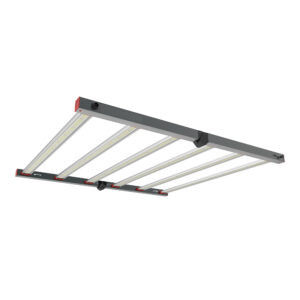
Work lights are essential tools for lighting contractors, providing focused illumination on job sites, workshops, and outdoor projects. But not all work lights are created equal, especially when it comes to power consumption and efficiency. Power light work lights combine high-intensity output with energy-saving technology, making them indispensable for professionals who want to optimize both performance and energy costs.
These lights are designed to deliver bright, consistent illumination while minimizing electricity usage. This balance is crucial on large projects where lighting can represent a significant portion of operational expenses. By understanding how power light work lights function and their benefits, contractors can make informed decisions that improve job site safety, productivity, and sustainability.
What Sets Power Light Work Lights Apart?
Unlike traditional halogen or incandescent work lights, power light work lights often utilize LED technology. LEDs consume up to 75% less energy while providing the same or better brightness levels. They also generate less heat, reducing the risk of burns or fire hazards on the job site.
Moreover, power light work lights are engineered for durability. Many models feature rugged housings, weatherproof seals, and shock-resistant designs that withstand harsh conditions. This durability reduces downtime and replacement costs, further contributing to energy and resource efficiency.
In addition to their energy-saving capabilities, power light work lights often come with advanced features such as adjustable brightness settings and color temperature options. These features allow contractors to customize the lighting according to the specific needs of each task, whether it’s a detailed assembly job requiring bright, white light or a more relaxed environment where softer illumination is preferred. Furthermore, some models incorporate smart technology, enabling remote control and scheduling, which can further enhance energy management on job sites.
Another critical aspect of power light work lights is their environmental impact. By utilizing energy-efficient LEDs, these lights not only lower electricity bills but also contribute to a reduction in carbon emissions. Many manufacturers are also committed to sustainability, using recyclable materials in their products and packaging. This commitment resonates with contractors who are increasingly aware of their ecological footprint and are seeking ways to implement greener practices in their operations. As the construction industry continues to evolve, the adoption of such energy-efficient lighting solutions will play a pivotal role in promoting a more sustainable future.
Energy Efficiency: Why It Matters for Lighting Contractors
Energy efficiency is more than just a buzzword; it’s a practical necessity for contractors managing tight budgets and environmental responsibilities. Lighting accounts for a substantial share of energy consumption on construction sites and workshops. Inefficient lighting not only inflates utility bills but also increases the carbon footprint of projects.
For contractors, adopting energy-efficient lighting solutions like power light work lights offers several advantages:
- Cost Savings: Lower energy consumption directly translates into reduced electricity bills, especially important on long-term projects.
- Improved Safety: Efficient lighting reduces glare and shadows, creating safer work environments.
- Compliance: Many building codes and regulations now include energy efficiency standards that contractors must meet.
By prioritizing energy-efficient work lights, contractors can enhance their reputation for responsible practices and attract clients who value sustainability.
Quantifying the Impact
Consider a typical LED power light work light that uses 50 watts compared to a halogen equivalent consuming 300 watts. Over a 10-hour workday, the LED uses 0.5 kWh, while the halogen uses 3 kWh. This difference adds up quickly across multiple lights and days, resulting in significant energy and cost savings.
Additionally, LEDs have longer lifespans—often exceeding 50,000 hours—meaning fewer replacements and less waste. This longevity reduces maintenance costs and environmental impact, making power light work lights a smart investment.
Moreover, the shift towards energy-efficient lighting is not just beneficial for the bottom line; it also reflects a growing commitment to sustainability in the construction industry. As clients become increasingly aware of their environmental impact, they are more likely to choose contractors who prioritize green practices. This trend is evident in the rise of green building certifications, such as LEED (Leadership in Energy and Environmental Design), which reward projects that incorporate energy-efficient technologies. By aligning with these values, contractors can not only meet client expectations but also position themselves as leaders in an evolving market.
Furthermore, the technological advancements in lighting solutions are making energy efficiency more accessible than ever. Innovations such as smart lighting systems enable contractors to optimize lighting usage based on real-time needs, adjusting brightness and even color temperature to enhance productivity and comfort. These intelligent systems can be integrated with building management software, providing valuable data analytics that help contractors make informed decisions about energy use and project planning. As the industry continues to evolve, staying informed about these advancements will be crucial for contractors aiming to maintain a competitive edge.
Key Features to Look for in Power Light Work Lights
Choosing the right power light work light involves more than just wattage and brightness. Lighting contractors should consider several features to ensure the tool meets the demands of various job sites.
Brightness and Beam Angle
Brightness is measured in lumens, and selecting the appropriate lumen output depends on the task. For detailed work, higher lumens and focused beam angles are preferable, while broader beam angles suit general area lighting.
Many modern power light work lights offer adjustable beam angles or multiple lighting modes, allowing contractors to customize illumination based on specific needs. This adaptability is particularly beneficial in environments where lighting conditions can change rapidly, such as outdoor sites at dusk or in poorly lit indoor spaces. Additionally, some advanced models come equipped with color temperature settings, enabling users to switch between warm and cool light, which can help reduce eye strain during prolonged use.
Power Source and Portability
Work lights come in corded, battery-powered, or hybrid models. Corded lights provide continuous power but may limit mobility. Battery-powered lights offer flexibility and are ideal for remote locations but require battery management.
Some power light work lights feature quick-charging batteries and long runtimes, reducing downtime. Portability is crucial for contractors moving between sites or working in confined spaces. Furthermore, lightweight designs and built-in handles enhance ease of transport, while some models even include integrated USB ports, allowing users to charge devices on the go, which can be a game-changer in remote work environments.
Durability and Weather Resistance
Job sites expose lighting equipment to dust, moisture, and impacts. Look for lights with high IP ratings (e.g., IP65 or above) indicating resistance to water and dust ingress. Shock-resistant housings and reinforced lenses extend the lifespan under tough conditions.
In addition to IP ratings, consider lights that have been tested against extreme temperatures and vibrations, ensuring they perform reliably in diverse environments. Some manufacturers even offer warranties that cover accidental damage, providing extra peace of mind for contractors who rely heavily on their equipment in demanding conditions.
Mounting Options and Adjustability
Versatile mounting options—such as tripods, magnetic bases, or hooks—allow contractors to position lights optimally. Adjustable heads and swivels enable precise control over light direction, enhancing usability and reducing shadows.
Moreover, some work lights come with integrated smart features, such as remote control or app connectivity, allowing users to adjust settings from a distance. This can be particularly useful in large areas where repositioning the light manually would be cumbersome. Additionally, certain models are designed to be daisy-chained, enabling multiple lights to be connected together for expansive coverage, making them ideal for larger job sites or events requiring extensive illumination.
Integrating Power Light Work Lights into Your Projects
Effective use of power light work lights can transform a job site, improving efficiency and safety. Here are strategies for integrating these lights into various project phases.
Pre-Project Planning
Evaluate the lighting requirements based on the scope and location of the work. Identify areas that need focused illumination versus general lighting. Incorporate energy-efficient work lights into the project budget and timeline to maximize benefits.
On-Site Deployment
Position lights to minimize glare and shadows, which can cause accidents or reduce work quality. Use adjustable mounts to adapt lighting as work progresses. Regularly inspect lights for damage or dirt that can reduce output.
Maintenance and Upkeep
Maintain cleanliness of lenses and housings to ensure maximum brightness. Replace batteries and components as needed, prioritizing manufacturer-recommended parts to preserve efficiency. Document lighting usage and performance to inform future equipment choices.
Future Trends in Power Light Work Lighting
Lighting technology continues to evolve, with innovations that promise even greater efficiency and functionality.
Smart Lighting Integration
Work lights are increasingly incorporating smart features like remote control, dimming, and scheduling via mobile apps. These capabilities allow contractors to tailor lighting precisely and reduce unnecessary energy consumption.
Solar-Powered Work Lights
Solar-powered options are gaining traction, especially for outdoor and remote sites. These lights use renewable energy to charge batteries, offering a sustainable and cost-effective solution where grid power is unavailable.
Advanced Materials and Design
New materials improve heat dissipation and durability, extending the lifespan of power light work lights. Compact, lightweight designs enhance portability without sacrificing output.
Conclusion: Making Energy-Efficient Lighting Work for You
Power light work lights represent a critical tool for lighting contractors focused on energy efficiency, safety, and cost-effectiveness. Understanding their features, benefits, and applications helps professionals select the best lighting solutions for their projects.
Investing in high-quality, energy-efficient work lights not only reduces operational expenses but also supports sustainable building practices. As the lighting industry advances, staying informed about the latest technologies ensures contractors remain competitive and responsive to client needs.
Ultimately, power light work lights are more than just illumination devices-they are strategic assets that enhance project outcomes and contribute to a greener future.
Illuminate Your Projects with LumenWholesale
Ready to elevate your lighting game with energy-efficient power light work lights? Look no further than LumenWholesale for a seamless blend of quality, affordability, and convenience. Our spec-grade lighting products are designed to meet the rigorous demands of any job site while offering the best value through unbeatable wholesale prices. Say goodbye to local distributor markups and hello to premium lighting solutions with free shipping on bulk orders. Make the smart choice for your projects and the environment. Visit LumenWholesale today to explore our selection and take the first step towards a brighter, more sustainable future.