Understanding Garage Lighting Needs
Garages serve multiple purposes beyond just parking cars. They can be workshops, storage areas, or even hobby spaces. This variety in function demands lighting that is both versatile and efficient. For lighting contractors, recognizing these needs is the first step in designing an effective lighting plan.
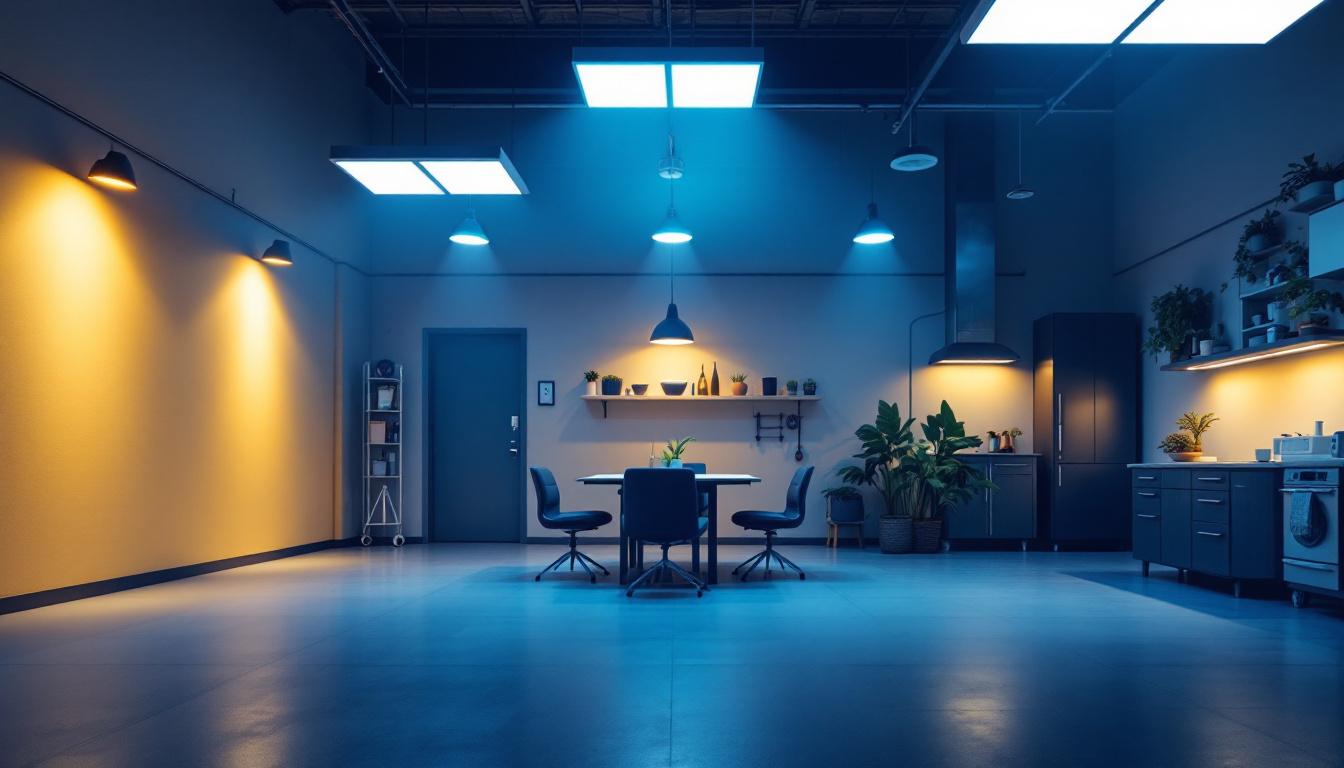
Unlike residential rooms, garages often have higher ceilings, less natural light, and surfaces that can reflect light unevenly. These factors influence the choice of fixtures, brightness levels, and placement. A well-lit garage improves safety, productivity, and the overall user experience. Moreover, the layout of the garage can significantly impact how light is distributed; for instance, a garage with multiple zones may require distinct lighting solutions tailored to each area’s specific tasks, ensuring that every corner is adequately illuminated.
Key Considerations for Garage Lighting
When planning garage lighting, contractors should prioritize brightness, color accuracy, energy efficiency, and durability. Brightness is measured in lumens, and garages typically require between 3,000 and 8,000 lumens depending on size and function. Color rendering index (CRI) is also crucial, especially for tasks like automotive work or detailed crafts where accurate color perception matters. A high CRI rating ensures that colors appear true to life, which can be particularly beneficial for those who are painting, repairing, or working with materials that require precise color matching.
Energy efficiency is a top concern for many clients. LED lighting has become the standard due to its low power consumption and long lifespan. These fixtures not only reduce electricity bills but also contribute to a more sustainable environment. Additionally, the installation of motion sensors or dimmers can further enhance energy savings by ensuring lights are only on when needed. Durability is essential since garages are often exposed to dust, moisture, and temperature fluctuations. Selecting fixtures that are rated for damp locations and are constructed from robust materials will ensure longevity and consistent performance, making them a wise investment for any garage setup.
Types of Lighting Fixtures Suitable for Garages
Choosing the right fixture type can make or break a garage lighting project. Here are the most effective options for contractors to consider:
LED Shop Lights
LED shop lights are a favorite among contractors for garage lighting. They offer bright, uniform illumination with minimal heat output. These fixtures are typically linear and can be surface-mounted or suspended, making them adaptable to different ceiling heights.
Many LED shop lights come with integrated diffusers that reduce glare and shadows, enhancing visibility. They also consume a fraction of the energy of traditional fluorescent tubes and last significantly longer, reducing maintenance calls. Additionally, some models are available with color temperature options, allowing users to choose between warm white for a cozy atmosphere or cool white for a more clinical, task-oriented environment. This versatility makes LED shop lights an excellent choice for various garage activities, from car repairs to crafting.
Flush Mount Ceiling Lights
Flush mount fixtures are ideal for garages with lower ceilings. They provide broad, ambient light without taking up much space. Modern LED flush mounts are slim, efficient, and often come with high CRI ratings, making them suitable for general lighting.
Contractors should select models with durable housings and moisture resistance, as garages can be prone to humidity and dust. Furthermore, some flush mount lights come with smart technology features, allowing homeowners to control the lighting via smartphone apps or voice commands. This integration not only enhances convenience but also enables users to set schedules or adjust brightness levels remotely, ensuring that the garage is always well-lit when needed.
Task Lighting
For garages doubling as workspaces, task lighting is indispensable. Adjustable LED work lights, under-cabinet lights, or even portable lamps can provide focused illumination exactly where it’s needed. This is essential for mechanics, woodworkers, or hobbyists who require precision.
Task lighting should be bright, shadow-free, and positioned to avoid glare in the eyes of the user. Dimmable options add flexibility, allowing users to adjust brightness based on the task. Moreover, some task lighting solutions feature magnetic bases or clip-on designs, making them easy to reposition as projects evolve. This adaptability ensures that no matter how intricate the work, the user can maintain optimal visibility and comfort throughout their tasks.
Motion Sensor Lights
Motion sensor lighting adds convenience and security to garages. These fixtures automatically turn on when movement is detected, which is particularly useful for garages that serve as entry points or for clients who often enter with full hands.
Contractors should recommend motion sensors with adjustable sensitivity and timer settings to prevent lights from turning off prematurely or staying on unnecessarily. Additionally, some advanced models come equipped with ambient light sensors that prevent activation during daylight, conserving energy and extending the lifespan of the bulbs. This feature is especially beneficial in garages that are frequently accessed during the day, ensuring that the lights only activate when truly needed. With the right motion sensor setup, homeowners can enjoy a seamless and energy-efficient lighting experience that enhances both safety and functionality in their garages.
Optimal Lighting Layout and Placement
Even the best fixtures can underperform if placed incorrectly. A thoughtful lighting layout maximizes coverage and minimizes shadows and glare.
Ceiling Height and Fixture Spacing
Higher ceilings require fixtures with higher lumen output or multiple light sources to ensure adequate brightness. For garages with ceilings over 10 feet, consider suspended LED shop lights or high bay fixtures designed for industrial use.
Spacing between fixtures depends on the type and brightness of the lights. A general rule is to space fixtures about 4 to 6 feet apart for even coverage, but this can vary based on lumen output and beam angle.
Layered Lighting Approach
Layering ambient, task, and accent lighting creates a balanced environment. Ambient lighting provides general illumination, task lighting focuses on work areas, and accent lighting can highlight storage or architectural features.
For example, a garage might have flush mount ceiling lights for ambient light, LED strip lights under cabinets for task lighting, and motion sensor floodlights near entry points for security.
Reducing Shadows and Glare
Shadows can be dangerous in a garage, especially around tools and vehicles. Positioning lights to minimize shadows involves placing fixtures on opposite sides of the workspace or using multiple light sources.
Glare can be mitigated by choosing fixtures with diffusers or frosted lenses and by avoiding direct line-of-sight to bright bulbs. Adjustable task lights help users position light precisely without causing discomfort.
Energy Efficiency and Control Options
Energy-efficient lighting reduces operational costs and appeals to environmentally conscious clients. Lighting contractors should be well-versed in the latest technologies and control systems.
LED Technology Benefits
LEDs consume up to 75% less energy than incandescent bulbs and last 25 times longer. This translates into fewer replacements and lower electricity bills. Their instant-on capability and resistance to frequent switching make them perfect for garages.
Additionally, LEDs generate less heat, which is beneficial in enclosed garage spaces that may not have climate control.
Smart Lighting Controls
Smart lighting systems offer remote control, scheduling, and automation. For garages, this can mean lights that turn on when the garage door opens or adjust brightness based on time of day.
Integrating smart controls can enhance client satisfaction and add value to the installation. Contractors should ensure compatibility with popular platforms and provide clear instructions for setup.
Dimming and Zoning
Dimmable fixtures allow users to adjust light levels based on activity, reducing energy use and enhancing comfort. Zoning involves dividing the garage into sections with independent controls, so only the necessary areas are lit.
For example, lighting the main parking area separately from a workshop zone can save energy and improve usability.
Durability and Safety Considerations
Garages are subject to dust, moisture, temperature swings, and physical impact. Lighting fixtures must be robust enough to withstand these conditions.
IP Ratings and Material Quality
Fixtures with an IP44 rating or higher offer protection against dust and water splashes, making them suitable for most garage environments. Metal housings and shatter-resistant lenses add to durability.
Contractors should recommend products with warranties and proven track records to ensure long-term performance.
Electrical Safety and Code Compliance
Proper wiring and grounding are critical in garages, especially if power tools or vehicles are present. Lighting installations must comply with local electrical codes and standards.
Using fixtures rated for damp or wet locations, installing ground-fault circuit interrupters (GFCIs), and ensuring secure mounting all contribute to a safe garage lighting system.
Case Studies: Successful Garage Lighting Installations
Examining real-world examples helps contractors understand practical challenges and solutions.
Workshop Garage Conversion
A client converted their two-car garage into a woodworking shop. The contractor installed a combination of high-output LED shop lights for ambient lighting and adjustable task lights over workbenches. Motion sensors were added near entry points for convenience.
The result was a bright, comfortable workspace that improved productivity and reduced eye strain. Energy consumption dropped by 60% compared to the previous fluorescent setup.
Residential Garage with Security Focus
Another project involved upgrading a residential garage with an emphasis on security. The contractor installed motion-activated floodlights outside and LED flush mounts inside. Smart controls allowed the homeowner to monitor and control lighting remotely.
This installation enhanced safety and provided peace of mind without excessive energy costs.
Final Recommendations for Lighting Contractors
Success in garage lighting projects comes down to understanding client needs, selecting appropriate fixtures, and executing a well-planned layout. Prioritize LED technology for efficiency and longevity, and consider smart controls to add value.
Always factor in durability and safety, and tailor solutions to the specific garage function. With these strategies, lighting contractors can deliver installations that satisfy clients and stand the test of time.
Illuminate Your Projects with LumenWholesale
Ready to elevate your garage lighting installations with products that blend quality, affordability, and convenience? Look no further than LumenWholesale. Our extensive selection of spec-grade lighting solutions is designed to meet the diverse needs of any garage space, ensuring you deliver exceptional results to your clients. By choosing us, you’re opting for top-quality lighting without the premium price tag, thanks to our direct-to-contractor wholesale pricing and free shipping on bulk orders. Don’t let hidden fees dim your project’s potential. Discover the best value in wholesale lighting and make your next installation shine with LumenWholesale.