Understanding the Appeal of Gas-Style Light Bulbs
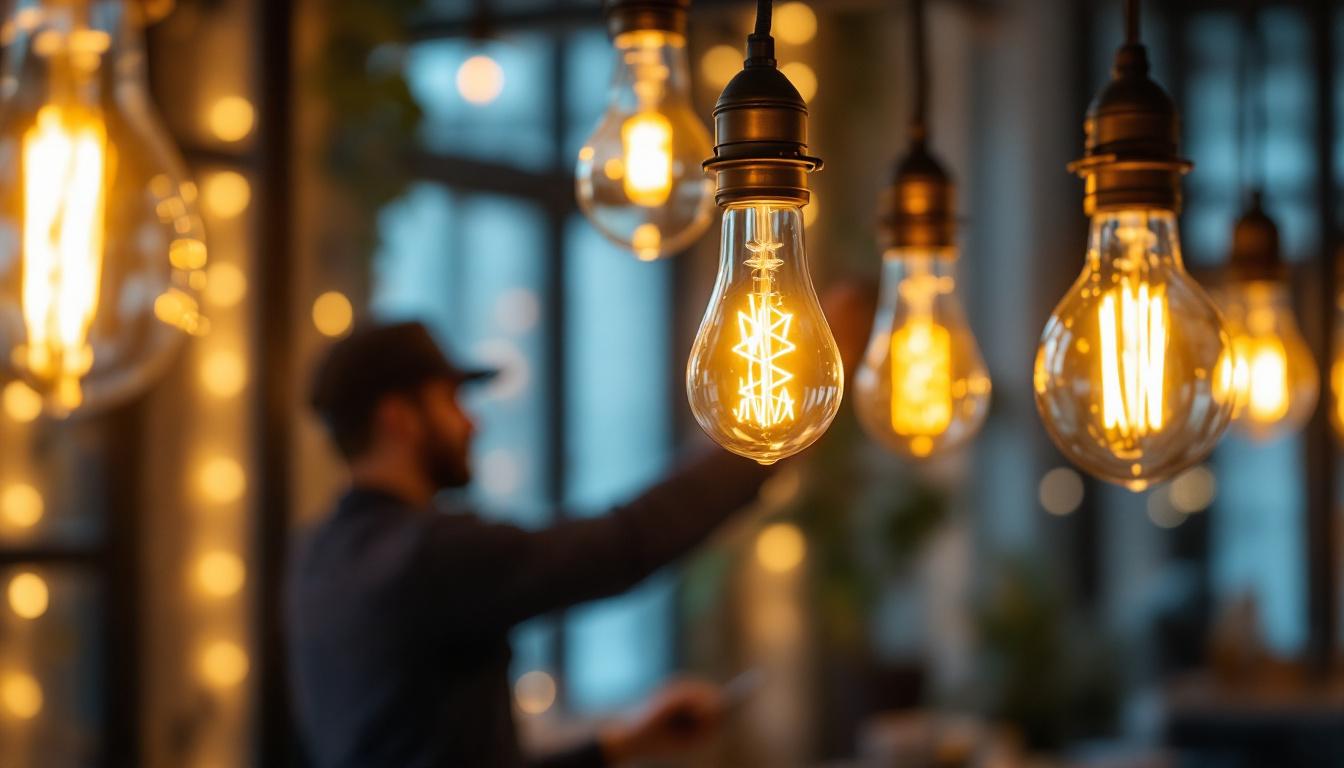
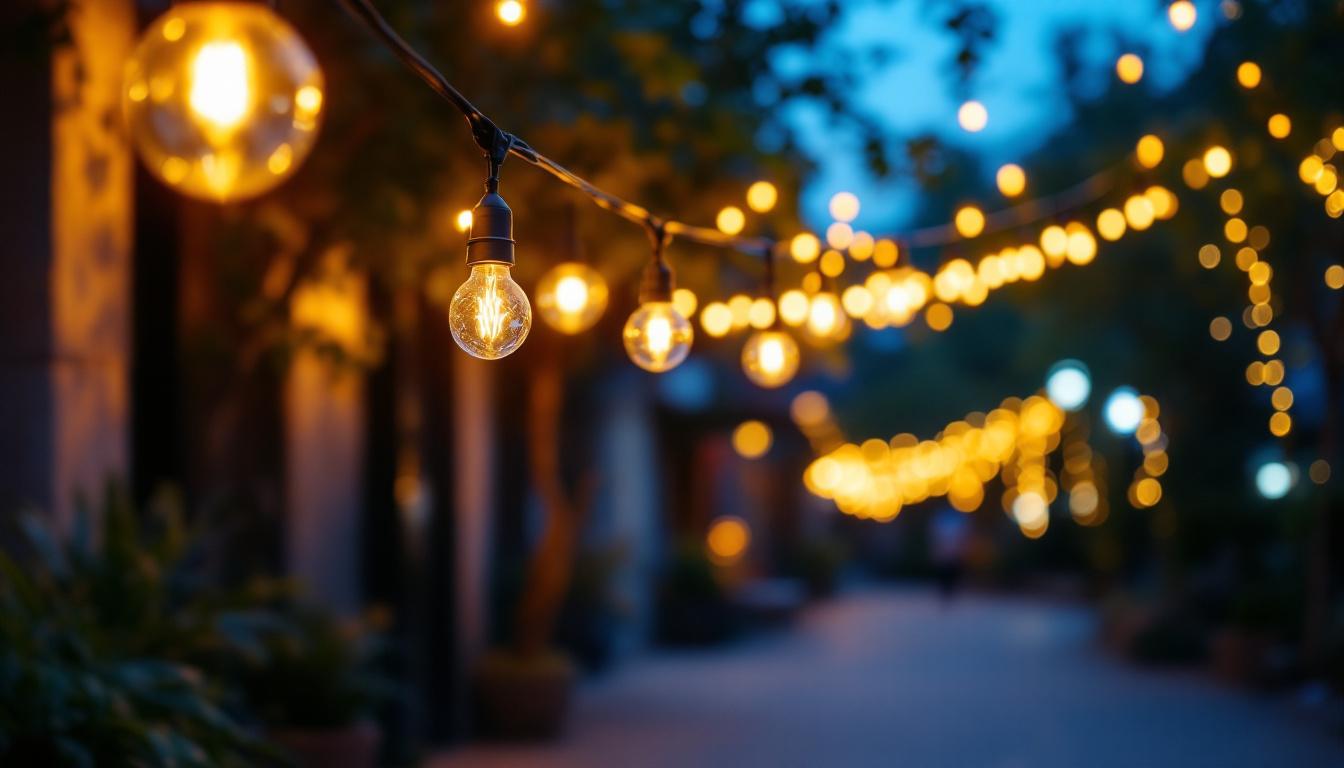
Lighting contractors often encounter clients who desire the nostalgic charm of gas lighting but want the convenience and safety of modern electric bulbs. Gas-style light bulbs, also known as filament bulbs or vintage bulbs, replicate the warm glow and intricate filament designs reminiscent of early gas lamps. These bulbs have surged in popularity, especially in hospitality, retail, and residential projects where ambiance is crucial.
The appeal lies in their ability to blend old-world aesthetics with contemporary technology. Unlike traditional incandescent bulbs, many of these gas-look bulbs use LED filaments, offering energy efficiency and longer lifespans. This combination allows contractors to meet client demands for style without compromising on performance or safety.
Moreover, the versatility of gas-style light bulbs makes them an excellent choice for various settings. In restaurants, for instance, they can create an inviting atmosphere that encourages patrons to linger and enjoy their meals, enhancing the overall dining experience. Similarly, in retail spaces, these bulbs can highlight merchandise while providing a cozy environment that draws customers in. The soft, warm light emitted by these bulbs contrasts sharply with the harsh brightness of standard fluorescent lights, making them a preferred option for creating mood and enhancing visual appeal.
In addition to their aesthetic advantages, gas-style light bulbs also offer a range of design options that cater to different tastes and styles. From exposed filaments that evoke a vintage industrial vibe to more ornate designs that fit into classic or rustic decors, there is a gas-style bulb for nearly every design scheme. This adaptability allows contractors to customize lighting solutions that align perfectly with their clients’ visions, ensuring that each space feels unique and thoughtfully designed. As a result, gas-style light bulbs not only serve a functional purpose but also become a key element of the overall interior design, contributing to the character and charm of the environment.
Types of Gas-Style Light Bulbs and Their Features
Incandescent Filament Bulbs
Incandescent filament bulbs are the closest in appearance to traditional gas lamps. They feature tungsten filaments arranged in decorative patterns, glowing with a warm amber light. While they deliver authentic aesthetics, their energy consumption and heat output are considerably higher than modern alternatives. For projects where authenticity outweighs efficiency, these bulbs remain a viable choice. Additionally, they are often favored in settings that prioritize ambiance, such as restaurants and vintage-themed events, where the soft, inviting glow of incandescent light creates a cozy atmosphere that is hard to replicate with harsher lighting options.
LED Filament Bulbs
LED filament bulbs have revolutionized the market by mimicking the look of incandescent filaments using LED technology. They offer the same warm color temperature, often around 2200K to 2700K, and intricate filament designs that replicate the vintage style. The key advantages include significantly lower energy use, reduced heat emission, and longer operational life—often exceeding 15,000 hours. This longevity not only translates to fewer replacements but also contributes to a lower carbon footprint over time. Furthermore, many LED filament bulbs are now compatible with dimmer switches, allowing users to adjust brightness levels to suit different moods and occasions, enhancing their versatility in both residential and commercial applications.
For lighting contractors, LED filament bulbs simplify installations by reducing maintenance calls and energy costs for clients, making them a smart recommendation for both new builds and retrofits. Their growing popularity has also led to a wider variety of styles and shapes, enabling designers to incorporate them into diverse lighting schemes without sacrificing aesthetic appeal.
Carbon Filament Bulbs
Less common but highly distinctive, carbon filament bulbs use carbon filaments instead of tungsten. They produce a softer, warmer glow and have a unique filament structure that enhances the vintage look. These bulbs are typically incandescent and less energy-efficient but can be used in specialized settings where visual authenticity is paramount. Their nostalgic charm makes them a favorite among antique restorers and enthusiasts who seek to maintain the original character of historic fixtures.
Moreover, carbon filament bulbs are often used in decorative applications, such as chandeliers and pendant lights, where the visual impact of the bulb itself is as important as the light it emits. The intricate designs of the filaments can create stunning visual effects when illuminated, casting beautiful shadows and patterns that enhance the overall decor. While they may not be the most practical choice for everyday use, their unique aesthetic qualities ensure that they remain a cherished option for those looking to evoke a sense of nostalgia in their lighting design.
Key Considerations When Choosing Gas-Look Bulbs
Compatibility with Fixtures
One of the first challenges lighting contractors face is ensuring the selected bulb fits existing or planned fixtures. Many vintage-style bulbs come in standard bases like E26 or E27, but sizes and shapes vary widely. Bulbs designed to look like gas lamps often have elongated or globe shapes to mimic the original gas mantles.
Contractors should verify socket compatibility and physical dimensions to avoid installation issues. Additionally, some fixtures may require dimmable bulbs to achieve the desired ambiance, so checking bulb dimming capabilities is essential. It’s also worth considering the fixture’s design and how it complements the bulb’s aesthetic. For example, a sleek, modern fixture may clash with a rustic gas-look bulb, while a vintage-style chandelier can enhance the overall charm of the space. Therefore, taking the time to match the fixture and bulb can elevate the design and create a cohesive look.
Color Temperature and Light Quality
The warm, inviting glow of gas-style bulbs is a defining feature. Most of these bulbs emit light in the 2200K to 2700K range, which is warmer than standard incandescent bulbs. This warmth enhances wood tones, brickwork, and vintage decor, making spaces feel cozy and intimate.
Lighting contractors must consider the overall lighting scheme. Mixing gas-look bulbs with cooler or daylight LEDs can create an inconsistent atmosphere. Consistency in color temperature ensures the visual effect remains authentic and pleasing. Furthermore, the color rendering index (CRI) is another critical factor; bulbs with a high CRI will render colors more accurately, which is particularly important in spaces where aesthetics matter, such as art galleries or restaurants. By choosing bulbs with a high CRI, contractors can ensure that the warm glow not only enhances the space but also showcases the true colors of the decor and furnishings.
Energy Efficiency and Longevity
While the nostalgic look is important, modern clients often prioritize sustainability and cost savings. LED filament bulbs offer the best balance, consuming up to 80% less energy than incandescent counterparts and lasting several times longer.
Contractors should educate clients on the long-term benefits of LED options, especially in commercial settings where lighting operates for extended hours. The upfront cost difference is often offset by reduced energy bills and maintenance expenses. Additionally, many LED gas-look bulbs are now designed to replicate the flicker and warmth of traditional gas lamps, providing an authentic aesthetic without sacrificing efficiency. This innovation allows businesses to maintain their vintage charm while adhering to modern energy standards, making them a smart choice for eco-conscious clients who wish to preserve the character of their spaces without compromising on sustainability.
Installation Tips for Lighting Contractors
Handling and Placement
Gas-style bulbs, especially vintage incandescent ones, can be fragile. Proper handling during installation is crucial to avoid filament damage. Wearing gloves or using a clean cloth prevents oils from fingers from shortening bulb life.
Placement also affects the visual impact. These bulbs perform best in open or clear glass fixtures where the filament is visible. Shaded or frosted fixtures can diminish the vintage effect, so contractors should advise clients accordingly.
Wiring and Dimming Compatibility
Many vintage-style bulbs are designed to work with dimmers, but not all dimming systems are compatible. LED filament bulbs require LED-compatible dimmers to avoid flickering or reduced lifespan. Contractors should test dimmers with the chosen bulbs before final installation.
Proper wiring ensures safety and optimal performance. Since some gas-look bulbs operate at lower wattages, contractors should verify that the electrical load matches the circuit specifications to prevent issues.
Common Challenges and How to Overcome Them
Balancing Aesthetics with Code Compliance
Some historical or vintage-style lighting projects must comply with modern electrical codes and energy regulations. Contractors may face restrictions on bulb wattage, fixture types, or energy efficiency standards.
Working closely with local authorities and using LED filament bulbs can help contractors meet code requirements without sacrificing the desired look. Documentation from manufacturers about energy ratings and safety certifications is valuable during inspections.
Managing Client Expectations
Clients often expect gas-style bulbs to perfectly replicate the look of original gas lamps. While modern bulbs come close, there are subtle differences in glow intensity and filament behavior.
Contractors should set realistic expectations by showing samples or mock-ups. Explaining the benefits of modern bulbs, such as safety and efficiency, helps clients appreciate the trade-offs.
Addressing Heat and Ventilation
Incandescent gas-look bulbs generate significant heat, which can affect fixture longevity and room comfort. In enclosed fixtures, heat buildup may shorten bulb life or cause damage.
Using LED filament bulbs mitigates this issue due to their low heat output. When incandescent bulbs are preferred, ensuring proper ventilation and selecting fixtures designed for higher temperatures is necessary.
Trends Driving Demand for Gas-Style Bulbs
Retro and industrial design trends have fueled demand for lighting that evokes earlier eras. Restaurants, bars, and boutique hotels often use gas-style bulbs to create inviting atmospheres that encourage lingering and socializing.
Additionally, the rise of smart home technology has intersected with vintage aesthetics. Some manufacturers now offer smart LED filament bulbs that combine classic looks with modern controls, allowing contractors to offer clients customizable lighting solutions without compromising style.
Conclusion: Why Lighting Contractors Should Embrace Gas-Style Bulbs
Gas-style light bulbs offer a unique opportunity for lighting contractors to blend artistry with technology. They satisfy client desires for ambiance and authenticity while leveraging advances in LED technology to deliver efficiency and durability.
By understanding the types of bulbs available, their technical requirements, and installation nuances, contractors can confidently recommend and install lighting solutions that elevate spaces. The key is balancing form and function, ensuring that the nostalgic charm of gas lighting is preserved without the drawbacks of outdated technology.
For contractors, mastering this balance not only enhances project outcomes but also positions them as knowledgeable professionals capable of meeting diverse client needs in a competitive market.
Discover Unmatched Value with LumenWholesale’s Gas-Style Bulbs
Ready to elevate your lighting projects with the perfect fusion of vintage charm and modern efficiency? Look no further than LumenWholesale for an exceptional range of gas-style light bulbs. Our commitment to quality and affordability ensures you receive spec-grade lighting that meets the highest industry standards, all at unbeatable wholesale prices. Say goodbye to middleman markups and hello to premium lighting with the convenience of free shipping. Make your next project shine by choosing Wholesale Lighting at the Best Value with LumenWholesale.