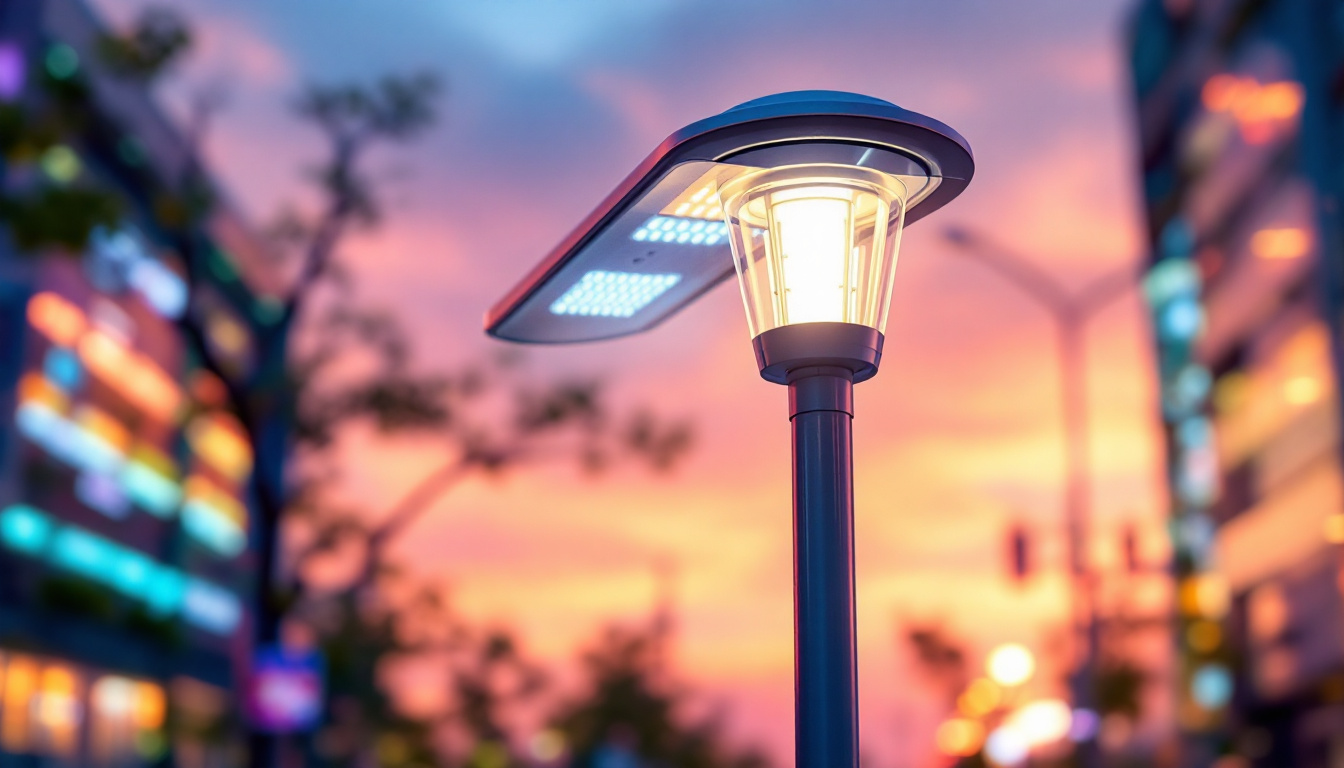
How Growing LED Lights Revolutionize Lighting Solutions
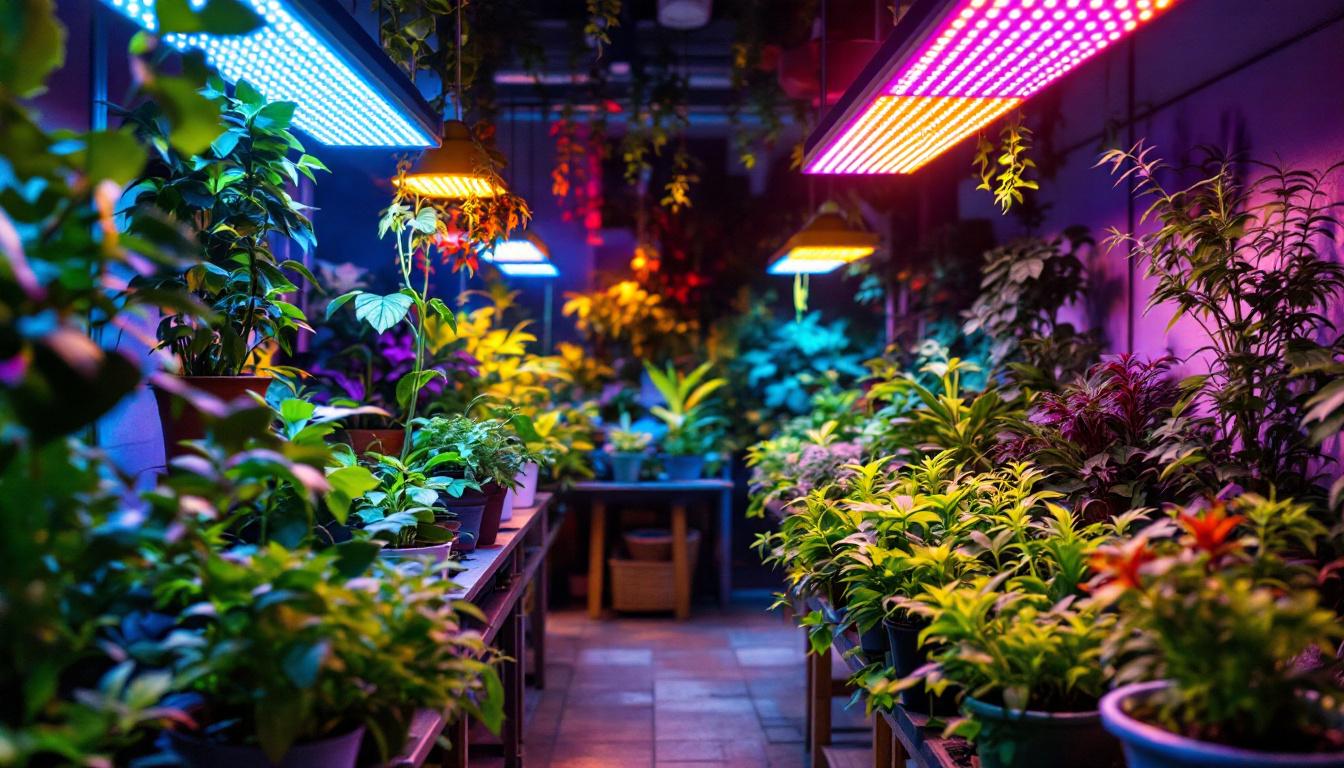
Lighting contractors are constantly seeking innovations that combine efficiency, durability, and versatility. Growing LED lights have emerged as a transformative product that addresses these needs head-on. Unlike traditional lighting options, these LEDs are specifically engineered to support plant growth by emitting tailored light spectrums. This specialization opens up new markets and applications beyond conventional illumination.
What makes growing LED lights stand out is their ability to optimize photosynthesis, which is crucial for indoor farming, horticulture, and controlled environment agriculture. By fine-tuning the light spectrum, these LEDs encourage healthier plants, faster growth cycles, and higher yields. For contractors, this means offering clients a lighting solution that directly impacts productivity and operational costs.
Moreover, the energy efficiency of growing LED lights cannot be overstated. Compared to traditional lighting systems, they consume significantly less electricity while providing the same or even greater light output. This efficiency translates into lower energy bills for growers, making it an economically attractive option. Additionally, the longevity of LED technology—often lasting up to 50,000 hours—means reduced maintenance and replacement costs, allowing contractors to provide a more reliable and cost-effective solution for their clients.
Furthermore, the versatility of growing LED lights extends beyond just enhancing plant growth. These lights can be utilized in various settings, including vertical farms, greenhouses, and even residential indoor gardens. Their compact design and ability to be integrated into existing systems make them an appealing choice for both large-scale agricultural operations and hobbyist gardeners. As the demand for locally sourced produce continues to rise, the role of innovative lighting solutions like growing LEDs will become increasingly vital in meeting the needs of a changing market.
Energy Efficiency and Cost Savings: A Dual Advantage
Lower Energy Consumption Without Sacrificing Performance
One of the most compelling reasons growing LED lights are game-changers is their remarkable energy efficiency. Compared to traditional high-intensity discharge (HID) lamps or fluorescent grow lights, LEDs consume significantly less power while delivering superior light quality. This translates into lower electricity bills for end-users, which is a critical selling point in commercial and residential projects alike.
For lighting contractors, this efficiency means fewer concerns about heat management and electrical load. Growing LEDs generate less heat, reducing the need for extensive cooling systems. This not only simplifies installation but also decreases the overall operational expenses for clients. Additionally, the reduced heat output contributes to a more stable growing environment, which can enhance plant health and growth rates. As a result, growers can achieve higher yields without the added costs associated with traditional lighting systems.
Long Lifespan and Reduced Maintenance
LED technology is known for its longevity, and growing LEDs are no exception. These lights often last tens of thousands of hours longer than traditional grow lights. The extended lifespan reduces the frequency of replacements, saving time and money on maintenance. Contractors can leverage this durability as a key benefit when recommending lighting solutions to clients. Furthermore, the lower maintenance requirements mean that growers can focus more on their plants and less on equipment upkeep, allowing for a more efficient and productive operation.
Moreover, the durability of LED lights contributes to their overall sustainability. With fewer lights being discarded and replaced, there is a significant reduction in waste, making them an eco-friendly choice for environmentally conscious growers. Many manufacturers are now offering recycling programs for old lighting equipment, further enhancing the green credentials of LED technology. This commitment to sustainability not only appeals to consumers but also aligns with broader industry trends focused on reducing carbon footprints and promoting responsible resource use.
Customizable Light Spectrums: Tailoring Growth Conditions
Plants respond to different wavelengths of light in unique ways. Growing LED lights allow for precise control over the light spectrum, enabling customization based on the specific needs of various crops. For example, blue light promotes vegetative growth, while red light encourages flowering and fruiting. Some advanced models even incorporate far-red and ultraviolet spectrums to further optimize plant development. By adjusting the light spectrum, growers can simulate natural sunlight conditions, which can be particularly beneficial in regions with limited daylight hours or during winter months.
This level of control is a significant advantage for lighting contractors working with clients in agriculture, greenhouses, or even home gardening. It allows for tailored solutions that maximize plant health and yield, which can be a strong differentiator in competitive markets. Furthermore, the ability to customize light spectrums can lead to more efficient energy use, reducing operational costs for growers. By utilizing sensors and smart technology, these systems can automatically adjust the light output based on the specific growth stage of the plants, ensuring that they receive the optimal light conditions at all times.
Moreover, the integration of customizable light spectrums can enhance the overall quality of the produce. Research has shown that specific light wavelengths can influence not only the growth rate but also the nutritional content and flavor profile of fruits and vegetables. For instance, exposure to certain wavelengths can increase the concentration of beneficial compounds like antioxidants, which are crucial for both plant health and human nutrition. This aspect is particularly appealing to health-conscious consumers and can open up new marketing avenues for growers looking to differentiate their products in a crowded marketplace.
Environmental Impact and Sustainability
Environmental considerations are increasingly influencing purchasing decisions in the lighting industry. Growing LED lights contribute positively by reducing energy consumption and minimizing waste. Their long lifespan means fewer discarded bulbs, and many models are designed with recyclable materials. This shift towards LEDs not only benefits consumers through lower electricity bills but also aids in the global effort to decrease reliance on fossil fuels, as the energy required to power these lights is significantly less than that of traditional incandescent bulbs.
Additionally, the reduced heat output lessens the carbon footprint associated with cooling systems. For contractors, promoting sustainable lighting solutions aligns with growing client demand for eco-friendly products and can enhance the reputation of their services. The integration of smart lighting systems further amplifies these benefits, allowing users to control their lighting more efficiently through automation and remote access. This technology not only optimizes energy use but also provides insights into consumption patterns, enabling users to make informed decisions about their energy habits.
Moreover, the environmental impact of lighting extends beyond energy savings. The production process of LED lights often involves fewer hazardous materials compared to traditional lighting options, leading to a decrease in harmful waste. Many manufacturers are now adopting circular economy principles, where products are designed with their end-of-life in mind, ensuring that components can be reused or repurposed. This holistic approach not only reduces environmental harm but also encourages innovation within the industry, pushing for more sustainable practices across the board.
Integration with Smart Technologies
Modern growing LED lights often come equipped with smart features, such as programmable timers, dimming capabilities, and wireless control via apps. This integration allows for precise management of light cycles, which is essential for optimizing plant growth stages. Lighting contractors can offer these advanced systems to clients seeking automation and remote monitoring, adding value to their installations.
Smart controls also facilitate energy savings by adjusting light intensity based on real-time conditions. This adaptability not only improves plant health but also reduces unnecessary power consumption, making the lighting system more efficient overall.
Market Demand and Business Opportunities for Contractors
The rise of indoor farming, vertical agriculture, and urban gardening has created a booming market for growing LED lights. Lighting contractors positioned to supply and install these specialized systems can tap into lucrative opportunities. Offering expertise in this niche can differentiate contractors from competitors who focus solely on traditional lighting.
Furthermore, the versatility of growing LEDs extends beyond agriculture. They are increasingly used in research facilities, botanical gardens, and even residential grow rooms. This broad applicability means contractors can diversify their client base and expand their service offerings.
Installation Considerations and Best Practices
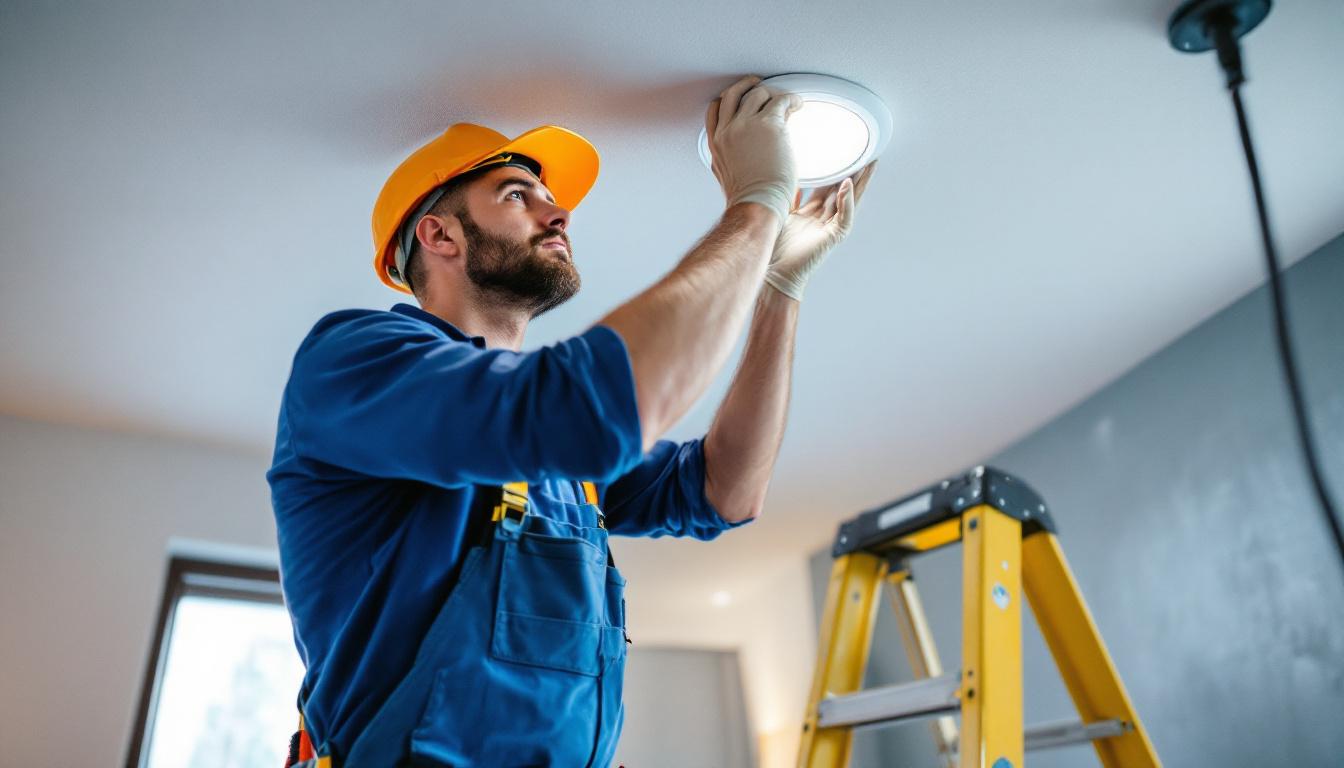
Installing growing LED lights requires an understanding of both electrical systems and horticultural principles. Contractors must assess factors such as light intensity, coverage area, mounting height, and heat dissipation to ensure optimal performance. Proper installation guarantees that plants receive uniform light distribution, which is critical for consistent growth.
Additionally, contractors should educate clients on maintenance and system adjustments, as plant needs may change throughout growth cycles. Providing this guidance enhances customer satisfaction and positions contractors as trusted advisors rather than just installers.
Challenges and How to Overcome Them
Despite their advantages, growing LED lights can present challenges. Initial costs may be higher than traditional lighting, which can deter some clients. However, emphasizing long-term energy savings and increased crop yields can justify the investment.
Another challenge is staying updated with rapidly evolving LED technology. Lighting contractors should commit to continuous learning and partner with reputable suppliers to access the latest products and training. This proactive approach ensures they remain competitive and knowledgeable.
Conclusion: A Bright Future for Lighting Contractors
Growing LED lights represent a significant shift in the lighting industry, blending technology with agriculture to create powerful, efficient solutions. For lighting contractors, embracing this innovation offers a pathway to new markets, enhanced client satisfaction, and sustainable business growth. By understanding the unique benefits and installation nuances, contractors can confidently recommend and implement these systems, positioning themselves at the forefront of a rapidly expanding sector.
Illuminate Your Projects with LumenWholesale
Ready to harness the power of growing LED lights and revolutionize your lighting projects? Look no further than LumenWholesale, where we offer an extensive selection of premium, spec-grade lighting products at unbeatable wholesale prices. Say goodbye to inflated markups and hello to top-quality lighting that meets the highest industry standards. With free shipping on bulk orders, you can trust that you’re getting the best value without any hidden fees. Elevate your lighting solutions today and experience the perfect blend of quality, affordability, and convenience. Visit LumenWholesale for Wholesale Lighting at the Best Value and light up your business with confidence.