Why 5000K Color Temperature is Ideal for High Bay Lighting
When selecting LED high bay lights, the color temperature plays a crucial role in determining the quality and effectiveness of illumination. A 5000K color temperature, often described as “daylight white,” strikes a balance that suits a variety of industrial and commercial environments. It provides a crisp, bright light that enhances visibility without causing eye strain.
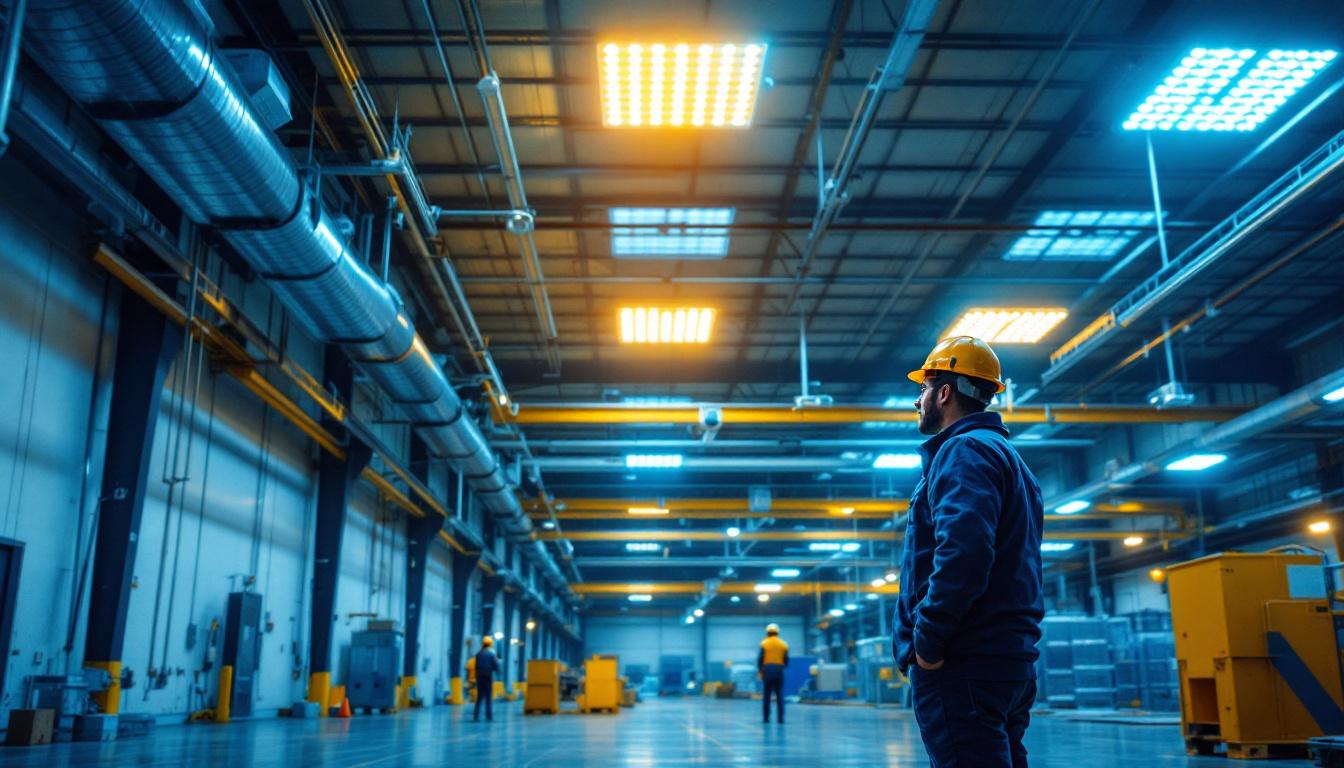
Many lighting contractors find 5000K to be the sweet spot for warehouses, manufacturing plants, and large retail spaces. This color temperature mimics natural daylight, which helps workers stay alert and focused during long shifts. Unlike warmer tones, 5000K reduces the yellowish hue that can dull colors and obscure details, making it easier to identify products, read labels, and spot potential hazards.
Additionally, 5000K LED high bay lights improve overall safety. Clear, bright lighting minimizes shadows and dark spots, which are common in high-ceiling environments. This improved visibility can reduce accidents and increase productivity, a critical consideration for contractors advising clients on lighting upgrades.
Furthermore, the 5000K color temperature is particularly beneficial in environments where color accuracy is paramount. For instance, in facilities that handle textiles, food products, or any items where color differentiation is key, this lighting ensures that the true colors are represented accurately. This is essential not only for quality control but also for customer satisfaction, as consumers often make purchasing decisions based on visual appeal. The clarity provided by 5000K lighting can lead to fewer returns and increased sales, making it a smart investment for businesses.
Moreover, the energy efficiency of LED technology combined with the 5000K color temperature means that businesses can enjoy significant cost savings over time. LED high bay lights consume less power than traditional lighting solutions, and their longer lifespan reduces the frequency of replacements. This combination not only lowers operational costs but also contributes to a more sustainable environment by reducing waste and energy consumption. As more companies strive to meet sustainability goals, the adoption of 5000K LED high bay lights represents a forward-thinking choice that aligns with both financial and environmental objectives.
Energy Efficiency and Cost Savings for Contractors and Clients
One of the strongest selling points for LED high bay lights at 5000K is their energy efficiency. Compared to traditional metal halide or fluorescent fixtures, LEDs consume significantly less power while delivering superior brightness. For contractors, this translates into an easier sell when discussing long-term operational costs with clients.
LED high bay lights can reduce energy consumption by up to 60-70%, depending on the existing lighting system. Over time, this reduction leads to substantial savings on electricity bills. Many clients are eager to invest in lighting that lowers overhead without compromising performance. Furthermore, the environmental benefits of reduced energy consumption cannot be overlooked; as businesses strive to adopt more sustainable practices, the switch to LED lighting aligns perfectly with their corporate responsibility goals.
Maintenance costs also drop dramatically with LED technology. High bay LEDs have a lifespan that often exceeds 50,000 hours, which means fewer replacements and less labor for fixture maintenance. This durability is especially important in industrial settings where downtime can be costly. Contractors should highlight these benefits during project proposals to demonstrate value beyond just the initial installation. Additionally, the robust nature of LED fixtures makes them less prone to damage from vibrations or impacts, a common issue in warehouses and manufacturing facilities. This resilience not only prolongs the life of the lights but also contributes to a safer working environment by reducing the likelihood of lighting failures.
Moreover, the versatility of LED high bay lights allows for a variety of applications, from warehouses to gymnasiums, making them an attractive option for contractors looking to expand their service offerings. The ability to customize lighting solutions, such as dimming capabilities and smart controls, can further enhance energy savings and user experience. Clients appreciate the flexibility to adjust lighting levels based on specific tasks or occupancy, which not only conserves energy but also improves overall productivity in their spaces. As contractors present these advanced features, they can effectively position themselves as leaders in the evolving landscape of energy-efficient lighting solutions.
Installation Considerations for LED High Bay Lights
Fixture Types and Mounting Options
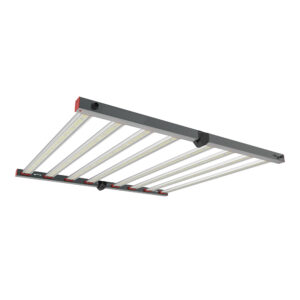
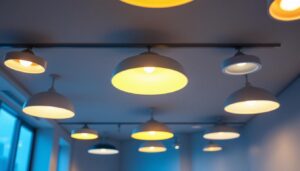
LED high bay lights come in various designs, including round, linear, and UFO-shaped fixtures. Each type offers unique advantages depending on the application. For example, UFO-style fixtures are compact and provide uniform light distribution, making them suitable for warehouses with high ceilings. In contrast, linear fixtures are often preferred in environments like manufacturing plants or gymnasiums, where long, narrow spaces require consistent illumination along the length of the area.
Mounting options include hook mounts, pendant mounts, and surface mounts. Lighting contractors must assess the ceiling height, structural support, and intended light spread before choosing the appropriate fixture and mounting method. Proper installation ensures optimal light coverage and prevents glare or dark zones. Additionally, considering the angle of the fixtures can significantly impact the effectiveness of the lighting. For instance, angled mounts can help direct light toward specific work areas, enhancing visibility and safety in industrial settings.
Wiring and Electrical Requirements
LED high bay lights typically operate on standard voltage ranges, but it’s essential to verify compatibility with the building’s electrical system. Many fixtures feature built-in drivers that support dimming and surge protection, which can extend the lifespan of the lighting system. This is particularly beneficial in environments where lighting needs may change throughout the day, allowing for energy savings and increased flexibility in lighting design.
Contractors should also consider the ease of wiring during installation. Modular designs and plug-and-play connectors can reduce labor time and minimize errors. Ensuring compliance with local electrical codes and safety standards is non-negotiable to avoid costly rework or hazards. Furthermore, integrating smart lighting controls can enhance functionality, allowing for remote adjustments and automation based on occupancy or time of day. This not only improves energy efficiency but also contributes to a more comfortable and productive environment for workers.
Optimizing Lighting Layout for Maximum Efficiency
Lighting layout is a critical factor in high bay applications. Simply installing powerful 5000K LED fixtures isn’t enough; the arrangement must maximize coverage while minimizing energy waste. Contractors should conduct thorough lighting calculations to determine the number of fixtures needed and their ideal placement.
Spacing between fixtures depends on ceiling height and the desired illumination level, measured in foot-candles or lux. For instance, a warehouse with a 30-foot ceiling might require fixtures spaced 15 to 20 feet apart to achieve uniform lighting. Uneven spacing can create hotspots or shadowed areas, which reduce visibility and increase safety risks.
Using lighting design software helps contractors visualize the distribution and adjust fixture placement before installation. This proactive approach saves time and ensures client satisfaction by delivering a well-lit environment tailored to specific operational needs.
Durability and Environmental Considerations
LED high bay lights are built to withstand harsh industrial environments. Many models offer IP65 or higher ratings, making them resistant to dust, moisture, and even occasional water spray. This durability is essential for facilities such as food processing plants, cold storage warehouses, and manufacturing floors where conditions can be challenging.
Contractors should also consider the thermal management features of LED fixtures. Efficient heat dissipation extends the life of LEDs and maintains consistent performance. Quality fixtures incorporate aluminum heat sinks and ventilation designs to prevent overheating.
From an environmental perspective, LED high bay lights contribute to sustainability goals. They contain no mercury or hazardous materials, unlike older fluorescent or HID lamps, and their long lifespan reduces waste. Offering clients eco-friendly lighting options can be a strong differentiator in competitive markets.
Addressing Common Challenges and Client Concerns
Glare and Light Pollution
One frequent concern with high-intensity LED lighting is glare, which can cause discomfort or reduce visibility. Contractors can mitigate this by selecting fixtures with appropriate lenses or diffusers that soften the light without sacrificing brightness. Proper fixture placement and aiming also help control glare.
Color Rendering and Visual Comfort
While 5000K provides excellent clarity, some clients worry about the harshness of cooler light tones. It’s important to explain the concept of Color Rendering Index (CRI), which measures how accurately colors appear under a light source. High-quality LED high bay lights typically have a CRI above 80, ensuring colors look natural and vibrant.
For spaces where color accuracy is critical, such as inspection areas or retail displays, specifying fixtures with a CRI of 90 or higher can address client concerns about visual comfort.
Compatibility with Existing Controls
Many facilities already have lighting controls like motion sensors or dimmers in place. Contractors should verify that the LED high bay lights are compatible with these systems to avoid flickering or operational issues. Consulting with manufacturers or reviewing product specifications helps ensure seamless integration.
Final Thoughts for Lighting Contractors
LED high bay lights with a 5000K color temperature offer a powerful combination of efficiency, durability, and visual clarity that meets the demands of industrial and commercial environments. For lighting contractors, understanding the technical nuances and practical installation considerations is key to delivering successful projects that satisfy client expectations.
By focusing on energy savings, proper layout, and addressing common challenges, contractors can position themselves as trusted advisors. The right LED high bay lighting solution not only improves workplace safety and productivity but also contributes to long-term operational savings and environmental responsibility.
Investing time in product knowledge and lighting design will pay dividends in client trust and project outcomes. The 5000K LED high bay light is more than just a fixture-it’s a strategic upgrade that transforms spaces and supports business goals.
Upgrade Your Projects with LumenWholesale
Ready to elevate your lighting projects with the efficiency, durability, and clarity of 5000K LED high bay lights? Look no further than LumenWholesale, where we specialize in providing contractors with the highest quality, spec-grade lighting products at unbeatable wholesale prices. Say goodbye to local distributor markups and hello to superior lighting solutions that meet the highest industry standards. With our hassle-free bulk buying and free shipping, you can ensure your projects shine with premium lighting at the best value. Don’t settle for less—choose LumenWholesale for quality, affordability, and convenience. Wholesale Lighting at the Best Value is just a click away.