Understanding the Importance of Metal Selection in Lamp Posts
Choosing the right metal for lamp posts is more than just a matter of aesthetics. It directly impacts durability, safety, maintenance costs, and overall project success. Lighting contractors often face challenges when specifying metals because the decision involves balancing environmental factors, structural requirements, and budget constraints.
Common metals used in lamp posts include aluminum, steel, and cast iron. Each has unique properties that affect performance. Aluminum is lightweight and corrosion-resistant but may lack the strength needed for certain applications. Steel offers excellent strength but requires protective coatings to prevent rust. Cast iron is heavy and durable but can be brittle under stress.
Understanding these characteristics helps contractors avoid costly mistakes, such as selecting a metal that corrodes prematurely or fails to meet load requirements. The wrong choice can lead to safety hazards, increased maintenance, and unhappy clients.
In addition to the basic properties of these metals, environmental considerations play a crucial role in the selection process. For instance, areas with high humidity or saltwater exposure may necessitate the use of more corrosion-resistant materials, such as aluminum or galvanized steel. Furthermore, the local climate can influence the choice; regions that experience extreme temperatures may require metals that can withstand thermal expansion and contraction without compromising structural integrity. This understanding of environmental impacts not only aids in the longevity of the lamp posts but also ensures that they remain functional and visually appealing over time.
Moreover, the aesthetic aspect of metal selection cannot be overlooked. Different metals can offer various finishes and colors, which can enhance the overall design of public spaces. For example, powder-coated aluminum can provide a sleek, modern look while also offering protection against the elements. On the other hand, the classic appeal of cast iron can add a touch of historical charm to traditional neighborhoods. By carefully considering both the functional and aesthetic aspects of metal selection, contractors can create lamp posts that not only serve their purpose but also contribute positively to the surrounding environment.
Common Mistakes Lighting Contractors Make with Lamp Post Metals
Overlooking Environmental Conditions
One of the biggest pitfalls is ignoring the environment where the lamp post will be installed. Coastal areas, industrial zones, and regions with high humidity or acid rain demand metals with superior corrosion resistance. For instance, steel without adequate galvanization or powder coating will rust quickly near saltwater.
Failing to account for these conditions can lead to early deterioration. This not only compromises the lamp post’s structural integrity but also increases maintenance frequency and costs. Lighting contractors should always evaluate environmental factors before specifying metal types or finishes. Additionally, understanding the local climate can help contractors choose materials that not only withstand the elements but also maintain aesthetic appeal over time. For example, in areas with frequent freeze-thaw cycles, selecting metals that can endure thermal expansion and contraction will prevent cracking and other forms of damage.
Neglecting Proper Surface Treatment
Even the best metal can fail prematurely without the right surface treatment. Protective coatings like galvanization, powder coating, or anodizing are essential to shield metals from corrosion, UV damage, and wear. Skimping on these treatments to save costs upfront often results in expensive repairs or replacements down the line.
For example, uncoated steel lamp posts exposed to rain and humidity will rust and weaken. Aluminum posts without anodizing may fade and pit. Contractors must insist on appropriate surface treatments and verify their application quality. Furthermore, it’s important to consider the longevity of these treatments; some coatings may degrade faster than others under specific conditions. Regular inspections and maintenance schedules should be established to ensure that the protective layers remain intact, thereby extending the lifespan of the lamp posts and ensuring they continue to perform effectively.
Ignoring Structural Load and Wind Resistance
Metal strength is critical for lamp posts, especially in areas prone to high winds or heavy snow loads. Underestimating these forces can cause posts to bend, crack, or collapse. This is a serious safety risk and can lead to liability issues.
Contractors should collaborate with engineers or use manufacturer specifications to ensure the chosen metal and design meet local wind load and structural codes. Overlooking this step is a common mistake that compromises both safety and compliance. Additionally, it is beneficial to conduct site-specific assessments that take into account not just the average weather conditions but also historical data on extreme weather events. By doing so, contractors can better anticipate potential challenges and select materials and designs that offer enhanced resilience, ultimately leading to safer and more durable installations.
Best Practices for Specifying Lamp Post Metals
Match Metal to Application and Location
Start by assessing the installation site. Coastal and marine environments demand corrosion-resistant metals like marine-grade aluminum or stainless steel. Urban areas with pollution might require heavy-duty coatings on steel to resist chemical corrosion. Additionally, rural settings may present unique challenges, such as exposure to wildlife or agricultural chemicals, which could influence the choice of metal. In these cases, selecting a robust material that can withstand not only the elements but also potential impacts from animals or farm equipment is crucial.
For parks or residential neighborhoods, aesthetics and maintenance budgets might steer the choice toward powder-coated aluminum for its balance of appearance, durability, and cost-effectiveness. Furthermore, the color and finish of the lamp posts can significantly affect the overall ambiance of the area. For instance, a vibrant color might enhance a community park’s playful atmosphere, while a more subdued tone could complement a historic district’s charm. Engaging with local stakeholders during the selection process can also yield valuable insights into preferred styles and colors, ensuring the final choice resonates with the community.
Specify Quality Surface Treatments
Always require galvanization for steel posts, followed by a high-quality powder coat finish. This dual-layer protection extends lifespan and reduces upkeep. For aluminum, anodizing or powder coating enhances corrosion resistance and color retention. It’s also important to consider the environmental impact of the coatings used; opting for eco-friendly finishes can align with sustainability goals and enhance the project’s appeal to environmentally conscious stakeholders.
Request documentation or certification from suppliers confirming the coating thickness and adherence to industry standards. This ensures the lamp posts will withstand environmental stressors as promised. Additionally, consider specifying a warranty period for the surface treatments, as this can provide peace of mind and assurance of quality. A longer warranty often indicates a supplier’s confidence in their product, which can be a deciding factor in the selection process.
Consider Maintenance and Longevity
Metal selection should factor in the expected lifespan and maintenance capabilities of the client. Some metals require regular inspections and repainting, while others are virtually maintenance-free. Discuss these aspects with clients to align expectations and budgets. Moreover, it’s beneficial to create a maintenance schedule that outlines necessary upkeep tasks, such as cleaning and inspections, to prolong the life of the lamp posts and ensure they remain safe and functional.
For example, while cast iron offers classic aesthetics, it demands periodic painting and rust prevention. Aluminum may cost more initially but saves money over time with minimal maintenance. Additionally, consider the availability of replacement parts and the ease of repairs for the chosen materials. In some cases, modular designs can facilitate easier upgrades or repairs, allowing for a more sustainable approach to maintenance and longevity. By taking these factors into account, you can help ensure that the lamp posts not only meet aesthetic and functional requirements but also stand the test of time in their respective environments.
Installation and Handling Tips to Preserve Metal Integrity
Prevent Damage During Transport and Installation
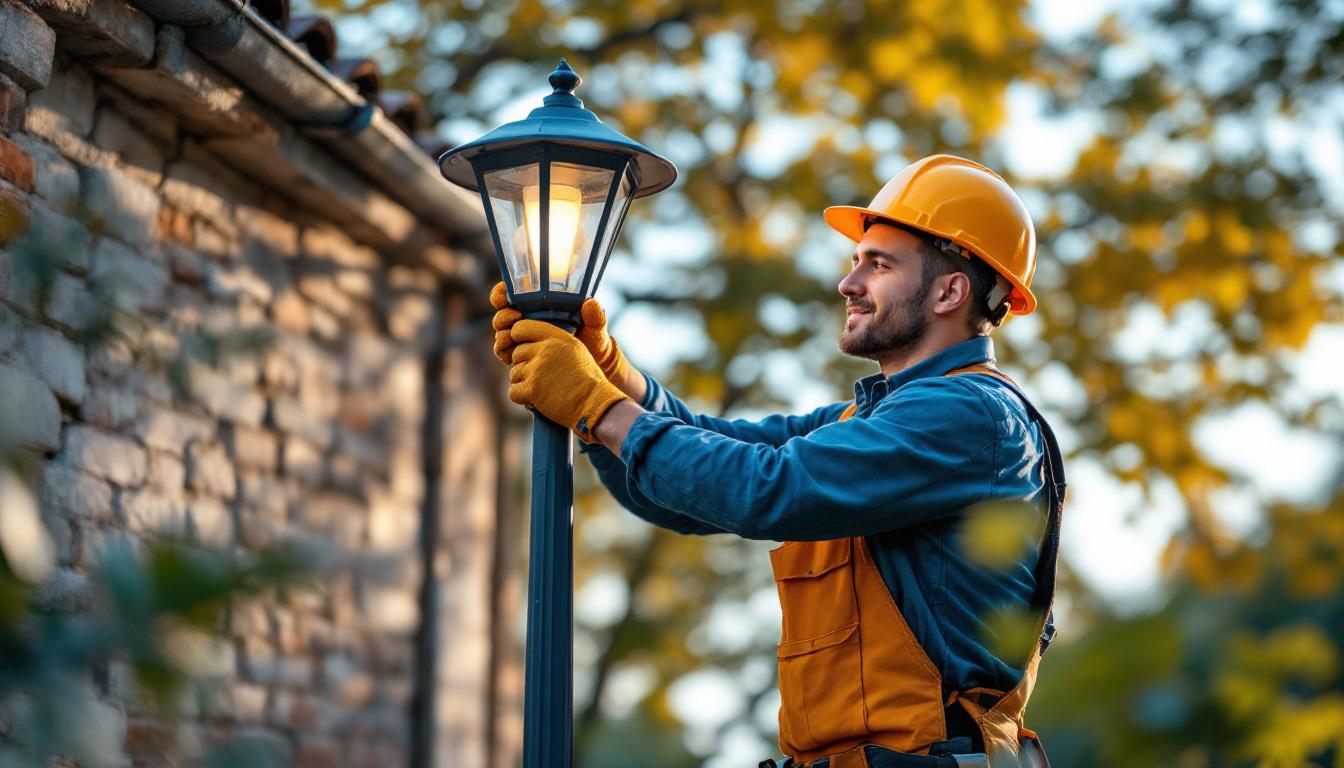
Metal lamp posts can be scratched or dented during handling, exposing bare metal that rusts quickly. Contractors should ensure proper packaging and use padded supports during transport. On-site, avoid dragging posts across rough surfaces.
Inspect each post before installation for coating defects or damage. Any compromised areas should be repaired promptly with touch-up paint or sealants recommended by the manufacturer.
Ensure Proper Grounding and Electrical Safety
Metal lamp posts must be properly grounded to prevent electrical hazards. Poor grounding can lead to dangerous shocks or equipment failure. Follow local electrical codes and use grounding kits designed for metal poles.
Additionally, avoid drilling or modifying the metal post without consulting structural guidelines. Unauthorized alterations can weaken the post and void warranties.
Case Studies: Lessons Learned from Metal Selection Errors
Rusting Steel Posts in a Coastal Development
A lighting contractor installed steel lamp posts in a seaside community without specifying galvanized or coated finishes. Within a few years, rust compromised the posts’ structural integrity, leading to multiple replacements. The client faced unexpected costs and project delays.
This example underscores the necessity of understanding environmental impacts and specifying appropriate corrosion protection upfront.
Aluminum Posts Fading in a High UV Area
Another project used untreated aluminum lamp posts in a desert city. The posts faded and developed surface pitting due to intense UV exposure and sand abrasion. The contractor had to replace the posts sooner than expected, damaging their reputation.
Proper surface treatment like anodizing or UV-resistant powder coating would have prevented this issue.
Summary: Key Takeaways for Lighting Contractors
Metal choice for lamp posts is a critical decision that affects safety, durability, and client satisfaction. Avoid these common mistakes:
- Don’t ignore environmental conditions-select metals and coatings that resist local corrosion factors.
- Insist on proper surface treatments to protect against rust, UV damage, and wear.
- Verify that structural load and wind resistance requirements are met to ensure safety and compliance.
- Handle and install lamp posts carefully to prevent damage that accelerates corrosion.
- Communicate maintenance expectations clearly with clients to align metal choices with budgets and lifespan goals.
By following these guidelines, lighting contractors can deliver reliable, long-lasting lamp post installations that stand up to the elements and satisfy clients for years to come.
Illuminate Your Projects with Confidence
Ready to elevate your lighting projects with the assurance of quality and value? Look no further than LumenWholesale for a comprehensive range of spec-grade lighting products tailored to your needs. Our commitment to providing superior lighting solutions at wholesale prices means you can confidently meet the demands of any project, big or small. With free shipping on bulk orders, you’ll enjoy the convenience and cost savings that only come from partnering with a trusted supplier like us. Don’t let inflated markups dim your project’s potential. Discover wholesale lighting at the best value today and light up your work with excellence.