Understanding the Challenges of Installing 4 Light Pendant Fixtures
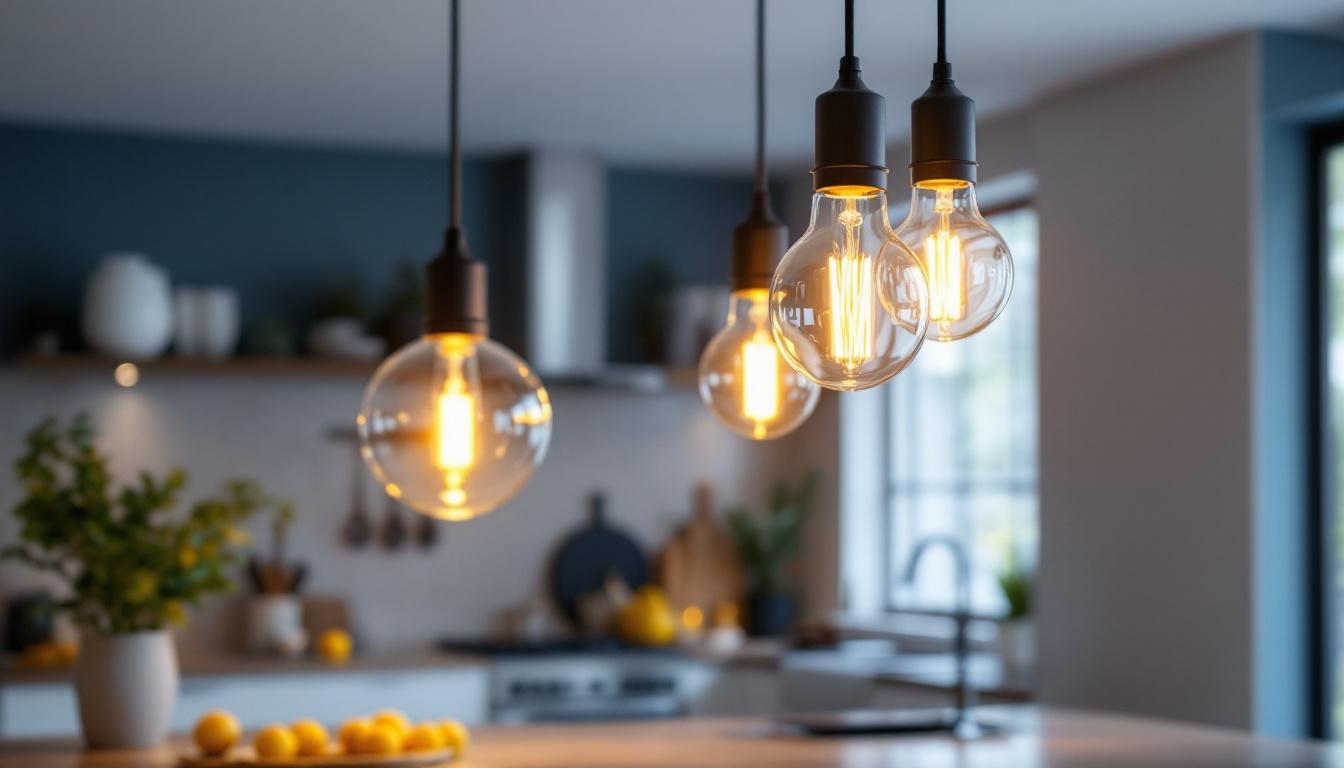
Four-light pendant fixtures are a popular choice for both residential and commercial settings due to their ability to provide balanced illumination and aesthetic appeal. However, their installation presents unique challenges that can trip up even experienced lighting contractors. The complexity often arises from the fixture’s weight distribution, wiring configuration, and mounting requirements.
One common issue is uneven hanging. Because these pendants typically have multiple arms or bulbs extending from a central point, improper mounting can cause the fixture to tilt or hang crookedly. This not only affects the visual appeal but can also lead to long-term structural stress on the ceiling mount. To mitigate this, it’s essential to use a level during installation and ensure that the mounting bracket is securely anchored to a ceiling joist or beam, providing a stable foundation for the fixture.
Another challenge is ensuring the wiring is safely and correctly connected. Four-light pendants often require multiple wiring points within a single fixture, increasing the risk of loose connections or short circuits. Contractors must be meticulous in matching wire colors, securing connections, and verifying that the fixture is compatible with the existing electrical system. Additionally, it’s advisable to use wire nuts or other secure fastening methods to prevent any accidental disconnections, especially in high-traffic areas where vibrations may occur.
Moreover, the height at which the pendant is installed can significantly impact both functionality and aesthetics. If hung too low, it may obstruct views or become a hazard in spaces with high foot traffic; conversely, if hung too high, it may fail to provide adequate illumination for tasks such as cooking or reading. Therefore, determining the optimal height is crucial, often requiring consideration of the room’s dimensions and the intended use of the space. For instance, in a dining area, a height of 30 to 36 inches above the table is generally recommended to create an inviting atmosphere while ensuring sufficient light coverage.
Finally, selecting the right bulbs for a four-light pendant fixture can also pose challenges. The type of bulb chosen not only affects the quality of light emitted but also the energy efficiency and longevity of the fixture. LED bulbs, for example, are increasingly favored for their durability and lower energy consumption, but they may require specific compatibility with the fixture’s design and dimming capabilities. It’s essential for contractors to educate clients on the benefits and limitations of various bulb types, ensuring that the final installation meets both aesthetic preferences and practical lighting needs.
Pre-Installation Strategies to Prevent Common Pitfalls
Assessing Ceiling Support and Fixture Weight
Before beginning installation, it’s crucial to evaluate the ceiling’s ability to support the weight of a four-light pendant. These fixtures can be heavier than standard single-light pendants, especially when constructed from metal or glass components. If the ceiling box isn’t rated to support the fixture’s weight, contractors should upgrade to a reinforced electrical box or install additional bracing.
Failing to address this can result in the fixture loosening over time, posing safety hazards. A quick test involves checking the existing box’s weight rating and comparing it to the fixture’s specifications. If the rating is insufficient, it’s better to invest time in reinforcement upfront rather than face costly repairs later. Furthermore, it’s advisable to consider the distribution of weight across the ceiling. For larger pendants, the use of multiple mounting points can help alleviate stress on a single point, ensuring a more stable installation. This is particularly important in homes with older construction, where the integrity of the ceiling may have been compromised over the years.
Confirming Electrical Compatibility and Load Requirements
Four-light pendants often draw more current than single-light fixtures, especially if equipped with high-wattage bulbs or LED modules. Contractors should verify that the circuit can handle the additional load without tripping breakers or causing voltage drops. This includes checking the circuit breaker rating and wire gauge.
Additionally, confirming the fixture’s voltage requirements is essential. Some pendants come with integrated drivers or transformers, which must be compatible with the building’s electrical system. Overlooking this can lead to flickering lights or premature fixture failure. It’s also wise to consider the overall lighting design in the space. If the four-light pendant is part of a larger lighting scheme, such as recessed lighting or wall sconces, ensuring that all components work harmoniously together is vital. This may involve consulting with a lighting designer or electrician to create a cohesive plan that maximizes both functionality and aesthetic appeal, while also adhering to local electrical codes and safety standards.
Installation Best Practices for Lighting Contractors
Step-by-Step Mounting and Alignment
Start by securely attaching the mounting bracket to the ceiling box. Use a level to ensure the bracket is perfectly horizontal. This step is critical because any misalignment here will be magnified once the fixture is hung. Additionally, consider the overall aesthetic and functionality of the lighting fixture. For instance, if you are installing a chandelier, ensure that it hangs at an appropriate height to avoid obstructing views or creating hazards in the space.
When hanging the pendant, support the fixture’s weight temporarily with a helper or a secure hook. This allows you to make fine adjustments to the alignment before finalizing the installation. Tighten all screws gradually and evenly to avoid shifting the fixture out of level. It’s also beneficial to step back periodically during the installation process to visually assess the alignment from different angles, as this can help catch any potential misalignments that might not be obvious when viewed directly underneath.
Wiring with Precision and Safety
Use wire nuts rated for the number and gauge of wires being connected. Twist wires together firmly before securing the wire nuts to ensure a solid connection. It’s advisable to use electrical tape around the wire nuts for added security, especially in fixtures with multiple wiring points. Furthermore, familiarize yourself with the local electrical codes and regulations, as they may dictate specific requirements for wiring methods and materials used in lighting installations.
After wiring, gently push the wires back into the ceiling box without forcing or crimping them. This reduces the risk of damage and makes future maintenance easier. Always double-check connections with a voltage tester before restoring power. In addition, consider labeling the wires for future reference, especially in complex installations where multiple fixtures are involved. This practice can save time and reduce confusion during any future repairs or upgrades, ensuring that you maintain a high standard of safety and efficiency in your work.
Post-Installation Checks and Maintenance Tips
Verifying Functionality and Safety
Once the fixture is installed, test each bulb individually to ensure all connections are sound. Observe the fixture for any signs of flickering or dimming, which could indicate wiring issues or incompatible bulbs. It’s also wise to check the light’s color temperature and brightness to ensure they meet the desired ambiance of the space. If the light appears too warm or cool, consider experimenting with different bulb types until the perfect match is found.
Inspect the fixture’s stability by gently applying pressure in different directions. It should remain firmly in place without any wobbling. If movement is detected, revisit the mounting hardware and tighten as necessary. Additionally, take a moment to assess the surrounding area for any potential hazards, such as low-hanging branches or furniture that might obstruct the light’s effectiveness. Ensuring that the light is not only securely mounted but also positioned for optimal illumination can greatly enhance the overall functionality of the fixture.
Routine Maintenance to Extend Fixture Lifespan
Encourage clients to regularly clean the pendant fixture to prevent dust buildup, which can diminish light output and cause overheating. Use a soft cloth and avoid harsh chemicals that might damage finishes. For glass or crystal fixtures, a gentle glass cleaner can enhance clarity and brilliance, allowing the light to shine through unobstructed. Remind clients that regular cleaning not only maintains aesthetics but also contributes to the longevity of the fixture.
Advise periodic checks on the mounting hardware and wiring, especially in environments with vibrations or temperature fluctuations. Early detection of loosening screws or frayed wires can prevent accidents and costly repairs. Additionally, suggest that clients keep an eye out for any signs of corrosion or rust, particularly in humid or coastal areas, as these can significantly impact the integrity of the fixture over time. Implementing a simple checklist for maintenance can help clients stay organized and proactive in caring for their lighting, ensuring it remains a beautiful and functional part of their home for years to come.
Common Mistakes Lighting Contractors Should Avoid
Ignoring Manufacturer Instructions
Each four-light pendant comes with specific installation guidelines. Skipping these instructions can lead to improper mounting or wiring, voiding warranties and compromising safety. Always review and follow the manufacturer’s recommendations carefully.
Overlooking Local Electrical Codes
Compliance with local electrical codes is non-negotiable. Some regions have strict regulations regarding fixture mounting, wiring methods, and circuit requirements. Failure to adhere can result in failed inspections, fines, or unsafe installations.
Using Incompatible Bulbs
Installing bulbs that exceed the fixture’s maximum wattage or are incompatible with integrated drivers can cause overheating and damage. Always select bulbs that meet the fixture’s specifications and advise clients accordingly.
Rushing the Installation Process
Hurrying through installation increases the likelihood of errors. Taking the time to plan, double-check measurements, and verify connections ensures a professional, long-lasting result.
Conclusion
Installing four-light pendant fixtures involves more than just hanging a stylish light. It requires careful planning, precise execution, and adherence to safety standards. By understanding the unique challenges these fixtures present and following best practices, lighting contractors can avoid common pitfalls and deliver installations that are both beautiful and reliable.
Attention to detail during pre-installation assessments, wiring, mounting, and post-installation checks will save time and prevent costly callbacks. Educating clients on maintenance further extends the life of the fixture, enhancing satisfaction and reputation. Ultimately, a methodical approach to four-light pendant lighting installation reflects professionalism and expertise that clients trust.
Get Your Premium Lighting Supplies at LumenWholesale
Ready to elevate your lighting installations with the best products on the market? Look no further than LumenWholesale for all your lighting needs. Our extensive selection of spec-grade lighting products ensures you have access to high-quality, reliable options for your next project. With unbeatable wholesale prices and the convenience of free shipping on bulk orders, you can trust us to provide the value and performance you require. Don’t compromise on quality or cost—Wholesale Lighting at the Best Value is just a click away. Choose LumenWholesale and make every installation shine with excellence.