Understanding the Appeal of Spherical Pendants
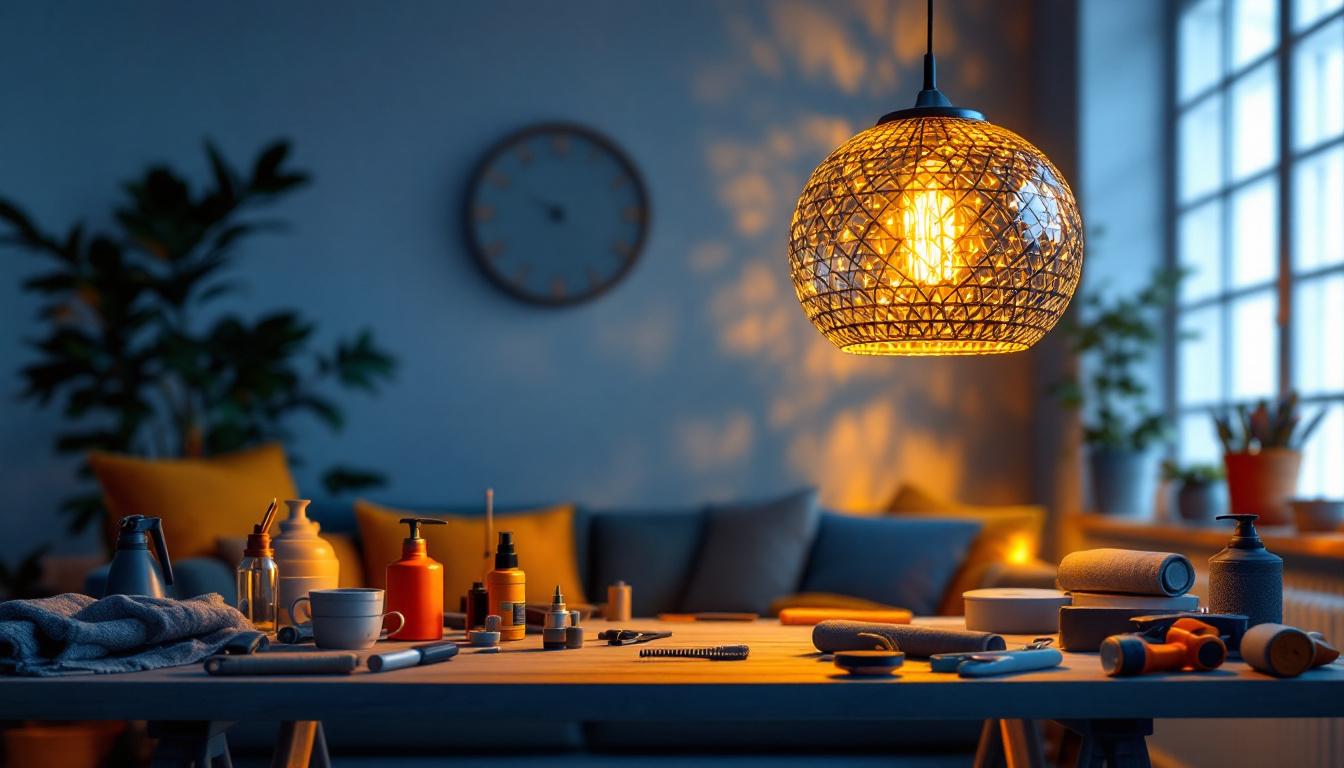
Spherical pendants have become a staple in both residential and commercial lighting design. Their clean, geometric shape offers a timeless aesthetic that complements a wide range of interiors—from minimalist modern spaces to more eclectic environments. For lighting contractors, these fixtures are more than just decorative elements; they are functional components that can dramatically influence the ambiance and utility of a space.
What makes spherical pendants particularly appealing is their versatility. They can serve as focal points in a room or blend seamlessly into the background, depending on size, finish, and placement. This adaptability means contractors must pay close attention to several factors during selection and installation to ensure the fixture meets both design intent and practical requirements.
In addition to their aesthetic versatility, spherical pendants come in a variety of materials, including glass, metal, and even fabric, each offering unique qualities that can enhance a space. For instance, glass pendants can create a play of light and shadow, adding depth and dimension to a room, while metal finishes can introduce a more industrial or modern vibe. The choice of material not only affects the visual impact but also the durability and maintenance of the fixture, making it essential for contractors to consider the long-term implications of their selections.
Moreover, the size and scale of spherical pendants can significantly alter the perception of a space. Larger pendants can create a dramatic statement in high-ceilinged areas, drawing the eye upward and making the room feel more expansive. Conversely, smaller pendants can be clustered together to create a cozy, intimate atmosphere, perfect for dining areas or reading nooks. This dynamic use of scale allows designers and contractors to play with proportions, ensuring that each installation is tailored to the specific needs and character of the environment.
Key Considerations Before Installation
Assessing the Space and Purpose
Before choosing a spherical pendant, evaluate the space where it will be installed. Consider ceiling height, room size, and the function of the area. For example, a large spherical pendant can overwhelm a small room or a low ceiling, while a smaller fixture might get lost in a vast lobby or dining area. Additionally, the style and color of the pendant should harmonize with the existing decor. A modern glass pendant can create a striking contrast in a rustic setting, while a vintage-inspired metal piece might enhance a contemporary space.
Understanding the purpose of the lighting is equally important. Is the pendant meant to provide ambient lighting, task lighting, or accent lighting? Spherical pendants often excel at ambient lighting but can be paired with dimmable bulbs or multiple fixtures to enhance functionality. For instance, in a kitchen, a cluster of smaller spherical pendants can be hung above an island to provide focused task lighting while also contributing to the overall ambiance of the room. Furthermore, consider the color temperature of the bulbs; warmer tones can create a cozy atmosphere, while cooler tones are better suited for workspaces.
Weight and Mounting Requirements
Spherical pendants come in a variety of materials, including glass, metal, acrylic, and fabric. Each material affects the fixture’s weight, which in turn influences mounting hardware and installation methods. Contractors must verify that the ceiling structure can support the pendant’s weight, especially for larger or heavier models. It’s also wise to consider the potential for future changes in the space; if you plan to redecorate or rearrange furniture, ensure that the pendant’s placement remains functional and visually appealing.
Secure mounting is critical. Loose or improperly installed pendants pose safety hazards and can cause damage over time. Use appropriate anchors, brackets, and support systems as recommended by the manufacturer and local building codes. Additionally, it’s beneficial to assess the electrical wiring in the area. If the existing wiring is outdated or insufficient for the new fixture, an upgrade may be necessary to ensure safety and compliance with electrical standards. Consulting with a licensed electrician can provide peace of mind and ensure a seamless installation process.
Electrical and Technical Specifications
Wiring and Power Supply
Check the voltage requirements and wiring compatibility before installation. Spherical pendants may come with integrated LED modules or be designed for standard bulbs. Confirm that the electrical supply matches the fixture’s specifications to avoid issues like flickering or premature failure.
For fixtures with integrated LEDs, ensure the driver or transformer is accessible and compatible with existing dimmer switches if dimming is desired. In some cases, upgrading the dimming system may be necessary to achieve smooth performance. Additionally, consider the total wattage of all fixtures on the same circuit to prevent overloading, which can lead to tripped breakers or even fire hazards. It’s advisable to consult with a licensed electrician if there are any uncertainties regarding the electrical setup.
Light Output and Color Temperature
Light output, measured in lumens, should align with the room’s lighting needs. A spherical pendant that is too dim will fail to provide adequate illumination, while one that is too bright can cause glare and discomfort. Contractors should consult photometric data provided by manufacturers to make informed decisions. Understanding the layout of the space is crucial; for instance, open-concept areas may require more lumens to ensure even light distribution, while cozy nooks can thrive with softer, more focused lighting.
Color temperature also plays a role in setting the mood. Warm white (2700K-3000K) creates a cozy atmosphere, ideal for dining or living areas. Cooler temperatures (3500K-4100K) suit workspaces or retail environments where clarity and focus are essential. Furthermore, consider the use of color rendering index (CRI) values, which indicate how accurately colors appear under the light. A CRI of 90 or above is typically recommended for spaces where color accuracy is important, such as kitchens or art studios, ensuring that the colors of food or artwork are represented authentically.
Installation Best Practices
Height and Placement Guidelines
Proper height is crucial for both aesthetics and function. In general, spherical pendants over dining tables or kitchen islands should hang approximately 28 to 34 inches above the surface. For open areas, maintain a clearance of at least 7 feet from the floor to the bottom of the fixture to avoid head bumps. This height not only ensures safety but also enhances the visual appeal of the space, creating a welcoming atmosphere that encourages conversation and interaction.
When multiple pendants are used in a series, spacing should be consistent and proportional to the size of each fixture and the room dimensions. Uneven or awkward placement can disrupt the visual flow and reduce the effectiveness of the lighting. Consider the overall design theme of the room; for example, in a modern kitchen, aligning pendants in a straight line can create a sleek, streamlined look, while a staggered arrangement may lend a more eclectic vibe, allowing for creative expression in the design.
Securing the Fixture and Adjusting Cables
Many spherical pendants feature adjustable cables or rods to customize hanging height. Contractors should carefully measure and adjust these lengths before finalizing the installation. It’s advisable to leave a slight margin for future adjustments. This flexibility can be particularly beneficial in spaces where furniture arrangements may change, as it allows homeowners to adapt the lighting to suit their evolving needs without requiring a complete reinstallation.
Ensure that all connections are tight and that the fixture is level. An off-center or tilted pendant not only looks unprofessional but can also strain mounting hardware over time. Additionally, it’s important to consider the weight of the fixture; heavier pendants may require more robust support. Using appropriate anchors and screws can prevent sagging or accidents, ensuring that the installation remains secure and visually pleasing for years to come. Furthermore, taking the time to double-check the alignment and stability of each fixture can save headaches in the long run, especially in high-traffic areas where movement and activity are prevalent.
Maintenance and Troubleshooting Tips
Cleaning and Care
Spherical pendants, especially those made of glass or acrylic, can accumulate dust and fingerprints that diminish their visual appeal. Use a soft, lint-free cloth and mild cleaning solutions to maintain clarity and finish. Avoid abrasive materials that could scratch the surface.
Regular maintenance checks help identify issues like loose fittings or electrical faults early. Establishing a maintenance schedule with clients can prolong the life of the fixture and ensure consistent performance.
Common Issues and Solutions
Flickering lights often indicate wiring problems, incompatible dimmers, or failing bulbs. Verify wiring connections and replace bulbs with manufacturer-approved alternatives. For integrated LED fixtures, consult technical support as repairs may require specialized service.
Uneven illumination or dark spots can result from poor bulb placement or fixture defects. Reassess bulb types and installation quality. In some cases, replacing the fixture might be the most efficient solution.
Compliance and Safety Standards
Adhering to Electrical Codes
Lighting contractors must ensure all spherical pendant installations comply with local and national electrical codes. This includes proper grounding, circuit protection, and adherence to maximum load limits. Failure to comply can lead to safety hazards and legal liabilities.
Using UL-listed or equivalent certified fixtures is essential. These certifications indicate that the product has undergone rigorous safety testing and meets industry standards.
Fire Safety and Heat Management
Some spherical pendants, particularly those with enclosed designs, can trap heat. Contractors should verify that the fixture’s materials and bulb types are rated for the heat generated. Overheating risks can be mitigated by using LED bulbs, which produce less heat than incandescent or halogen options.
Ensure adequate clearance from combustible materials and avoid installing pendants near heat-sensitive surfaces. Proper ventilation around the fixture helps maintain safe operating temperatures.
Final Thoughts for Lighting Contractors
Spherical pendants offer an elegant and functional lighting solution that can enhance any space. For contractors, success lies in meticulous planning, precise installation, and ongoing maintenance. Understanding the technical requirements and design considerations ensures that these fixtures not only look great but perform reliably and safely.
By following this checklist, lighting professionals can confidently specify, install, and service spherical pendants, delivering results that satisfy clients and stand the test of time.
Illuminate Your Projects with LumenWholesale
Ready to elevate your lighting installations with the elegance of spherical pendants? Look no further than LumenWholesale for a superior selection of spec-grade lighting products. We offer the quality and reliability you need at wholesale prices that can’t be beaten. Say goodbye to inflated markups and hello to hassle-free bulk buying with free shipping. Make your next project shine with our top-quality lighting solutions. Wholesale Lighting at the Best Value is just a click away. Partner with us and experience the LumenWholesale difference today!