Why Photocells Are More Than Just a Convenience
Porch lighting is a staple in residential and commercial properties alike. It provides safety, security, and curb appeal. But what if the simple addition of a photocell sensor could transform this basic feature into a smart, energy-efficient asset? For lighting contractors, understanding and integrating photocells into porch lighting installations isn’t just about adding a component-it’s about delivering value that sets their work apart.
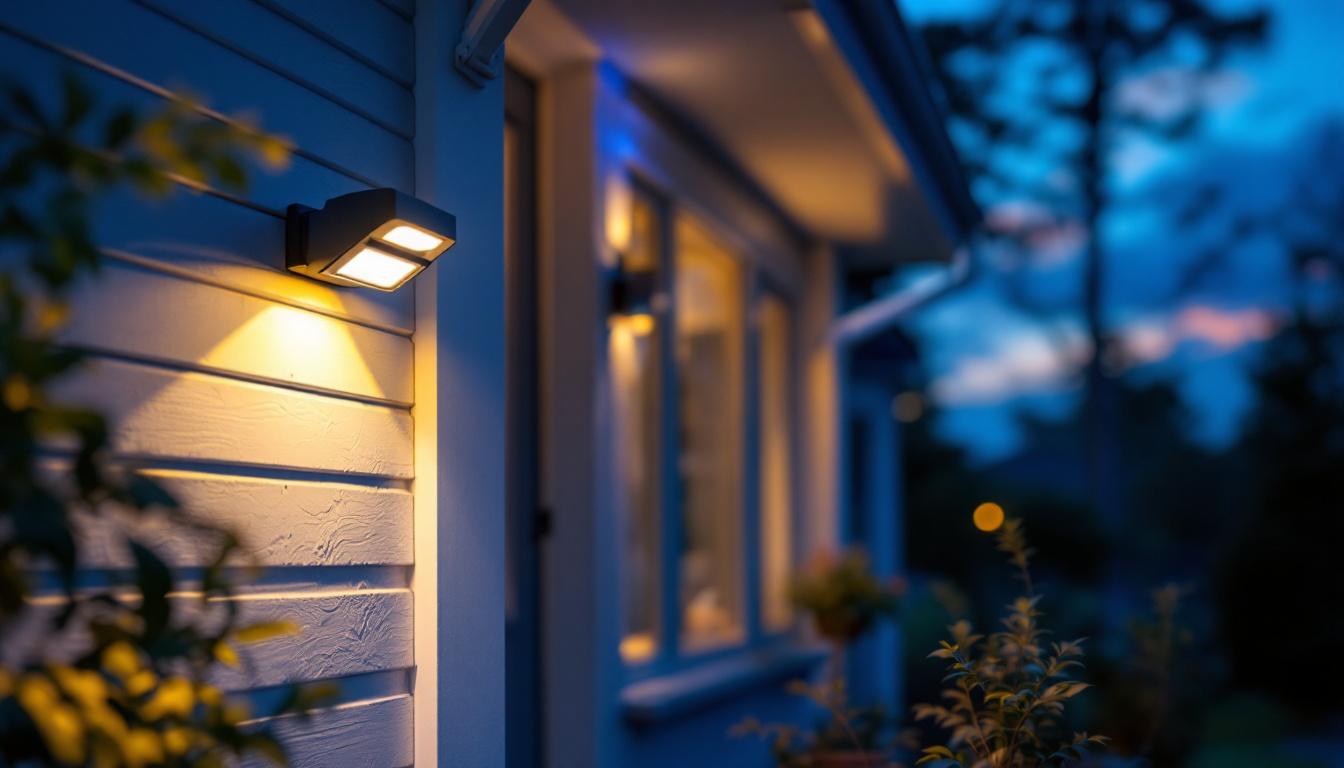
Photocells, also known as photoelectric sensors or dusk-to-dawn sensors, automatically turn lights on at dusk and off at dawn. This automation ensures that porch lights operate only when needed, eliminating the guesswork and manual control. The result is a lighting system that is reliable, efficient, and user-friendly.
In addition to energy efficiency, photocells contribute significantly to the longevity of light fixtures. By preventing lights from being on during daylight hours, these sensors reduce wear and tear on bulbs, ultimately leading to fewer replacements and lower maintenance costs. This is particularly beneficial for homeowners and businesses looking to minimize their operational expenses while maximizing the lifespan of their lighting systems. Moreover, with advancements in technology, modern photocells are designed to be more sensitive and adaptable, allowing them to adjust to varying light conditions throughout the seasons, ensuring optimal performance year-round.
Furthermore, the integration of photocells into porch lighting systems enhances safety and security. Well-lit entrances deter potential intruders, making properties less appealing targets. When combined with motion sensors, photocells can create a dynamic lighting environment that not only illuminates pathways but also reacts to movement, providing an additional layer of security. This synergy between photocells and motion detectors can lead to a more responsive and intelligent lighting system that not only enhances visibility but also provides peace of mind for homeowners and business owners alike.
The Business Case: How Photocells Boost Contractor Competitiveness
Energy Efficiency That Clients Notice
Energy costs are a major concern for property owners. Traditional porch lighting systems that rely on manual switches or timers often run longer than necessary, wasting electricity and increasing bills. Photocells address this issue directly by activating lights strictly based on ambient light levels. This smart technology not only ensures that lights turn on at dusk and off at dawn, but also adapts to changing weather conditions, such as overcast days, where it might be necessary to keep the lights on longer.
Lighting contractors who offer photocell-equipped porch lights can highlight the energy savings to potential clients. This not only helps close sales but also builds trust. Clients appreciate contractors who provide solutions that reduce operating costs without sacrificing performance. Furthermore, by showcasing real-world examples of energy savings—like reduced monthly bills or the positive environmental impact of lower energy consumption—contractors can create compelling narratives that resonate with eco-conscious clients. This added layer of engagement can be the difference between a simple sale and a long-term client relationship.
Reduced Maintenance and Increased Longevity
Lights left on unnecessarily tend to burn out faster. Photocells help extend bulb life by ensuring they are only illuminated when needed. This reduction in operating hours translates into fewer bulb replacements and less maintenance overall. Moreover, with advancements in LED technology, combining photocells with energy-efficient bulbs can further enhance longevity and performance, creating a win-win scenario for both contractors and clients.
For contractors, this means fewer callbacks and service visits, saving time and resources. It also enhances the contractor’s reputation for quality work that lasts. Clients are more likely to recommend contractors who provide reliable, low-maintenance solutions, leading to increased referrals and a stronger market presence. Additionally, offering maintenance packages that include regular checks on photocell functionality can create an ongoing revenue stream while ensuring client satisfaction.
Compliance and Incentives
Many local building codes and energy regulations now encourage or require automated lighting controls for outdoor fixtures. Photocells help contractors meet these requirements effortlessly. Additionally, some utility companies offer rebates or incentives for installations that include energy-saving devices like photocells. This not only makes the initial investment more attractive but also positions contractors as knowledgeable allies who can navigate the complexities of energy regulations.
Being knowledgeable about these regulations and incentives allows contractors to offer comprehensive solutions that comply with standards and reduce upfront costs for clients. Moreover, staying updated on the latest energy efficiency programs can provide contractors with a competitive edge, as they can proactively inform clients about potential savings and benefits. This proactive approach not only enhances the contractor’s credibility but also fosters a sense of partnership with clients, as they work together towards sustainable and cost-effective solutions for their properties.
Technical Insights: Choosing the Right Photocell for Porch Lighting
Understanding Photocell Types
Not all photocells are created equal. The two primary types used in porch lighting are integral photocells and remote photocells. Integral photocells are built into the light fixture itself, while remote photocells are separate units that can be mounted independently.
Integral photocells offer simplicity and compactness but may be limited by fixture design. Remote photocells provide flexibility in placement, ensuring accurate light sensing free from interference caused by the fixture’s own light. Additionally, remote photocells can often be installed in locations that receive optimal natural light, enhancing their effectiveness. This adaptability is particularly beneficial in areas where porch lighting might be affected by surrounding structures or landscaping that could cast shadows or block sunlight.
Key Specifications to Consider
Contractors should evaluate photocells based on sensitivity, voltage compatibility, and weather resistance. Sensitivity determines the light level at which the sensor activates, which can be adjustable or fixed depending on the model. Voltage compatibility is crucial to match the photocell with the lighting circuit, whether low voltage or line voltage.
Because porch lights are exposed to outdoor elements, selecting photocells with appropriate IP ratings for water and dust resistance is essential for durability and reliable operation. Furthermore, it’s important to consider the temperature range in which the photocell will operate. Extreme temperatures can affect the sensor’s performance, so choosing a model designed to withstand local climate conditions will ensure longevity and consistent operation. Some advanced photocells even come with built-in surge protection to guard against electrical spikes, adding an extra layer of reliability.
Installation Best Practices
Proper installation is vital to maximize photocell performance. Positioning the sensor away from artificial light sources like street lamps or the porch light itself prevents false triggering. Ensuring the photocell has a clear line of sight to natural ambient light optimizes its responsiveness.
Contractors should also verify wiring connections and test the system under varying light conditions before completing the job. This attention to detail minimizes post-installation issues and client complaints. Additionally, it is advisable to educate clients on how the photocell functions, including any manual overrides that may be available. By providing this information, contractors can help clients understand the benefits of their new system and encourage proper usage, which can lead to enhanced satisfaction and reduced service calls. Furthermore, discussing maintenance tips, such as periodic cleaning of the photocell lens to prevent dirt buildup, can prolong the life of the installation and ensure optimal performance.
Enhancing Client Relationships Through Education and Support
Communicating the Value of Photocells
Many clients may not be familiar with photocell technology or its benefits. Contractors who take the time to explain how photocells work and the advantages they provide stand out as trusted advisors rather than just installers.
Demonstrations or visual aids can help clients grasp the energy savings, convenience, and safety improvements photocells offer. Clear communication builds confidence and can lead to referrals and repeat business. Furthermore, sharing real-world examples or case studies can illustrate the tangible benefits of photocells. For instance, a contractor might showcase a project where a commercial client reduced their energy costs by a significant percentage after installing photocells, thereby reinforcing the technology’s effectiveness. This not only educates the client but also creates a narrative that they can relate to and trust.
Offering Maintenance and Troubleshooting Services
Photocells are generally low-maintenance, but occasional issues such as dirt accumulation or sensor misalignment can occur. Providing maintenance services or quick troubleshooting support enhances the client experience and solidifies long-term relationships.
Contractors can also offer seasonal check-ups to ensure sensors continue functioning optimally, which adds value and differentiates their service portfolio. Additionally, educating clients on how to perform basic maintenance themselves can empower them and foster a sense of ownership over their installations. This could include simple tips on cleaning the sensors or adjusting their positioning, which not only prolongs the life of the photocells but also reinforces the contractor’s role as a knowledgeable partner in the client’s ongoing success. By being proactive in maintenance discussions, contractors can also identify potential upgrades or new technologies that may benefit the client, thereby opening the door for further business opportunities.
The Future of Porch Lighting: Integration and Innovation
Smart Home Compatibility
Photocells are increasingly being integrated into smart lighting systems. These systems allow remote control, scheduling, and energy monitoring through smartphones or home automation platforms. Lighting contractors who embrace these technologies can offer clients advanced solutions that blend convenience with efficiency.
Integrating photocells with smart controls can also enable features like adaptive lighting, where porch lights adjust brightness based on activity or environmental conditions.
Expanding Beyond Porch Lights
While porch lights are a common application, photocells are equally valuable for other outdoor lighting needs such as landscape, security, and pathway lighting. Contractors who master photocell technology can expand their service offerings and tap into broader market segments.
Understanding the nuances of different lighting applications and tailoring photocell solutions accordingly positions contractors as versatile experts.
Conclusion: Photocells as a Strategic Advantage
For lighting contractors, offering photocell-equipped porch lighting is more than a technical upgrade-it’s a strategic move that enhances business competitiveness. Photocells deliver measurable benefits in energy savings, maintenance reduction, regulatory compliance, and client satisfaction.
By mastering the selection, installation, and client education around photocells, contractors not only improve their service quality but also build lasting client relationships and open doors to new opportunities. In a market where differentiation matters, photocells provide a clear edge.
Illuminate Your Projects with LumenWholesale
Ready to give your clients the cutting-edge advantage of photocell-equipped porch lighting? At LumenWholesale, we provide lighting contractors with the highest quality, spec-grade lighting products at prices that can’t be beaten. Say goodbye to inflated markups and hello to superior lighting that meets the most rigorous industry standards. With our hassle-free bulk buying and free shipping, you can stock up on reliable, high-performance lighting that will set your services apart. Elevate your lighting game and delight your clients with the perfect combination of quality, affordability, and convenience. Discover wholesale lighting at the best value today and light up your business with LumenWholesale.