The Core Components of a Light Bulb
Understanding the anatomy of a light bulb is essential for any lighting contractor aiming to optimize energy efficiency in their projects. While light bulbs come in various types and designs, most share fundamental components that determine their performance and energy consumption.
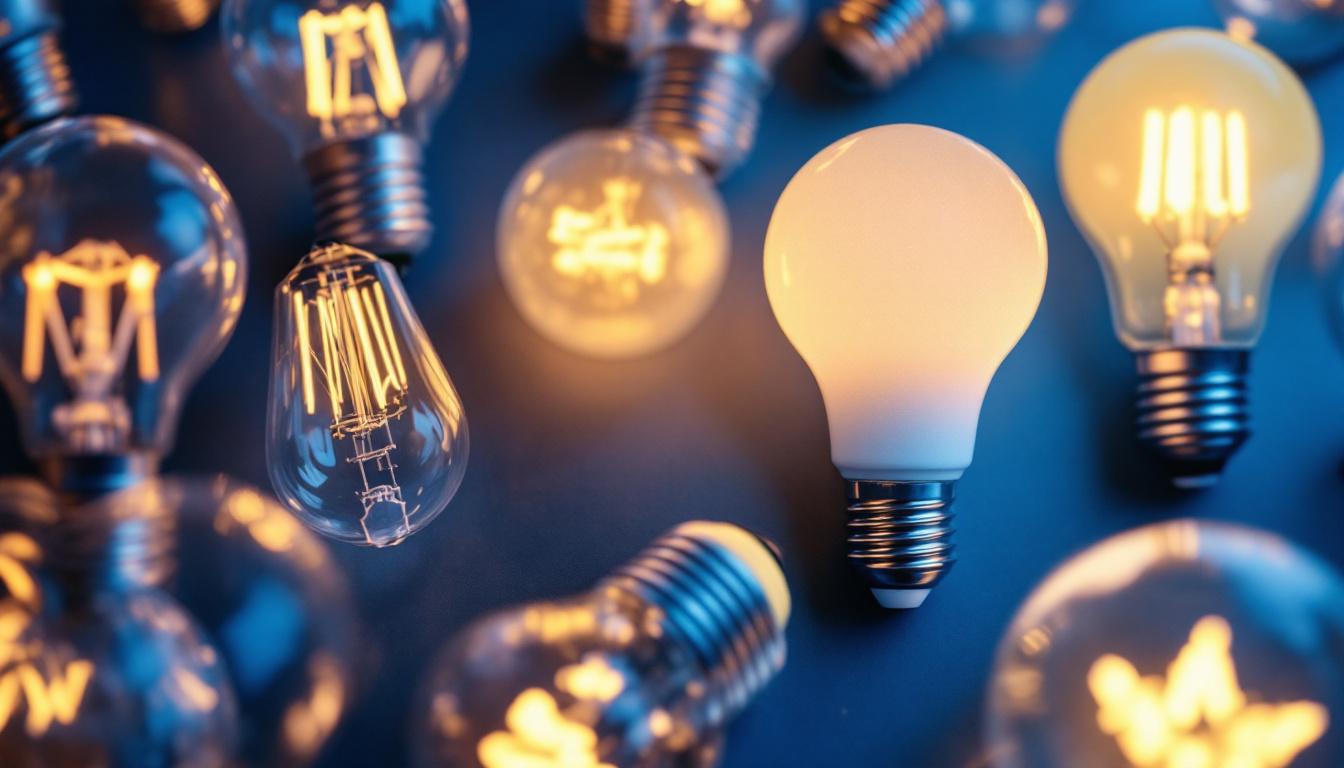
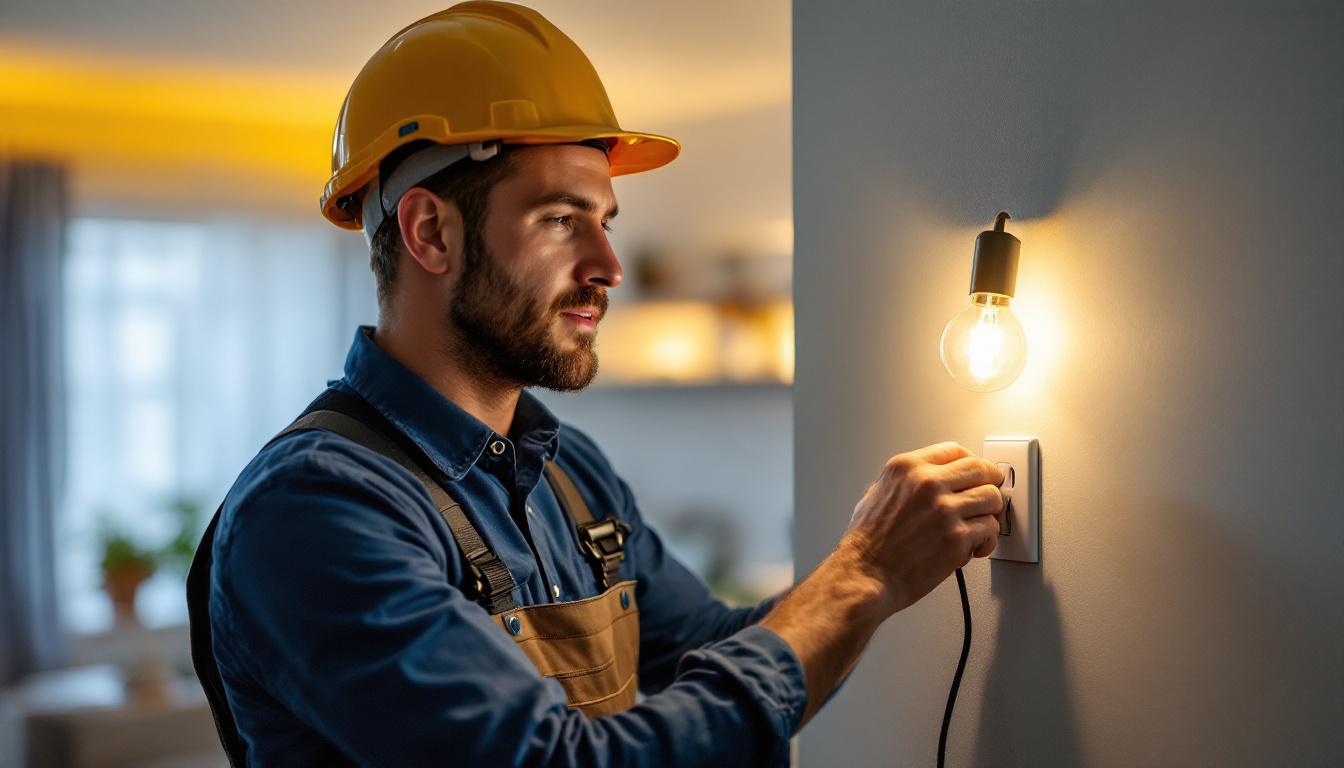
At the heart of a traditional incandescent bulb lies a tungsten filament. When electricity passes through this filament, it heats up and emits light. This process, however, is notoriously inefficient—only about 10% of the energy converts to visible light, with the rest lost as heat. This inefficiency is a critical factor driving the shift toward more advanced lighting technologies.
Modern bulbs, such as LEDs and CFLs, replace the filament with semiconductor materials or gas-filled tubes, respectively. These components work on different principles but share a common goal: to maximize light output while minimizing energy use. For instance, LEDs use electroluminescence, where electrons recombine with holes in a semiconductor, releasing photons without the heat losses typical of incandescents. This technological evolution not only enhances energy efficiency but also extends the lifespan of the bulbs significantly, with many LEDs lasting up to 25,000 hours compared to the mere 1,000 hours of traditional incandescents.
Glass Envelope and Its Role
The glass envelope, or bulb casing, is more than just a protective shell. It influences the bulb’s thermal management and light dispersion. In incandescent bulbs, the glass is often filled with inert gases like argon to prolong filament life. In contrast, LED bulbs use diffused or frosted glass to soften light output and reduce glare, enhancing visual comfort. The design of the glass can also affect the color temperature of the light emitted, which is crucial for creating the desired ambiance in different settings.
For contractors, selecting bulbs with appropriate glass types can affect both the aesthetic and functional outcomes of a lighting installation. For example, clear glass bulbs produce sharper shadows and more direct light, while frosted bulbs offer a more even glow, which can be advantageous in office or retail environments. Additionally, specialized coatings on the glass can help filter out certain wavelengths of light, providing further customization for specific applications, such as in photography or art galleries where color accuracy is paramount.
Base and Electrical Connections
The base of the bulb provides the physical and electrical connection to the fixture. Common bases include screw types like E26 or bayonet mounts. The design and material of the base impact electrical conductivity and heat dissipation. Poor connections can lead to energy loss and premature bulb failure, so ensuring compatibility and quality is crucial. Furthermore, the base design can also influence the ease of installation and replacement, which is an important consideration for contractors who prioritize efficiency in their projects.
In addition to the standard bases, there are also specialized connectors for specific applications, such as GU10 bases for spotlight bulbs or bi-pin bases for certain types of LED fixtures. Understanding these variations allows contractors to make informed decisions that align with the specific needs of their clients. Moreover, advancements in smart lighting technology have introduced bases that accommodate wireless connectivity, enabling users to control their lighting remotely, thus adding another layer of functionality to modern lighting solutions.
How Light Bulb Design Influences Energy Efficiency
Energy efficiency in lighting hinges on how effectively electrical energy converts to visible light. The design and materials used in light bulbs directly affect this conversion rate.
Incandescent bulbs, despite their warm light quality, are energy hogs. Their filament-based design wastes most energy as heat. Compact fluorescent lamps (CFLs) improved on this by using gas discharge and phosphor coatings to produce light more efficiently, reducing energy consumption by up to 75% compared to incandescents. However, the environmental impact of CFLs cannot be overlooked, as they contain small amounts of mercury, necessitating careful disposal to prevent contamination.
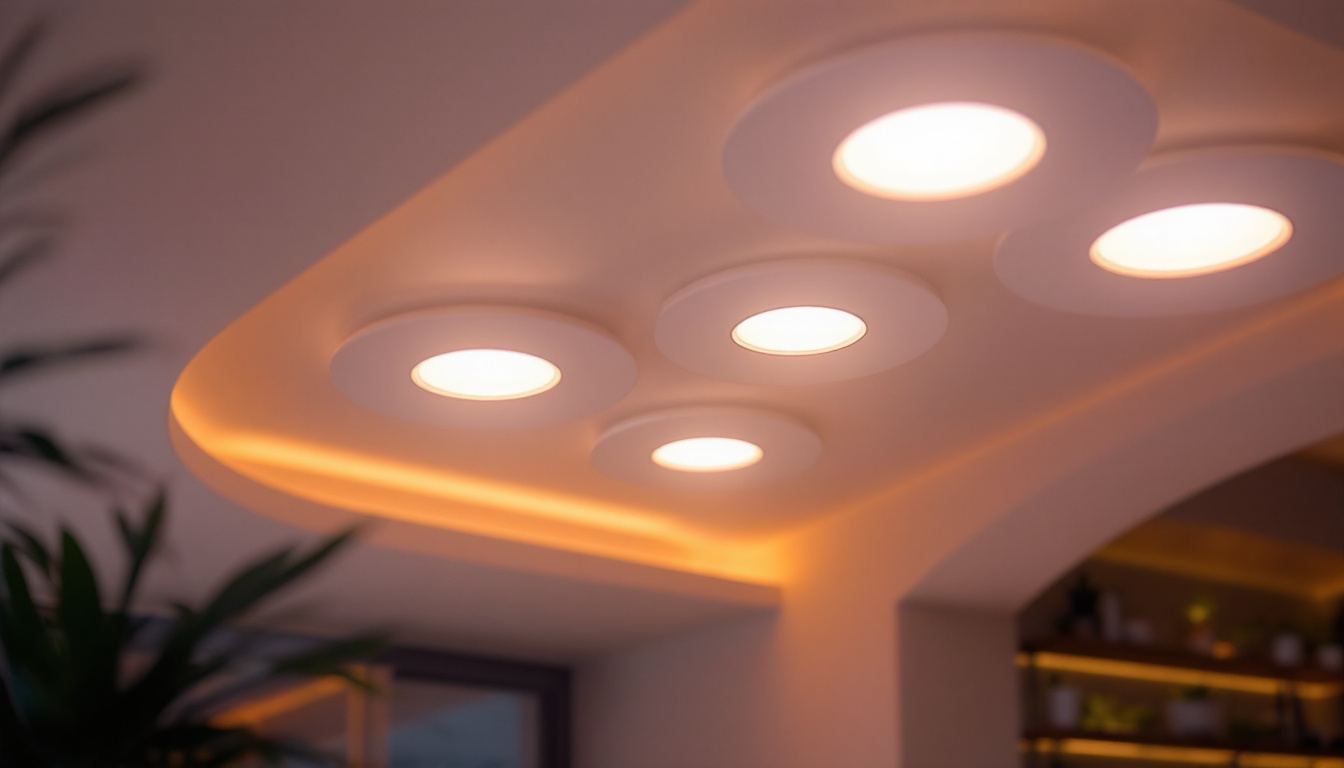
Light-emitting diodes (LEDs) revolutionized energy efficiency further. LEDs consume up to 85% less energy than traditional bulbs and can last 25 times longer. Their semiconductor construction allows precise control over light output and color temperature, making them versatile for various applications. Additionally, the compact size of LEDs enables innovative designs that can fit into a variety of fixtures, from recessed lighting to decorative chandeliers, enhancing both functionality and aesthetics.
Thermal Management and Efficiency
Heat is the enemy of energy efficiency and bulb longevity. Excess heat reduces LED lifespan and can cause flickering or color shifts. Effective thermal management—through heat sinks, materials, and bulb design—is vital. Lighting contractors should prioritize bulbs with robust thermal designs to ensure stable performance and energy savings over time. Advanced thermal management techniques, such as using aluminum heat sinks or integrating cooling fans, can significantly extend the life of LED bulbs, making them a more sustainable choice in the long run. Furthermore, manufacturers are continuously innovating in this area, exploring new materials and designs that enhance heat dissipation without adding bulk or weight.
Light Distribution and Optical Design
The way a bulb distributes light affects how much energy is needed to illuminate a space adequately. Bulbs with well-engineered optics direct light precisely where it’s needed, reducing waste and the need for additional fixtures or higher wattage bulbs. Reflectors, diffusers, and lens designs all contribute to this efficiency. For example, parabolic reflectors can focus light into a beam, ideal for task lighting, while diffusers can soften and spread light evenly across a room, improving comfort and reducing glare. This tailored approach to light distribution not only enhances the quality of illumination but also allows for more strategic energy use, aligning with modern sustainability goals.
Impact of Light Bulb Selection on Energy Consumption in Projects
Choosing the right light bulb can significantly reduce energy costs and environmental impact. For lighting contractors, this decision affects client satisfaction, regulatory compliance, and long-term maintenance expenses. The implications of this choice extend beyond mere aesthetics or initial costs; they play a critical role in shaping the overall efficiency and sustainability of a project.
For example, replacing incandescent bulbs with LEDs in commercial buildings can cut lighting energy use by more than half. This translates to substantial savings on utility bills and lowers the building’s carbon footprint. Additionally, many jurisdictions offer incentives or rebates for installing energy-efficient lighting, enhancing project value. Furthermore, the longevity of LED bulbs means that clients can enjoy consistent lighting quality without the frequent interruptions associated with bulb replacements, thus fostering a more productive environment.
Compatibility with Controls and Smart Systems
Modern lighting systems increasingly incorporate controls such as dimmers, occupancy sensors, and daylight harvesting. The bulb’s design must support these features to maximize energy efficiency. LEDs, with their instant on/off capability and dimming compatibility, excel in this area. Contractors should verify bulb specifications to ensure seamless integration with control systems. The ability to adjust lighting based on occupancy or natural light levels not only enhances user comfort but also significantly reduces energy waste, aligning with the growing trend toward smart building technologies.
Durability and Maintenance Considerations
Energy efficiency is not just about consumption; it also involves the frequency of replacements and maintenance. LEDs offer superior durability, often rated for tens of thousands of hours, reducing labor and material costs over time. Selecting bulbs with robust construction and proven reliability can enhance project sustainability and client satisfaction. Moreover, the reduced need for replacements means less waste in landfills, contributing to a more sustainable approach to lighting design. This durability also translates into fewer disruptions for businesses, allowing them to maintain a consistent operational flow without the nuisance of frequent maintenance schedules.
In addition to energy savings and reduced maintenance, the choice of light bulb can influence the overall aesthetic and functionality of a space. For instance, the color temperature of LED bulbs can be tailored to create specific atmospheres, whether it’s a warm, inviting glow for a restaurant or a bright, focused light for a workspace. This versatility enables contractors to meet diverse client needs while adhering to energy-efficient practices. Furthermore, as technology advances, new innovations in lighting continue to emerge, providing even more options for energy-conscious projects.
Emerging Trends and Innovations in Light Bulb Technology
Lighting technology continues to evolve, with innovations aimed at pushing energy efficiency boundaries further. Organic LEDs (OLEDs), for instance, offer flexible, thin lighting panels with excellent color rendering and efficiency, opening new design possibilities.
Advances in materials science are also improving semiconductor efficiency and thermal management. Some bulbs now incorporate smart sensors and wireless connectivity, enabling adaptive lighting that responds to occupancy and ambient conditions, cutting energy waste even more effectively.
Environmental Impact and Recycling
Energy-efficient bulbs also contribute to environmental sustainability through reduced greenhouse gas emissions. However, end-of-life disposal is a critical consideration. CFLs contain mercury and require special handling, whereas LEDs are more environmentally friendly but still contain electronic components that need proper recycling.
Contractors should educate clients on responsible disposal and consider partnering with recycling programs to ensure compliance and environmental stewardship.
Future Outlook for Lighting Contractors
Staying informed about light bulb anatomy and its impact on energy efficiency positions contractors as trusted advisors. Embracing new technologies and understanding their practical implications can differentiate services and deliver superior outcomes for clients.
As regulations tighten and energy costs rise, the demand for efficient lighting solutions will only grow. Contractors who master the technical nuances of light bulb design and application will be well-equipped to lead the market.
Illuminate Your Projects with LumenWholesale
Ready to enhance your lighting projects with energy-efficient solutions that don’t compromise on quality or cost? At LumenWholesale, we provide lighting contractors with an exceptional range of spec-grade lighting products at unbeatable wholesale prices. Say goodbye to inflated markups and hello to a selection that meets the highest industry standards. With free shipping on bulk orders, you can trust that you’re getting premium lighting at the best value — all with the convenience you deserve. Elevate your lighting game and discover wholesale lighting at the best value today with LumenWholesale.