Precision Lighting: Elevating Museum Exhibits to Art
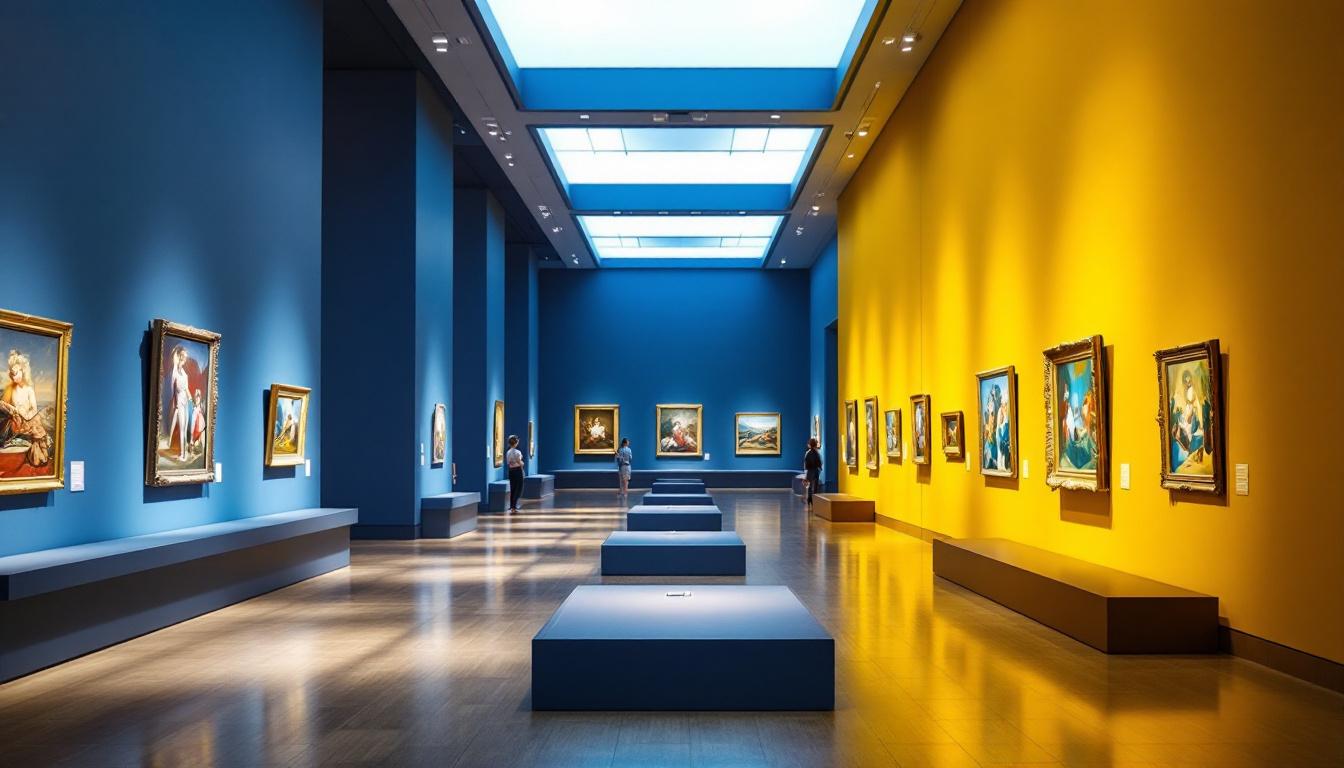
Lighting in museums is not just about illumination; it’s about storytelling. Each artifact, painting, or sculpture has a narrative that lighting helps unfold. For lighting contractors, this means an opportunity to apply precision and creativity, transforming a simple display into an immersive experience.
By mastering museum lighting, contractors can showcase their technical skills in controlling light intensity, color temperature, and beam angles. These elements are crucial to highlight textures, colors, and details without causing damage to sensitive materials. For example, ultraviolet and infrared radiation can degrade artworks, so selecting the right LED fixtures that minimize these emissions is essential.
Lighting contractors who understand these nuances become invaluable partners to museums. They help curators and designers craft environments where visitors connect emotionally with exhibits, enhancing both educational value and visitor satisfaction.
Moreover, the strategic use of lighting can guide the flow of visitor traffic through a space, subtly directing attention to key pieces while creating a cohesive narrative. For instance, a well-lit pathway can lead visitors from one exhibit to another, while spotlights can draw focus to a centerpiece, allowing it to stand out against a more subdued background. This thoughtful arrangement not only enhances the aesthetic appeal of the exhibit but also encourages deeper engagement, as visitors are naturally led to explore the stories behind each piece.
In addition, the integration of smart lighting technology is revolutionizing how museums present their collections. With the ability to adjust lighting dynamically based on the time of day or the number of visitors, museums can create a more responsive environment. This not only helps in conserving energy but also allows for an adaptable display that can change the ambiance and mood according to specific events or exhibitions. Such innovations not only elevate the visitor experience but also ensure that the integrity of the artworks is maintained over time, making precision lighting an essential component in modern museum design.
Energy Efficiency and Sustainability: A Win-Win for Museums and Contractors
Museums often operate under tight budgets, making energy efficiency a priority. Lighting contractors who specialize in museum projects can leverage energy-saving technologies to reduce operational costs significantly. LED lighting systems, combined with smart controls like occupancy sensors and daylight harvesting, offer substantial savings. These advancements not only enhance the visitor experience by providing better illumination for exhibits but also contribute to the preservation of artifacts, as they minimize heat output and UV exposure, which can be detrimental to sensitive materials.
Implementing sustainable lighting solutions is not only cost-effective but also aligns with many museums’ commitments to environmental responsibility. Contractors who can design and install systems that meet these green standards position themselves as forward-thinking professionals. This expertise can open doors to more projects, especially as institutions seek to modernize while reducing their carbon footprint. Furthermore, the integration of renewable energy sources, such as solar panels to power lighting systems, can further bolster a museum’s sustainability goals, making it a beacon of environmental stewardship in the community.
Case Study: Retrofitting a Historic Museum
Consider a historic museum that recently upgraded its lighting system. The contractor replaced outdated halogen fixtures with LED alternatives, integrating dimming controls and motion sensors. The result was a 60% reduction in energy consumption and improved exhibit visibility. Such success stories demonstrate how contractors can add measurable value through sustainable lighting upgrades. In addition to energy savings, the museum reported an increase in visitor engagement, as the improved lighting highlighted the intricate details of the exhibits, creating a more immersive experience. This case illustrates not only the financial benefits of energy efficiency but also its potential to enhance the cultural and educational mission of museums.
Moreover, the contractor’s approach included training museum staff on how to effectively use the new lighting controls, ensuring that they could maximize the system’s capabilities. This emphasis on education fosters a collaborative relationship between contractors and museum personnel, leading to ongoing improvements in operational practices. As museums continue to embrace technology and sustainability, the role of specialized contractors becomes increasingly vital, paving the way for innovative solutions that can transform the museum experience for future generations.
Technical Challenges and Solutions: Showcasing Expertise
Museum lighting presents unique technical challenges that require specialized knowledge. For instance, balancing light levels to prevent glare while maintaining visibility is a delicate task. Additionally, the lighting must be adaptable to changing exhibits, requiring flexible and modular designs. The challenge is further complicated by the diverse materials and colors of the artifacts on display, each of which may react differently to various lighting conditions. This necessitates a deep understanding of color theory and material science, ensuring that the lighting enhances rather than detracts from the viewer’s experience.
Lighting contractors who excel in these areas differentiate themselves by offering tailored solutions. Using advanced lighting software for simulations, they can predict how light interacts with various surfaces and adjust plans accordingly. This proactive approach minimizes costly on-site adjustments and ensures client satisfaction. Furthermore, these contractors often stay updated with the latest advancements in LED technology and smart lighting systems, which not only improve energy efficiency but also provide greater control over the lighting environment. By employing tunable white light and color-changing LEDs, they can create dynamic atmospheres that enhance storytelling in exhibitions.
Integration with Museum Systems
Modern museums often incorporate complex security and environmental monitoring systems. Lighting contractors who can integrate lighting controls with these systems provide seamless user experiences. For example, lighting can be programmed to respond to security alarms or adjust automatically based on humidity and temperature readings, protecting sensitive artifacts. This integration not only safeguards the collections but also contributes to a more immersive experience for visitors, as lighting can be synchronized with audio-visual elements during guided tours or special events.
Moreover, the ability to control lighting remotely through centralized systems allows museum staff to make real-time adjustments based on visitor flow or specific events. This flexibility is crucial during high-traffic periods, ensuring that exhibits remain visually appealing without overwhelming visitors. Additionally, the use of smart sensors can help in monitoring foot traffic, enabling museums to optimize their lighting strategies for energy savings while maintaining an inviting atmosphere. Such innovations not only enhance the operational efficiency of museums but also reflect a commitment to sustainability and visitor engagement.
Enhancing Visitor Experience Through Dynamic Lighting
Dynamic lighting can transform a museum visit from passive observation to active engagement. By adjusting lighting scenes throughout the day or in response to specific events, museums create memorable atmospheres. Lighting contractors skilled in programmable lighting systems enable these effects, adding value beyond basic illumination.
For instance, timed lighting changes can simulate natural daylight progression, enhancing the realism of outdoor scenes or historical dioramas. Interactive exhibits benefit from responsive lighting that reacts to visitor presence or movement, making the experience more immersive. This not only captivates visitors but also encourages them to interact with the exhibits, fostering a deeper understanding and appreciation of the displayed artifacts.
Moreover, the strategic use of color can evoke specific emotions or highlight particular themes within an exhibit. For example, a gallery showcasing ancient artifacts might employ warm, golden tones to create a sense of nostalgia and reverence, while a contemporary art installation could utilize vibrant hues to energize and provoke thought. The ability to manipulate lighting in such ways allows curators to craft narratives that resonate with visitors on a personal level, enhancing their overall experience.
Opportunities for Innovation
Contractors can explore emerging technologies such as tunable white lighting, which allows precise control over color temperature to evoke different moods. Incorporating wireless controls reduces installation complexity and increases flexibility for future modifications. These innovations not only improve the visitor experience but also position contractors as leaders in museum lighting solutions.
Additionally, the integration of smart lighting systems that can be programmed to adjust based on visitor traffic patterns or time of day presents a unique opportunity for museums to optimize energy efficiency. By utilizing sensors that detect occupancy, museums can ensure that lighting is only active in areas where visitors are present, significantly reducing energy costs while maintaining an inviting atmosphere. This eco-friendly approach not only aligns with sustainability goals but also enhances the museum’s reputation as a forward-thinking institution committed to responsible practices.
Building Long-Term Relationships with Museums
Museums often require ongoing maintenance and periodic upgrades to their lighting systems. Lighting contractors who deliver reliable service and demonstrate deep understanding of museum needs build lasting partnerships. These relationships lead to repeat business and referrals within the cultural sector.
Providing training for museum staff on lighting system operation and maintenance further strengthens trust. Contractors who offer comprehensive support become indispensable collaborators, ensuring exhibits remain beautifully lit for years to come.
Expanding Your Portfolio and Reputation
Successfully completing museum projects enhances a contractor’s portfolio, showcasing ability to handle complex, high-profile environments. This reputation can attract other cultural institutions, galleries, and even commercial clients seeking sophisticated lighting solutions. Museums serve as prestigious references, elevating a contractor’s market position.
Conclusion: Why Museum Lighting Matters to Contractors
Lighting in museums is a specialized field that offers contractors unique challenges and rewarding opportunities. From protecting priceless artifacts to creating captivating visitor experiences, museum lighting demands precision, innovation, and sustainability. Contractors who master these aspects not only contribute to cultural preservation but also grow their expertise, client base, and professional standing.
Embracing the complexities of museum lighting opens doors to exciting projects where technical skill meets artistic expression. For lighting contractors, this is a chance to illuminate history, art, and science in ways that inspire and educate generations.
Illuminate Your Projects with LumenWholesale
Ready to elevate your lighting projects and bring museum exhibits to life? At LumenWholesale, we provide lighting contractors with the high-quality, spec-grade lighting products you need to meet the unique challenges of museum lighting. With our unbeatable wholesale prices and commitment to cutting out the middleman, you can trust that you’re getting superior products at the best value. Our extensive selection is designed to meet the highest industry standards, ensuring reliability and performance for every project. Plus, with free shipping on bulk orders, you can enjoy premium lighting solutions without hidden fees or compromises. Make your next project shine and experience the best in wholesale lighting at the best value with LumenWholesale.