Understanding LED Bases: The Foundation of Reliable Lighting Installations
LED technology has revolutionized the lighting industry, but the success of any LED installation hinges on one often overlooked component: the LED base. For lighting contractors, mastering the nuances of LED bases is essential to delivering durable, efficient, and safe lighting solutions. LED bases are the physical connectors that secure the LED bulb to the fixture and facilitate electrical contact. Their design, compatibility, and quality directly impact performance and longevity.
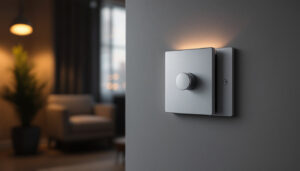
Choosing the right LED base is not just about matching shapes and sizes. It involves understanding the electrical specifications, mechanical fit, and environmental factors that affect the installation. A mismatch or poor-quality base can lead to flickering, reduced lifespan, or even safety hazards. Contractors who invest time in selecting and installing the correct LED bases reduce callbacks and enhance client satisfaction. Furthermore, the rise of smart lighting solutions has introduced additional complexities, as many modern LED bases are designed to accommodate smart technology features, such as dimming capabilities and wireless connectivity. This evolution necessitates that contractors stay informed about the latest advancements in LED base technology to meet client expectations effectively.
Common Types of LED Bases and Their Applications
Several LED base types dominate the market, each suited for specific fixtures and environments. The most common include:
- Edison Screw (E26, E27, E12): Widely used in residential and commercial lighting, these bases screw into standard sockets. The E26 and E27 are almost identical in size, with E26 common in North America and E27 in Europe. The smaller E12 is often found in candelabra-style fixtures.
- Bi-pin Bases (GU10, GU5.3, G4): These bases use two pins for connection and are common in spotlights and track lighting. GU10 bases twist and lock, providing a secure fit, while GU5.3 and G4 are push-fit.
- Bayonet Bases (B22, BA15d): Popular in the UK and Australia, bayonet bases use a push-and-twist mechanism, offering solid mechanical retention.
- Specialty Bases: These include bases for linear LED tubes (such as G13 for T8 tubes) and proprietary bases for decorative or industrial fixtures.
Familiarity with these types allows contractors to quickly identify the correct replacement or upgrade options, ensuring compatibility and ease of installation. Additionally, understanding the thermal management properties of different LED bases is crucial. Some bases are designed to dissipate heat more effectively than others, which can significantly impact the overall performance of the LED bulb. For instance, in high-heat environments such as industrial settings, selecting a base with superior heat dissipation can prevent premature failure of the LED bulb. Furthermore, as energy efficiency standards continue to evolve, being knowledgeable about the latest base technologies can help contractors provide solutions that not only meet but exceed regulatory requirements, ultimately positioning them as leaders in the lighting industry.
Ensuring Compatibility: Matching LED Bases with Fixtures and Drivers
Compatibility is more than just physical fit. Electrical and thermal considerations play a crucial role in the performance of LED lighting systems.
Electrical Compatibility and Voltage Considerations
LED bases must support the voltage and current requirements of the LED bulb and fixture. For example, GU10 bases are typically designed for mains voltage (120V or 230V), while GU5.3 bases operate at low voltage (12V). Installing a low-voltage LED bulb in a mains-voltage socket or vice versa can cause immediate failure or hazards.
Additionally, the driver or power supply connected to the LED must be compatible with the base and bulb. Lighting contractors should verify driver specifications, including output voltage, current, and dimming capabilities. Using a driver that mismatches the LED base or bulb can result in flickering, reduced lifespan, or damage. It’s also essential to consider the total wattage of the LED setup; exceeding the driver’s capacity can lead to overheating and potential failure of the entire system. Therefore, thorough testing and validation of all components are necessary to ensure a safe and efficient lighting solution.
Mechanical Fit and Thermal Management
LED bases must fit securely within the fixture to maintain electrical contact and prevent vibrations or loosening over time. Some LED bases, like the twist-lock GU10, provide better mechanical retention than simple push-fit types. This is especially important in environments subject to movement or vibration.
Thermal management is another critical factor. LED bulbs generate heat, and the base must facilitate heat dissipation to avoid overheating. Poor thermal contact can lead to premature LED failure. Lighting contractors should assess fixture design and base materials to ensure adequate heat transfer. In addition, the use of heat sinks or thermal pads can enhance the heat dissipation process, allowing for longer operational life and improved performance of the LED bulbs. Furthermore, understanding the ambient temperature and airflow around the fixture can help in selecting the right components for optimal thermal management, ensuring that the lighting system remains efficient and reliable even in challenging conditions.
Installation Best Practices for LED Bases
Proper installation techniques can prevent many common issues associated with LED bases. Lighting contractors should adhere to industry standards and manufacturer guidelines to ensure reliable performance. Understanding the nuances of LED technology is crucial, as it differs significantly from traditional incandescent or fluorescent lighting. This knowledge not only enhances the longevity of the fixtures but also optimizes energy efficiency, which is a key selling point for modern lighting solutions.
Inspection and Preparation Before Installation
Before installing an LED bulb, inspect the base and socket for damage, corrosion, or debris. Even minor imperfections can cause poor electrical contact or safety hazards. Clean the socket if necessary and ensure the base pins or threads are intact. Additionally, it is beneficial to check the compatibility of the LED bulb with the existing fixture, as not all LED bulbs are designed to work with every type of fixture. This includes verifying wattage and voltage specifications to avoid potential malfunctions.
Confirm that the fixture is switched off and, if possible, disconnected from power before installation. This reduces risk and prevents accidental damage to components. It’s also advisable to use a voltage tester to ensure that no power is present at the fixture, providing an extra layer of safety for the installer. Taking these precautions not only protects the individual but also safeguards the integrity of the lighting system.
Secure and Proper Insertion Techniques
For screw bases, tighten the bulb firmly but avoid over-tightening, which can damage the base or socket. For bayonet and twist-lock bases, ensure the bulb is fully engaged and locked into position. Push-fit bases require a straight, firm insertion to avoid bending pins. It is important to familiarize oneself with the specific type of base being used, as improper handling can lead to premature failure of the bulb or fixture. Additionally, using a torque wrench can help ensure that the correct amount of pressure is applied during installation.
After installation, test the fixture to confirm the bulb operates correctly. Look for signs of flickering, dimming, or unusual noises, which may indicate poor contact or electrical issues. If any anomalies are detected, it may be necessary to remove the bulb and recheck the installation process. Keeping a log of installation practices and any issues encountered can also be beneficial for future reference, helping to streamline the installation process for subsequent projects.
Handling and Safety Considerations
LED bases and bulbs are sensitive to static discharge and physical damage. Use gloves or handle bulbs by the base to avoid oils from skin affecting the LED surface. Store bulbs and bases in protective packaging until installation to prevent damage. Furthermore, it is wise to educate all personnel involved in the installation process about the specific handling requirements for LED products, as this can significantly reduce the likelihood of damage during transport and installation.
Always follow local electrical codes and regulations. When working in commercial or industrial settings, ensure compliance with safety standards to protect both workers and end-users. It may also be beneficial to conduct a risk assessment prior to installation, identifying potential hazards and establishing protocols to mitigate them. This proactive approach not only enhances safety but also promotes a culture of responsibility and awareness among the installation team, ultimately leading to a more efficient and successful project outcome.
Common Challenges and How to Overcome Them
Lighting contractors often face challenges related to LED bases during installations or maintenance. Recognizing these issues and knowing how to address them can save time and money.
Flickering and Poor Contact Issues
Flickering is frequently caused by loose connections or incompatible drivers. Tightening the bulb or replacing the base can resolve mechanical issues. If flickering persists, check the driver compatibility and wiring integrity.
Base Corrosion and Environmental Damage
In outdoor or humid environments, corrosion can degrade LED bases and sockets. Using bases made from corrosion-resistant materials, such as nickel-plated brass, can extend lifespan. Applying dielectric grease on contacts can also prevent moisture ingress.
Upgrading Legacy Fixtures to LED
Older fixtures may have bases designed for incandescent or fluorescent bulbs. Retrofitting these with LED bulbs requires careful base compatibility checks. In some cases, adapters or base replacements are necessary. Contractors should evaluate the cost-benefit of retrofitting versus full fixture replacement.
Product Selection: What to Look for in Quality LED Bases
Not all LED bases are created equal. Quality affects performance, safety, and customer satisfaction. Lighting contractors should consider several factors when selecting bases.
Material and Build Quality
High-quality bases use durable materials that resist wear, corrosion, and heat. Brass and ceramic bases are preferred for their thermal properties and longevity. Avoid cheap plastic bases that may deform or fail prematurely.
Certification and Compliance
Look for bases that meet relevant safety and performance standards, such as UL, CE, or RoHS certifications. Certified products have undergone rigorous testing and are less likely to cause issues in the field.
Supplier Reputation and Warranty
Partner with reputable suppliers who provide clear specifications, technical support, and warranties. Reliable supply chains reduce the risk of counterfeit or substandard products entering your projects.
Final Thoughts: Mastering LED Bases for Better Lighting Solutions
For lighting contractors, attention to LED bases is a critical but often underestimated aspect of successful installations. Understanding the types, compatibility requirements, installation techniques, and common pitfalls can significantly improve project outcomes.
Investing time in selecting quality bases and following best practices minimizes failures and enhances the reputation of your work. Whether upgrading existing fixtures or designing new lighting systems, LED bases are the foundation upon which reliable, efficient lighting is built.
Illuminate Your Projects with LumenWholesale
Ready to elevate your lighting installations with the best in LED base technology? At LumenWholesale, we provide lighting contractors with the highest quality, spec-grade lighting products at unbeatable wholesale prices. Say goodbye to inflated markups and hello to a vast selection of reliable, high-performance lighting essentials that meet the strictest industry standards. With the added convenience of free shipping on bulk orders, you can trust that you’re getting premium lighting at the best value — without any hidden fees. Don’t compromise on quality or cost. Visit LumenWholesale today and experience the ultimate in quality, affordability, and convenience for all your lighting project needs.