Understanding Light Panels: The Basics and Beyond
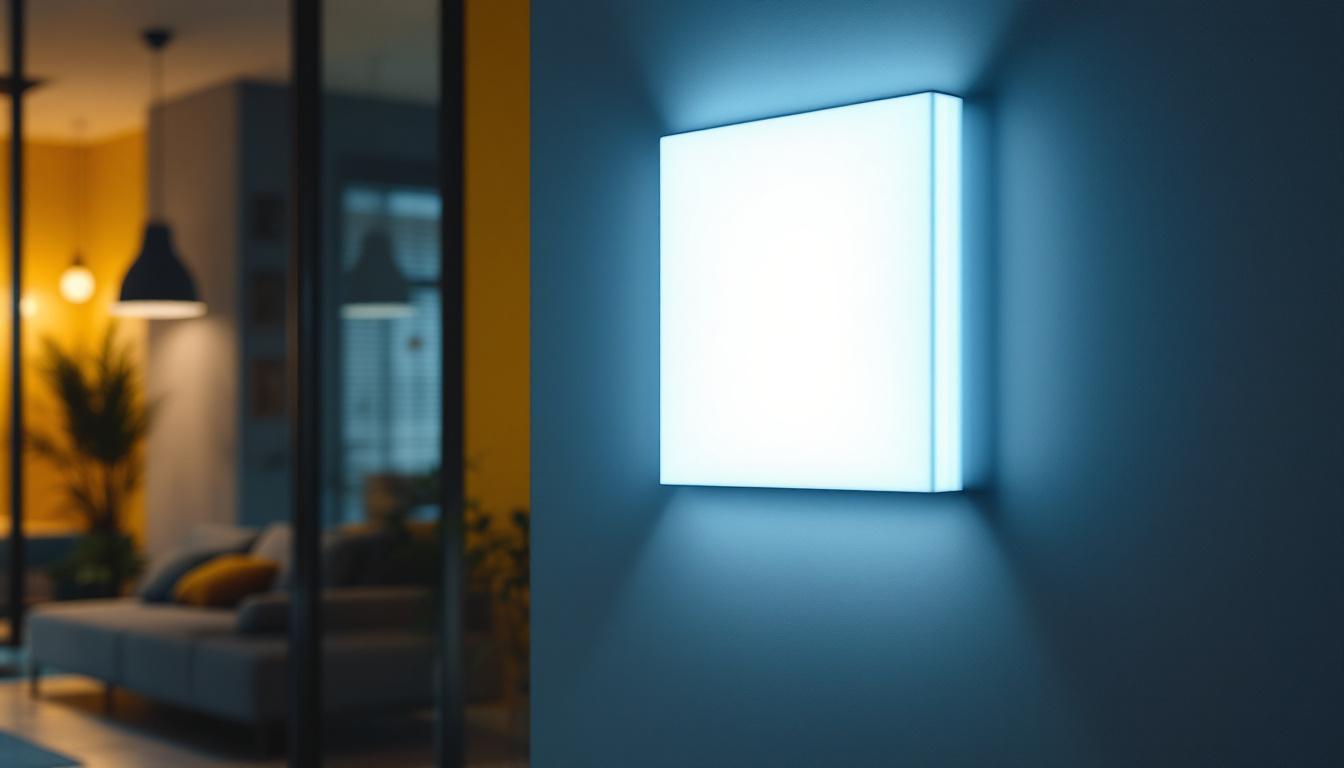
Light panels have rapidly become a staple in modern lighting design, especially when it comes to wall installations. Unlike traditional fixtures, these panels offer a sleek, uniform light source that can transform any space with minimal bulk and maximum efficiency. For lighting contractors, understanding the nuances of light panels is crucial—not just to install them correctly but to advise clients on their best use.
At their core, light panels are thin, flat fixtures that emit light evenly across their surface. They are often LED-based, which means they consume less power and last longer than conventional bulbs. What sets them apart is their ability to provide diffuse, glare-free illumination, making them ideal for environments where comfort and aesthetics matter equally.
Choosing the right light panel involves more than just picking a size or color temperature. Factors such as lumen output, color rendering index (CRI), dimming capabilities, and installation methods all play a role. For contractors, being fluent in these specifications is essential to meet client expectations and comply with building codes.
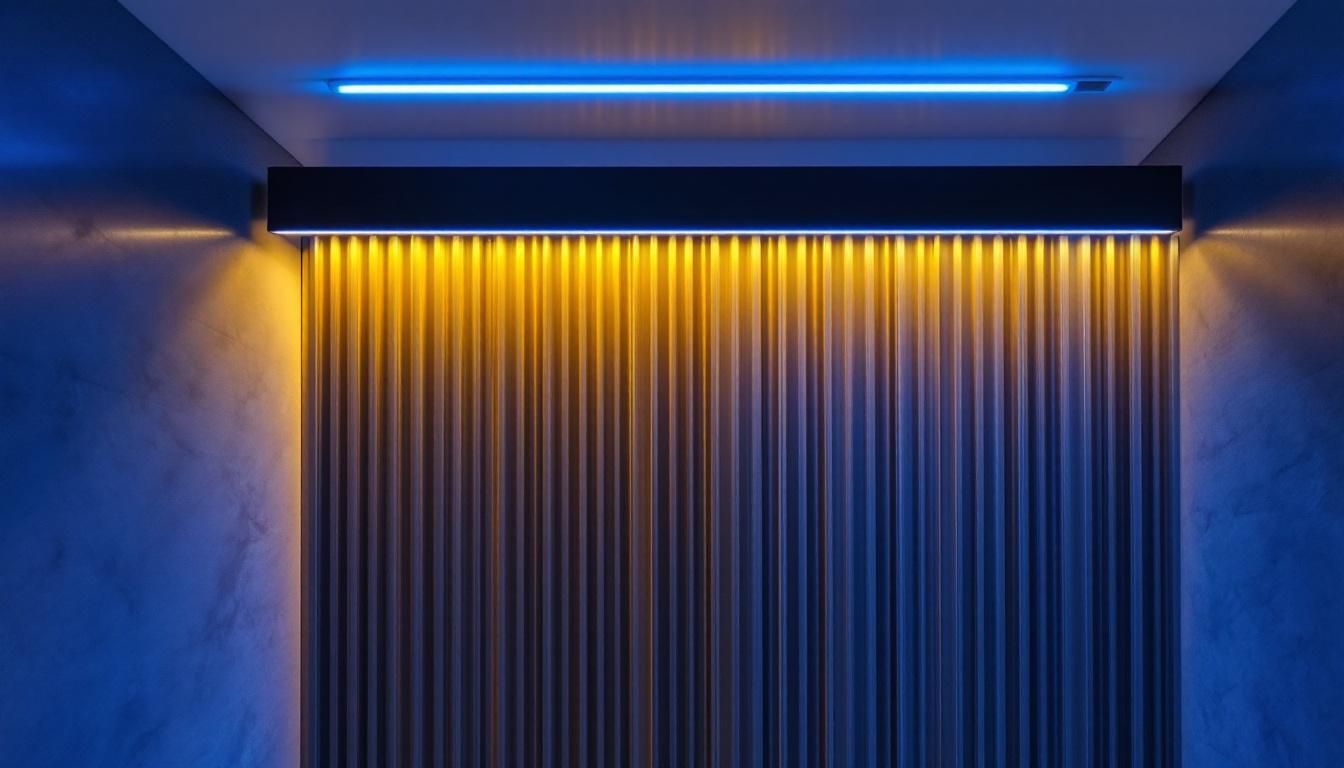
In addition to their technical specifications, light panels also offer a range of design possibilities that can enhance the overall ambiance of a space. They can be installed in various orientations—horizontally or vertically—and can even be integrated into ceilings for a seamless look. This versatility allows designers to create innovative layouts that highlight architectural features or provide functional lighting in workspaces. Furthermore, many light panels come with customizable options, such as tunable white technology, which allows users to adjust the color temperature throughout the day, mimicking natural light and promoting well-being.
Moreover, the environmental benefits of light panels cannot be overlooked. As energy-efficient solutions, they contribute to lower electricity bills and reduced carbon footprints, making them an attractive option for eco-conscious clients. Many manufacturers are also focusing on sustainable materials and production processes, ensuring that the panels not only perform well but also align with green building practices. As the demand for sustainable design continues to grow, lighting contractors who are knowledgeable about these eco-friendly options will be better positioned to serve their clients and contribute to a more sustainable future.
Key Specifications Every Contractor Should Master
Lumen Output and Brightness
Lumens measure the total amount of visible light emitted by a source. When selecting a light panel for a wall, the lumen output must match the intended use of the space. For example, a conference room or office wall might require brighter panels to enhance visibility, whereas a residential hallway could benefit from softer illumination.
Understanding lumen output helps contractors avoid under- or over-lighting a space. Panels with adjustable brightness or dimming features offer flexibility, allowing users to tailor lighting to different times of day or activities. This adaptability can significantly improve energy efficiency, as lights can be dimmed during daylight hours or when the space is unoccupied, contributing to lower utility bills and a smaller carbon footprint.
Moreover, the placement of light panels plays a crucial role in achieving the desired brightness. Contractors should consider factors such as the height of the ceiling, the color of the walls, and the presence of windows, as these elements can all affect how light is perceived within a room. A well-planned lighting layout not only enhances functionality but also elevates the overall aesthetic appeal of the space.
Color Temperature and Mood Setting
Color temperature, measured in Kelvins (K), affects how warm or cool the light appears. Light panels typically range from warm white (2700K) to daylight (5000K+). Warm white gives a cozy, inviting feel, while cooler temperatures promote alertness and clarity.
For wall installations, color temperature can dramatically influence the ambiance. For instance, art galleries often use cooler light to highlight colors accurately, while hospitality spaces lean toward warmer tones for comfort. Contractors should discuss these options with clients to align lighting with the space’s purpose. Additionally, the psychological effects of color temperature should not be overlooked; studies have shown that warmer lighting can create a sense of relaxation, making it ideal for spaces designed for leisure, such as lounges or bedrooms.
Furthermore, the ability to layer different color temperatures within a single space can enhance its versatility. By incorporating both warm and cool lighting options, contractors can create dynamic environments that cater to various activities, from focused work to social gatherings, all while maintaining a cohesive design aesthetic.
Color Rendering Index (CRI)
CRI indicates how accurately a light source reveals colors compared to natural light. A higher CRI (above 80) means colors appear more vivid and true-to-life. This is particularly important in retail, healthcare, and design-focused environments where color accuracy is non-negotiable.
When specifying light panels, contractors should prioritize high CRI ratings to ensure the lighting enhances rather than distorts the space’s visual elements. In settings like photography studios or makeup rooms, the difference in CRI can significantly impact the final output, making it essential for contractors to educate clients on the importance of this specification.
Moreover, the integration of smart lighting technology can further enhance the effectiveness of lighting solutions. With the ability to adjust both brightness and color temperature remotely, contractors can offer clients a modern solution that not only meets their aesthetic needs but also adapts to their lifestyle. This technological advancement can lead to improved user satisfaction and increased demand for sophisticated lighting designs in both residential and commercial projects.
Installation Considerations for Wall-Mounted Light Panels
Surface Preparation and Mounting Techniques
Proper installation begins with preparing the wall surface. It must be clean, smooth, and structurally sound to support the panel’s weight. Uneven walls can cause gaps or misalignment, compromising both aesthetics and performance.
Mounting methods vary depending on panel design. Some panels come with frame kits or brackets for secure attachment, while others use adhesive backings or magnetic mounts for easier installation. Contractors should evaluate the wall material-drywall, concrete, or wood-and select mounting hardware accordingly.
Electrical Wiring and Safety Protocols
Light panels typically require low-voltage wiring, but some models operate on standard line voltage. Contractors must verify panel specifications and local electrical codes before installation. Proper wiring ensures safety and prevents issues such as flickering or short circuits.
In-wall wiring often demands careful planning to avoid interference with existing infrastructure like plumbing or HVAC systems. Using junction boxes and conduit can enhance safety and simplify future maintenance.
Integration with Controls and Smart Systems
Modern light panels often come equipped with dimming capabilities and compatibility with smart lighting controls. Integrating these features can add significant value to a project, offering clients convenience and energy savings.
Contractors should be familiar with common control protocols such as DALI, 0-10V dimming, and wireless options like Zigbee or Bluetooth. Proper integration requires coordination between electrical and control system components, so early planning is vital.
Common Challenges and How to Overcome Them
Dealing with Heat Dissipation
Although LED panels generate less heat than traditional bulbs, they still require adequate ventilation to maintain longevity. Installing panels flush against non-breathable surfaces can trap heat, leading to premature failure.
Contractors should ensure there is sufficient air circulation around the panel or use panels designed with built-in heat sinks. Consulting manufacturer guidelines on spacing and ventilation is a must.
Addressing Glare and Uniformity Issues
One of the main advantages of light panels is their uniform light distribution, but improper installation can cause glare or uneven lighting. Positioning panels too close to reflective surfaces or at awkward angles can create hotspots or shadows.
Testing panel placement during installation and using diffusers or anti-glare covers can mitigate these issues. Contractors should also educate clients on the importance of fixture placement relative to room layout and furniture.
Ensuring Longevity and Maintenance Access
Light panels are generally low-maintenance, but accessibility for future repairs or replacements is essential. Installing panels in hard-to-reach areas without removable features can complicate maintenance and increase costs.
Contractors should plan for easy access by incorporating removable frames or mounting systems that allow panels to be taken down without damaging walls. Documenting installation details also aids future service work.
Trends and Innovations Lighting Contractors Should Watch
Advancements in Tunable White and Color-Changing Panels
Dynamic lighting options that allow users to adjust color temperature or switch between colors are gaining traction. These panels can enhance mood, support circadian rhythms, or create dramatic effects in commercial and residential settings.
Contractors who understand how to install and program tunable panels can offer clients cutting-edge solutions that go beyond static lighting.
Integration with Building Automation Systems
Smart buildings increasingly rely on integrated lighting systems that respond to occupancy, daylight levels, and user preferences. Light panels compatible with these systems offer energy savings and operational efficiency.
Contractors skilled in interfacing lighting with broader building management systems are well-positioned to lead complex projects and deliver comprehensive solutions.
Sustainability and Energy Efficiency
Energy codes and green building certifications often require lighting solutions that minimize power consumption and environmental impact. Light panels, with their high efficiency and long lifespan, are excellent candidates.
Contractors should stay informed about evolving standards and help clients select panels that contribute to sustainability goals without sacrificing performance.
Final Thoughts: Elevating Your Expertise with Light Panels
Mastering the installation and specification of wall-mounted light panels can set a lighting contractor apart in a competitive market. These fixtures offer versatility, efficiency, and aesthetic appeal that meet the demands of modern design.
By understanding key technical details, installation challenges, and emerging trends, contractors can deliver solutions that satisfy clients and stand the test of time. Staying current with product innovations and building codes ensures every project is executed with professionalism and precision.
Ultimately, light panels are more than just a lighting option-they are an opportunity to showcase craftsmanship and technical knowledge, illuminating spaces and careers alike.
Discover Unmatched Lighting Solutions with LumenWholesale
Ready to elevate your lighting projects with the best in the business? Look no further than LumenWholesale for a vast selection of top-quality, spec-grade light panels and more. Our commitment to providing contractors with superior products at unbeatable wholesale prices means you can confidently meet the demands of any space, ensuring efficiency, aesthetic appeal, and longevity. Say goodbye to inflated markups and hello to hassle-free bulk buying with free shipping. Don’t compromise on quality or value—explore our collection now and experience the LumenWholesale difference in your next lighting endeavor.