Why Center Island Lighting Matters More Than Ever
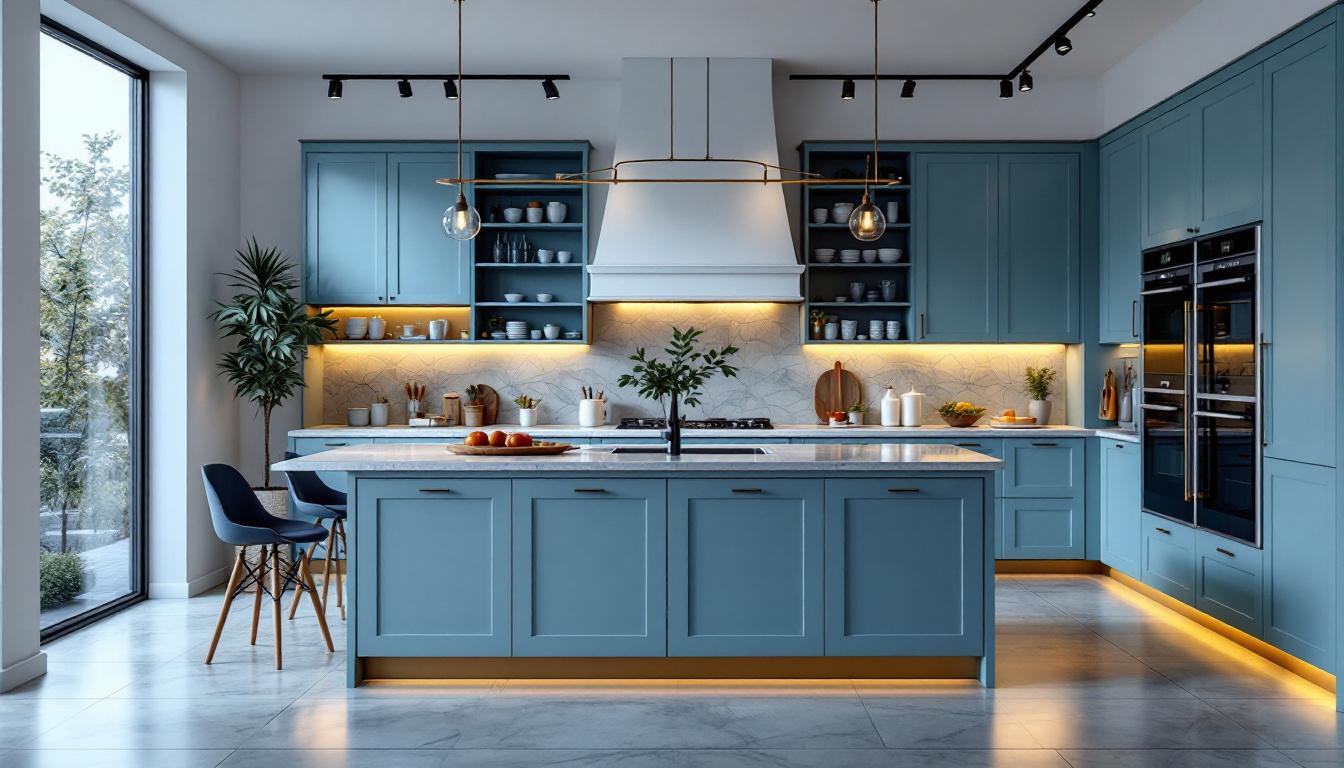
Center island light fixtures have become a focal point in kitchen design, blending functionality with style. For lighting contractors, understanding the nuances of these fixtures is crucial. The kitchen island is no longer just a prep space; it’s a social hub, a dining area, and sometimes even a workspace. Proper lighting here can transform the entire room’s ambiance and usability.
Clients increasingly demand lighting solutions that offer both task efficiency and aesthetic appeal. This dual purpose means contractors must stay ahead of trends, materials, and technologies that elevate center island lighting beyond mere illumination.
One of the most significant trends in center island lighting is the shift towards customizable fixtures. Homeowners are looking for options that allow them to express their personal style while also meeting the functional needs of their kitchen. From pendant lights with interchangeable shades to adjustable height fixtures, the ability to tailor lighting to suit individual preferences has become a game changer. Additionally, the integration of smart lighting technology is on the rise, allowing users to control brightness and color temperature through their smartphones or voice-activated devices, further enhancing the versatility of kitchen spaces.
Moreover, the choice of materials plays a pivotal role in the overall design scheme. From sleek metals and rustic woods to vibrant glass and eco-friendly options, the materials used in center island lighting can significantly impact the kitchen’s aesthetic. Lighting contractors should be well-versed in these options, as they can help clients select fixtures that not only illuminate but also harmonize with other elements in the kitchen, such as cabinetry, countertops, and appliances. This attention to detail ensures that the lighting complements the overall design narrative, creating a cohesive and inviting environment that encourages both functionality and social interaction.
Current Styles Dominating Center Island Lighting
Minimalist and Sleek Designs
Clean lines and understated elegance are winning over many homeowners. Fixtures with slim profiles, matte finishes, and integrated LED technology are popular for their ability to blend seamlessly into modern kitchens. These designs often feature linear or geometric shapes, providing focused light without overwhelming the space. The emphasis on simplicity allows for a more open and airy feel, making the kitchen a welcoming environment for both cooking and entertaining.
Lighting contractors should note that minimalist fixtures often require precise installation to maintain their visual impact. The height, spacing, and alignment above the island are critical to achieving the desired effect. Additionally, the choice of color temperature in LED lights can significantly influence the ambiance; cooler tones can enhance a clean, modern look, while warmer hues can create a cozy atmosphere, making it essential for contractors to discuss these options with their clients.
Industrial and Vintage Revival
On the opposite end of the spectrum, industrial-style fixtures continue to captivate clients who want a bold statement. Exposed bulbs, metal cages, and weathered finishes add character and warmth. These fixtures pair well with rustic or farmhouse kitchen designs but also create an appealing contrast in contemporary spaces. The raw, unfinished look of these designs often evokes a sense of authenticity and craftsmanship that many homeowners find appealing.
Vintage Edison bulbs remain a staple here, appreciated for their warm glow and nostalgic charm. Contractors must ensure compatibility with dimmers and modern electrical standards when installing these fixtures. Furthermore, the unique filament designs of these bulbs can be a conversation starter, allowing homeowners to express their personality and style through their lighting choices. Pairing these fixtures with reclaimed wood or other vintage elements can further enhance the overall aesthetic of the kitchen.
Mixed Materials and Textures
Combining materials like wood, metal, glass, and even concrete is trending. This approach adds depth and tactile interest to center island lighting. For example, a metal frame with wooden accents or glass shades with brass fittings can elevate the fixture’s overall appeal. This eclectic mix not only showcases the homeowner’s creativity but also allows for a personalized touch that can make the kitchen feel uniquely theirs.
Lighting contractors should be prepared to advise clients on maintenance and durability, especially when mixing materials that may age differently or require distinct cleaning methods. Understanding how various materials interact with light can also help in selecting the right fixtures; for instance, glass shades can diffuse light beautifully, while metal can create striking shadows. As homeowners increasingly seek to create a harmonious blend of styles, the role of the contractor in guiding them through these choices becomes even more crucial, ensuring that the final design is both functional and visually stunning.
Technological Innovations Lighting Contractors Should Embrace
Smart Lighting Integration
Smart home technology has revolutionized lighting control. Center island fixtures equipped with smart bulbs or integrated controls allow users to adjust brightness and color temperature with ease. This flexibility caters to different tasks-bright white light for cooking, warm tones for dining or entertaining.
Contractors must familiarize themselves with popular smart systems and ensure seamless integration with existing home automation setups. Offering clients options like voice control or app-based management can be a significant selling point.
Energy Efficiency and LED Advancements
LED technology continues to advance rapidly, offering brighter light with lower energy consumption. Modern LEDs provide excellent color rendering, which is essential for kitchens where food presentation and accurate color perception matter.
Contractors should prioritize fixtures with high-quality LED modules and ensure proper heat dissipation to extend fixture lifespan. Energy-efficient lighting not only reduces utility bills but also aligns with growing environmental consciousness among homeowners.
Adjustable and Multi-Functional Fixtures
Fixtures that offer adjustable height, direction, or modular components are gaining traction. These allow users to customize lighting based on their needs, whether focusing light on a specific prep area or creating ambient illumination for gatherings.
For contractors, installing adjustable fixtures requires careful planning to ensure smooth operation and safety. Clear communication with clients about the fixture’s capabilities enhances satisfaction and reduces future service calls.
Installation Best Practices for Center Island Fixtures
Optimal Placement and Spacing
Proper placement of center island fixtures directly influences their effectiveness. A common guideline is to space pendants approximately 24 to 30 inches apart and hang them 30 to 36 inches above the countertop. However, these measurements may vary depending on ceiling height and island size.
Contractors should conduct thorough site assessments and discuss client preferences before finalizing fixture placement. Balancing task lighting with ambient light is key to a well-lit kitchen island.
Wiring and Electrical Considerations
Center island lighting often requires running wiring through ceilings or walls, which can be challenging in existing structures. Lighting contractors must be adept at navigating these obstacles while adhering to electrical codes and safety standards.
Using junction boxes and ensuring proper grounding are essential steps. Additionally, incorporating dimmer switches or smart controls during installation adds value and functionality.
Coordinating with Other Kitchen Elements
Lighting should complement cabinetry, countertops, and appliances. Contractors should collaborate with kitchen designers or clients to select fixtures that harmonize with the overall style and color scheme.
Consideration of natural light sources and other artificial lights in the kitchen ensures a balanced lighting plan. Layered lighting-combining ambient, task, and accent lights-creates a versatile and inviting environment.
Common Challenges and How to Overcome Them
Glare and Shadows
Improperly positioned fixtures can cause glare or cast unwanted shadows on the work surface. This issue frustrates users and diminishes the functionality of the lighting.
Contractors should choose fixtures with diffusers or shades that soften light and direct it downward. Testing fixture placement with temporary setups before final installation can prevent these problems.
Fixture Weight and Ceiling Support
Some center island fixtures, especially those made from heavier materials like metal or glass, require reinforced ceiling support. Underestimating this can lead to safety hazards or fixture damage.
Consulting structural experts or using appropriate mounting hardware ensures secure installation. Contractors should also educate clients about the importance of professional installation for these heavier fixtures.
Matching Client Expectations with Reality
Clients often have high expectations based on showroom displays or online images. Lighting contractors must manage these expectations by explaining how different fixtures will look and perform in their unique space.
Providing samples, 3D renderings, or mockups helps clients visualize the final result. Clear communication about timelines, costs, and maintenance requirements builds trust and reduces misunderstandings.
How to Stay Ahead as a Lighting Contractor
Continuing Education and Industry Events
Lighting technology and design trends evolve quickly. Attending trade shows, manufacturer training sessions, and industry seminars keeps contractors informed and competitive.
Networking with designers, architects, and suppliers also opens doors to new projects and collaborations focused on innovative lighting solutions.
Offering Customized Solutions
Clients appreciate personalized service that addresses their specific needs and style preferences. Contractors who can recommend bespoke fixtures or tailor lighting plans stand out in a crowded market.
Developing relationships with local artisans or specialty manufacturers can provide unique options that elevate a contractor’s portfolio.
Leveraging Digital Tools
Software for lighting design and project management streamlines workflows and enhances accuracy. Using digital tools to create lighting layouts or simulate fixture placement improves client presentations and reduces errors.
Contractors who embrace technology demonstrate professionalism and efficiency, attracting discerning clients.
Conclusion
Center island light fixtures are more than just functional elements-they define the kitchen’s atmosphere and usability. Lighting contractors who understand current trends, technological advancements, and installation best practices will deliver superior results that satisfy clients and enhance their reputation.
By mastering a range of styles, embracing smart and energy-efficient options, and addressing common challenges head-on, contractors can position themselves as trusted experts in this vital aspect of kitchen lighting design.
Illuminate Your Projects with LumenWholesale
Ready to elevate your lighting game with the latest center island light fixtures? At LumenWholesale, we provide lighting contractors with an exceptional range of high-quality, spec-grade lighting products at unparalleled wholesale prices. Say goodbye to local distributor markups and hello to a curated selection that meets rigorous industry standards. With free shipping on bulk orders, LumenWholesale is your go-to source for premium lighting solutions that combine quality, affordability, and convenience. Don’t compromise on your lighting needs—discover the best value in wholesale lighting and make your next project shine.