Understanding Wall Occupancy Sensor Switches
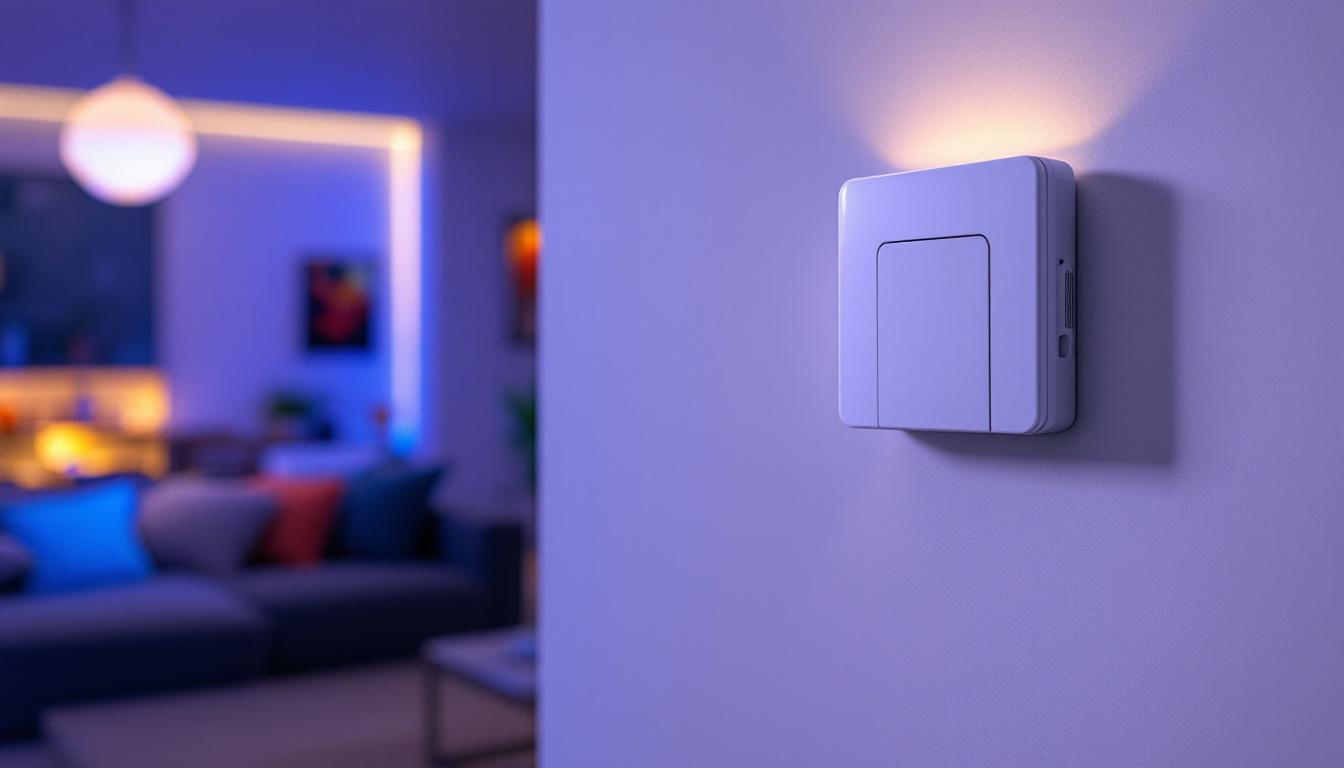
Wall occupancy sensor switches are revolutionizing how lighting systems operate in residential, commercial, and industrial settings. These devices detect the presence of people in a room and automatically control the lighting accordingly. For lighting contractors, understanding their functionality and applications is crucial to delivering efficient, user-friendly lighting solutions.
Unlike traditional manual switches, wall occupancy sensors eliminate the need for users to remember to turn lights off, reducing energy waste and enhancing convenience. They typically use technologies such as passive infrared (PIR), ultrasonic, or a combination of both to sense motion or body heat. This advancement not only contributes to energy savings but also aligns with sustainable practices by minimizing unnecessary electricity consumption.
How Do Wall Occupancy Sensor Switches Work?
At the core, these switches detect movement or presence within a defined area. PIR sensors pick up infrared energy emitted by human bodies, while ultrasonic sensors emit high-frequency sound waves and detect changes in the reflected waves caused by motion. When occupancy is detected, the switch activates the lighting circuit; when the space is unoccupied for a preset interval, it turns the lights off.
Some advanced models offer adjustable sensitivity and time delay settings, allowing customization based on room size, lighting needs, and user behavior. This flexibility is essential for optimizing performance in diverse environments. For instance, in a bustling office space, a higher sensitivity setting may be beneficial to ensure that lights remain on during peak hours, while a quieter conference room may require a longer time delay to accommodate lengthy meetings without interruption.
Moreover, the integration of wall occupancy sensor switches with smart home systems is becoming increasingly popular. These systems can be programmed to work in tandem with other smart devices, such as thermostats and security systems, creating a cohesive and automated living environment. For example, when a person enters a room, the lights can turn on, and the thermostat can adjust to a comfortable temperature, all triggered by the same occupancy sensor. This interconnectedness not only enhances user experience but also promotes energy efficiency across multiple systems.
Benefits for Lighting Contractors and End Users
Integrating wall occupancy sensor switches into lighting designs offers multiple advantages that directly impact both contractors and their clients.
Energy Efficiency and Cost Savings
Lighting accounts for a significant portion of energy consumption in buildings. By ensuring lights are only on when needed, occupancy sensors can reduce electricity usage by up to 30-50% in many cases. This translates into substantial cost savings over time, especially in commercial spaces where lights might otherwise remain on for extended periods.
For contractors, promoting these savings can be a compelling selling point. Clients appreciate solutions that reduce operational costs without sacrificing comfort or convenience. Additionally, the long-term return on investment (ROI) associated with these systems can be a persuasive factor for clients considering upgrades or renovations. The initial cost of installing occupancy sensors can often be offset by the savings accrued from reduced energy bills, making it a financially savvy choice for both residential and commercial projects.
Enhanced User Experience and Convenience
Occupancy sensor switches provide an intuitive lighting experience. Users don’t have to fumble for switches in dark rooms or worry about leaving lights on. This is particularly valuable in frequently used areas such as hallways, bathrooms, conference rooms, and stairwells.
Contractors can highlight this convenience when recommending sensor switches, especially for clients aiming to improve accessibility or modernize their spaces. Furthermore, these sensors can be integrated with smart home systems, allowing users to control their lighting remotely or set specific schedules. This level of customization not only enhances user satisfaction but also aligns with the growing trend of smart technology in homes and businesses, making it an attractive option for tech-savvy clients.
Compliance with Energy Codes and Standards
Many building codes and green building certifications now require or incentivize the use of occupancy sensors in certain spaces. For contractors, familiarity with these regulations is vital. Installing compliant sensor switches not only ensures legal adherence but also positions contractors as knowledgeable professionals who add value beyond basic installation.
Moreover, staying up-to-date with evolving energy codes can give contractors a competitive edge in the marketplace. As sustainability becomes a priority for many organizations, being able to offer solutions that meet or exceed these standards can enhance a contractor’s reputation and attract environmentally conscious clients. This proactive approach not only fosters trust but can also lead to referrals and repeat business, as clients are likely to return to contractors who demonstrate a commitment to quality and compliance in their work.
Installation Considerations and Best Practices
Proper installation is key to maximizing the effectiveness of wall occupancy sensor switches. Lighting contractors must consider several factors to ensure optimal performance and client satisfaction.
Placement and Coverage
Sensor placement affects detection accuracy. Installing the sensor where it has a clear line of sight to the area of interest is essential. Corners or near doorways often work well. Avoid placing sensors behind obstructions such as furniture or partitions that can block motion detection.
For larger rooms, multiple sensors or wide-angle models may be necessary to cover the entire space effectively. Contractors should evaluate room layout and traffic patterns during the design phase.
Sensor Type Selection
Choosing between PIR, ultrasonic, or dual-technology sensors depends on the specific application. PIR sensors excel in detecting body heat and are less prone to false triggers from non-human movement. Ultrasonic sensors can detect motion even when no direct line of sight exists but may be more susceptible to false alarms from airflow or vibrations.
Dual-technology sensors combine both methods to reduce false triggers and improve reliability. Contractors should assess the environment and client needs to select the most appropriate sensor type.
Adjusting Sensitivity and Time Delays
Most occupancy sensor switches allow customization of sensitivity and time delay settings. Sensitivity adjustments help prevent false triggers from pets or minor movements, while time delays control how long lights stay on after occupancy ends.
Contractors should work with clients to determine appropriate settings that balance energy savings with user comfort. For example, a longer delay might be preferred in a conference room to avoid lights turning off during short periods of inactivity.
Integrating Wall Occupancy Sensor Switches with Smart Lighting Systems
Modern lighting solutions increasingly incorporate smart technologies, and occupancy sensors play a pivotal role in these systems.
Compatibility with IoT and Building Automation
Many wall occupancy sensor switches now come with connectivity options that allow integration into Internet of Things (IoT) platforms and building automation systems. This connectivity enables centralized control, monitoring, and data analytics, offering deeper insights into space utilization and energy consumption.
For lighting contractors, understanding these integrations opens opportunities to provide advanced solutions that align with clients’ digital transformation goals.
Adaptive Lighting and Personalized Control
When combined with dimmable fixtures and smart controls, occupancy sensors enable adaptive lighting strategies. Lights can adjust brightness based on occupancy, ambient light levels, and user preferences, enhancing comfort and further reducing energy use.
Contractors can design systems that respond dynamically to real-time conditions, delivering a sophisticated lighting experience that meets modern expectations.
Challenges and Solutions in Using Wall Occupancy Sensor Switches
Despite their benefits, occupancy sensor switches present some challenges that contractors should anticipate and address.
False Triggers and Missed Detections
False triggers can cause lights to turn on unnecessarily, while missed detections may leave occupants in the dark. Both issues can frustrate users and undermine energy savings.
Proper sensor selection, placement, and calibration are critical to minimizing these problems. Dual-technology sensors and adjustable settings help reduce false alarms. Additionally, educating clients about the sensor’s operational characteristics can set realistic expectations.
Compatibility with Existing Electrical Systems
Older buildings or complex electrical setups may pose compatibility challenges. Some occupancy sensor switches require neutral wires or specific voltage ratings that might not be present in all installations.
Contractors should conduct thorough site assessments and consider retrofit-friendly models when working with legacy systems. Clear communication with clients about potential upgrades or modifications is essential.
Cost Considerations
While occupancy sensor switches offer long-term savings, the initial investment can be higher than standard switches. Clients may hesitate without understanding the return on investment.
Contractors can provide cost-benefit analyses, highlighting energy savings, maintenance reduction, and enhanced user experience to justify the upfront cost. Offering scalable solutions allows clients to adopt sensors incrementally.
Future Trends in Occupancy Sensor Technology
Advancements in sensor technology and lighting control continue to evolve, shaping the future of occupancy-based lighting solutions.
Integration with Artificial Intelligence
Artificial intelligence (AI) is beginning to enhance occupancy sensors by learning user behavior patterns and adapting settings automatically. This leads to smarter energy management and personalized lighting environments.
Contractors should stay informed about AI-enabled products to offer cutting-edge solutions that anticipate occupant needs.
Improved Sensor Accuracy and Miniaturization
Ongoing improvements in sensor components are making devices smaller, more accurate, and less intrusive. This allows for seamless integration into wall plates and fixtures without compromising aesthetics or functionality.
Such innovations will expand the range of applications and simplify installation processes for contractors.
Environmental and Health Considerations
Future occupancy sensors may incorporate environmental sensing capabilities, such as air quality or temperature monitoring, contributing to healthier indoor environments. Combining lighting control with these features can enhance occupant well-being and building sustainability.
Conclusion
Wall occupancy sensor switches are a cornerstone of modern lighting solutions, offering energy efficiency, convenience, and compliance benefits. For lighting contractors, mastering their selection, installation, and integration is essential to delivering high-quality, future-ready lighting systems.
By addressing challenges proactively and embracing emerging trends, contractors can provide clients with intelligent lighting environments that enhance comfort, reduce costs, and support sustainability goals.
Illuminate Your Projects with LumenWholesale
Ready to elevate your lighting solutions with the latest in wall occupancy sensor switches? At LumenWholesale, we provide lighting contractors with the finest spec-grade lighting products at prices that can’t be beaten. Say goodbye to unnecessary markups and hello to a vast selection of industry-standard, reliable lighting options for your next project. Plus, with free shipping on bulk orders, you can ensure your projects shine bright while keeping costs low. Don’t compromise on quality or value—Wholesale Lighting at the Best Value is just a click away. Choose LumenWholesale for a seamless purchase experience that combines quality, affordability, and convenience.