Choosing the Right Fixtures for Industrial Spaces
Industrial environments demand lighting solutions that are both robust and efficient. Unlike residential or commercial lighting, industrial hanging fixtures must withstand harsher conditions such as dust, moisture, vibration, and temperature fluctuations. Selecting the right fixture is not just about brightness; it’s about durability, maintenance, and energy consumption.
When specifying fixtures, consider the material and build quality. Aluminum housings with powder-coated finishes are popular for their corrosion resistance. Fixtures rated with an IP65 or higher rating ensure protection against dust and water ingress, which is critical in manufacturing plants or warehouses where airborne particles and occasional splashes are common. Furthermore, the choice of lens material can also impact performance; polycarbonate lenses are often favored for their impact resistance, making them ideal for environments where accidental collisions with equipment or materials may occur.
Energy efficiency is another key factor. LED technology has become the standard in industrial lighting due to its long lifespan and low power consumption. Many industrial LEDs now come with integrated drivers that support dimming and smart controls, enabling contractors to tailor lighting levels to operational needs while reducing energy costs. Additionally, the adoption of smart lighting systems can facilitate real-time monitoring and adjustments, further enhancing energy savings and operational efficiency. These systems can also provide valuable data on usage patterns, allowing facilities managers to optimize lighting schedules based on occupancy and activity levels.
Fixture Types and Mounting Options
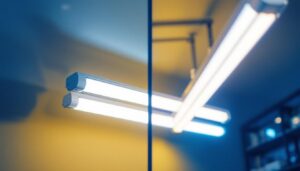
Hanging fixtures in industrial settings typically include high bay and low bay lights. High bay lights are designed for ceilings 20 feet or higher, providing broad, uniform illumination over large areas. Low bay lights are suited for ceilings below 20 feet, offering more focused light. Understanding the ceiling height and the nature of the workspace is essential to choosing the right type. Moreover, specialized fixtures like linear LED lights can be used in aisleways or narrow spaces, ensuring that every corner of the workspace is adequately lit without creating harsh shadows that could hinder visibility.
Suspension methods vary—chain, cable, or rigid rods are common. Each has its pros and cons. Chains offer flexibility and ease of adjustment but may require more frequent inspections for wear. Cable suspensions provide a clean aesthetic and strong support but can be more challenging to install. Rigid rods offer the most stability but are less forgiving if adjustments are needed post-installation. Additionally, considering the use of adjustable mounting brackets can provide even greater versatility, allowing for fine-tuning of light angles and intensities to meet specific task requirements. This adaptability is particularly beneficial in dynamic industrial environments where workflows may change frequently, necessitating a responsive approach to lighting design.
Optimizing Light Distribution and Performance
Proper light distribution is crucial for safety and productivity in industrial settings. Uneven lighting can cause shadows or glare, increasing the risk of accidents and reducing worker comfort. Contractors must pay close attention to fixture placement, aiming for consistent illumination across the workspace. This attention to detail not only enhances visibility but also fosters a more efficient workflow, as workers can perform tasks with greater precision and less strain on their eyes. Moreover, the strategic arrangement of lighting fixtures can also contribute to energy savings, as it allows for the use of fewer fixtures without compromising on illumination quality.
Optical lenses and reflectors play a significant role in controlling light distribution. Fixtures with adjustable optics allow for customization, directing light where it’s needed most. For example, narrow beam angles are ideal for task lighting on assembly lines, while wider beams suit general area lighting in warehouses. Additionally, modern advancements in LED technology have introduced options such as tunable white lighting, which can adapt to different tasks or times of day, further enhancing the adaptability of lighting systems in dynamic industrial environments.
Color Temperature and CRI
Color temperature affects visibility and worker alertness. Industrial lighting typically ranges from 4000K to 5000K, providing a neutral to cool white light that enhances contrast and reduces eye strain. Avoid overly warm lighting, which can appear dim and impact productivity. Interestingly, studies have shown that cooler color temperatures can stimulate alertness and cognitive function, making them particularly beneficial for environments where focus and attention to detail are paramount. This is especially relevant in sectors such as manufacturing and assembly, where precision is critical.
Color Rendering Index (CRI) is equally important. A CRI of 80 or above is recommended to ensure colors appear natural and clear, which is particularly vital in quality control areas or where color differentiation is necessary. High CRI lighting not only aids in identifying defects but also contributes to a more pleasant working environment, as employees can better appreciate the true colors of their surroundings. Furthermore, with the increasing use of advanced materials and finishes in industrial applications, the importance of accurate color rendering cannot be overstated, as it directly impacts the quality of the final product and the overall efficiency of operations.
Installation Best Practices for Safety and Longevity
Installing industrial hanging lighting requires attention to safety codes and best practices to ensure both worker safety and fixture longevity. Contractors must comply with local electrical codes and standards such as the National Electrical Code (NEC) or equivalent regulations in their region. This compliance not only protects the workforce but also mitigates liability for the installation team and the facility owner. Regular updates to these codes mean that staying informed is crucial; contractors should participate in ongoing education to keep abreast of the latest safety requirements and technological advancements in lighting solutions.
Before installation, verify the structural integrity of the mounting surface. Industrial ceilings may require reinforcement to support heavy fixtures. Using appropriate anchors and hardware rated for the fixture weight is non-negotiable. It’s also advisable to conduct a load analysis to ensure that the ceiling can handle the cumulative weight of all fixtures, especially in large warehouses or manufacturing plants where multiple lights may be installed. Additionally, considering the layout of the lighting can enhance overall visibility and safety, reducing the risk of accidents in high-traffic areas.
Wiring should be done with care, using conduit or cable trays to protect against physical damage. Grounding is critical to prevent electrical hazards. Additionally, contractors should plan for accessibility to fixtures for future maintenance or replacement, minimizing downtime. A well-thought-out wiring plan not only simplifies future repairs but also enhances the overall efficiency of the lighting system. Implementing a labeling system for circuits can further streamline maintenance efforts, allowing technicians to quickly identify and address issues without disrupting operations.
Addressing Environmental Challenges
In environments with extreme temperatures or exposure to chemicals, standard fixtures may fail prematurely. Look for fixtures specifically rated for hazardous locations or harsh environments. Explosion-proof or vapor-tight fixtures are designed to contain sparks and prevent ignition in flammable atmospheres. Furthermore, selecting LED fixtures can offer significant advantages in these conditions, as they typically have a longer lifespan and lower heat output compared to traditional lighting, reducing the risk of overheating and subsequent failure.
For outdoor industrial areas, weatherproofing and UV resistance are essential. Fixtures with sealed enclosures and corrosion-resistant materials will withstand exposure to rain, sun, and pollutants. It’s also important to consider the impact of local wildlife; for instance, certain fixtures may attract insects or birds, leading to potential blockages or damage. Utilizing fixtures with integrated pest-resistant designs can help maintain functionality and reduce maintenance needs. Additionally, incorporating smart lighting controls can optimize energy usage and enhance safety by adjusting brightness based on ambient light levels or occupancy, further extending the lifespan of the fixtures while ensuring a well-lit environment for workers.
Maintenance and Upgrades: Keeping Industrial Lighting Efficient
Regular maintenance extends the life of industrial lighting and ensures consistent performance. Dust and grime accumulation can significantly reduce light output. Scheduled cleaning of lenses and housings helps maintain optimal illumination levels. In addition to cleaning, it is also important to inspect fixtures for any signs of wear and tear, such as corrosion or loose fittings. Addressing these issues promptly can prevent more significant problems down the line, ensuring that facilities remain safe and well-lit for all employees.
LED fixtures generally require less maintenance than traditional lighting but still need periodic inspections. Checking for signs of driver failure, flickering, or dimming can prevent unexpected outages. Furthermore, keeping an eye on the color temperature and light distribution is essential, as these factors can impact worker productivity and safety. Regular assessments can help identify when it might be time to replace aging fixtures or upgrade to newer technology that offers even better performance and energy savings.
Retrofitting and Smart Controls
Many industrial facilities benefit from retrofitting older lighting systems with modern LED fixtures. Retrofitting not only improves energy efficiency but can also enhance light quality and reduce maintenance costs. Contractors should evaluate existing infrastructure to determine compatibility and identify necessary modifications. This evaluation process often involves a detailed analysis of the current lighting layout, energy consumption patterns, and the specific needs of the workspace, ensuring that the new system will meet both functional and aesthetic requirements.
Integrating smart controls such as occupancy sensors, daylight harvesting, and programmable timers can further optimize energy use. These systems adjust lighting based on real-time conditions, ensuring lights are only on when needed. For contractors, offering these upgrades adds value and positions them as forward-thinking partners to their clients. Moreover, the implementation of smart lighting solutions can lead to significant cost savings over time, as they reduce energy waste and enhance overall operational efficiency. As industries increasingly focus on sustainability, the adoption of smart lighting technologies not only meets regulatory demands but also aligns with corporate social responsibility initiatives, making it a win-win for both contractors and facility managers.
Conclusion: Delivering Value Through Expertise
Industrial hanging lighting is more than just installing bright lights. It requires a deep understanding of the environment, the tasks performed, and the challenges faced by industrial operations. Lighting contractors who prioritize fixture quality, proper installation, and ongoing maintenance will deliver solutions that enhance safety, productivity, and cost savings.
Staying informed about the latest technologies and industry standards empowers contractors to make smart recommendations and build lasting client relationships. In industrial lighting, expertise shines as brightly as the fixtures themselves.
Illuminate Your Industrial Projects with LumenWholesale
Ready to elevate your lighting solutions with fixtures that promise durability, efficiency, and cost-effectiveness? Look no further than LumenWholesale, where we specialize in providing contractors with spec-grade lighting products at unbeatable wholesale prices. Say goodbye to inflated markups and hello to a vast selection of high-quality lighting that meets rigorous industry standards. With LumenWholesale, bulk buying is a breeze, thanks to our free shipping policy, ensuring you get premium lighting at the best value — without any hidden fees. Don’t compromise on quality or price; choose LumenWholesale for the perfect blend of quality, affordability, and convenience. Wholesale Lighting at the Best Value is just a click away.