Understanding Drop Ceiling Light Panels
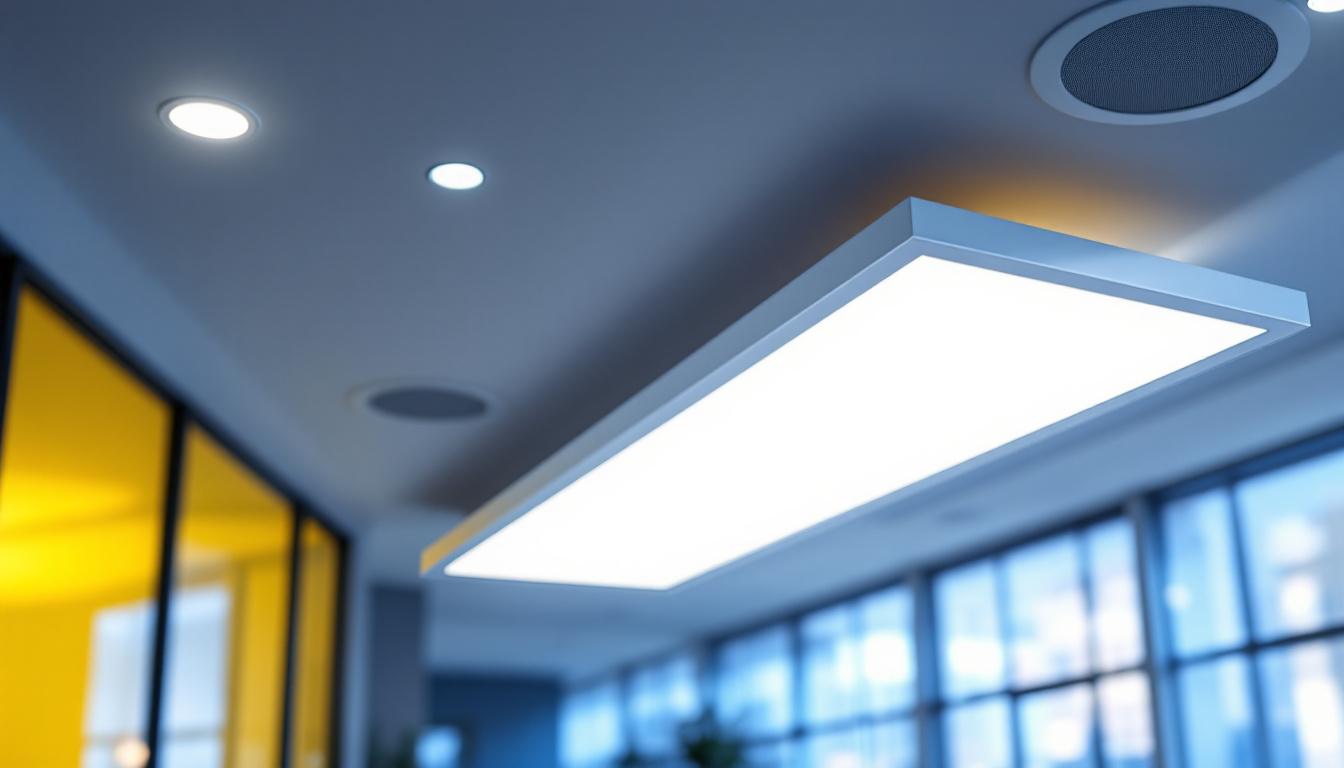
Drop ceiling light panels have become a staple in commercial and office environments. These panels fit seamlessly into suspended ceiling grids, providing a clean, modern look while delivering efficient lighting. For lighting contractors, mastering the nuances of these panels is essential—not just for installation but also for advising clients on the best solutions.
Unlike traditional bulky fixtures, drop ceiling light panels are slim and lightweight. They replace or integrate with ceiling tiles, offering uniform light distribution without obstructing the ceiling’s aesthetic. This design simplicity masks a complex interplay of factors like light quality, energy efficiency, and compatibility with existing infrastructure.
Why Drop Ceiling Light Panels Are Popular
One reason these panels are favored is their versatility. They come in various sizes, typically 2×2 or 2×4 feet, matching standard ceiling tile dimensions. This makes retrofitting or new installations straightforward. Additionally, many panels use LED technology, which drastically reduces energy consumption and maintenance costs compared to fluorescent tubes.
Another advantage is the improved light quality. Modern panels offer high Color Rendering Index (CRI) values, meaning they render colors more naturally and vividly. This is vital in workplaces where accurate color perception matters, such as design studios or healthcare facilities. Furthermore, the ability to dim these panels or adjust their color temperature adds another layer of customization, allowing businesses to create the ideal ambiance for various tasks or times of day.
Moreover, drop ceiling light panels are increasingly designed with smart technology integration in mind. Many models now feature connectivity options that allow for remote control via smartphones or integration with building management systems. This capability not only enhances convenience but also supports energy-saving practices by enabling users to schedule lighting based on occupancy or natural light levels. As sustainability becomes a priority for many businesses, the adoption of such intelligent lighting solutions is likely to rise, making drop ceiling light panels an even more attractive option for modern workspaces.
Key Specifications Lighting Contractors Must Know
When selecting or installing drop ceiling light panels, several technical specifications demand attention. These details influence performance, client satisfaction, and compliance with building codes.
Lumens and Wattage
Lumens measure the amount of light emitted by the panel, while wattage indicates energy consumption. For contractors, balancing these two is crucial. A panel that delivers high lumens at low wattage is ideal, signaling energy efficiency. For example, a 40-watt LED panel producing 4000 lumens is preferable to a fluorescent fixture that consumes more power for the same light output.
Understanding these figures helps contractors recommend solutions that reduce clients’ operational costs without compromising illumination quality. Furthermore, it’s essential to consider the specific needs of the space being illuminated. For instance, a retail environment may require brighter lighting to enhance product visibility and attract customers, while a conference room may benefit from softer lighting to create a more relaxed atmosphere. By tailoring the lumens and wattage to the application, contractors can ensure that their lighting solutions are both functional and aesthetically pleasing.
Color Temperature and CRI
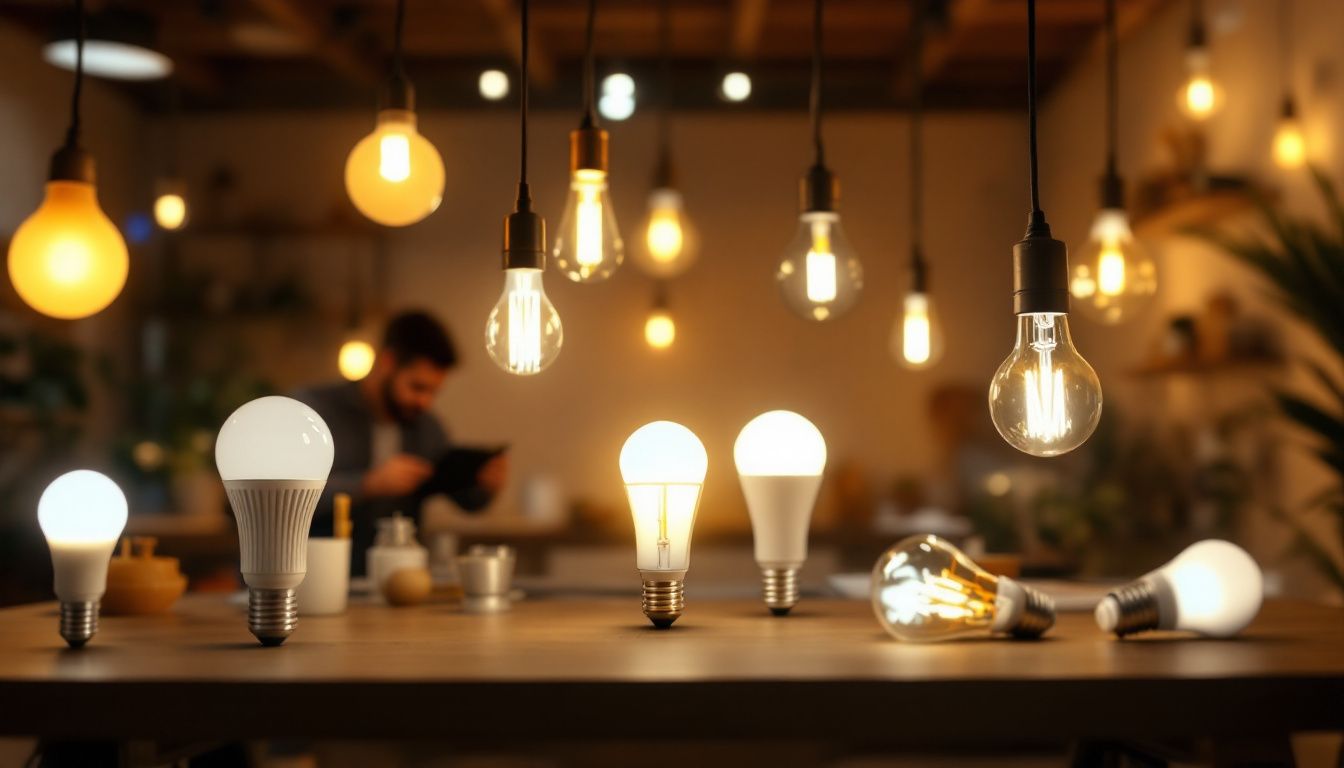
Color temperature, measured in Kelvins (K), affects the ambiance of a space. Lower temperatures (2700K–3000K) produce warm light, while higher temperatures (4000K–5000K) emit cooler, daylight-like light. Offices typically benefit from cooler temperatures that promote alertness, whereas warmer tones suit hospitality settings.
CRI, or Color Rendering Index, rates how accurately a light source reveals colors compared to natural light. A CRI above 80 is generally acceptable, but spaces requiring precise color judgment may need panels with CRI values of 90 or higher. This is particularly important in environments such as art studios, medical facilities, or retail spaces where color accuracy is paramount. By selecting lighting with a high CRI, contractors can help ensure that colors appear true to life, thereby enhancing the overall experience of the space.
Dimensions and Compatibility
Drop ceiling grids come in standard sizes, but variations exist. Contractors must verify the exact dimensions of the ceiling grid before ordering panels. Installing a panel that doesn’t fit properly can lead to poor aesthetics, reduced light efficiency, and even safety hazards.
Additionally, compatibility with existing electrical wiring and controls is vital. Some panels support dimming or smart controls, which can enhance energy savings but require compatible infrastructure. It’s also worth noting that the installation process can vary significantly depending on the type of panel selected. For instance, some panels may require additional mounting hardware or specific installation techniques to ensure optimal performance. By being aware of these requirements, contractors can streamline the installation process and avoid potential issues that could arise from improper setup.
Installation Best Practices
Proper installation ensures optimal performance and longevity of drop ceiling light panels. Lighting contractors should follow best practices to avoid common pitfalls.
Preparing the Site
Before installation, inspect the ceiling grid for damage or misalignment. A sturdy, level grid is essential to support the panels securely. Also, check the electrical wiring for compliance with local codes and compatibility with the lighting fixtures.
Planning the layout in advance helps maintain uniform light distribution and avoids dark spots. Marking the grid and mapping out panel placement can save time during installation. Additionally, consider the overall design of the space; the placement of light panels can significantly influence the ambiance and functionality of the room. For instance, in areas where visual tasks are performed, such as offices or classrooms, ensuring that the light is evenly distributed can enhance productivity and reduce eye strain.
Handling and Mounting Panels
LED panels are sensitive to rough handling. Contractors should wear gloves to prevent fingerprints or damage to the diffuser surface, which affects light quality. When placing panels, ensure they sit flush with the grid to maintain a clean ceiling line.
Some panels come with mounting brackets or clips for additional support. Using these accessories can prevent sagging or shifting over time, especially in high-traffic areas where vibrations may occur. It’s also advisable to familiarize yourself with the specific installation instructions provided by the manufacturer, as different models may have unique requirements. Furthermore, consider the thermal management of the panels; ensuring adequate ventilation can prolong the lifespan of the fixtures and maintain their efficiency.
Electrical Connections and Testing
Connecting the panels to power requires adherence to safety standards. Use appropriate connectors and ensure all wiring is secure and insulated. For panels with dimming or smart features, verify that control systems are properly integrated and tested.
After installation, conduct a thorough lighting test. Check for flickering, uneven brightness, or dead spots. Addressing these issues immediately avoids callbacks and enhances client satisfaction. It’s also beneficial to educate clients on the operation and maintenance of their new lighting system, including how to adjust settings for different activities or moods. Providing a user manual or a quick demonstration can empower clients to make the most of their lighting, ensuring they appreciate the investment made in their space. Additionally, consider scheduling a follow-up visit to assess the performance of the lighting after a few weeks, which can help in identifying any potential adjustments needed for optimal functionality.
Maintenance and Troubleshooting Tips
Drop ceiling light panels generally require minimal maintenance, but contractors should educate clients on best practices to prolong fixture life and maintain light quality.
Cleaning and Care
Dust and dirt can accumulate on the panel surface, diminishing brightness. Regular cleaning with a soft, dry cloth or a mild detergent solution helps maintain optimal light output. Avoid abrasive cleaners or excessive moisture, which can damage the diffuser or electronic components.
Common Issues and Solutions
Flickering lights often indicate loose wiring or incompatible dimmers. Rechecking connections and ensuring the panel matches the control system specifications usually resolves this.
If panels fail prematurely, it may be due to voltage fluctuations or poor ventilation. Installing surge protectors and ensuring adequate airflow in the ceiling cavity can mitigate these problems.
Energy Efficiency and Sustainability Considerations
Energy efficiency is a top priority for many clients. Drop ceiling light panels, especially those using LED technology, offer significant advantages in this area.
Energy Savings
LED panels consume up to 50% less energy than traditional fluorescent fixtures. Over time, this translates into substantial cost savings, particularly in large commercial spaces with extensive lighting needs.
Lighting contractors can highlight these benefits during consultations, helping clients justify the initial investment with long-term operational savings.
Environmental Impact
LED panels contain no mercury and have a longer lifespan, reducing waste and hazardous material disposal. Choosing products with certifications like ENERGY STAR or DLC (DesignLights Consortium) ensures adherence to strict environmental and performance standards.
Incorporating daylight sensors and occupancy controls further enhances sustainability by reducing unnecessary lighting during daylight hours or when spaces are unoccupied.
Trends and Innovations in Drop Ceiling Light Panels
The lighting industry continues to evolve, and drop ceiling light panels are no exception. Staying informed about emerging trends helps contractors offer cutting-edge solutions.
Smart Lighting Integration
Many panels now support integration with building management systems and IoT devices. This allows for remote control, scheduling, and adaptive lighting based on occupancy or daylight levels. Such features improve energy management and user comfort.
Human-Centric Lighting
Adjustable color temperature and intensity are gaining traction. These panels mimic natural light patterns, supporting circadian rhythms and enhancing well-being in workplaces and healthcare settings.
Design and Aesthetic Enhancements
Manufacturers are developing panels with customizable shapes, colors, and diffusers. This enables lighting contractors to meet unique architectural requirements and client preferences, moving beyond the traditional rectangular panel look.
Conclusion: Mastering Drop Ceiling Light Panels
For lighting contractors, expertise in drop ceiling light panels is a valuable asset. Understanding technical specifications, installation nuances, maintenance practices, and emerging trends equips contractors to deliver superior service and solutions.
Clients rely on contractors not just for installation but for guidance on selecting panels that balance performance, efficiency, and aesthetics. With the right knowledge, lighting contractors can enhance project outcomes, reduce energy costs, and contribute to sustainable building practices.
Get Your Premium Drop Ceiling Light Panels at LumenWholesale
Ready to elevate your lighting projects with the best drop ceiling light panels on the market? Look no further than LumenWholesale. We provide lighting contractors with high-quality, specification-grade lighting solutions at unbeatable wholesale prices. Our extensive selection not only meets but exceeds industry standards, ensuring you deliver reliable and high-performance lighting to your clients. With LumenWholesale, bulk buying is a breeze, and with free shipping, you can rest assured that you’re getting premium lighting without any hidden fees or compromises. Enhance your project outcomes and contribute to sustainable building practices with the perfect blend of quality, affordability, and convenience at LumenWholesale – Wholesale Lighting at the Best Value.