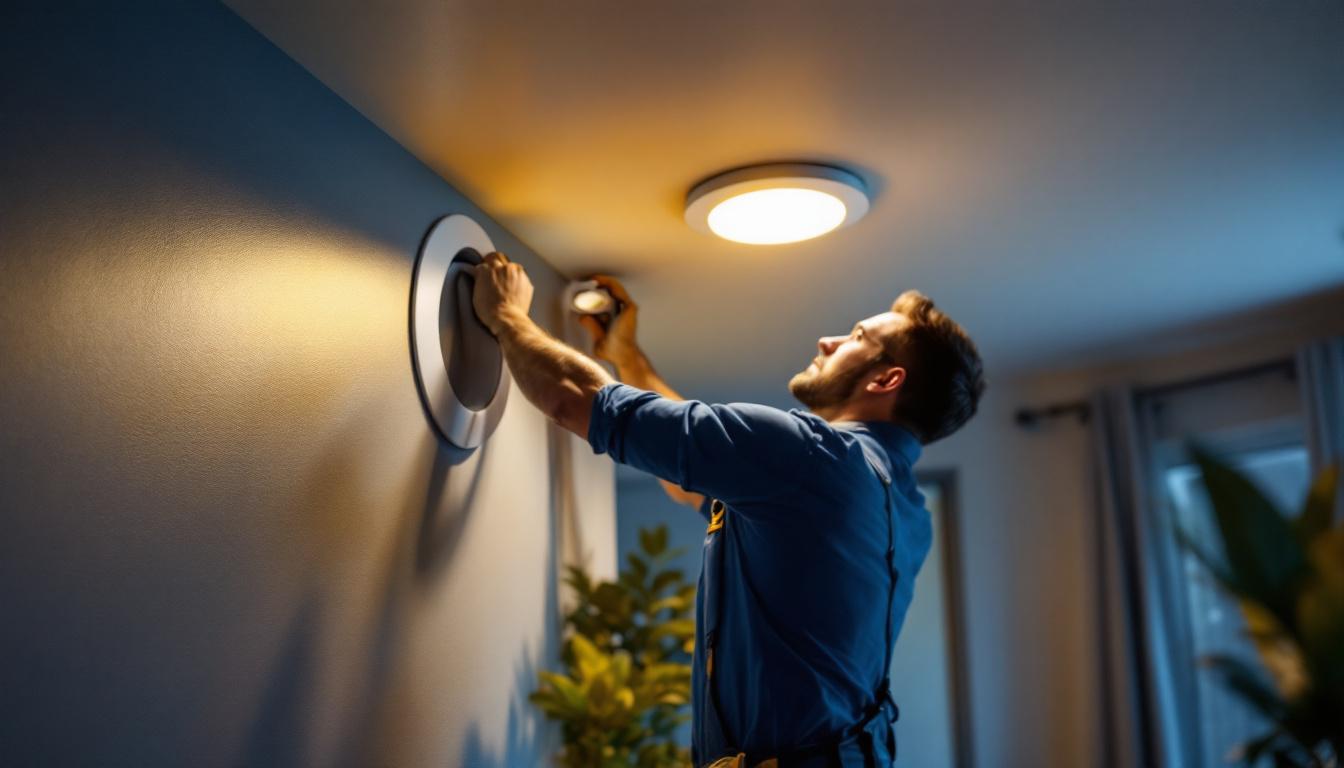
Choosing the Right Floodlight Fixture for Every Job
Picking the right floodlight fixture isn’t just about wattage or lumens. It’s about understanding the environment, the client’s needs, and the long-term performance of the fixture. Lighting contractors know that a floodlight’s effectiveness hinges on more than just brightness—it’s about durability, beam angle, color temperature, and energy efficiency.
For instance, a wide beam angle is ideal for illuminating large outdoor areas like parking lots or sports fields, but a narrower beam might work better for accentuating architectural features or entryways. Contractors often prefer fixtures with adjustable brackets to fine-tune the beam direction after installation, ensuring optimal coverage without glare. This flexibility not only enhances the aesthetic appeal of the space but also improves safety by eliminating dark spots and shadows that could pose hazards.
Material and build quality are critical. Fixtures made from die-cast aluminum with powder-coated finishes resist corrosion and weather damage, which is essential for outdoor installations. In coastal or industrial environments, this resistance can significantly extend the lifespan of the lighting system. Additionally, the choice of lens material can impact performance; polycarbonate lenses, for example, are shatter-resistant and can withstand harsh conditions, making them a popular choice for high-impact areas.
LED vs. Traditional Floodlights
LED floodlights have become the go-to choice for most contractors, and for good reason. They offer superior energy efficiency, longer lifespans, and lower maintenance compared to metal halide or halogen fixtures. LEDs also reach full brightness instantly, which is crucial for security applications. Furthermore, the ability to dim LED fixtures allows for greater control over lighting levels, which can be particularly beneficial in settings where light pollution is a concern, such as near residential areas or natural habitats.
However, it’s important to select LED fixtures with high-quality drivers and thermal management systems. Poor heat dissipation can drastically reduce LED lifespan and performance. Lighting contractors often scrutinize product datasheets and rely on trusted brands that provide warranties and technical support. Additionally, the color rendering index (CRI) of LED floodlights is worth considering, as higher CRI values ensure that colors appear more vibrant and true to life, which is particularly important in retail and hospitality environments where ambiance plays a key role in customer experience.
Installation Techniques That Make a Difference
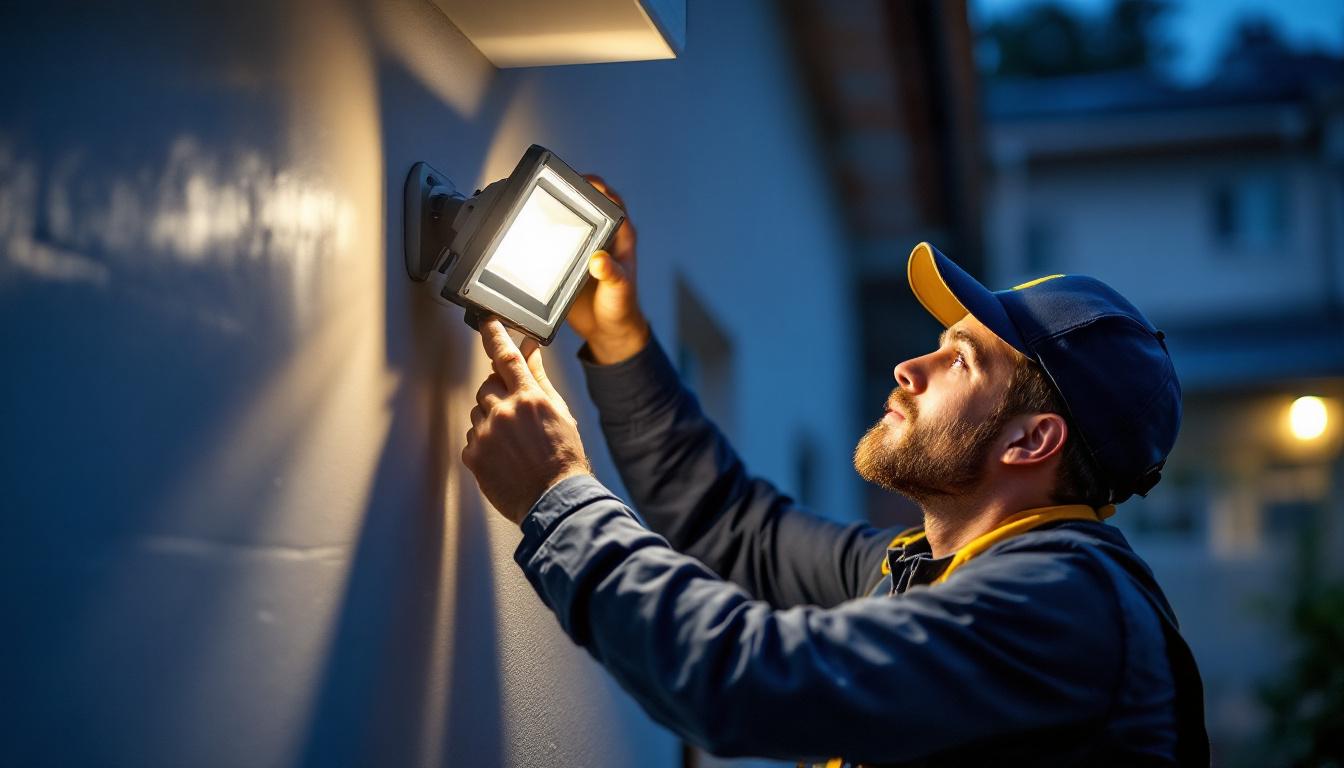
Proper installation can make or break a floodlight’s performance. Lighting contractors emphasize the importance of site assessment before drilling any holes or mounting fixtures. This includes checking for obstructions, evaluating mounting surfaces, and considering the fixture’s weight and size. A thorough site assessment can also help identify potential issues such as nearby trees or buildings that could obstruct the light’s path, ultimately affecting visibility and safety in the area. Additionally, understanding the specific needs of the space—whether it’s for security, aesthetics, or functionality—can guide the selection of the right type of floodlight and its placement.
One common mistake is mounting floodlights too high or too low. Too high, and the light spreads too thin, losing intensity; too low, and it creates harsh shadows or glare. Contractors often use laser levels and photometric tools to determine the ideal mounting height and angle. Furthermore, they may conduct trial runs with temporary fixtures to observe how the light interacts with the environment before finalizing the installation. This hands-on approach ensures that the floodlights not only illuminate the intended area effectively but also enhance the overall ambiance of the space.
Wiring and Electrical Considerations
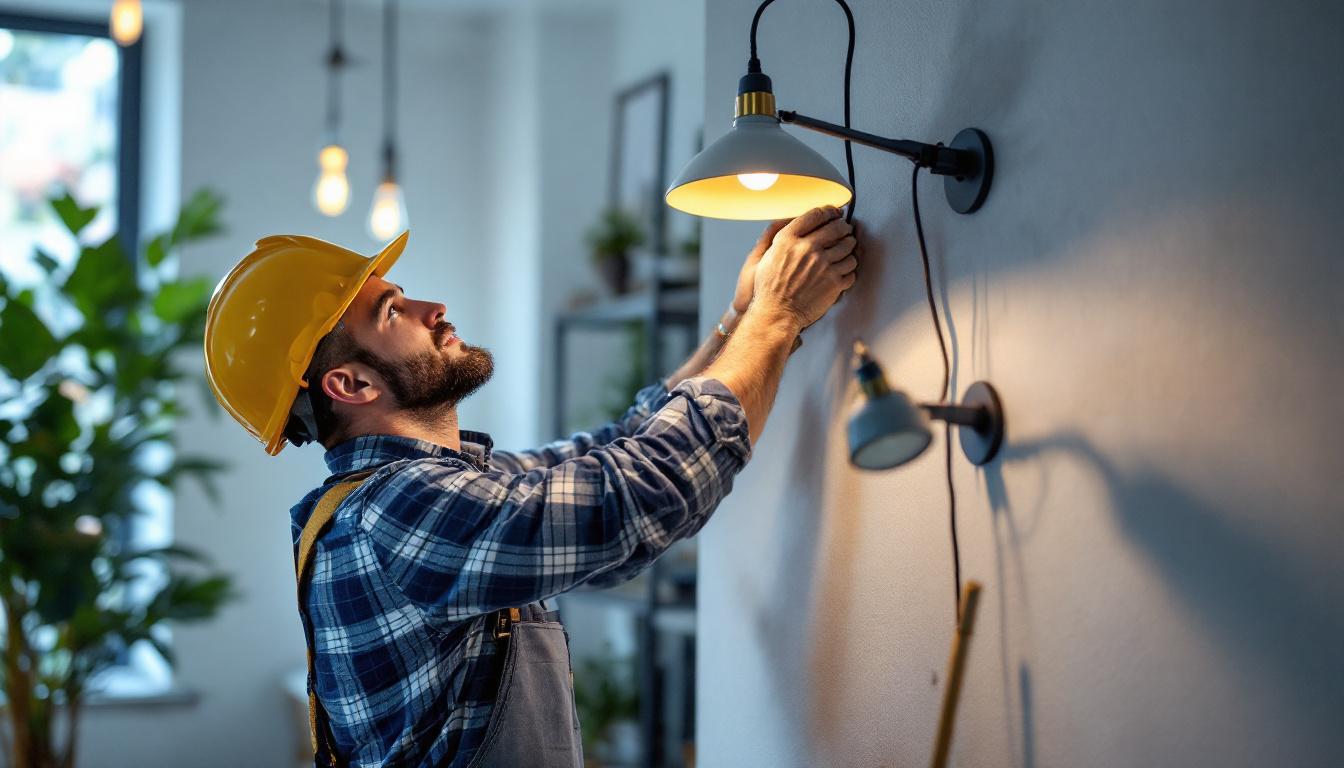
Floodlights typically require outdoor-rated wiring and weatherproof junction boxes. Contractors always ensure compliance with local electrical codes and use GFCI-protected circuits when necessary. This not only safeguards the installation but also protects users from electrical hazards. Additionally, they often recommend using LED floodlights due to their energy efficiency and longevity, which can significantly reduce maintenance costs over time. Properly selecting and installing the right fixtures can lead to substantial energy savings, making it a wise investment for both residential and commercial properties.
Using conduit for wiring is another best practice. It protects cables from physical damage and environmental exposure. In some cases, contractors install floodlights on separate circuits to allow independent control and reduce the risk of overloading. This setup can also facilitate the integration of smart lighting systems, allowing users to control their floodlights remotely or set them on timers for added convenience. Moreover, the use of motion sensors can enhance security by ensuring that lights only activate when needed, further optimizing energy consumption while providing peace of mind to property owners.
Maximizing Efficiency and Longevity
Energy efficiency isn’t just about choosing LEDs. Lighting contractors know that proper control systems can drastically reduce energy consumption and extend fixture life. Motion sensors, photocells, and timers are common tools to ensure floodlights operate only when needed. By integrating these technologies, property owners can not only save on energy costs but also contribute to a more sustainable environment. The adoption of smart lighting solutions is becoming increasingly popular, allowing users to control their lighting systems remotely via smartphones or smart home devices, further enhancing convenience and efficiency.
For example, a floodlight with a built-in photocell will automatically turn on at dusk and off at dawn, eliminating unnecessary operation during daylight hours. Motion sensors add an extra layer of security and energy savings by activating lights only when movement is detected. This feature is particularly beneficial for outdoor areas that may be prone to trespassing or vandalism, as it ensures that lights are only illuminated when someone is present, thereby deterring unwanted activity while conserving energy.
Maintenance Tips for Floodlight Fixtures
Regular maintenance keeps floodlights functioning at their best. Contractors recommend cleaning lenses and fixtures periodically to remove dirt, dust, and insect debris that can reduce light output. Checking for corrosion or loose connections during routine inspections helps prevent failures. Additionally, ensuring that the surrounding landscape is well-maintained can prevent overgrowth from obstructing light paths, which can diminish the effectiveness of the floodlights. Keeping an eye on the surrounding environment allows for timely adjustments and enhancements to lighting layouts as needed.
Replacing damaged seals and gaskets is also critical to maintain the fixture’s weatherproof rating. Moisture ingress can cause electrical shorts or corrosion, leading to premature fixture failure. Contractors often advise clients to schedule maintenance at least twice a year, especially in harsh climates. Furthermore, it is beneficial to keep a log of maintenance activities and any issues encountered, as this can help identify patterns over time and inform future maintenance strategies. By being proactive rather than reactive, property owners can ensure their floodlights remain reliable and effective for years to come, providing safety and illumination when it is needed most.
Advanced Features Lighting Contractors Look For
Modern floodlight fixtures come with a variety of advanced features that can simplify installation and improve performance. Dimmable LEDs, smart controls, and integrated sensors are becoming standard in many commercial and residential projects. These innovations not only enhance the functionality of lighting systems but also contribute to energy efficiency, reducing operational costs over time. As technology continues to evolve, lighting contractors are increasingly prioritizing these features to meet the demands of their clients.
Smart floodlights can be integrated into building automation systems, allowing remote control and scheduling through apps or centralized control panels. This level of control not only enhances convenience but also helps optimize energy usage based on occupancy patterns. For instance, some systems can adjust brightness levels automatically based on the time of day or the presence of individuals, ensuring that lights are only on when needed. This adaptability not only saves energy but also extends the lifespan of the fixtures, making them a smart investment for any project.
Color Temperature and CRI
Color temperature plays a significant role in the ambiance and functionality of floodlighting. Contractors often select cooler temperatures (4000K to 5000K) for security lighting because they mimic daylight and improve visibility. Warmer temperatures (2700K to 3000K) are preferred for decorative or residential lighting to create a welcoming atmosphere. The choice of color temperature can dramatically influence how spaces are perceived, affecting everything from safety to mood. For example, cooler lights can make outdoor areas feel more secure and alert, while warmer lights can create a cozy, inviting environment for gatherings.
Color Rendering Index (CRI) is another factor. High CRI floodlights reveal colors more accurately, which can be important for retail or outdoor event lighting. While many LED floodlights offer CRIs above 80, some specialty fixtures provide CRIs of 90 or higher for enhanced color fidelity. This is particularly beneficial in settings where accurate color representation is crucial, such as art galleries or fashion shows. In these scenarios, lighting not only illuminates but also enhances the overall experience, allowing colors to pop and details to stand out. As such, contractors are increasingly seeking out floodlights that offer both high CRI and adjustable color temperatures to cater to a wide range of applications and client needs.
Common Challenges and How to Overcome Them
Floodlight installations come with challenges that contractors must anticipate. Glare complaints from neighbors, light pollution, and uneven illumination are frequent issues. Addressing these requires a combination of proper fixture selection, aiming, and sometimes shielding.
Glare can be minimized by using fixtures with cutoff shields or by adjusting the beam angle to avoid shining directly into windows or streets. Contractors often perform nighttime walkthroughs post-installation to identify and correct any lighting nuisances.
Dealing with Harsh Environments
Outdoor floodlights endure rain, wind, dust, and temperature extremes. In industrial or coastal settings, exposure to chemicals or salt spray can accelerate wear. Lighting contractors specify fixtures with appropriate IP ratings-IP65 or higher is common for floodlights-to ensure protection against dust and water.
For installations in areas prone to vandalism or impact, contractors might choose fixtures with tempered glass lenses and robust housings. Some projects even require tamper-proof fasteners and secure mounting to deter theft or damage.
Final Thoughts: Mastering Floodlight Fixtures
Mastering floodlight fixtures is about combining technical knowledge with practical experience. Lighting contractors who understand the nuances of fixture selection, installation, and maintenance deliver superior results that satisfy clients and stand the test of time.
Every project is unique. The best contractors tailor their approach based on site conditions, client expectations, and the latest lighting technologies. Staying updated on industry trends and product innovations ensures that floodlight installations remain efficient, effective, and reliable.
Illuminate Your Projects with LumenWholesale
Ready to elevate your lighting game and impress your clients with top-tier floodlight fixtures? Look no further than LumenWholesale, where we provide contractors with the finest spec-grade lighting products at unbeatable wholesale prices. With our direct-to-consumer approach, you can say goodbye to inflated markups and hello to superior lighting that meets the highest industry standards. Plus, with free shipping on bulk orders, you can stock up on premium lighting solutions without any hidden fees. Don’t compromise on quality or value—choose LumenWholesale for the perfect blend of affordability and convenience. Wholesale Lighting at the Best Value is just a click away.