Why Wire Pulling Tools Are Essential for Lighting Contractors
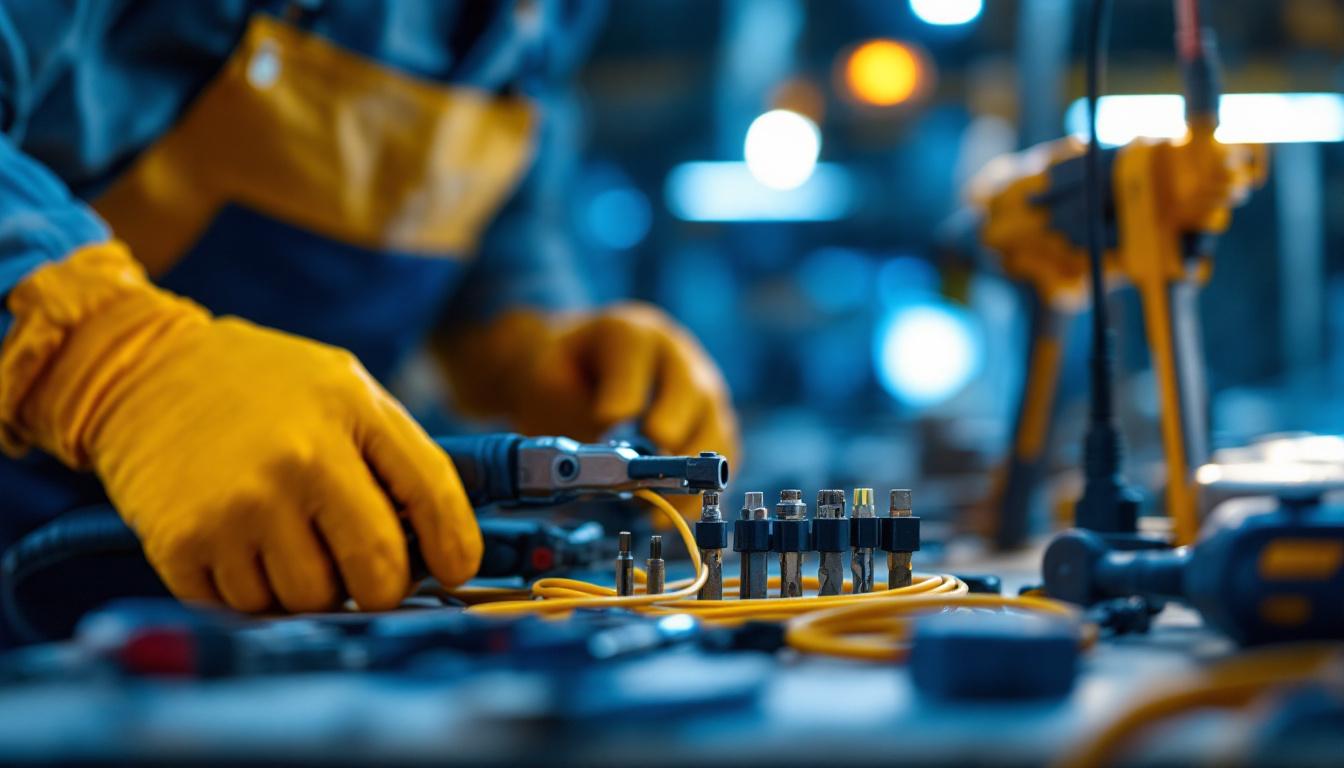
When tackling lighting installations, the quality and efficiency of your work often hinge on the tools you bring to the job. Electrical wire pulling tools aren’t just convenient accessories—they’re vital for ensuring that wiring is installed safely, neatly, and within code requirements. Without the right equipment, even the most straightforward lighting project can become a frustrating and time-consuming ordeal.
Lighting contractors frequently face challenges such as navigating wires through tight conduits, avoiding damage to delicate cables, and maintaining consistent tension to prevent wire kinks or breaks. Wire pulling tools address these issues head-on, offering specialized solutions that streamline the process and reduce the risk of costly mistakes.
One of the standout features of modern wire pulling tools is their ergonomic design, which significantly reduces the physical strain on contractors during installations. Many tools are equipped with padded grips and adjustable handles, allowing for better leverage and control when pulling wires through long runs. This ergonomic focus not only enhances comfort but also improves productivity, as contractors can work longer without fatigue. Additionally, some tools come with built-in tension indicators, providing real-time feedback on the amount of force being applied, which is crucial for preventing damage to sensitive wiring.
Moreover, the variety of wire pulling tools available today caters to a wide range of applications, from simple residential projects to complex commercial installations. For instance, specialized cable pullers and fish tapes can make it easier to navigate around bends and corners in conduits, while lubricant solutions can be used in conjunction with these tools to facilitate smoother wire movement. Understanding the specific needs of each project and selecting the appropriate tools can drastically improve the efficiency of the installation process, ensuring that lighting systems are not only functional but also aesthetically pleasing and compliant with safety standards.
Types of Wire Pulling Tools and Their Applications
Fish Tapes: The Classic Choice
Fish tapes remain one of the most commonly used tools for pulling wire through conduits. Their slender, flexible steel or fiberglass design allows them to snake through long runs of conduit with relative ease. For lighting contractors, fish tapes are indispensable when working in existing structures where access points are limited.
Fiberglass fish tapes are particularly popular because they are non-conductive, reducing the risk of electrical shock when pulling wires near energized circuits. Steel fish tapes, while more rigid and durable, require extra caution to avoid contact with live wires. Additionally, some fish tapes come equipped with a built-in LED light, which can be a game-changer in dimly lit spaces, allowing contractors to see exactly where the tape is going and ensuring a smoother installation process.
Wire Pulling Grips: Secure and Efficient
Wire pulling grips, also known as cable socks or mesh grips, are designed to securely hold the wire bundle during pulling. They distribute the pulling force evenly across the cable, preventing damage and slippage. These grips are especially useful when dealing with larger gauge wires or multiple conductors bundled together.
For lighting projects involving heavy-duty cables or long conduit runs, wire pulling grips paired with a pulling rope or winch can make a significant difference in ease and safety. Some advanced grips even feature a tapered design, which allows for smoother entry into conduits, minimizing the risk of snagging on sharp edges or bends. This added feature can save valuable time and reduce frustration on the job site.
Conduit Rods and Fish Sticks: Navigating Tight Spaces
Conduit rods, often called fish sticks, are rigid, segmented rods that can be connected to extend their length. They are ideal for pushing through short conduit runs or navigating bends where flexibility isn’t enough. Lighting contractors find these tools helpful in retrofit projects where conduit pathways are complex or partially obstructed. The ability to customize the length of the rods makes them versatile for various job requirements.
Moreover, some conduit rods come with a glow-in-the-dark feature, which can be particularly beneficial in dark environments, allowing contractors to easily track their progress without needing additional lighting. This can enhance efficiency, especially in large commercial buildings where multiple conduits may be running parallel to one another.
Wire Lubricants: Reducing Friction and Effort
Wire pulling lubricants might not be a tool in the traditional sense, but their role is critical. These specialized gels reduce friction between the wire and the conduit walls, making it easier to pull cables without damage. Lubricants are particularly important when pulling long lengths of wire or working with tight bends. The right lubricant can significantly decrease the effort required, allowing for a smoother and faster installation process.
Additionally, there are various types of wire pulling lubricants available, including water-based and silicone-based options. Water-based lubricants are easy to clean up and less messy, while silicone-based lubricants provide a longer-lasting effect and are ideal for high-temperature environments. Understanding the specific needs of a project can help contractors select the most effective lubricant, ensuring both efficiency and safety during the wire pulling process.
How Wire Pulling Tools Improve Project Outcomes
Speeding Up Installation
Time is money in the lighting business. Wire pulling tools dramatically reduce the time it takes to route cables through conduits. For example, using a fish tape or conduit rods can cut down the trial-and-error process of threading wires, while wire pulling grips ensure a firm hold that prevents repeated attempts due to slippage.
Faster installations mean contractors can take on more projects or allocate more time to other critical tasks, increasing overall productivity. Moreover, the efficiency gained through these tools can lead to improved cash flow for businesses, as quicker project turnarounds allow for faster invoicing and payment collection. This efficiency can also enhance customer satisfaction, as clients appreciate timely completion and professionalism, leading to potential referrals and repeat business.
Enhancing Safety and Reducing Damage
Damaged wiring can lead to costly repairs, project delays, or worse-safety hazards that put both workers and end-users at risk. Wire pulling tools minimize the risk of nicking, crushing, or overstressing cables during installation. Non-conductive fish tapes reduce the chance of electrical shocks, and lubricants prevent excessive pulling force that might damage insulation.
By investing in the right tools, lighting contractors protect their reputation and ensure compliance with electrical codes and standards. Additionally, a focus on safety not only safeguards workers but also fosters a culture of responsibility and diligence on job sites. When teams prioritize safety, they are likely to experience fewer accidents and incidents, which can lead to lower insurance premiums and a more positive workplace environment.
Ensuring Code Compliance and Quality Workmanship
Electrical codes often specify minimum requirements for wire installation, including how cables must be supported and protected within conduits. Proper use of wire pulling tools helps maintain the integrity of cables, ensuring that insulation remains intact and that wires are not subjected to undue stress.
Quality workmanship not only satisfies inspectors but also results in lighting systems that perform reliably for years, reducing callbacks and warranty claims. Furthermore, adhering to code compliance through the use of appropriate tools can enhance a contractor’s credibility in the industry. Clients are more likely to trust professionals who demonstrate a commitment to quality and safety, which can lead to long-term partnerships and a solid reputation in the competitive lighting market.
Choosing the Right Wire Pulling Tools for Your Lighting Projects
Assessing Project Scope and Environment
Not all lighting projects are the same. Residential jobs might require smaller, more flexible tools, while commercial or industrial projects often demand heavy-duty equipment capable of handling larger wire bundles and longer conduit runs. Consider the conduit size, length, and complexity when selecting your tools.
For example, a retrofit in a commercial building with numerous bends and limited access points calls for a combination of fish tapes, conduit rods, and wire pulling grips. Conversely, a simple new construction lighting job might only need basic fish tapes and lubricants.
Investing in Quality and Durability
Wire pulling tools endure significant wear and tear. Investing in high-quality, durable tools saves money in the long run by reducing replacements and downtime. Look for tools made from corrosion-resistant materials and those designed with ergonomic handles to reduce operator fatigue.
Reliable brands often offer warranties and customer support, which can be invaluable when tools fail unexpectedly on the job.
Training and Proper Use
Even the best tools can’t deliver results if used improperly. Lighting contractors and their teams should be trained on how to select, use, and maintain wire pulling tools. Proper technique reduces the risk of injury and ensures that cables are installed without damage.
Regular maintenance, such as cleaning fish tapes and checking grips for wear, extends tool life and maintains performance.
Additional Tips for Successful Wire Pulling in Lighting Installations
Planning the Pull
Before starting, carefully plan the wire pull. Identify all access points, measure conduit lengths, and note any bends or obstacles. This preparation helps determine the best tools and methods to use.
Communicating with other trades on-site can prevent conflicts and ensure the conduit path is clear.
Using Pulling Tension Monitors
For larger projects, tension monitors can be attached to pulling grips to measure the force applied during the pull. This prevents over-tensioning, which can damage wires. Monitoring tension is a best practice that enhances safety and quality.
Maintaining a Clean Work Environment
Debris inside conduits can snag wires and complicate pulling. Before starting, ensure conduits are clean and free of obstructions. Regular inspections during the pull help catch issues early.
Conclusion: Elevate Your Lighting Projects with the Right Wire Pulling Tools
Electrical wire pulling tools are more than just helpful gadgets-they are fundamental to the success of lighting installations. They save time, protect cables, enhance safety, and ensure that projects meet the highest standards of quality and compliance.
For lighting contractors, investing in the right tools and training is a smart business decision. It leads to smoother installations, fewer headaches, and satisfied clients who appreciate the professionalism and reliability of your work.
Incorporate these essential tools into your toolkit and watch your lighting projects shine brighter from start to finish.
Get the Best Value on Lighting Supplies with LumenWholesale
Ready to elevate your lighting projects to the next level? LumenWholesale is here to support you every step of the way. With our extensive selection of top-quality, spec-grade lighting products at unbeatable wholesale prices, you can confidently tackle any installation. Say goodbye to inflated markups and hello to premium lighting without the premium price tag. Plus, with free shipping on bulk orders, you can stock up on all the wire pulling tools and lighting essentials you need without any hidden fees. Don’t compromise on quality or value—visit LumenWholesale today and experience the ultimate in affordability and convenience for your lighting projects.