Choosing the Right In Ceiling Light Fixtures
Selecting the appropriate in ceiling light fixture is a critical decision that impacts both the functionality and aesthetics of a space. Lighting contractors must balance client preferences with technical requirements, ensuring optimal illumination while maintaining energy efficiency and compliance with building codes.
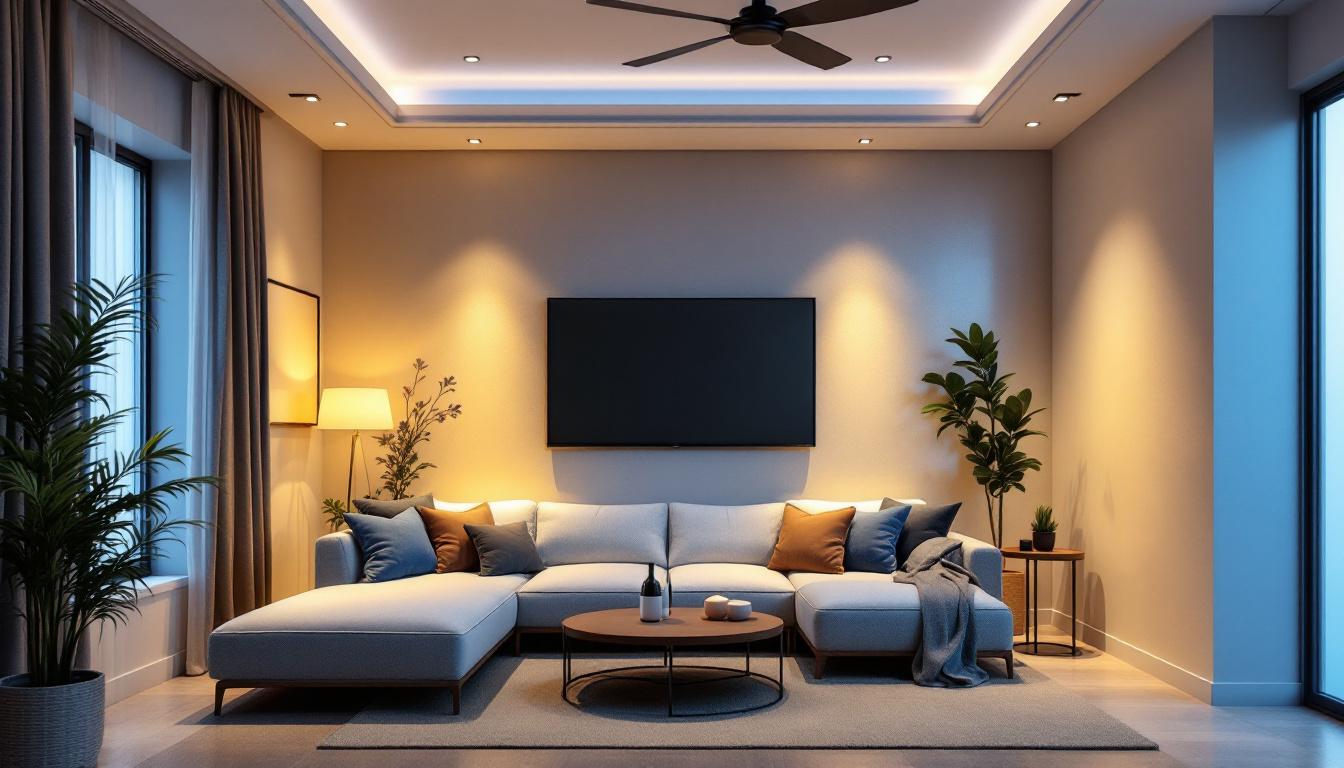
When evaluating fixtures, consider the room’s purpose. For example, kitchens and workspaces demand brighter, task-oriented lighting, whereas living rooms benefit from softer, ambient light. LED recessed lights have become a popular choice due to their longevity and low heat output, but not all LEDs are created equal. Look for fixtures with high Color Rendering Index (CRI) ratings—above 80 is ideal—to ensure colors appear natural under the light.
Another factor is the fixture’s trim and housing. Trims come in various styles—baffle, reflector, or eyeball—that influence light distribution and glare control. Housing types vary depending on whether the fixture is IC-rated (insulated ceiling) or non-IC, which affects where and how the fixture can be installed safely. Additionally, the choice of trim can significantly affect the overall design aesthetic, allowing for customization that aligns with the interior décor. For instance, a sleek, minimalist trim can enhance a modern space, while a more ornate trim may complement traditional interiors.
Energy Efficiency and Compliance
Energy codes are tightening, and many jurisdictions require lighting installations to meet specific efficiency standards. Lighting contractors should be familiar with local regulations such as Title 24 in California or ASHRAE standards elsewhere. These often mandate the use of ENERGY STAR certified fixtures or require dimming capabilities to reduce energy consumption.
Integrating dimmable LED drivers and compatible controls can enhance energy savings and provide clients with flexible lighting options. Additionally, smart lighting systems that allow remote control and automation are increasingly in demand. Contractors should ensure compatibility between fixtures, drivers, and control systems to avoid costly retrofits or performance issues. Furthermore, the integration of smart technology can offer features like scheduling and scene setting, enabling users to create the perfect ambiance for any occasion. This level of customization not only enhances user experience but can also lead to significant energy savings over time, as lights can be programmed to turn off when not needed or adjust based on the time of day.
Moreover, the trend towards sustainable living has led to a growing interest in fixtures that utilize renewable energy sources. Solar-powered ceiling lights, for example, are becoming more prevalent, particularly in areas with ample sunlight. These fixtures can significantly reduce electricity costs and carbon footprints, aligning with the values of environmentally conscious clients. As the market evolves, lighting contractors should stay informed about innovative products and technologies that not only meet regulatory standards but also resonate with the sustainability goals of their clients.
Installation Best Practices for In Ceiling Lighting
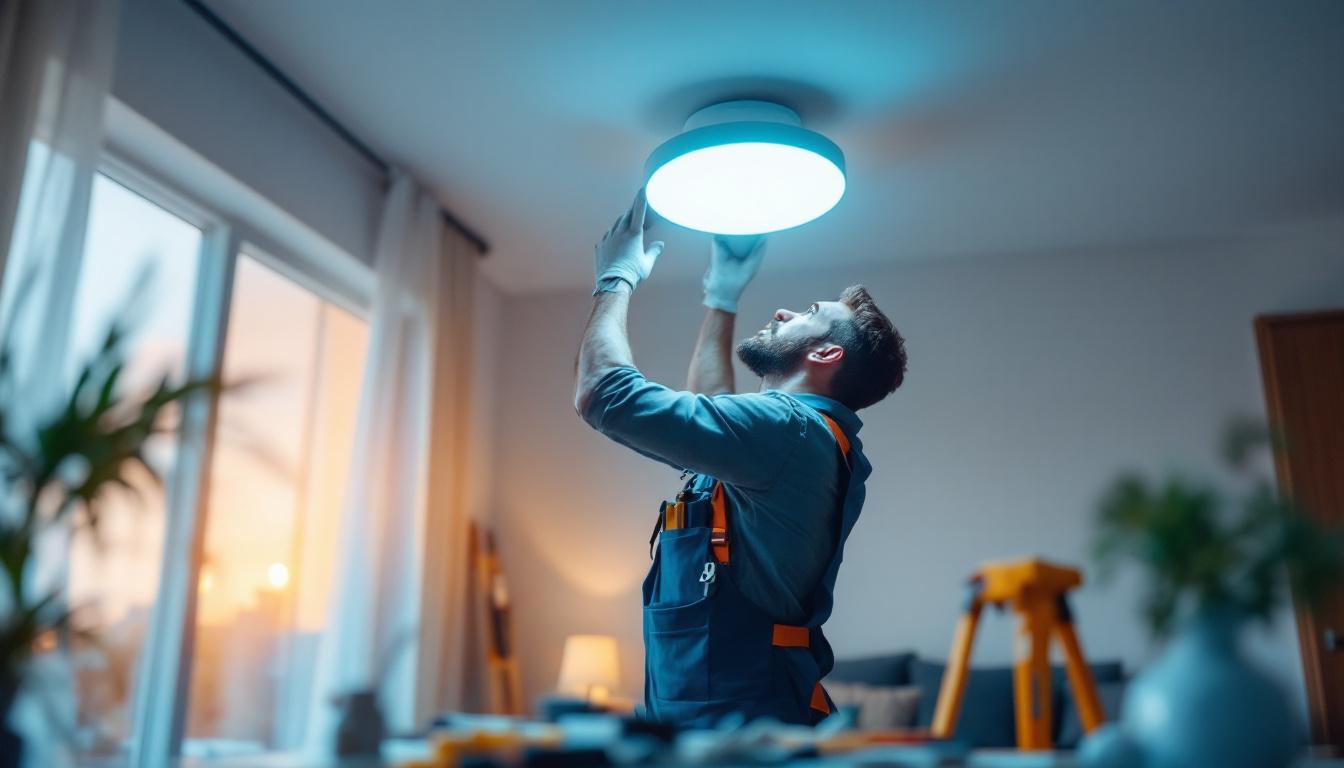
Proper installation is key to achieving both safety and performance goals. Lighting contractors must be meticulous in planning fixture placement, wiring, and mounting to avoid common pitfalls such as uneven lighting, flickering, or overheating.
Begin with a thorough assessment of the ceiling structure. Confirm that the chosen fixture housing fits within the available space and that the ceiling can support the weight. For IC-rated fixtures, ensure insulation does not come into direct contact with the housing to prevent fire hazards.
Wiring should comply with the National Electrical Code (NEC) or relevant local standards. Use appropriately rated cables and connectors, and always verify circuit load capacities before installation. Labeling circuits clearly can save time during future maintenance or troubleshooting.
Positioning and Spacing
Uniform light distribution depends heavily on fixture spacing and placement. A common rule of thumb is to space recessed lights at roughly half the ceiling height apart. For example, in an 8-foot ceiling, fixtures should be about 4 feet apart. However, this varies based on fixture beam angles and desired lighting effects.
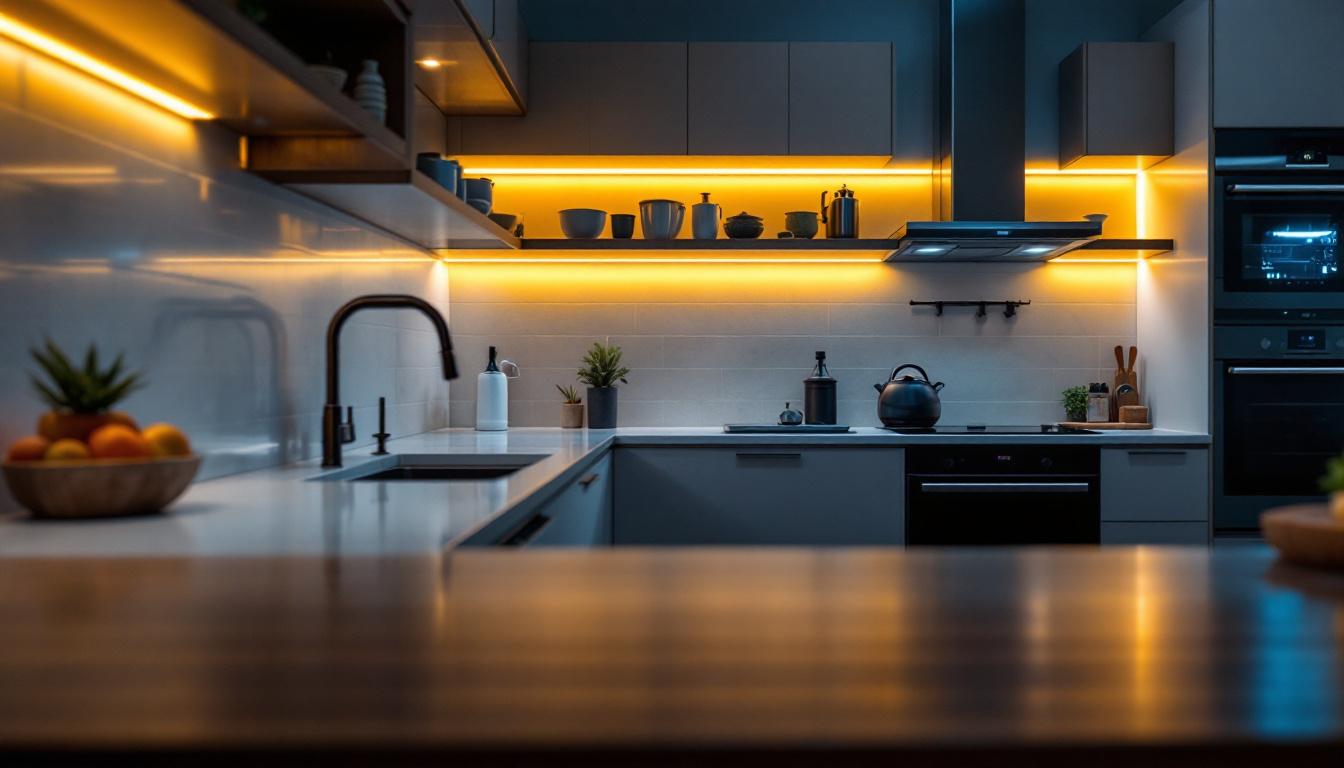
Consider the location of furniture and architectural features to avoid shadows or glare. In kitchens, place fixtures over countertops and islands to maximize task lighting. In hallways or corridors, staggered placement can prevent dark spots and create a visually appealing rhythm.
Additionally, the choice of bulb type can significantly influence the overall ambiance of the space. LED bulbs are increasingly popular due to their energy efficiency and longevity, but they also come in various color temperatures that can affect how a room feels. Warmer tones can create a cozy atmosphere, while cooler tones may enhance focus and clarity, making them ideal for workspaces. It’s essential to select bulbs that complement the intended use of each area, ensuring that the lighting not only serves a functional purpose but also enhances the aesthetic appeal of the environment.
Moreover, dimmer switches can be a valuable addition to in-ceiling lighting systems. They allow for adjustable brightness levels, enabling users to customize the lighting according to different activities or times of day. For instance, a bright setting may be suitable for cooking or reading, while a softer glow can create a relaxed atmosphere for entertaining guests. When planning the installation, consider integrating smart home technology that allows for remote control and automation of lighting, further enhancing convenience and energy efficiency.
Maintenance and Troubleshooting Tips
Lighting contractors often receive calls for issues such as flickering lights, dimmers not working correctly, or fixtures overheating. Understanding common causes and solutions can improve customer satisfaction and reduce callbacks. Additionally, being proactive in addressing potential issues can save time and resources, making it essential for contractors to stay informed about the latest advancements in lighting technology and installation best practices.
Flickering is frequently caused by incompatible dimmer switches or loose wiring connections. When installing dimmable LEDs, always use dimmers designed for LED loads. If flickering occurs, test the fixture with a different dimmer or bypass the dimmer entirely to isolate the problem. It’s also worth noting that voltage fluctuations in the electrical supply can contribute to flickering, particularly in older homes. Encourage clients to consider a whole-house surge protector to stabilize voltage levels and protect their lighting investments.
Overheating can result from improper fixture housing selection or inadequate ventilation. IC-rated housings are designed to handle insulation contact and dissipate heat safely. Non-IC housings require clearance from insulation and other materials. Always verify that the fixture is installed according to manufacturer guidelines. Furthermore, educating clients about the importance of using the correct wattage bulbs can prevent overheating issues. Using bulbs that exceed the recommended wattage can lead to fixture failure and safety hazards.
Routine Inspection and Cleaning
Regular maintenance extends the life of in-ceiling lighting. Dust and debris can accumulate on trims and lenses, reducing light output and causing uneven illumination. Advise clients to clean fixtures periodically with a soft cloth and mild detergent, avoiding abrasive materials that can damage finishes. In addition to cleaning, suggest that clients consider the placement of their fixtures; ensuring they are not obstructed by furniture or other objects can help maintain optimal light distribution throughout the space.
Inspect wiring and connections during routine service calls to catch early signs of wear or damage. Loose connections not only cause flickering but can pose fire risks. Re-tighten or replace components as necessary to maintain safe operation. It’s also beneficial to check for any signs of corrosion, particularly in areas with high humidity. Corroded connections can lead to poor conductivity and increased heat generation, further compromising the safety and efficiency of the lighting system. Encourage clients to keep an eye on their lighting systems and report any unusual behavior promptly, as early detection can prevent more significant issues down the line.
Emerging Trends and Technologies in In Ceiling Lighting
Staying current with technological advancements allows lighting contractors to offer cutting-edge solutions that meet client demands for efficiency, aesthetics, and convenience. The rapid evolution of lighting technology has not only transformed how we illuminate spaces but has also redefined our understanding of the role lighting plays in our daily lives. As consumers become more aware of the environmental impact of their choices, the demand for sustainable lighting solutions has surged, prompting manufacturers to innovate in ways that prioritize both performance and eco-friendliness.
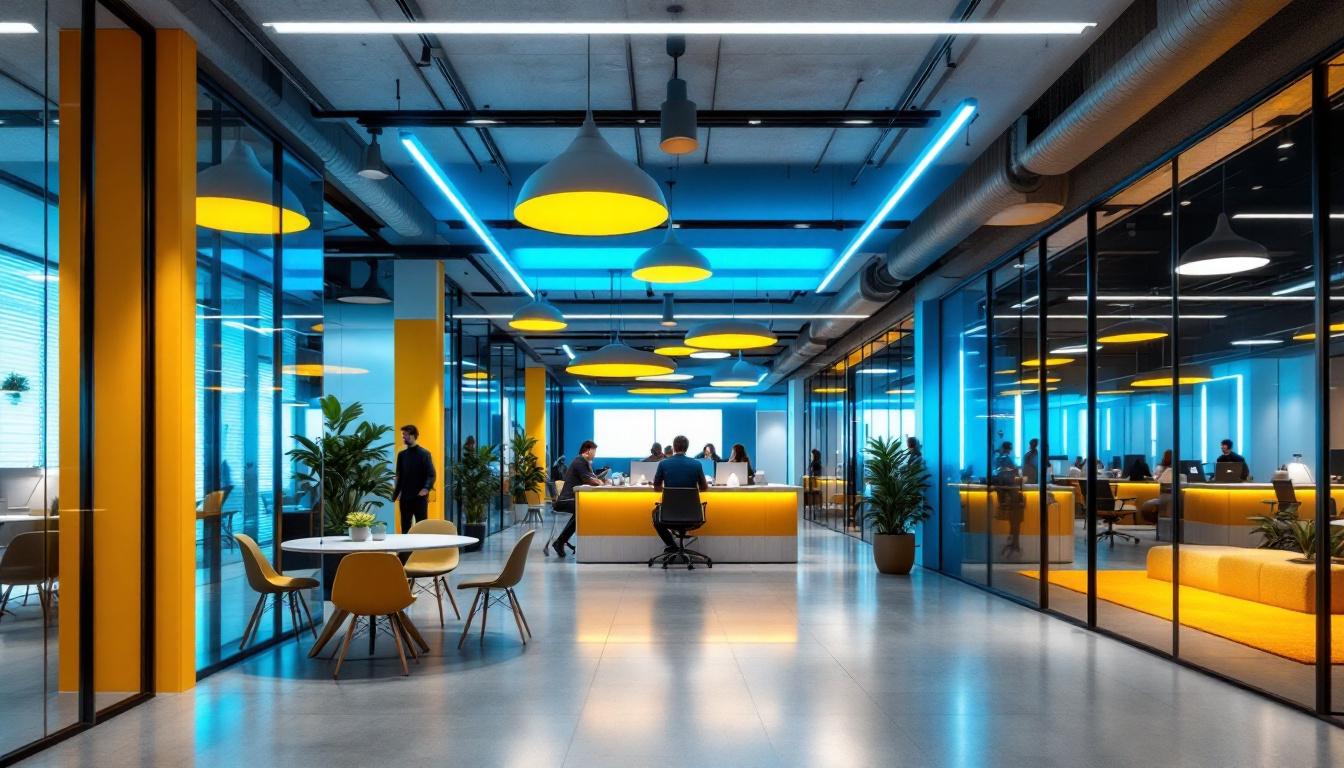
Human-centric lighting, which adjusts color temperature and intensity to mimic natural daylight cycles, is gaining traction. This approach supports circadian rhythms and enhances occupant well-being. Fixtures with tunable white LEDs enable dynamic lighting scenes tailored to different times of day or activities. For instance, warmer tones can be utilized in the evening to promote relaxation, while cooler tones can invigorate and enhance focus during the day. This adaptability not only improves comfort but also boosts productivity in workspaces, making it a valuable consideration for contractors aiming to meet the diverse needs of their clients.
Integration with smart home systems is another trend. Voice control, occupancy sensors, and automated schedules improve energy management and user experience. Contractors should familiarize themselves with popular platforms like Zigbee, Z-Wave, and Wi-Fi-based controls to provide seamless integration. The rise of mobile applications that allow users to control their lighting remotely has further enhanced this trend, enabling homeowners to adjust their lighting settings from anywhere. This level of control not only adds convenience but also contributes to energy savings by allowing users to turn off lights in unoccupied rooms or set schedules that align with their daily routines.
Advances in Fixture Design
Minimalist and ultra-thin fixture designs are becoming popular, especially in modern residential and commercial interiors. These fixtures blend seamlessly into the ceiling, creating a clean, uncluttered look. Some models incorporate adjustable optics, allowing users to direct light precisely where needed without changing the fixture’s position. This flexibility is particularly beneficial in spaces with varying lighting needs, such as galleries or retail environments, where the ability to highlight specific areas can enhance the overall aesthetic and functionality.
Additionally, advancements in LED chip technology continue to improve lumen output and color quality while reducing power consumption. Lighting contractors can leverage these improvements to deliver brighter, more efficient installations without increasing energy costs. The introduction of smart LEDs that can change color and intensity on demand adds another layer of sophistication to fixture design, allowing for a customizable lighting experience. Moreover, the trend toward sustainable materials in fixture construction, such as recycled metals and eco-friendly plastics, reflects a growing commitment to environmental responsibility in the lighting industry. This not only appeals to eco-conscious consumers but also positions contractors as leaders in sustainable design practices.
Conclusion: Delivering Quality In Ceiling Lighting Solutions
For lighting contractors, mastering the nuances of in ceiling lighting is essential to delivering installations that satisfy both functional and aesthetic requirements. Careful fixture selection, adherence to installation best practices, proactive maintenance, and awareness of emerging trends all contribute to successful projects.
By combining technical expertise with an understanding of client needs, contractors can position themselves as trusted advisors in the lighting industry. This approach not only enhances reputation but also drives repeat business and referrals in a competitive market.
Illuminate Your Projects with LumenWholesale
Ready to elevate your lighting installations with the finest selection of in-ceiling fixtures? Look no further than LumenWholesale, where we provide lighting contractors with the highest quality, spec-grade lighting products at unbeatable wholesale prices. Our commitment to cutting out the middleman means you enjoy superior products without the inflated markups, ensuring your projects shine with reliability and high performance. Plus, with free shipping on bulk orders, you can stock up on premium lighting solutions at the best value — all without hidden fees or compromises. Don’t settle for less; choose LumenWholesale for a seamless blend of quality, affordability, and convenience. Wholesale Lighting at the Best Value is just a click away.