Understanding Ultra Bright Light Bulbs: What Sets Them Apart?
Ultra bright light bulbs are a staple in many commercial, industrial, and high-demand residential projects. These bulbs deliver significantly higher lumens compared to standard bulbs, making them ideal for spaces where visibility, safety, and aesthetics are paramount. However, their application isn’t as straightforward as swapping out a regular bulb for a brighter one. Lighting contractors must grasp the technical nuances and practical considerations to ensure optimal performance and longevity.
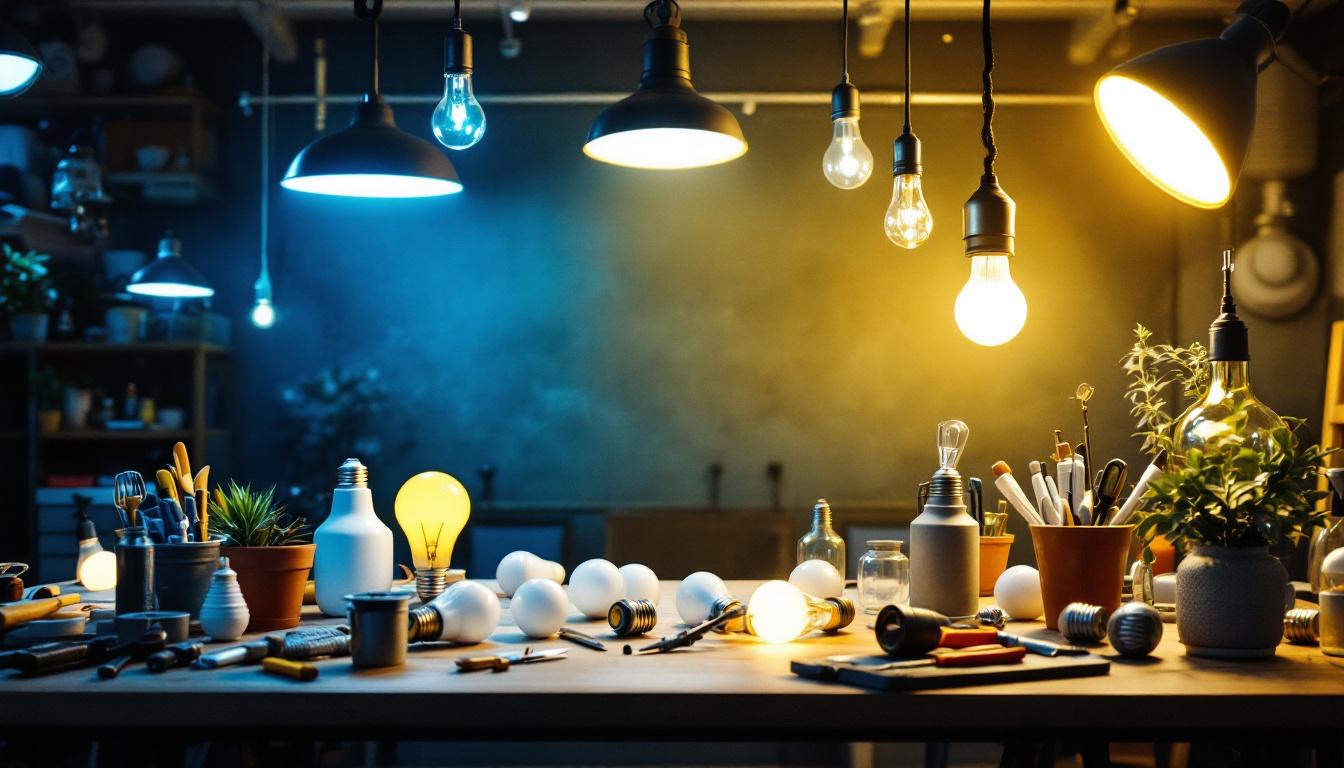
At the core, ultra bright bulbs come in various technologies-LED, halogen, HID (High-Intensity Discharge), and fluorescent. Each has distinct characteristics in terms of color temperature, energy consumption, heat output, and lifespan. For instance, LEDs dominate the market due to their energy efficiency and durability, but certain industrial settings may still favor HID bulbs for their intense, far-reaching illumination. Additionally, the choice of technology can also influence the overall ambiance of a space; for example, the warm glow of halogen bulbs can create a cozy atmosphere, while the cooler tones of LED lights can enhance a modern aesthetic.
Choosing an ultra bright bulb isn’t just about lumens. The color rendering index (CRI), beam angle, and compatibility with existing fixtures also play crucial roles. A bulb with high lumens but poor CRI can distort colors, which is problematic in retail or medical environments. Similarly, a narrow beam angle might be perfect for spotlighting but inadequate for general illumination. Furthermore, the installation and positioning of these bulbs can greatly affect their performance; for instance, placing bulbs too close together can create harsh shadows, while spacing them appropriately can ensure even light distribution across a larger area.
Another important factor to consider is the environmental impact of ultra bright bulbs. Many consumers are becoming increasingly aware of sustainability and energy consumption, prompting a shift towards eco-friendly options. LED bulbs, in particular, are celebrated for their low energy use and minimal heat output, which not only reduces electricity bills but also contributes to a lower carbon footprint. Additionally, advancements in technology have led to the development of smart ultra bright bulbs that can be controlled remotely, allowing users to adjust brightness levels and color temperatures based on their preferences or time of day, further enhancing energy efficiency and convenience.
Moreover, the lifespan of ultra bright bulbs varies significantly depending on the type and usage conditions. For instance, while standard incandescent bulbs may last around 1,000 hours, high-quality LED options can last upwards of 25,000 hours or more. This longevity not only reduces the frequency of replacements but also contributes to lower waste, as fewer bulbs end up in landfills over time. Understanding these differences is crucial for both consumers and contractors, as selecting the right bulb can lead to significant cost savings and a more sustainable lighting solution in the long run.
Installation Best Practices for Lighting Contractors
Assessing the Environment and Application
Before installation, evaluate the space thoroughly. Ultra bright bulbs can generate significant heat, which affects fixture choice and placement. Enclosed fixtures may trap heat, shortening bulb life. In dusty or humid environments, consider bulbs and fixtures rated for such conditions to prevent premature failure. Additionally, take into account the overall design and purpose of the space. For instance, in retail environments, the lighting should not only be functional but also enhance the aesthetic appeal of the products on display. Properly assessing the environment allows for a tailored lighting solution that meets both practical and visual needs.
Electrical infrastructure is another critical factor. Ultra bright bulbs often draw more power, so verify that circuits can handle the load without risking overloads or voltage drops. Using dedicated circuits or upgrading wiring may be necessary in older buildings. Furthermore, consider the potential for future expansion or changes in lighting needs. Planning for scalability by installing additional circuits or using smart lighting controls can save time and resources down the line, ensuring that the installation remains flexible and adaptive to evolving requirements.
Fixture Compatibility and Mounting
Not all fixtures are designed to handle ultra bright bulbs. The increased heat output can degrade fixture components or cause safety hazards. Always check manufacturer specifications to ensure compatibility. For LED bulbs, pay attention to driver compatibility and whether dimming functions are supported. Additionally, the choice of fixture material can impact performance; for example, metal fixtures may dissipate heat more effectively than plastic ones, prolonging the life of the bulbs. It’s also worthwhile to consider the color temperature of the bulbs in relation to the fixture to create a harmonious lighting atmosphere.
Proper mounting height and angle maximize the bulb’s effectiveness. For example, in warehouse settings, ultra bright bulbs mounted too low can create glare or uneven lighting. Conversely, mounting them too high without adequate beam spread can result in dark spots. It’s essential to conduct a lighting simulation or photometric analysis prior to installation to visualize how the light will interact with the space. This proactive approach can help identify potential issues and allow for adjustments before the actual installation, ensuring an optimal lighting arrangement that enhances visibility and safety.
Wiring and Safety Considerations
Ultra bright bulbs can demand higher amperage, so using appropriately rated wiring and connectors is non-negotiable. Grounding and surge protection become even more important to safeguard expensive lighting equipment. Always adhere to local electrical codes and standards to avoid liability issues. Moreover, consider implementing a regular maintenance schedule to inspect wiring and connections for wear and tear, especially in high-use areas. Regular checks can prevent unexpected failures and extend the lifespan of the lighting system.
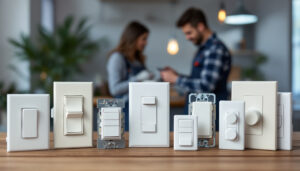
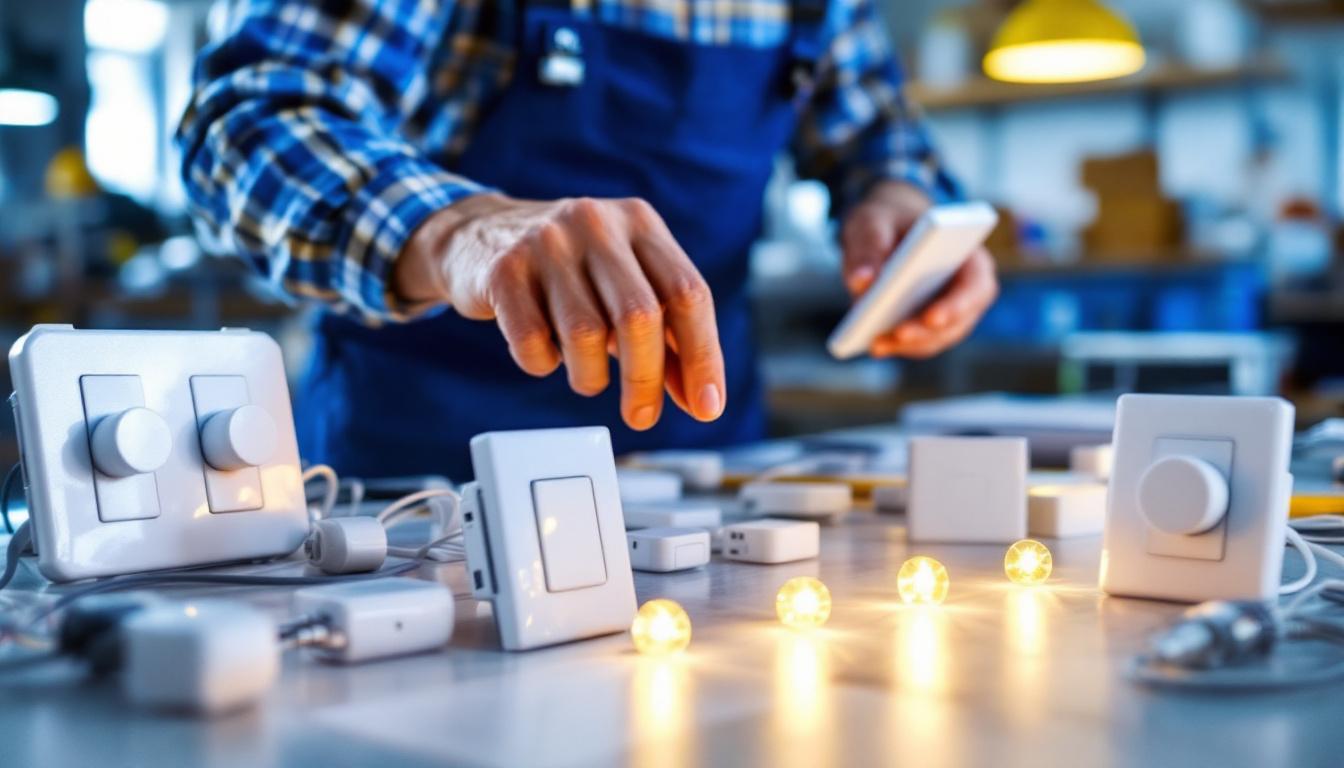
In addition to wiring, the placement of switches and controls should also be carefully considered. Accessibility is key; switches should be positioned where they can be easily reached, especially in commercial settings where staff may need to adjust lighting frequently. Incorporating smart controls can further enhance safety and efficiency, allowing for remote operation and monitoring of lighting systems. This not only improves energy management but also provides valuable data on usage patterns, which can inform future installations and upgrades.
Energy Efficiency and Cost Management
Balancing Brightness with Energy Consumption
Ultra bright bulbs naturally consume more power, but energy-efficient technologies like LEDs have narrowed this gap. Lighting contractors should prioritize LED solutions where possible, as they offer high lumens per watt ratios, reducing operational costs.
Incorporating controls such as occupancy sensors, daylight harvesting, and programmable timers can further optimize energy usage. These systems ensure ultra bright lighting is only active when necessary, extending bulb life and lowering utility bills.
Maintenance and Lifecycle Costs
Maintenance is often overlooked but critical. Ultra bright bulbs can be more expensive upfront, but their longer lifespan and reduced energy consumption offset initial costs over time. Lighting contractors should advise clients on total cost of ownership rather than just purchase price.
Regular cleaning and inspection prevent dust accumulation and fixture degradation, which can diminish brightness and efficiency. Establishing maintenance schedules tailored to the environment ensures consistent performance.
Common Challenges and How to Overcome Them
Heat Management
Heat is the biggest enemy of ultra bright bulbs. Excessive heat leads to premature bulb failure and can damage fixtures. Lighting contractors should recommend fixtures with adequate ventilation or heat sinks, especially for enclosed or recessed installations.
In high-heat environments, consider bulbs with lower wattage but higher efficacy or implement cooling solutions like fans or heat-dissipating materials.
Glare and Light Pollution
Ultra bright bulbs can cause discomfort and reduce productivity if not properly controlled. Glare is a frequent complaint in office and retail settings. Using diffusers, shields, or selecting bulbs with appropriate beam angles can mitigate this issue.
Light pollution is also a concern in outdoor installations. Contractors should design lighting layouts that minimize spillover and comply with local ordinances to avoid fines and community pushback.
Color Consistency and Flicker
Inconsistent color temperature or flickering can undermine the quality of lighting installations. Flicker is often caused by incompatible dimmers or poor-quality drivers. Lighting contractors must test bulbs with control systems before full installation.
Ensuring color consistency across multiple bulbs is vital in spaces like galleries or retail stores. Purchasing bulbs from reputable manufacturers and verifying batch consistency helps maintain uniform lighting.
Emerging Trends and Technologies in Ultra Bright Lighting
Smart Lighting Integration
Smart lighting systems are transforming how ultra bright bulbs are controlled and managed. Integration with building automation allows for dynamic lighting adjustments based on occupancy, time of day, or natural light levels.
For contractors, this means offering clients solutions that not only provide brightness but also enhance energy savings and user experience. Wireless controls and IoT-enabled bulbs simplify installation and reduce wiring complexity.
Advancements in LED Technology
LED technology continues to evolve, pushing the boundaries of brightness and efficiency. New phosphor blends and chip designs deliver higher lumens without increasing power consumption or heat output.
Contractors should stay informed about these advancements to recommend cutting-edge products that offer better performance and longer service life. Some LEDs now offer tunable white options, enabling color temperature adjustments to suit different tasks or times of day.
Sustainability and Environmental Considerations
Environmental regulations and client preferences are driving demand for sustainable lighting solutions. Ultra bright bulbs with low mercury content, recyclable materials, and energy-efficient certifications are increasingly important.
Lighting contractors can differentiate themselves by promoting eco-friendly products and helping clients achieve green building certifications. Proper disposal and recycling of old bulbs also demonstrate a commitment to responsible practices.
Conclusion: Delivering Excellence with Ultra Bright Lighting
Ultra bright light bulbs offer powerful illumination that can transform spaces, improve safety, and enhance aesthetics. For lighting contractors, mastering their selection, installation, and maintenance is essential to delivering reliable, efficient, and compliant lighting solutions.
Understanding the technical details, anticipating challenges, and embracing new technologies will position contractors as trusted experts in the field. The right approach ensures clients receive the full benefits of ultra bright lighting without compromise.
Illuminate Your Projects with LumenWholesale
Ready to elevate your lighting installations with the brightest and best in the industry? At LumenWholesale, we specialize in providing lighting contractors like you with premium, spec-grade ultra bright light bulbs at unbeatable wholesale prices. Say goodbye to local distributor markups and hello to a vast selection of high-quality lighting solutions that meet rigorous industry standards. With free shipping on bulk orders, you can stock up on the reliable, high-performance lighting your projects demand. Don’t compromise on quality or value—discover wholesale lighting at the best value today and light up your work with confidence and convenience.