Understanding the Shift: Why Smart Lighting Matters
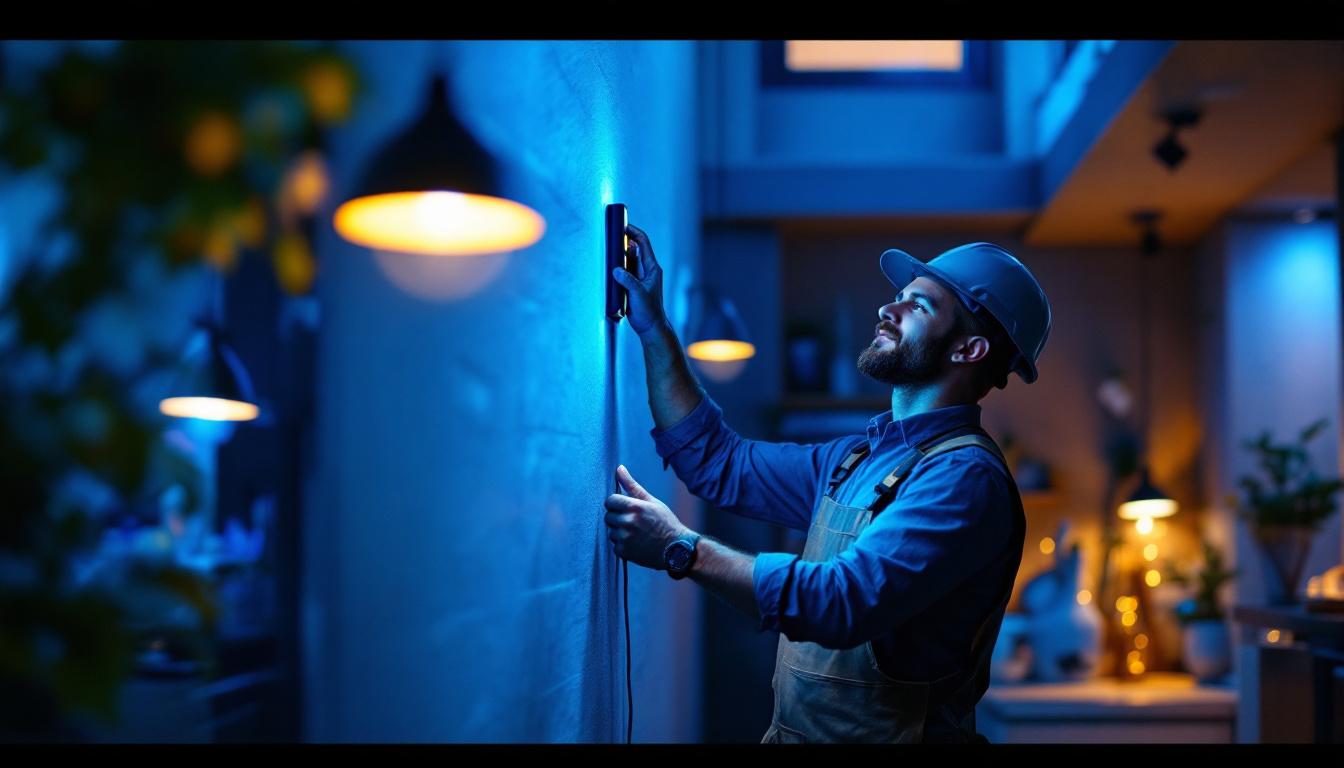
Lighting contractors have long been the unsung heroes behind the scenes, ensuring spaces are illuminated effectively and safely. But the rise of smart lighting technology has transformed the role dramatically. It’s no longer just about wiring and fixtures; it’s about integrating intelligence, efficiency, and user experience into every project.
Smart lighting systems offer more than just illumination—they provide control, customization, and energy savings that traditional lighting simply can’t match. For contractors, this means mastering new tools and techniques to meet client expectations and stay competitive.
Energy Efficiency and Sustainability
One of the most compelling reasons to adopt smart lighting solutions is energy efficiency. LED technology combined with smart controls can reduce energy consumption by up to 70% compared to conventional lighting. Sensors that adjust brightness based on occupancy or daylight availability ensure lights are only on when needed.
Clients increasingly demand sustainable solutions. Smart lighting helps contractors deliver on this by enabling precise control over energy use, contributing to green building certifications like LEED and WELL. This not only benefits the environment but also appeals to eco-conscious customers. Furthermore, the integration of renewable energy sources, such as solar panels, with smart lighting systems can create a self-sustaining ecosystem that further enhances energy savings and reduces carbon footprints. As more consumers and businesses prioritize sustainability, contractors who can offer these advanced solutions will find themselves in high demand.
Enhanced User Experience
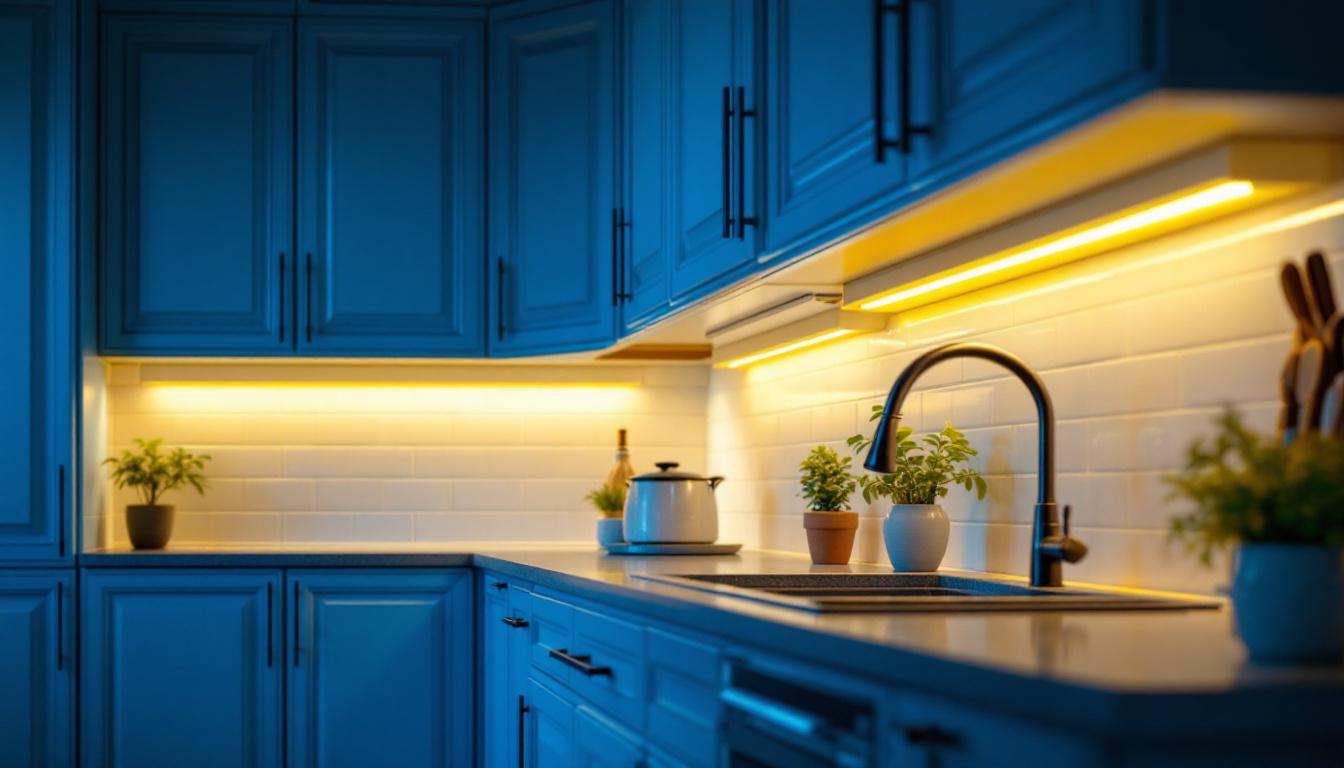
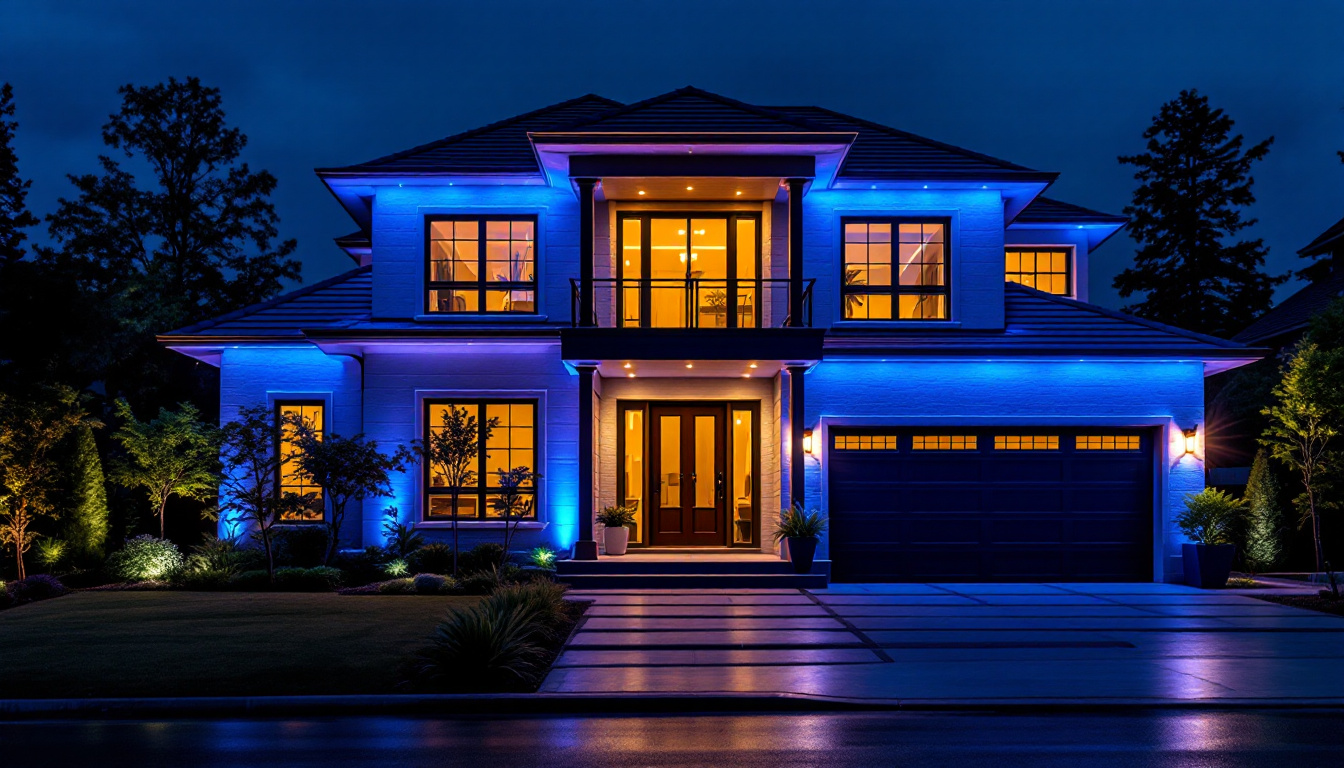
Smart lighting systems offer dynamic control—dimming, color tuning, scheduling, and scene setting—tailored to different activities or moods. For commercial spaces, this can mean improved productivity and comfort. For residential projects, it translates to convenience and ambiance.
Lighting contractors who understand how to program and integrate these systems can provide clients with a level of customization that elevates the overall experience. This expertise becomes a unique selling point in a competitive market. Additionally, the ability to control lighting through mobile apps or voice-activated assistants adds a layer of convenience that modern consumers expect. Imagine a homeowner being able to set the perfect lighting for a movie night with just a voice command or a business manager adjusting the ambiance for a client meeting from their smartphone. This level of interactivity not only enhances user satisfaction but also fosters a deeper connection between the technology and its users, paving the way for future innovations in smart home and office environments.
Key Technologies and Tools for Smart Lighting Contractors
Smart lighting isn’t a single product but a combination of hardware, software, and communication protocols. Contractors must be fluent in these components to design and install effective systems.
LED Fixtures and Drivers
LEDs are the foundation of smart lighting. Their longevity, efficiency, and compatibility with control systems make them indispensable. Contractors should be familiar with various LED fixtures—from downlights to panels—and understand how to select drivers that support dimming and communication protocols. The choice of LED technology can also impact the overall aesthetic of a space; for instance, color temperature and CRI (Color Rendering Index) are crucial factors that influence how colors appear under different lighting conditions. Understanding these nuances allows contractors to create environments that not only function well but also enhance the visual appeal of a space.
Control Systems: From Simple to Complex
Control systems range from basic dimmers to sophisticated networks that manage hundreds of fixtures. Popular platforms include DALI (Digital Addressable Lighting Interface), Zigbee, and Bluetooth Mesh. Each has its strengths and ideal applications. Contractors must evaluate project requirements—scale, interoperability, budget—to recommend the right control strategy. For example, DALI excels in commercial buildings with centralized control, while Zigbee suits residential or smaller commercial spaces with wireless needs. Furthermore, understanding the integration of these systems with other building management systems (BMS) can lead to enhanced energy efficiency and operational effectiveness, making it essential for contractors to stay updated on the latest trends and technologies in smart building integration.
Sensors and Automation
Occupancy sensors, daylight sensors, and even advanced presence detectors play a crucial role in smart lighting. They automate lighting behavior, enhancing energy savings and convenience. Contractors should understand sensor placement and integration to avoid issues like false triggers or dead zones. Additionally, the advent of smart home technology has led to the development of more sophisticated sensors that can adapt to user behavior over time, learning patterns and adjusting lighting accordingly. This level of automation not only improves user experience but also contributes to significant energy savings, which is a compelling selling point for contractors when discussing system benefits with clients.
Software and Programming Tools
Programming smart lighting systems requires specialized software. Many manufacturers provide proprietary tools for configuration and commissioning. Familiarity with these platforms is essential for troubleshooting and fine-tuning. Moreover, as smart lighting systems become increasingly complex, contractors must also be adept at using simulation and modeling software to visualize lighting designs before installation. This not only helps in optimizing the layout but also allows clients to see potential outcomes, thereby enhancing customer satisfaction. Additionally, some systems offer cloud-based management, enabling remote monitoring and updates. Contractors who can leverage these tools add value by offering ongoing support and system optimization. This capability not only ensures that the lighting systems remain efficient over time but also opens up opportunities for contractors to provide maintenance services, creating a recurring revenue stream.
Design Strategies for Smart Lighting Projects
Effective smart lighting design balances technical capabilities with user needs and aesthetics. Contractors should adopt a holistic approach that considers the entire environment.
Start with a Lighting Audit
Before specifying new systems, conducting a thorough lighting audit is critical. This involves assessing existing fixtures, usage patterns, and client goals. The audit identifies opportunities for upgrades, areas where automation can improve efficiency, and potential challenges. Additionally, it’s essential to document the current energy consumption and maintenance costs associated with existing lighting systems. This data not only provides a baseline for measuring improvements but also helps in justifying the investment in new technologies to stakeholders.
Prioritize User-Centric Controls
Smart lighting should empower users, not overwhelm them. Intuitive interfaces—whether wall panels, mobile apps, or voice control—make a huge difference in adoption and satisfaction. Contractors should work closely with clients to understand their preferences and tailor control options accordingly. Furthermore, providing training sessions for end-users can significantly enhance their comfort level with the technology. This can include demonstrations of how to customize settings, create lighting scenes for different activities, or schedule lighting changes based on their routines, ensuring that the system truly meets their lifestyle needs.
Integrate with Building Systems
Smart lighting rarely operates in isolation. Integration with HVAC, security, and building management systems creates synergies that enhance overall building performance. For example, lighting can respond to occupancy data from security systems or adjust based on HVAC schedules. This interconnectedness not only improves energy efficiency but also contributes to a more responsive and adaptive environment. Moreover, leveraging IoT (Internet of Things) technologies can facilitate real-time data sharing between systems, allowing for proactive maintenance and operational adjustments that further optimize energy use and enhance occupant comfort.
Contractors must coordinate with other trades and understand communication protocols to ensure seamless interoperability. This may involve collaborating with IT specialists to set up robust networks that support the myriad of devices and sensors involved in smart lighting systems. Additionally, ensuring compatibility with future technologies is crucial, as the landscape of smart building solutions continues to evolve rapidly.
Plan for Scalability and Flexibility
Clients’ needs evolve. Designing systems with scalability in mind allows for future expansion or reconfiguration without major overhauls. Modular components, wireless controls, and open standards help maintain flexibility. This foresight can be particularly beneficial in commercial settings where tenant turnover is common, as it allows for quick adjustments to lighting configurations to suit new occupants. Furthermore, considering the potential for integrating emerging technologies, such as human-centric lighting that adjusts to circadian rhythms, can enhance the value of the installation over time.
Installation Best Practices and Troubleshooting
Smart lighting installation requires precision and attention to detail. Mistakes can lead to system failures, poor performance, or client dissatisfaction.
Pre-Installation Preparation
Review all system documentation, verify compatibility of components, and plan wiring routes carefully. Labeling cables and devices during installation simplifies commissioning and future maintenance.
Commissioning and Testing
Thorough commissioning is essential. This includes verifying communication between devices, testing sensor responses, and confirming user control interfaces function as intended. Addressing issues early prevents costly callbacks.
Common Troubleshooting Scenarios
Connectivity problems, sensor misbehavior, and software glitches are frequent challenges. Contractors should develop a systematic approach to troubleshooting, using diagnostic tools and manufacturer support resources.
Documenting issues and resolutions builds a knowledge base that improves efficiency on future projects.
Building Client Relationships Through Smart Lighting Expertise
Smart lighting projects often involve ongoing support and upgrades. Contractors who position themselves as trusted advisors can build long-term client relationships.
Educate Clients on Benefits and Operation
Clients may be unfamiliar with smart lighting capabilities. Providing clear explanations and demonstrations helps set realistic expectations and encourages proper use.
Offer Maintenance and Support Services
Regular system check-ups, software updates, and troubleshooting services create additional revenue streams and enhance client satisfaction.
Stay Ahead with Continuing Education
The smart lighting field evolves rapidly. Contractors who invest in training and certifications maintain a competitive edge and can confidently recommend the latest innovations.
Conclusion: Lighting the Path Forward
Smart lighting is more than a trend-it’s a fundamental shift in how spaces are illuminated and managed. Contractors who embrace this change with technical skill, thoughtful design, and client-focused service will thrive.
By mastering the technologies, adopting best practices, and fostering strong client partnerships, lighting contractors can truly flag with light-leading the way to smarter, brighter environments.
Illuminate Your Projects with LumenWholesale
Ready to lead the way in smart lighting solutions? At LumenWholesale, we provide you with the high-quality, spec-grade lighting products you need to outshine the competition. Enjoy unbeatable wholesale prices and an extensive selection that meets the highest industry standards. Say goodbye to middleman markups and hello to hassle-free bulk buying with free shipping. Elevate your lighting projects with the perfect blend of quality, affordability, and convenience. Wholesale Lighting at the Best Value is just a click away. Partner with LumenWholesale and make every environment smarter and brighter.