Why Tray Ceilings Demand Thoughtful Lighting
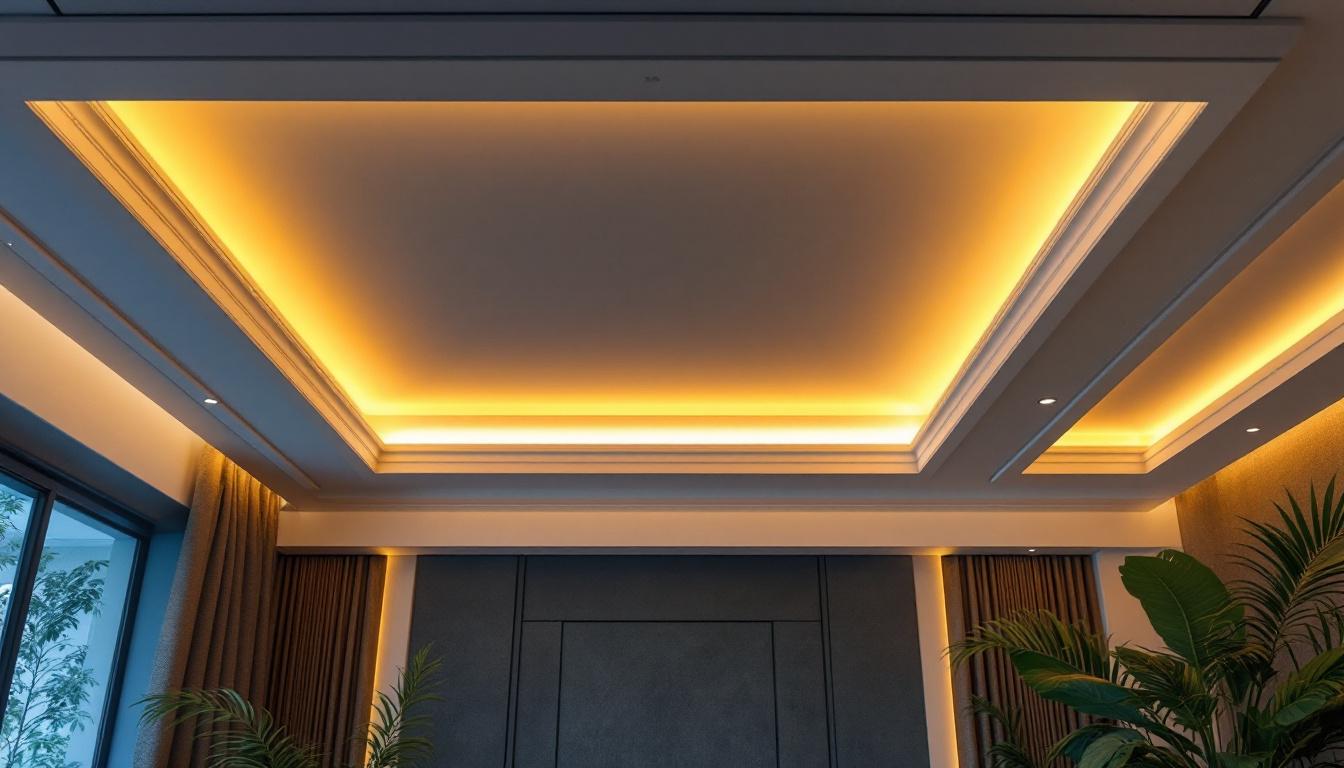
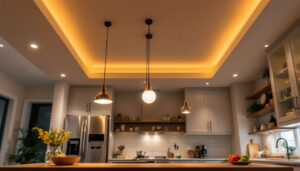
Tray ceilings are a popular architectural feature in upscale residential and commercial spaces. Their layered design adds depth and dimension, creating an elegant focal point that elevates any room’s aesthetic. However, without the right lighting, this striking feature can fall flat, losing its potential to enhance ambiance and spatial perception.
Lighting contractors often face challenges when working with tray ceilings. The depth and multiple levels create shadows and uneven illumination if not addressed properly. This is where recessed lighting becomes a game-changer. It offers a clean, unobtrusive solution that highlights the ceiling’s contours while providing functional light.
The Unique Challenges of Lighting Tray Ceilings
Tray ceilings have varying heights and ledges, which can cause uneven light distribution. Traditional fixtures like chandeliers or pendant lights often hang too low or fail to illuminate the recesses effectively. Wall sconces and floor lamps can supplement lighting but rarely solve the core issue of highlighting the ceiling’s architectural interest.
Furthermore, tray ceilings often require layered lighting to balance ambient, task, and accent needs. Without recessed lighting, the space may feel flat or overly bright in some areas and dim in others. This inconsistency can detract from the room’s comfort and style.
One effective strategy for illuminating tray ceilings is to incorporate LED strip lights along the edges of the recess. These flexible light strips can be installed discreetly, casting a soft glow that accentuates the ceiling’s depth without overwhelming the space. This method not only enhances the visual appeal but also allows for color temperature adjustments, enabling homeowners to create different moods depending on the time of day or occasion.
Additionally, dimmable lighting options can provide further control over the ambiance. By allowing users to adjust the intensity of the light, they can easily transition from bright, energizing light during the day to a softer, more intimate glow in the evening. This versatility is particularly beneficial in multi-functional spaces, where the needs for lighting can vary significantly throughout the day.
Recessed Lighting: The Ideal Solution for Tray Ceilings
Recessed lighting fits seamlessly within the tray ceiling’s structure, offering a streamlined look that doesn’t compete with the architectural design. These fixtures can be strategically placed to wash the ceiling with light, accentuating its depth and texture. The subtle illumination created by recessed lights can transform a simple tray ceiling into a stunning focal point, drawing the eye upward and creating an inviting atmosphere that enhances the overall ambiance of the room.
Because recessed lights sit flush with the ceiling, they maintain the clean lines and open feel that tray ceilings promote. This is particularly important in modern or minimalist interiors where clutter-free aesthetics are paramount. The unobtrusive nature of recessed lighting allows for a more expansive visual experience, making rooms feel larger and more airy. Additionally, the ability to dim these lights can further enhance the mood, allowing for bright, energizing light during the day and soft, warm illumination in the evening.
Benefits of Using Recessed Lighting in Tray Ceilings
- Customizable Placement: Lights can be positioned to highlight specific areas or create even illumination across the ceiling.
- Layered Lighting Capability: Recessed lighting integrates well with other types of fixtures, enabling a multi-dimensional lighting scheme.
- Energy Efficiency: Modern LED recessed lights consume less power and have longer lifespans, reducing maintenance and energy costs.
- Reduced Glare and Shadows: When properly spaced and angled, recessed lights minimize harsh shadows and glare, enhancing comfort.
In addition to these benefits, recessed lighting can also be equipped with smart technology, allowing homeowners to control the lighting remotely or program it to adjust automatically based on the time of day. This feature not only adds convenience but also enhances energy efficiency, as lights can be set to turn off when not needed. Furthermore, the versatility of recessed lighting means it can be utilized in various settings, from living rooms and dining areas to kitchens and home theaters, making it a practical choice for any space.
Another advantage of recessed lighting in tray ceilings is the ability to incorporate color-changing options. This can create dynamic effects that enhance the mood for different occasions, whether it’s a cozy family gathering or an elegant dinner party. By selecting fixtures that allow for color adjustments, homeowners can easily shift the atmosphere of a room with just a few taps on their smartphone or a simple voice command, showcasing the true potential of their tray ceilings in a way that is both functional and aesthetically pleasing.
Design Strategies for Effective Recessed Lighting in Tray Ceilings
Successful lighting design for tray ceilings requires careful planning. Contractors must consider the ceiling’s dimensions, the room’s function, and the desired mood. Here are some key strategies:
1. Determine the Right Number and Placement of Fixtures
Spacing recessed lights evenly around the perimeter of the tray ceiling helps create a soft, glowing effect that emphasizes the ceiling’s depth. The typical recommendation is to space fixtures about 4 to 6 feet apart, but this varies depending on the ceiling’s size and height.
For larger tray ceilings, additional fixtures may be necessary in the central area to avoid dark spots. Using a lighting layout plan ensures balanced coverage and prevents over-illumination. It’s also essential to consider the height of the ceiling; higher ceilings may require fixtures with a higher lumen output to ensure that the light reaches the intended areas effectively. Additionally, the use of adjustable fixtures can provide flexibility, allowing homeowners to redirect light as needed to highlight artwork or architectural features.
2. Choose Appropriate Beam Angles and Bulb Types
Beam angle affects how light spreads across the ceiling. Narrow beam angles focus light on specific areas, ideal for accentuating architectural details. Wider angles provide more diffuse illumination, perfect for general lighting.
LED bulbs are preferred for their energy efficiency and color options. Selecting bulbs with a color temperature between 2700K and 3000K creates a warm, inviting atmosphere that complements most interior styles. Additionally, considering the color rendering index (CRI) of the bulbs is crucial; a higher CRI (above 90) ensures that colors appear vibrant and true to life, enhancing the overall aesthetic of the room. This is particularly important in spaces like kitchens or living rooms where color accuracy can significantly affect the ambiance and functionality.
3. Incorporate Dimmers and Smart Controls
Dimmer switches allow users to adjust light intensity, adapting the ambiance to different occasions. Smart lighting controls can automate these adjustments, integrating with home automation systems for convenience and energy savings.
Moreover, integrating smart controls can enhance user experience by allowing for pre-set lighting scenes tailored to specific activities, such as movie nights or dinner parties. These systems can often be controlled via smartphone apps or voice commands, providing an added layer of convenience. Additionally, incorporating motion sensors can help optimize energy use by ensuring lights are only on when the room is occupied, further enhancing the efficiency of the lighting design while maintaining the desired atmosphere.
Common Pitfalls and How to Avoid Them
Even experienced lighting contractors can encounter issues when installing recessed lighting in tray ceilings. Awareness of common mistakes helps deliver optimal results.
Overcrowding Fixtures
Too many recessed lights can create a harsh, clinical feel and waste energy. It also detracts from the ceiling’s natural shadows and depth. Balance is key-use enough fixtures to illuminate effectively without overwhelming the space.
Ignoring Ceiling Depth and Dimensions
Shallow tray ceilings may not accommodate larger recessed housings, requiring low-profile or shallow-mount fixtures. Failing to account for this can lead to installation difficulties or damage to the ceiling structure.
Neglecting Heat Dissipation and Ventilation
Recessed lighting generates heat, which must be managed to prevent fixture damage and maintain safety. Using LED fixtures reduces heat output, but contractors should still ensure proper ventilation and follow manufacturer guidelines.
Case Studies: Transforming Spaces with Recessed Lighting in Tray Ceilings
Several projects demonstrate how recessed lighting can elevate tray ceilings from overlooked architectural elements to stunning design highlights.
Luxury Residential Living Room
A multi-level tray ceiling in a high-end living room was illuminated with adjustable LED recessed lights placed around the perimeter and within the central recess. The lighting emphasized the ceiling’s layers, creating a cozy yet sophisticated ambiance. Dimmers allowed the homeowner to transition from bright task lighting to soft, ambient glow effortlessly.
Upscale Restaurant Dining Area
In a restaurant setting, recessed lighting in tray ceilings provided a clean, modern look while enhancing the dining experience. The lighting was programmed to change intensity and color temperature throughout the day, supporting different moods from lunch to dinner service. The unobtrusive fixtures preserved the architectural integrity and contributed to the venue’s upscale atmosphere.
Installation Tips and Best Practices
Proper installation is crucial to maximize the benefits of recessed lighting in tray ceilings.
Coordinate with Other Trades Early
Collaborate with electricians, drywall installers, and HVAC professionals during the planning phase to avoid conflicts with wiring, framing, and ventilation. Early coordination prevents costly rework and ensures smooth installation.
Use Quality Fixtures and Components
Investing in high-quality recessed lighting fixtures and compatible trims enhances durability and appearance. Look for fixtures rated for the specific ceiling type and environment, such as damp-rated options for kitchens or bathrooms.
Test Lighting Before Finalizing Ceiling Finishes
Power up the recessed lights before installing ceiling finishes to verify placement, brightness, and beam spread. Adjustments are easier at this stage than after drywall and paint are complete.
Conclusion: Recessed Lighting Completes the Tray Ceiling Experience
Tray ceilings offer a distinctive architectural feature that deserves equally thoughtful lighting. Recessed lighting provides the missing piece in many lighting projects by enhancing depth, balancing illumination, and maintaining a clean aesthetic.
For lighting contractors, mastering recessed lighting design and installation in tray ceilings opens opportunities to deliver exceptional results that satisfy both aesthetic and functional demands. Understanding the unique challenges and leveraging the versatility of recessed fixtures transforms tray ceilings from simple architectural elements into captivating centerpieces.
Illuminate Your Tray Ceiling Projects with LumenWholesale
Ready to elevate your lighting projects to new heights? At LumenWholesale, we provide lighting contractors with the superior, spec-grade recessed lighting solutions needed to masterfully enhance tray ceilings. Our commitment to quality, affordability, and convenience ensures that you can access the best lighting products at wholesale prices, with the added benefit of free shipping on bulk orders. Don’t let hidden fees or limited selections hold you back. Visit LumenWholesale today and discover how our extensive selection can help you achieve the perfect balance of elegance and functionality in your lighting designs.