Choosing the Right Low Voltage Wire Connectors for Outdoor Lighting
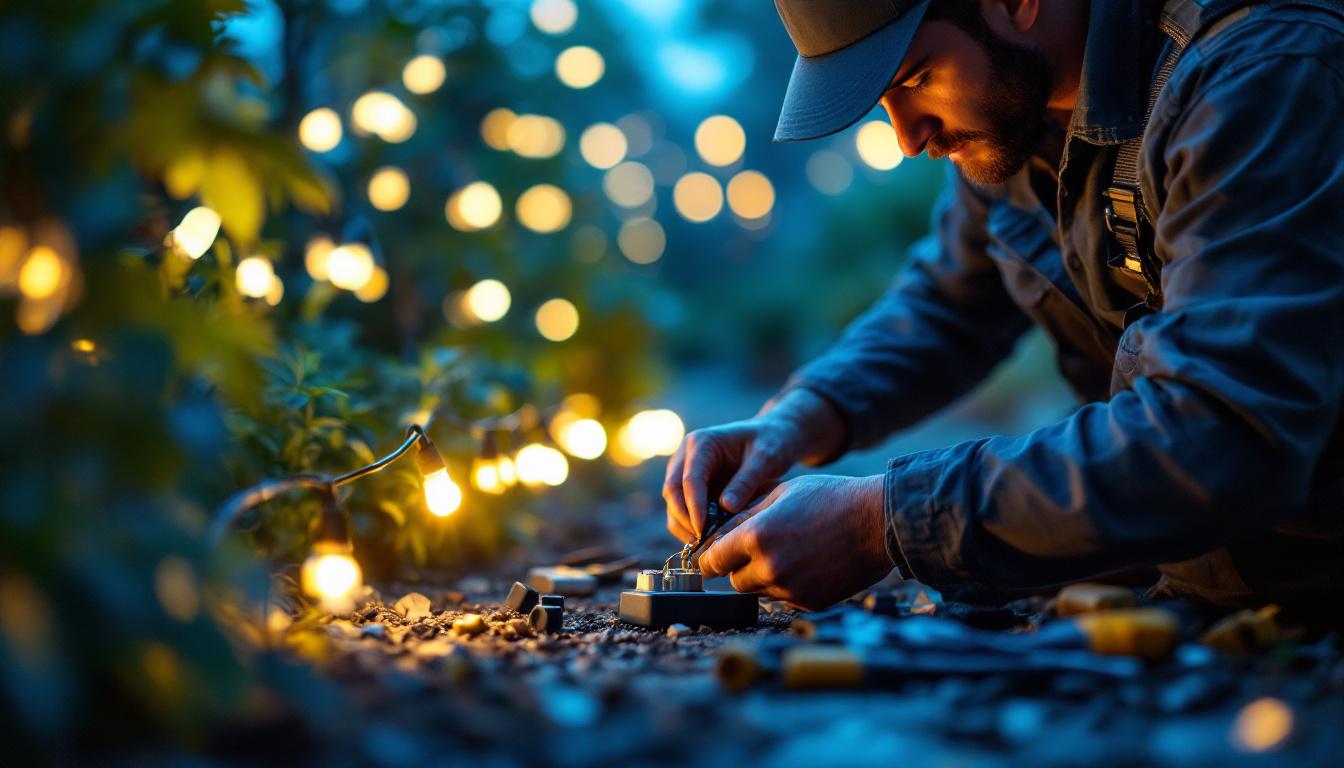
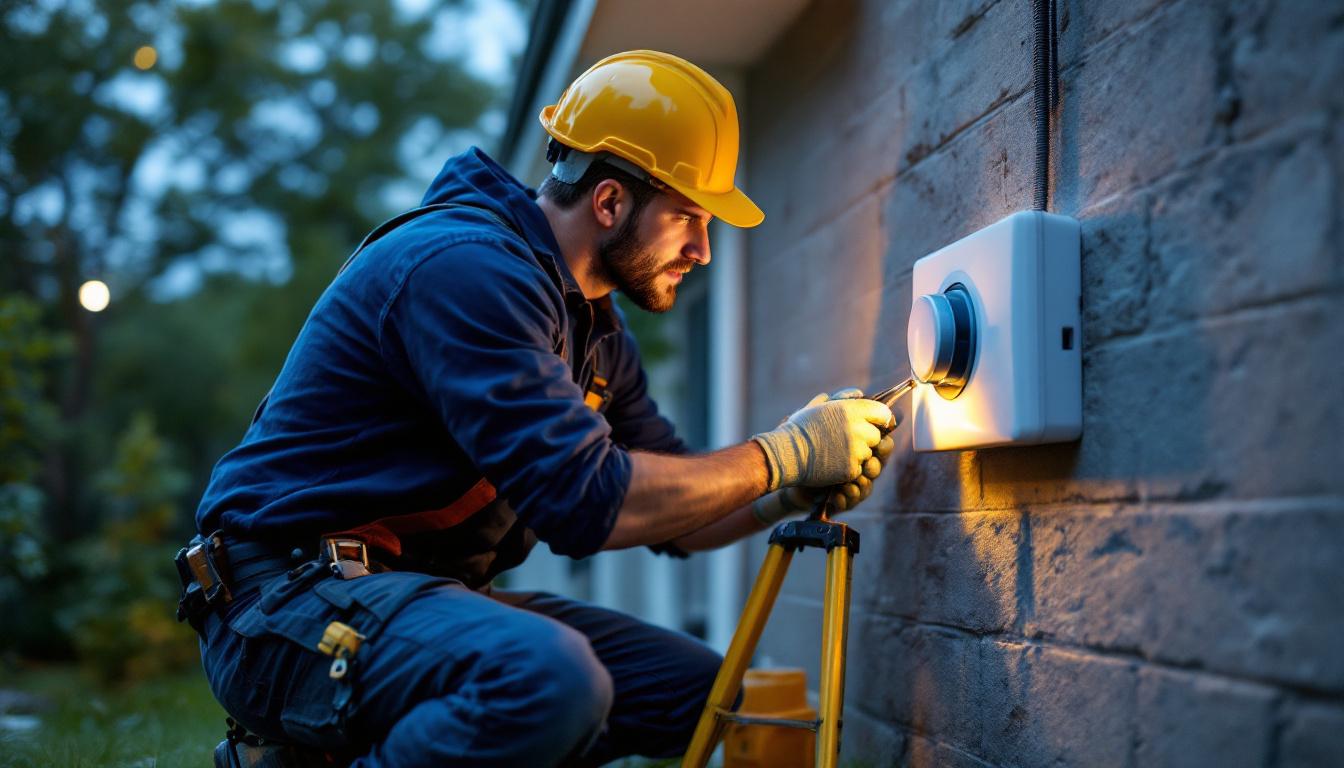
Outdoor lighting projects demand more than just bulbs and fixtures. The connections between wires play a crucial role in ensuring safety, durability, and performance. For lighting contractors, selecting the appropriate low voltage wire connectors can be the difference between a reliable installation and frequent callbacks.
Low voltage systems, typically operating at 12V or 24V, require connectors that maintain consistent conductivity while resisting environmental factors. Unlike standard household wiring, these connectors must withstand moisture, temperature fluctuations, and sometimes physical stress from landscaping or foot traffic.
When evaluating connectors, consider the wire gauge compatibility first. Most outdoor lighting systems use 12- or 14-gauge wire, so connectors must accommodate these sizes without compromising the connection. Using connectors rated only for smaller gauges can lead to overheating or loose connections.
Types of Low Voltage Outdoor Wire Connectors
Several connector types are commonly used in outdoor lighting installations, each with its own advantages and limitations.
- Twist-on Wire Connectors: Often familiar from indoor electrical work, these can be used outdoors if rated for wet locations. However, they require additional sealing to protect against moisture ingress.
- Push-In Connectors: These provide quick, tool-free connections and are popular for their ease of use. Look for models specifically designed for outdoor use with waterproof seals.
- Gel-Filled Connectors: These connectors are pre-filled with a dielectric gel that prevents moisture from reaching the wire connection. They are highly effective in wet environments but can be a bit bulkier.
- Crimp Connectors with Heat Shrink: Combining a mechanical crimp with a heat shrink sleeve creates a robust, sealed connection. This method requires a crimping tool and heat gun but offers superior protection and longevity.
In addition to the types of connectors, it’s essential to consider the installation environment. For instance, if the lighting is to be installed in areas prone to flooding or heavy rain, connectors with enhanced moisture resistance should be prioritized. Furthermore, connectors that are UV resistant can prevent degradation from prolonged sun exposure, ensuring that the integrity of the connection remains intact over time. Proper installation techniques, such as ensuring tight connections and using protective enclosures, can further enhance the longevity of these connectors.
Another factor to keep in mind is the ease of maintenance. Some connectors are designed for quick disconnection and reconnection, which can be beneficial for seasonal lighting setups or when adjustments are necessary. Additionally, labeling connectors can help streamline troubleshooting and repairs, minimizing downtime during maintenance. By investing in high-quality connectors and considering the specific needs of your outdoor lighting project, you can enhance both the performance and reliability of your installations.
Ensuring Weatherproof and Durable Connections
Outdoor lighting systems face constant exposure to rain, snow, humidity, and UV rays. Even the best wire connectors can fail prematurely if not properly sealed and installed.
One common mistake is neglecting to waterproof the connection points. Moisture intrusion leads to corrosion, increased resistance, and eventual failure. For lighting contractors, this translates into costly repairs and unhappy clients.
Using connectors specifically rated for outdoor or wet locations is non-negotiable. Look for UL or ETL listings that indicate suitability for damp or wet environments. Additionally, applying silicone sealant or using waterproof enclosures can add an extra layer of protection.
Best Practices for Installation
Start by stripping the wire insulation carefully to avoid nicking the conductor. A clean, undamaged wire surface ensures a better electrical connection. When using twist-on connectors, twist the wires tightly before screwing on the cap, then wrap the connection with electrical tape or a waterproof wrap.
For crimp connectors, ensure the crimp is tight and secure. The heat shrink tubing should cover the entire crimp and overlap onto the wire insulation. Applying heat evenly shrinks the tubing and seals the connection against moisture and dirt.
Where possible, elevate connectors off the ground or place them inside junction boxes designed for outdoor use. This reduces exposure to standing water and physical damage.
Another important consideration is the choice of wire gauge. Thicker wires can handle higher currents and are less prone to overheating, making them ideal for outdoor applications where the lighting system may be subjected to varying loads. Additionally, using color-coded wires can simplify troubleshooting and maintenance, allowing for quicker identification of circuits and connections. This attention to detail not only enhances the reliability of the installation but also contributes to the overall safety of the outdoor lighting system.
Furthermore, regular maintenance checks can help ensure the longevity of outdoor connections. Inspecting for signs of wear, corrosion, or moisture intrusion can prevent minor issues from escalating into major failures. Keeping a maintenance log can also help track any repairs or replacements made over time, providing valuable insights into the performance of the lighting system and guiding future installations. By prioritizing these best practices, contractors can build a reputation for quality work and customer satisfaction, ultimately leading to repeat business and referrals.
Common Challenges and How to Overcome Them
Lighting contractors often encounter issues with low voltage wire connectors that can be avoided with proper knowledge and tools. Understanding the nuances of low voltage systems is crucial for ensuring that installations are both efficient and durable. Many contractors find that investing time in training and familiarizing themselves with the latest technologies can significantly reduce these common pitfalls.
One frequent challenge is dealing with mixed wire gauges or stranded versus solid wire. Not all connectors handle these variations well. Using connectors designed to accommodate both stranded and solid wire types ensures a solid connection without damaging the strands. Additionally, it’s important to consider the overall wire length and gauge when planning a layout, as this can impact the performance of the lighting system. For instance, using a thicker gauge wire for longer runs can help mitigate voltage drop, leading to a more reliable lighting solution.
Another issue is connector size and bulk. In tight spaces, large connectors can be difficult to fit or conceal. Compact, low-profile connectors designed for outdoor use can simplify installation and improve aesthetics. Moreover, utilizing connectors with built-in strain relief can help maintain the integrity of the connection over time, especially in environments where movement or vibration may occur. By selecting the right connectors, contractors can not only enhance the visual appeal of the installation but also ensure long-term reliability.
Handling Voltage Drop and Connection Integrity
Low voltage lighting systems are particularly sensitive to voltage drop, which can cause lights to dim or flicker. Poor connections exacerbate this problem by increasing resistance in the circuit. To combat this, it’s essential to calculate the total load on the circuit and ensure that the wire gauge is appropriate for the distance between the power source and the fixtures. This proactive approach can prevent frustrating issues down the line and contribute to a more efficient lighting system.
Ensure that connectors provide a tight, low-resistance connection. Avoid using multiple connectors in series unless necessary, as each connection adds potential points of failure. Regularly test connections with a multimeter during installation to verify continuity and voltage levels. Additionally, consider the environmental factors that may affect connection integrity, such as moisture or temperature fluctuations. Using weatherproof connectors and protective enclosures can safeguard against these elements, ensuring that the lighting system remains functional and aesthetically pleasing throughout its lifespan.
Tools and Materials Lighting Contractors Should Have
Equipping yourself with the right tools and materials streamlines the installation process and improves the quality of your work.
- Wire Strippers: Precision strippers designed for low voltage wire prevent conductor damage.
- Crimping Tools: Essential for crimp connectors, ensuring a secure mechanical connection.
- Heat Gun: Needed for heat shrink tubing applications to create a weatherproof seal.
- Multimeter: For testing voltage, continuity, and verifying proper connections.
- Waterproof Wire Connectors: Stock a variety of types and sizes to handle different project requirements.
Having these tools on hand not only saves time but also reduces the risk of improper connections and callbacks.
Material Quality and Compliance Considerations
Using substandard or uncertified connectors can lead to safety hazards, code violations, and premature failures. Lighting contractors must prioritize quality and compliance to protect their reputation and clients’ investments.
Look for connectors made from corrosion-resistant materials such as copper or tinned copper. Plastic components should be UV-resistant and rated for outdoor use. Certifications from recognized testing laboratories provide assurance that products meet safety and performance standards.
Staying Updated with Industry Standards
Electrical codes and standards evolve, especially regarding outdoor and low voltage installations. Familiarize yourself with the latest National Electrical Code (NEC) guidelines and local regulations that pertain to low voltage lighting systems.
Many jurisdictions require specific types of connectors or installation methods to minimize risks. Keeping current helps avoid costly rework and ensures that installations pass inspections smoothly.
Final Thoughts: Prioritizing Reliability and Client Satisfaction
For lighting contractors, the small details make a big difference. Choosing the right low voltage outdoor wire connectors and installing them correctly can extend the life of a lighting system and reduce maintenance calls.
Investing time in selecting quality connectors, applying proper sealing techniques, and using the right tools reflects professionalism and expertise. Clients notice when their outdoor lighting works flawlessly year after year, and that reputation leads to more business.
Ultimately, understanding the nuances of low voltage wire connectors empowers contractors to deliver safe, durable, and visually stunning outdoor lighting solutions that stand the test of time.
Get Your Premium Lighting Supplies at LumenWholesale
Ready to elevate your outdoor lighting projects with connectors that ensure longevity and client satisfaction? LumenWholesale is here to support your needs with high-quality, spec-grade lighting products at competitive wholesale prices. Say goodbye to local distributor markups and hello to a vast selection of industry-standard lighting essentials that promise reliability and high performance for every installation. Plus, with free shipping on bulk orders, you can stock up on superior lighting solutions without worrying about extra costs. Make the smart choice for your business and visit LumenWholesale for Wholesale Lighting at the Best Value today.