Why Recessed Lighting Works So Well in Dining Rooms
Dining rooms are more than just places to eat; they are social hubs where families gather and guests are entertained. The lighting in this space plays a pivotal role in setting the mood and functionality. Recessed lighting offers a sleek, modern solution that blends seamlessly with various interior styles, from minimalist to traditional.
Unlike pendant lights or chandeliers that demand visual attention, recessed lights provide subtle, even illumination without cluttering the ceiling. This unobtrusive nature makes them ideal for dining rooms where you want the focus on the table and the people around it, not the fixtures above.
For lighting contractors, understanding the balance between aesthetics and performance is crucial. Recessed lighting can be tailored to highlight architectural features, create ambiance, and ensure the dining area is well-lit for meals and conversation.
Moreover, the versatility of recessed lighting allows for customization in terms of brightness and color temperature. By selecting warmer tones, homeowners can foster a cozy and inviting atmosphere, perfect for intimate dinners or family gatherings. On the other hand, cooler tones can be employed for more formal events, where clarity and focus are paramount. This adaptability means that the same lighting can serve multiple purposes, enhancing the dining experience regardless of the occasion.
Additionally, the placement of recessed lights can significantly influence the overall ambiance of the dining room. Strategically positioning them to illuminate artwork or architectural details can create visual interest and depth, transforming the space into a sophisticated setting. Coupled with dimmer switches, recessed lighting can easily transition from bright and functional during meal prep to soft and romantic as the evening unfolds, allowing for a seamless flow of activities in this essential gathering space.
Choosing the Right Type of Recessed Lighting
Trim Styles and Their Impact
The trim is the visible part of a recessed light and significantly influences the room’s look. There are several trim styles to consider:
- Aluminum or Metal Baffle: These trims reduce glare and are perfect for creating a softer, more diffused light. They work well in dining rooms where a warm, inviting atmosphere is desired.
- Reflector Trims: Designed to maximize light output, these trims are ideal when you need brighter illumination, such as for buffet setups or detailed table settings.
- Adjustable or Eyeball Trims: These allow directional lighting, which can be used to highlight artwork or architectural details adjacent to the dining area.
Choosing the right trim style depends on the room’s size, ceiling height, and the desired lighting effect. For instance, in a cozy, smaller dining area, a baffle trim can help create an intimate feel, while in larger spaces, reflector trims can ensure that the light is evenly distributed without creating dark spots. Additionally, consider the finish of the trim; a matte finish can offer a more understated look, while a polished chrome or brass finish can add a touch of elegance and sophistication to the overall design.
Bulb Types and Color Temperatures
LED bulbs dominate the recessed lighting market due to their energy efficiency and longevity. For dining rooms, selecting the correct color temperature is essential:
- Warm White (2700K – 3000K): This range creates a cozy, welcoming environment that complements wood tones and warm color palettes.
- Neutral White (3500K – 4100K): Offers a balance between warmth and brightness, suitable for modern dining rooms with cooler decor.
- Dimmer Compatibility: Installing dimmable LEDs allows for adjustable ambiance, which is invaluable in dining settings where mood shifts from casual meals to formal dinners.
Moreover, the choice of bulb can also affect the perception of space. For example, using a cooler color temperature can make a small dining room feel more expansive, while warmer tones can create a snug, inviting nook. It’s also worth noting that the CRI (Color Rendering Index) of the bulbs should be considered, as higher CRI values (above 90) will render colors more accurately, enhancing the visual appeal of food and decor. This is particularly important for dining rooms where the presentation of meals plays a crucial role in the overall dining experience.
Planning the Layout for Optimal Illumination
Spacing and Placement Guidelines
Proper spacing of recessed lights ensures even illumination without harsh shadows or overly bright spots. A general rule of thumb is to space fixtures about half the ceiling height apart. For example, in an 8-foot ceiling dining room, lights should be spaced roughly 4 feet apart.
However, this guideline can vary based on fixture beam angles and the size of the dining table. Contractors should consider the table’s dimensions and position the lights to avoid glare and shadows on diners’ faces. Additionally, the color and texture of the walls and furnishings can influence how light is reflected in the space. Lighter colors tend to bounce light more effectively, while darker hues may absorb it, necessitating adjustments in the placement and number of fixtures to achieve the desired ambiance.
Layering Light for Depth and Function
Recessed lighting should not be the sole source of illumination. Layering with other light types—such as wall sconces, accent lights, or even a statement chandelier—adds depth and flexibility.
For example, combining recessed lights with a dimmable chandelier allows for bright task lighting during meal prep and softer, ambient light during dinner. This layering approach enhances both functionality and aesthetics. Furthermore, incorporating dimmers not only allows for control over brightness levels but also sets the mood for various occasions, from lively family gatherings to intimate dinners. Accent lighting can also be strategically placed to highlight artwork or architectural features, creating visual interest and drawing the eye throughout the room. By thoughtfully considering these elements, homeowners can create a well-balanced lighting scheme that elevates the overall dining experience.
Installation Best Practices and Considerations
Electrical and Safety Standards
Installing recessed lighting requires adherence to electrical codes and safety standards. Contractors must ensure fixtures are rated for the ceiling type—whether insulated or non-insulated—and that wiring is safely routed to avoid overheating. Proper installation not only enhances the aesthetic appeal of a space but also ensures the safety of the occupants. It is crucial to check local building codes, as they can vary significantly and may include specific requirements for wire gauge, circuit load, and fixture placement.
Using IC-rated (Insulation Contact) fixtures is essential when installing recessed lights in insulated ceilings to prevent fire hazards. Additionally, moisture-resistant trims may be necessary if the dining room connects to a kitchen or has high humidity. This is particularly important in areas where steam or water vapor could compromise the integrity of standard fixtures. Furthermore, employing dimmer switches can enhance energy efficiency and allow homeowners to adjust the ambiance according to their needs, making it a valuable consideration during installation.
Retrofit vs. New Construction Fixtures
Understanding the difference between retrofit and new construction recessed lights is key. Retrofit fixtures are designed to fit into existing ceiling cutouts, making them ideal for remodels. New construction fixtures require installation before drywall, suited for new builds or major renovations. When opting for retrofit fixtures, it’s important to consider the existing wiring and the ceiling structure to ensure compatibility, as some older homes may have limitations that could complicate the installation process.
Contractors should assess the project scope carefully to select the appropriate fixture type, ensuring a smooth installation process and optimal results. Additionally, the choice of trim style and bulb type can significantly impact the overall lighting effect and energy consumption. For instance, LED options are increasingly popular due to their longevity and lower energy usage, while traditional incandescent bulbs may offer a warmer light quality. Balancing aesthetics with functionality is crucial, as the right choice can enhance the overall design of the space while meeting practical lighting needs.
Enhancing the Dining Experience with Recessed Lighting
Using Dimmers and Smart Controls
Dimmers are a game-changer in dining room lighting. They allow users to adjust brightness levels to suit different occasions, from bright family breakfasts to intimate dinners.
Smart lighting controls take this a step further, enabling remote operation and preset scenes. Integrating recessed lighting with smart home systems can provide clients with convenience and energy savings.
Accent and Highlighting Techniques
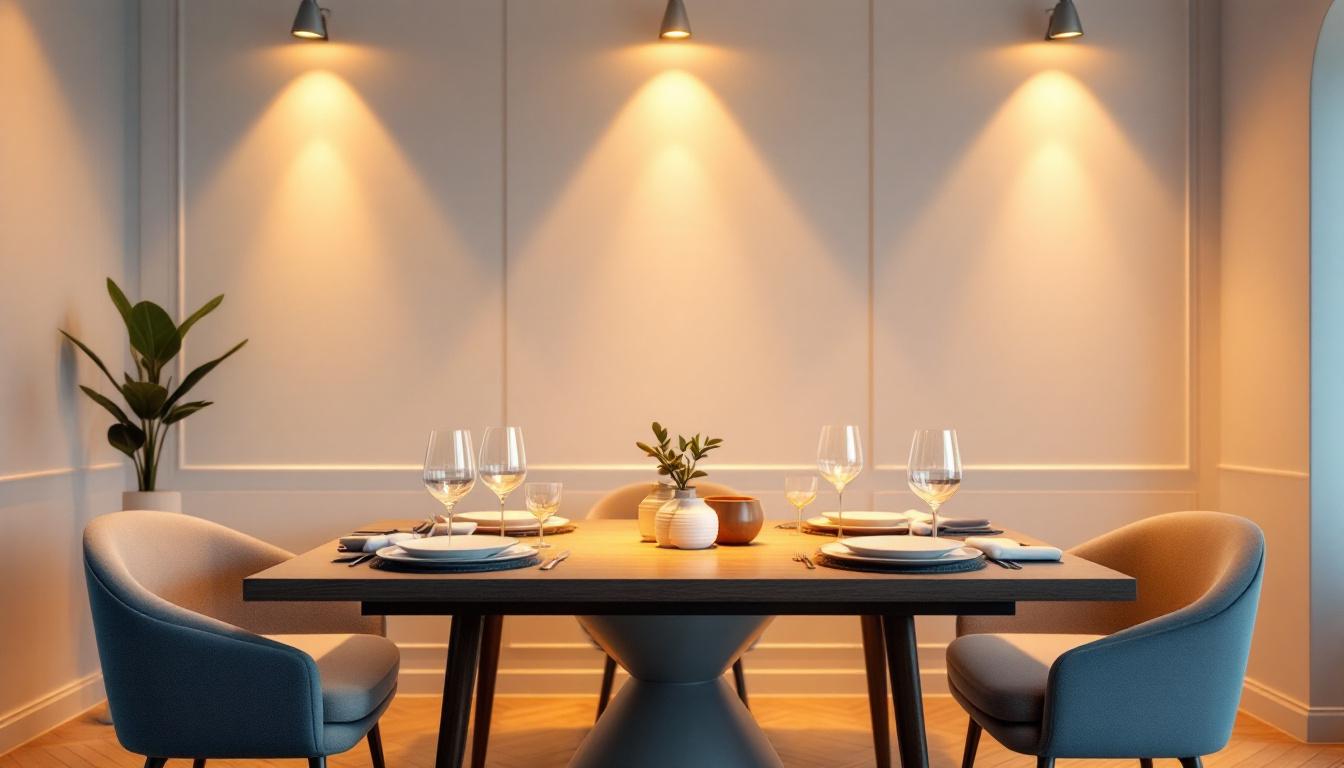
Recessed lights can be strategically placed to highlight artwork, architectural moldings, or a centerpiece on the dining table. Adjustable trims or directional fixtures help focus light where it’s needed most.
This technique adds visual interest and elevates the overall dining room ambiance, making the space feel curated and inviting.
Common Challenges and How to Overcome Them
Dealing with Low Ceilings
Low ceilings can limit the use of recessed lighting due to space constraints behind the ceiling. Shallow or low-profile fixtures are available to address this issue without compromising on light quality.
Contractors should measure ceiling cavities carefully and select fixtures designed for tight spaces to avoid installation headaches and ensure safety.
Preventing Glare and Uneven Lighting
Glare can be a major annoyance in dining rooms. Using baffle trims and selecting the right beam angle can mitigate this problem. Additionally, ensuring fixtures are recessed adequately helps reduce direct line-of-sight to the bulb.
Uneven lighting is often the result of poor fixture placement. Careful planning and mock-ups can help visualize the lighting distribution before installation.
Conclusion
Recessed lighting offers a versatile, elegant solution for dining rooms that balances aesthetics and functionality. For lighting contractors, mastering the nuances of fixture selection, layout planning, and installation techniques is essential to delivering spaces that clients love.
By considering trim styles, bulb types, spacing, and control options, recessed lighting can transform a dining room into a warm, inviting environment perfect for every meal and occasion.
Illuminate Your Dining Room Projects with LumenWholesale
Ready to elevate your dining room installations with the perfect recessed lighting solutions? Look no further than LumenWholesale, where we provide lighting contractors with the highest quality, spec-grade lighting products at unbeatable wholesale prices. Say goodbye to local distributor markups and hello to a vast selection of reliable, high-performance lighting that meets the highest industry standards. With free shipping on bulk orders, you can ensure your projects shine brightly without breaking the bank. Discover the ideal fusion of quality, affordability, and convenience. Visit us now for Wholesale Lighting at the Best Value and transform every dining space into a masterpiece of light and ambiance.