Understanding the Role of a J Box Extender
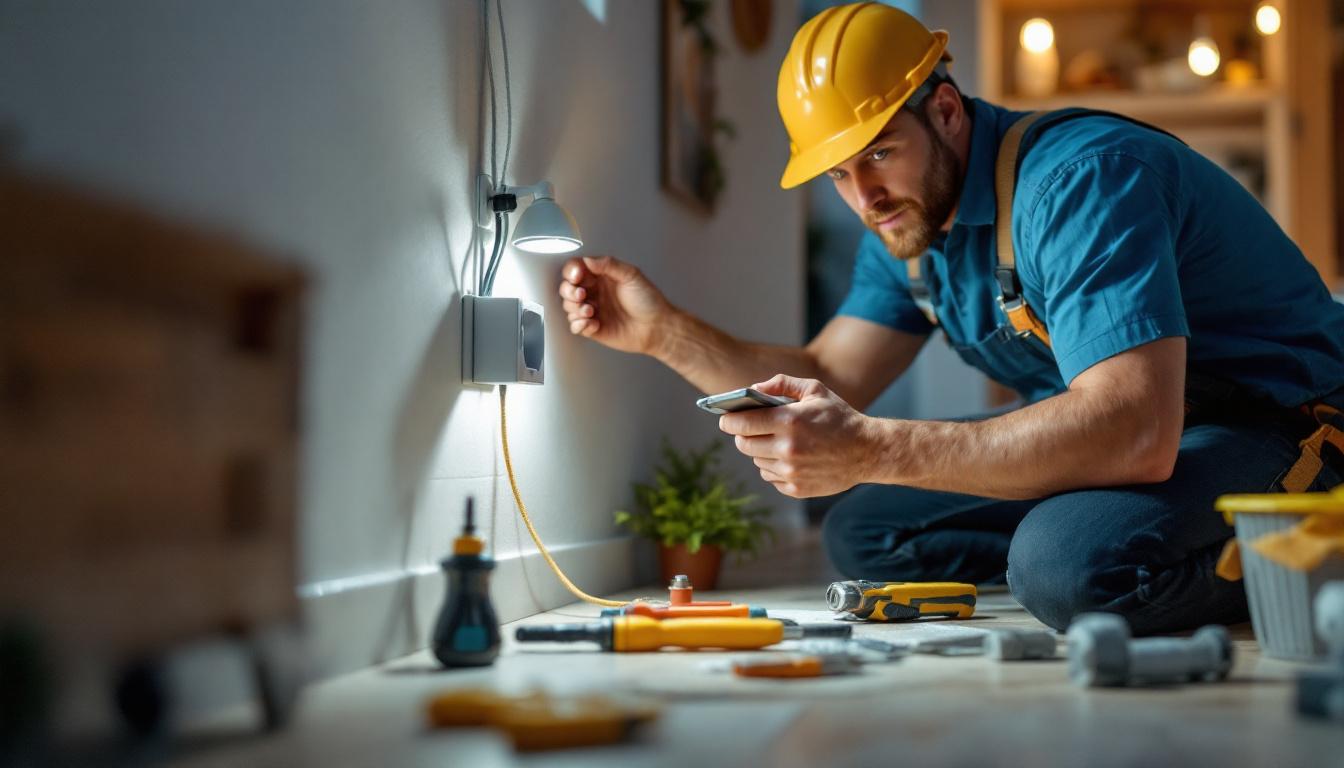
When installing or upgrading lighting fixtures, one detail that often gets overlooked is the junction box (J box) depth. The J box extender is a simple yet crucial accessory that helps bridge the gap between the existing electrical box and the new fixture, especially when the box is recessed or the wall surface has been thickened by tile, drywall, or paneling.
For lighting contractors, ensuring that the electrical connections are safely enclosed and flush with the wall or ceiling surface is non-negotiable. A J box extender provides that extra depth, preventing exposed wiring and maintaining compliance with electrical codes. Without it, fixtures may not mount securely, or worse, wiring could be left vulnerable, posing fire hazards or code violations.
In addition to safety and compliance, the use of a J box extender can also enhance the aesthetic appeal of a lighting installation. When fixtures are properly aligned and flush with the surface, they create a more polished and professional look, which is particularly important in residential settings where homeowners are keen on the visual aspects of their spaces. Furthermore, many extenders are designed to accommodate various fixture types and styles, allowing for flexibility in design choices while ensuring that the installation remains safe and secure.
Moreover, J box extenders come in various sizes and materials, catering to different installation needs and preferences. Some extenders are made from durable plastic, while others may be constructed from metal for added strength. This variety allows contractors to choose the right extender based on the specific requirements of the job, whether it be for a simple ceiling light or a more complex chandelier. Additionally, the installation process for these extenders is typically straightforward, making them an efficient solution for both seasoned electricians and DIY enthusiasts alike. By incorporating a J box extender into their projects, installers can not only meet safety standards but also elevate the overall quality of their work.
Why J Box Extenders Matter in Lighting Installations
Ensuring Safety and Code Compliance
Electrical codes, such as the National Electrical Code (NEC), require that all wiring connections be enclosed within an approved electrical box. When a fixture’s mounting surface is thicker than the original box depth, the box may no longer be flush with the surface. This gap can expose wiring or make the fixture unstable.
J box extenders extend the box’s depth to align with the finished surface, ensuring all connections remain safely enclosed. This is not just a best practice; it’s a legal requirement in many jurisdictions. Lighting contractors who skip this step risk failed inspections and potential liability.
Facilitating Fixture Installation and Stability
Many modern lighting fixtures come with mounting brackets designed to attach securely to the J box. If the box is recessed too deeply, these brackets can’t be properly fastened, causing the fixture to hang loosely or unevenly. A J box extender corrects this by bringing the mounting surface out to the right level.
For contractors, this means fewer callbacks and a more professional finish. A securely mounted fixture also reduces wear on wiring and components, extending the lifespan of the installation.
Types of J Box Extenders and Their Applications
Plastic vs. Metal Extenders
J box extenders come primarily in two materials: plastic and metal. Plastic extenders are lightweight, corrosion-resistant, and often easier to install. They are suitable for most residential and light commercial applications where the electrical box is plastic or non-metallic.
Metal extenders, usually made of steel or aluminum, are preferred in commercial or industrial settings where durability and grounding continuity are critical. Metal extenders can be grounded to the existing box, enhancing safety in metal conduit systems.
Single-Gang, Double-Gang, and Specialty Shapes
Extenders are available in various sizes and shapes to match the electrical box configuration. Single-gang extenders are the most common, designed for one standard device or fixture. Double-gang extenders accommodate two devices side by side, such as a switch and an outlet.
Specialty shapes exist for round, octagonal, or square boxes, which are often used for ceiling fixtures or specialty lighting. Selecting the correct shape and size is essential to maintain a secure fit and proper enclosure.
Adjustable Depth Extenders
Some extenders offer adjustable depth, allowing contractors to fine-tune the box’s extension to match varying wall thicknesses. These can be particularly useful in renovation projects where wall surfaces are uneven or layered with multiple materials.
While adjustable extenders can be more expensive, they reduce the need for custom modifications and save time on site.
Installation Tips for Lighting Contractors
Assessing the Need for an Extender
Before starting the installation, measure the distance from the back of the existing J box to the finished wall or ceiling surface. If the box is recessed more than a quarter inch, an extender is usually necessary.
Also, inspect the box condition. If it’s damaged or rusted, consider replacing it entirely rather than just extending it. Extenders are designed to supplement sound boxes, not fix structural issues.
Proper Installation Techniques
When installing a J box extender, ensure it fits snugly over the existing box. Most extenders have tabs or screws that secure them in place. Tighten these firmly but avoid over-tightening, which can crack plastic extenders or deform metal ones.
After installing the extender, verify that the mounting surface is flush with the finished wall or ceiling. This will allow the fixture’s mounting bracket to attach securely. Use a level to check alignment, especially for ceiling fixtures where uneven installation is more noticeable.
Maintaining Grounding and Electrical Integrity
For metal extenders, make sure the grounding continuity is maintained. Attach the grounding screw on the extender to the grounding conductor or the box itself. This step is critical to ensure the fixture is properly grounded, reducing shock hazards.
For plastic extenders, grounding is achieved through the existing box and wiring. However, always double-check that the grounding path is intact and compliant with local codes.
Common Challenges and How to Overcome Them
Dealing with Irregular Wall Surfaces
Walls or ceilings that are uneven or have multiple layers of material can make it difficult to achieve a flush fit. In these cases, adjustable extenders or stacking multiple extenders may be necessary. However, stacking should be avoided if possible, as it can compromise box integrity.
Careful measurement and planning before installation can prevent these issues. When in doubt, consulting the fixture manufacturer’s guidelines or an electrical inspector can save time and headaches.
Working in Tight or Confined Spaces
In cramped areas, installing a J box extender can be tricky. Some extenders are designed with low-profile edges or thinner walls to fit into tight spots without sacrificing strength.
Lighting contractors should carry a variety of extender sizes and types to adapt to different job site conditions. Having the right tool on hand reduces delays and ensures a professional outcome.
Ensuring Compatibility with Different Fixture Types
Not all fixtures are created equal. Some have unique mounting systems or require specific box configurations. Always verify that the extender and box combination will support the fixture’s weight and mounting style.
For heavy or large fixtures, consider using a reinforced box or a box extender designed for high load capacity. This prevents sagging or detachment over time.
Choosing Quality J Box Extenders: What to Look For
Material Standards and Certifications
Quality extenders should meet recognized standards such as UL listing or CSA certification. These certifications ensure the product has been tested for safety and performance.
Materials should be durable and resistant to corrosion, especially in damp or outdoor environments. For example, PVC extenders used in wet locations must be rated accordingly.
Ease of Installation Features
Look for extenders with clear markings, pre-drilled holes, and easy-to-use mounting tabs. Some models include built-in clamps or snap-fit designs that speed up installation without compromising security.
Contractors benefit from products that reduce installation time while maintaining code compliance and safety.
Compatibility with Common Electrical Boxes
Ensure the extender matches the dimensions and mounting style of the existing electrical box. Some extenders are designed specifically for certain brands or box types, while others offer universal compatibility.
Choosing the right extender reduces the risk of improper fit and the need for on-site modifications.
Practical Examples from the Field
Residential Remodels
In many home renovations, walls are thickened with new drywall or tile backsplashes, pushing the original J box deeper inside the wall cavity. Contractors often encounter recessed boxes that prevent new fixtures from mounting properly. Using a J box extender restores the mounting surface, allowing for a clean, safe installation.
For example, when installing under-cabinet lighting in kitchens with tile backsplashes, extenders ensure the fixture sits flush, preventing gaps that collect dust or moisture.
Commercial Lighting Upgrades
In office or retail spaces, lighting upgrades frequently involve replacing outdated fixtures with modern LED panels or track lighting. These new fixtures may have different mounting requirements and depth needs.
J box extenders help adapt existing boxes to new fixtures without extensive rewiring or demolition. Metal extenders are often preferred here for their grounding benefits and durability in high-traffic environments.
Outdoor and Wet Location Installations
Outdoor lighting installations require weatherproofing and corrosion resistance. Extenders used in these settings must be rated for wet locations and made of materials that withstand UV exposure and moisture.
Contractors installing porch lights, landscape lighting, or security fixtures rely on specialized extenders to maintain safety and longevity in harsh conditions.
Final Thoughts for Lighting Contractors
J box extenders might seem like small components, but their impact on lighting installations is significant. They ensure safety, compliance, and a polished final product. Skipping or improperly installing an extender can lead to fixture instability, code violations, and safety hazards.
Lighting contractors who prioritize proper use of J box extenders demonstrate professionalism and attention to detail. Carrying a selection of extenders, understanding their applications, and mastering installation techniques can set a contractor apart in a competitive market.
Ultimately, the right extender makes the difference between a quick fix and a lasting, safe lighting solution.
Get Your Premium J Box Extenders from LumenWholesale
Ready to elevate your lighting installations with the highest quality J box extenders? Look no further than LumenWholesale, where we provide contractors with spec-grade lighting products at unbeatable wholesale prices. Our selection of J box extenders meets the highest industry standards, ensuring your projects are safe, compliant, and aesthetically pleasing. With LumenWholesale, enjoy the convenience of bulk buying with free shipping, and get your premium lighting essentials without the inflated markups or hidden fees. Make the smart choice for your lighting needs and experience the best value in wholesale lighting today.