Understanding the Unique Challenges of Antique Church Lamps
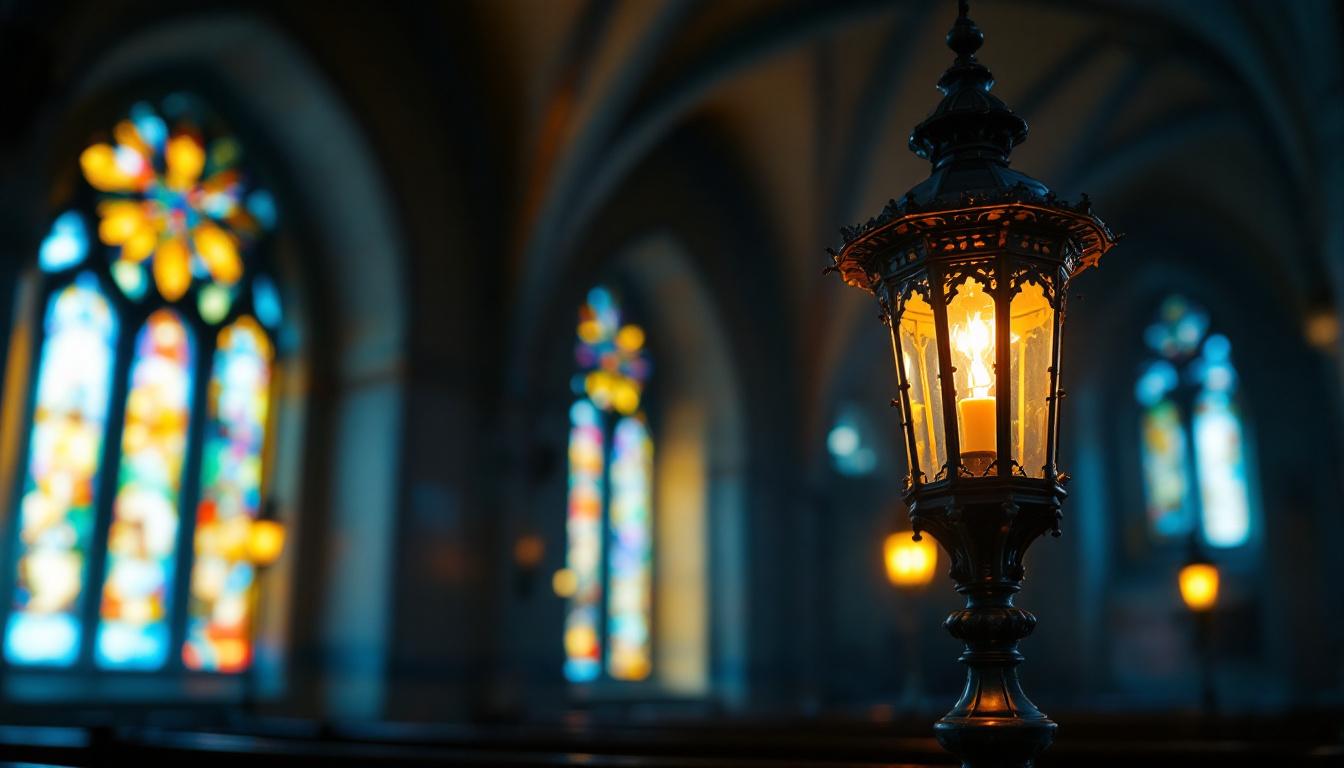
Antique church lamps are more than just lighting fixtures; they are historical artifacts that carry the weight of tradition and craftsmanship. For lighting contractors, working with these lamps requires a delicate balance between preservation and modernization. Unlike contemporary lighting, antique church lamps often come with fragile materials, outdated wiring, and design elements that demand specialized knowledge.
One common challenge is the variability in design and construction. Many antique lamps were handcrafted, resulting in unique features that do not conform to modern standards. This makes it difficult to apply a one-size-fits-all approach when repairing or upgrading these fixtures. Ignoring these nuances can lead to damage or loss of historical value, which is a significant concern for churches and preservation societies.
Material Sensitivities and Structural Integrity
Materials like brass, stained glass, and hand-blown glass are typical in antique church lamps. Over time, these materials can become brittle or corroded. For example, brass components may develop a patina that is often prized for its aesthetic but can mask underlying corrosion. Handling these materials without proper care can cause irreversible damage.
Structural integrity is another concern. Antique lamps may have loose joints or weakened mounting points due to age. Contractors must assess the physical condition thoroughly before proceeding with any work. Failure to do so can result in accidents or further deterioration of the fixture. Additionally, the installation of modern lighting technology, such as LED bulbs, often requires modifications that can compromise the original design. This necessitates a careful evaluation of how to integrate new technology while maintaining the lamp’s historical authenticity.
Moreover, the historical context of these lamps adds another layer of complexity. Many were designed not only as sources of light but also as integral parts of the church’s aesthetic and spiritual ambiance. The intricate designs often reflect the artistic movements of their time, making it essential for contractors to have a deep understanding of art history and ecclesiastical architecture. This knowledge helps ensure that any restoration or repair work honors the lamp’s original purpose and significance, preserving its story for future generations. The challenge lies in finding a balance that respects the past while accommodating the needs of modern worship spaces, which may require brighter or more energy-efficient lighting solutions.
Electrical Safety: Navigating Outdated Wiring Systems
One of the most critical issues lighting contractors face is dealing with outdated electrical wiring. Many antique church lamps were wired long before modern electrical codes were established. Old cloth-covered wires, knob-and-tube wiring, or even early plastic insulation can pose serious fire hazards.
Before any installation or restoration, a comprehensive electrical inspection is essential. This involves checking for frayed wires, improper grounding, and compatibility with current voltage standards. Ignoring these steps can lead to electrical failures or, worse, safety incidents. In addition to these checks, contractors should also be aware of the potential for hidden wiring issues that may not be immediately visible. For instance, wiring that has been buried within walls or ceilings may have deteriorated over time, and without proper testing, it could remain a ticking time bomb, waiting to cause a catastrophic failure.
Upgrading Wiring Without Compromising Authenticity
Replacing wiring in antique lamps requires finesse. Contractors must ensure that new wiring is discreetly integrated to maintain the lamp’s historical appearance. Using period-appropriate wire coverings or carefully concealing modern wiring within existing channels can preserve the lamp’s authenticity. This delicate balance between safety and aesthetics is paramount, as many clients are not only looking for functionality but also for a restoration that honors the craftsmanship of the original piece.
Additionally, selecting the right type of bulb is crucial. LED bulbs are often preferred for their low heat output and energy efficiency, but their size and light quality must match the lamp’s design to avoid altering its character. Some contractors may even consider using vintage-style LED bulbs that mimic the warm glow of traditional incandescent bulbs while providing the benefits of modern technology. This approach not only enhances the visual appeal of the lamp but also ensures that the lighting remains true to the ambiance intended by the original designer. Furthermore, understanding the history and context of the lamp can guide contractors in making informed choices about materials and techniques, ensuring that every restoration project is both safe and respectful of its heritage.
Preservation Techniques That Respect Historical Value
Preserving the historical value of antique church lamps goes beyond just maintaining their appearance. It includes using restoration techniques that are reversible and do not permanently alter the original materials. Lighting contractors must be familiar with conservation best practices to avoid inadvertently diminishing the lamp’s worth. This delicate balance between restoration and preservation is essential, as it ensures that the lamps retain their historical context and significance, allowing future generations to appreciate their craftsmanship and heritage.
Cleaning and Polishing with Care
Cleaning antique lamps requires gentle, non-abrasive methods. Harsh chemicals or abrasive tools can strip away patinas or damage delicate glass. Mild detergents, distilled water, and soft cloths are typically recommended. For metal parts, specialized polishes designed for antiques can restore luster without removing protective coatings. Additionally, it is beneficial to understand the specific materials used in each lamp, as different metals and glass types may require tailored cleaning approaches to avoid unintentional harm.
It’s important to test cleaning methods on inconspicuous areas first. This precaution helps ensure that the chosen technique does not cause discoloration or surface damage. Furthermore, regular maintenance, such as dusting and inspecting for signs of wear, can prevent the accumulation of grime and prolong the life of these cherished artifacts. Establishing a routine cleaning schedule can help preserve the lamp’s beauty and functionality while also safeguarding its historical integrity.
Repairing vs. Replacing Components
Whenever possible, repairing original components is preferable to replacement. For instance, soldering a broken brass arm or stabilizing cracked glass can maintain the lamp’s integrity. If replacement is unavoidable, using period-accurate materials and techniques is critical. This approach not only respects the lamp’s original design but also ensures that any new components blend seamlessly with the existing structure, preserving the overall aesthetic and historical narrative.
Contractors should document all repairs and replacements thoroughly. This record-keeping supports future conservation efforts and provides transparency to the church or preservation entity overseeing the lamp. In addition to written records, taking photographs before, during, and after the restoration process can serve as a visual history of the lamp’s condition over time. This documentation can be invaluable for future restorers, ensuring that all interventions remain consistent with the lamp’s original character and craftsmanship.
Collaborating with Preservation Experts and Clients
Successful restoration and maintenance of antique church lamps often require collaboration. Lighting contractors should engage with preservation experts, historians, and church representatives to align on goals and expectations. This collaborative approach not only ensures that the restoration reflects the church’s heritage but also fosters a sense of community ownership over the project. By involving various stakeholders, contractors can gather diverse perspectives that enrich the restoration process, ultimately leading to a more meaningful outcome.
Understanding the church’s priorities—whether they lean more towards functionality, aesthetics, or historical accuracy—guides the restoration process. Clear communication about limitations, costs, and timelines helps prevent misunderstandings and ensures a smooth project. Furthermore, documenting these discussions can serve as a reference point throughout the project, allowing all parties to revisit decisions and maintain alignment. This transparency builds trust and encourages a collaborative spirit, which is essential for navigating the complexities of historical restoration.
Training and Staying Updated
Because antique lighting restoration is a specialized field, ongoing education is vital. Contractors should seek training in historic preservation standards and stay informed about new materials and techniques that can aid in restoration without compromising authenticity. Engaging with current research and case studies can provide insights into best practices and innovative solutions that enhance the quality of restoration work. Additionally, understanding the historical context of the lamps being restored can deepen a contractor’s appreciation for their craft and inform their decisions during the restoration process.
Joining professional organizations or attending workshops focused on historic lighting can provide valuable resources and networking opportunities. These gatherings often feature expert speakers who share their experiences and challenges in the field, offering practical advice that can be applied to future projects. Moreover, connecting with fellow professionals can lead to collaborative efforts on larger projects, where shared expertise can elevate the quality of work. By fostering a culture of continuous learning and professional development, contractors can ensure they remain at the forefront of antique lighting restoration, ready to tackle the unique challenges that each project presents.
Practical Tips for Avoiding Common Pitfalls
Several practical strategies can help lighting contractors avoid common issues when working with antique church lamps:
- Conduct thorough assessments: Inspect every fixture carefully before starting work to identify potential problems early.
- Use appropriate tools: Employ tools designed for delicate work to prevent accidental damage.
- Document everything: Keep detailed records of the lamp’s condition, repairs, and any modifications.
- Communicate clearly: Maintain open lines of communication with clients and preservationists throughout the project.
- Prioritize safety: Never compromise on electrical safety standards, even when preserving historical authenticity.
By following these guidelines, contractors can deliver high-quality work that respects the lamps’ heritage and ensures their longevity.
Conclusion: Balancing Preservation and Functionality
Antique church lamps are irreplaceable treasures that require careful handling by knowledgeable lighting contractors. The key to avoiding issues lies in respecting the lamps’ historical significance while applying modern safety and functionality standards. Through detailed assessment, sensitive restoration techniques, and collaboration with preservation experts, contractors can successfully navigate the complexities of these unique fixtures.
Ultimately, the goal is to keep these lamps shining-both literally and figuratively-for generations to come, preserving their beauty and spiritual significance within the sacred spaces they illuminate.
Illuminate Your Projects with LumenWholesale
As you strive to preserve the historical significance of antique church lamps while ensuring modern functionality, LumenWholesale is here to support your endeavors. Our extensive selection of spec-grade lighting products meets the highest industry standards, providing you with reliable and high-performance options for every restoration project. Benefit from our unbeatable wholesale prices and hassle-free bulk buying, complete with free shipping. Elevate your lighting solutions with the perfect blend of quality, affordability, and convenience. Discover Wholesale Lighting at the Best Value today and make your next project shine.