Understanding the Unique Challenges of High Ceiling Lighting
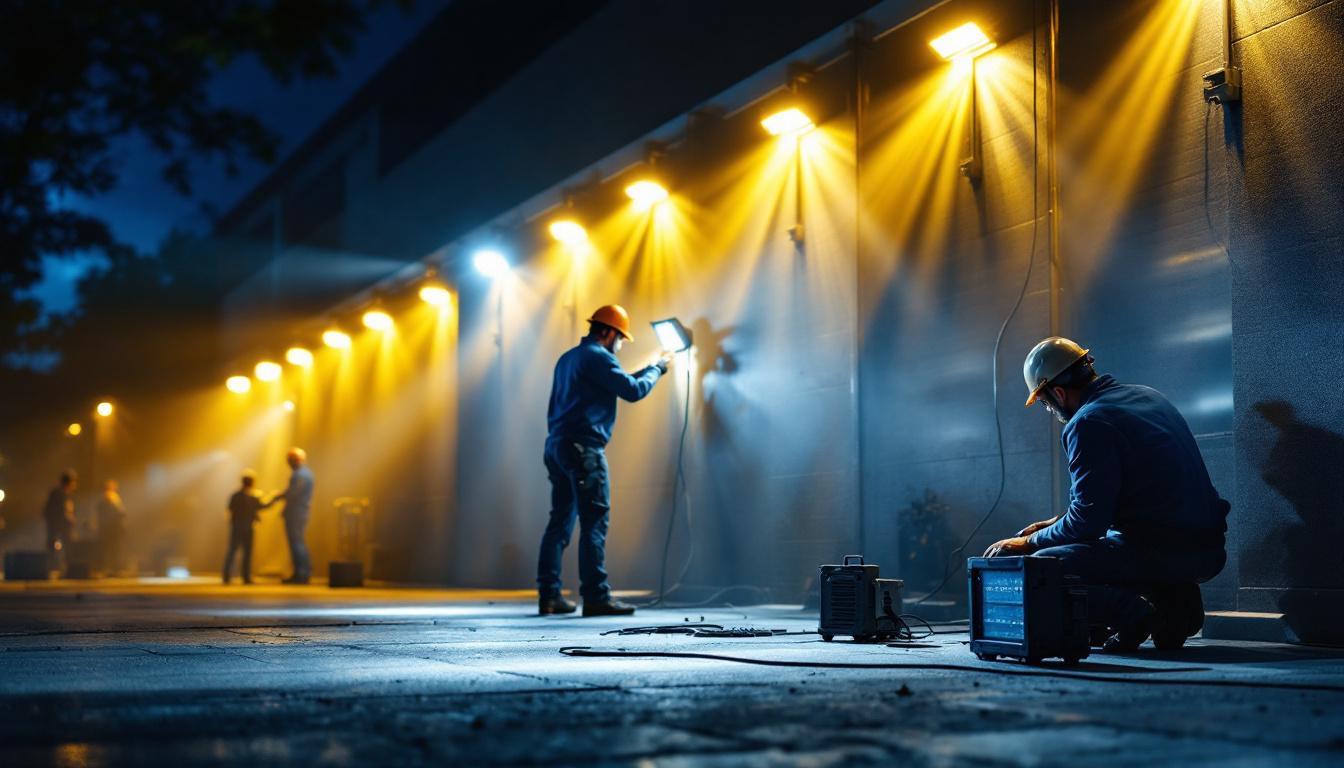
High ceilings bring a sense of grandeur and spaciousness to any room, but they also present unique challenges when it comes to lighting. For lighting contractors, the height of the ceiling directly affects fixture selection, installation methods, and maintenance strategies. Standard light fixtures often fall short in these environments, failing to provide adequate illumination or aesthetic balance.
One of the primary issues is the distance between the light source and the area that needs illumination. When ceilings soar above 12 feet, traditional fixtures can create uneven light distribution, shadows, or insufficient brightness. This can compromise both functionality and ambiance, which are critical factors in residential, commercial, and industrial settings.
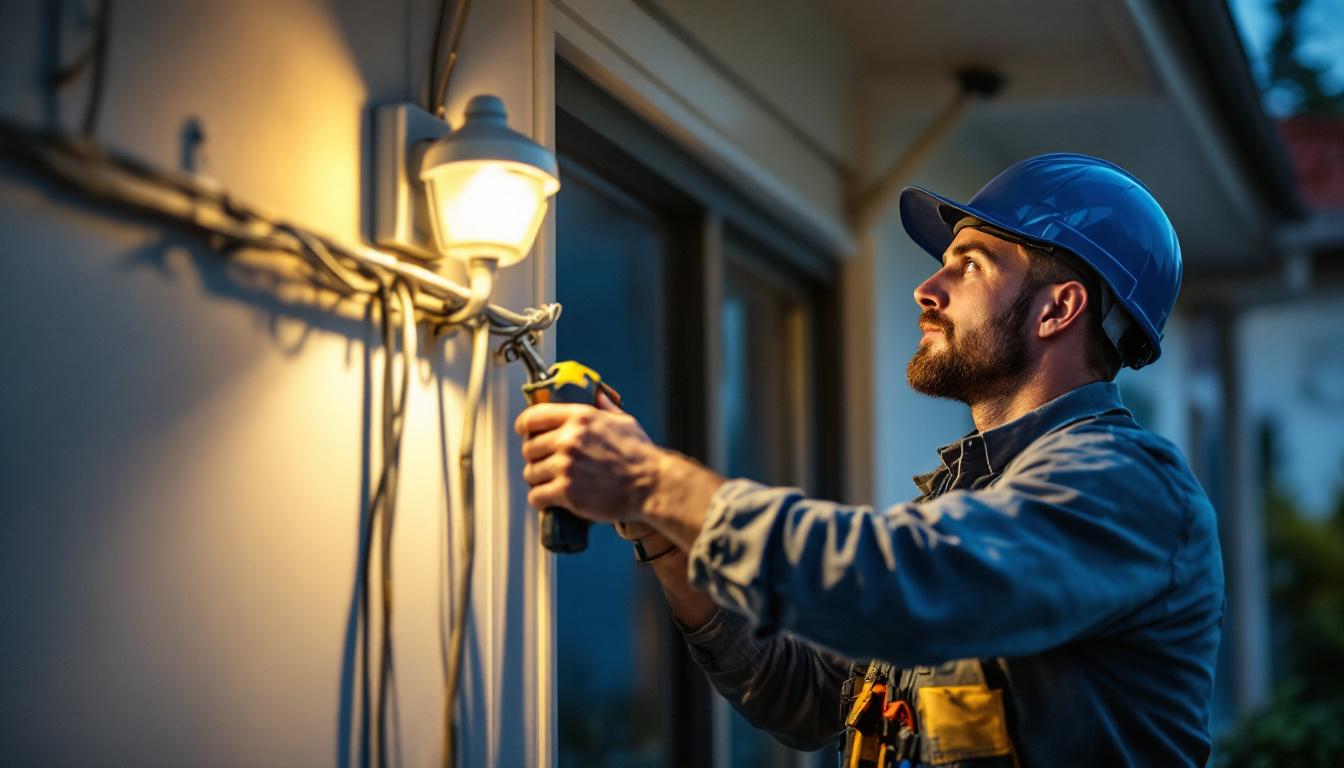
Additionally, accessibility becomes a major concern. Changing bulbs or performing maintenance on fixtures mounted high above the floor requires specialized equipment and safety measures. This increases labor costs and downtime, making it essential to select fixtures that are not only effective but also practical for long-term upkeep.
Moreover, the choice of lighting technology plays a significant role in addressing these challenges. LED fixtures, for instance, are increasingly popular due to their longevity and energy efficiency. They can provide bright, consistent light while consuming less power, making them ideal for high ceilings where the fixtures may remain in place for extended periods. Furthermore, many LED options come with adjustable features, allowing for customizable brightness and color temperature, which can enhance the overall atmosphere of the space.
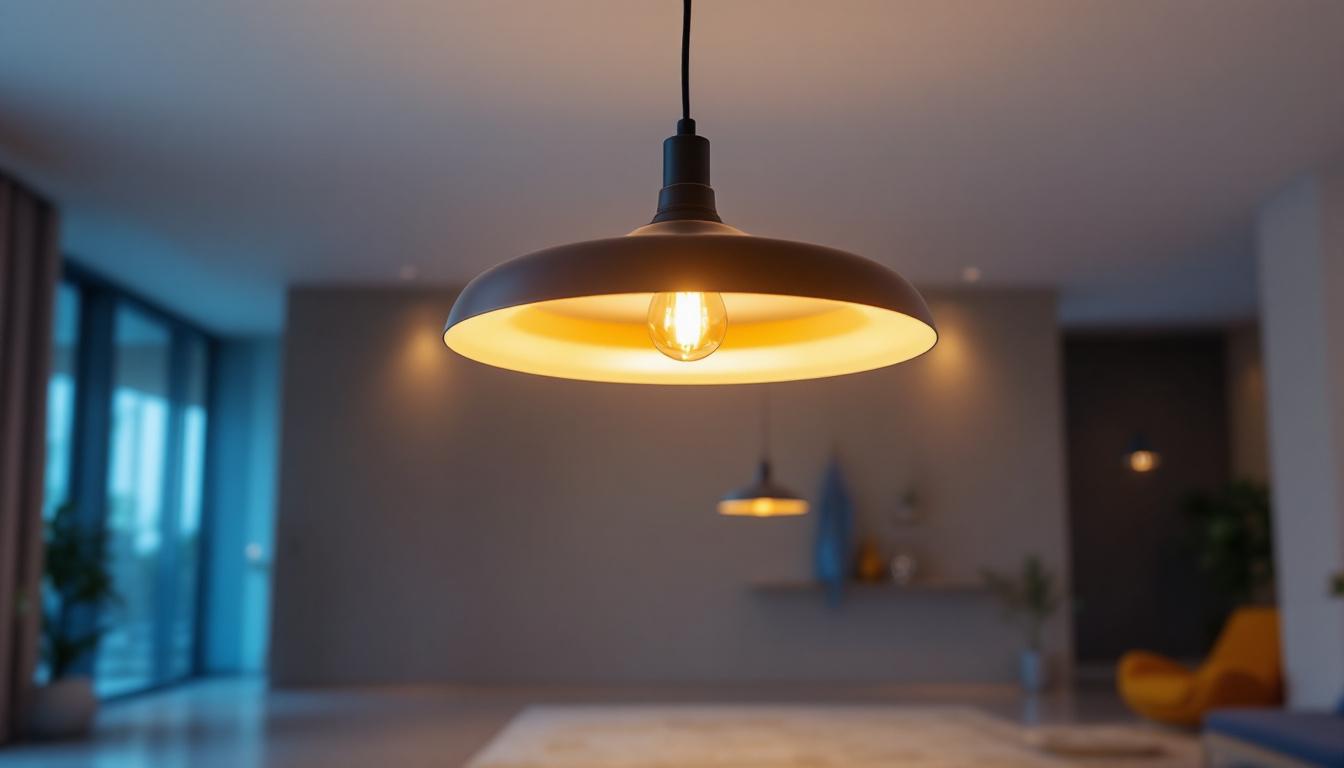
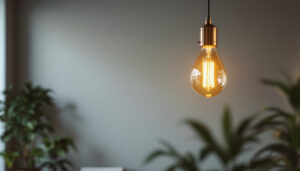
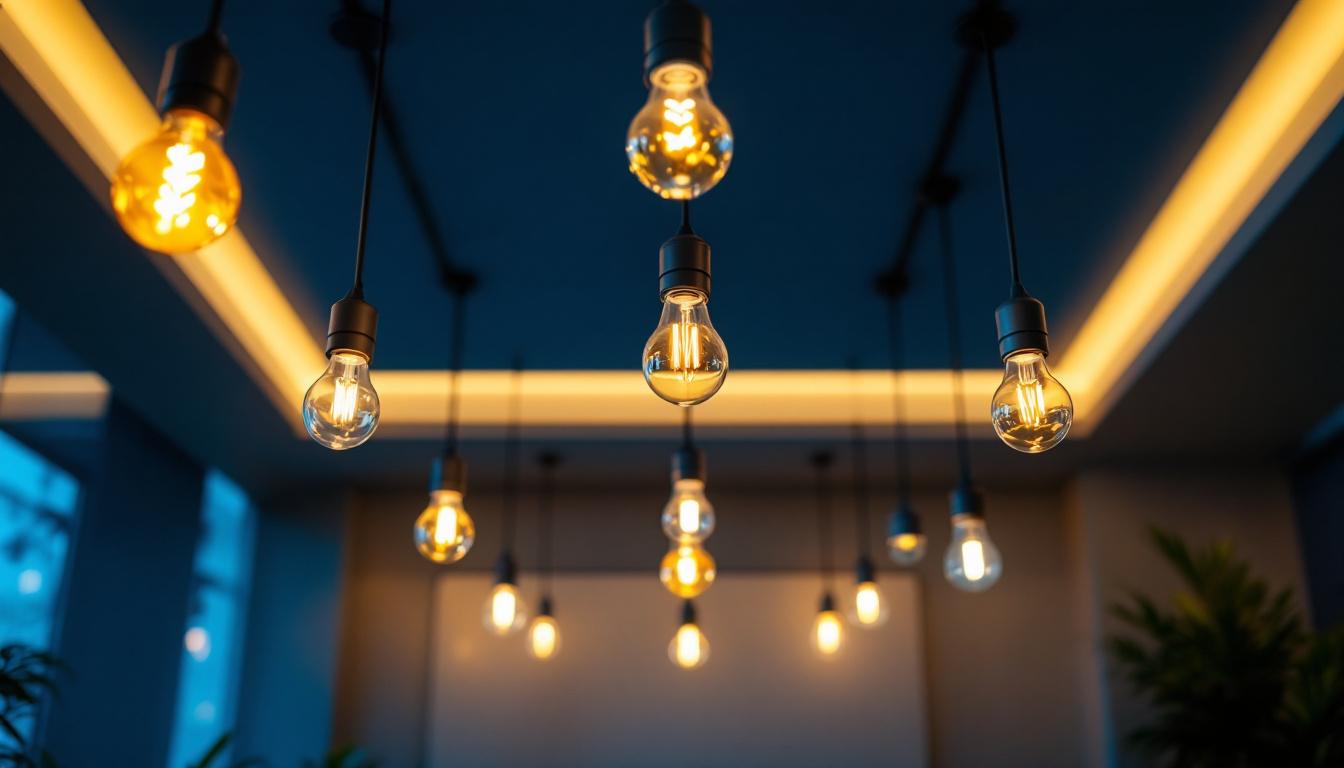
Another factor to consider is the design and aesthetic of the lighting fixtures themselves. In spaces with high ceilings, the visual impact of the fixtures can be as important as their functionality. Chandeliers, pendant lights, and large-scale fixtures can serve as focal points, drawing the eye upward and accentuating the height of the room. When selecting these fixtures, it’s crucial to consider the scale, style, and materials to ensure they complement the overall design theme while providing the necessary illumination.
Why Specialized Light Fixtures for High Ceilings Are Essential
Optimized Light Distribution and Intensity
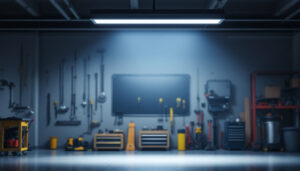
Fixtures designed specifically for high ceilings often incorporate powerful light sources such as high-intensity discharge (HID), LED high bays, or linear fluorescent lamps. These options deliver greater lumen output and can be engineered to direct light downward in a focused manner, minimizing waste and glare.
For example, LED high bay fixtures can produce upwards of 20,000 lumens, making them ideal for warehouses, gyms, and large retail spaces with ceilings exceeding 20 feet. Their directional beam angles ensure that light reaches the floor evenly, improving visibility and safety. In addition, the ability to customize the color temperature of these fixtures allows for tailored lighting solutions that can enhance the ambiance of a space. Warmer tones can create a welcoming atmosphere in retail environments, while cooler tones can boost alertness and productivity in workspaces.
Energy Efficiency and Cost Savings
Energy consumption is a critical consideration in lighting design, especially for large spaces with high ceilings. Modern fixtures tailored for these environments often leverage LED technology, which offers significant energy savings compared to traditional metal halide or fluorescent lamps.
LEDs not only consume less power but also have longer lifespans, reducing replacement frequency and maintenance costs. This makes them a smart investment for contractors aiming to provide clients with sustainable, cost-effective lighting solutions. Furthermore, many of these fixtures are now designed to be compatible with smart lighting systems, allowing for automated controls and energy management. This capability can lead to further reductions in energy use, as lights can be programmed to dim or turn off during non-peak hours, maximizing efficiency without sacrificing illumination when needed.
Durability and Maintenance Considerations
High ceiling fixtures must withstand environmental factors such as dust, temperature fluctuations, and vibrations, especially in industrial or commercial settings. Many specialized fixtures come with robust housings and protective coatings to extend their operational life.
Moreover, some designs incorporate features like easy-access panels or remote dimming capabilities, allowing maintenance personnel to adjust settings or replace components without the need for extensive scaffolding or lifts. This reduces downtime and enhances safety for maintenance crews. Additionally, the use of advanced materials, such as corrosion-resistant finishes, ensures that these fixtures can endure harsh conditions, whether in a manufacturing plant or an outdoor venue. The combination of durability and ease of maintenance not only enhances the overall efficiency of the lighting system but also contributes to a safer working environment by minimizing the risks associated with high-altitude maintenance tasks.
Innovations Driving the High Ceiling Lighting Market
Smart Lighting Integration
Smart lighting systems are transforming how high ceiling fixtures operate. Integration with sensors, automated controls, and IoT platforms enables dynamic adjustment of light levels based on occupancy, daylight availability, or specific tasks.
For instance, motion sensors can dim or turn off lights in unoccupied areas, significantly cutting energy use. Daylight harvesting systems adjust artificial lighting in response to natural light, maintaining consistent illumination while maximizing efficiency. These systems not only contribute to sustainability efforts but also reduce operational costs for businesses, making them an attractive option for facility managers looking to optimize their energy consumption.
Moreover, smart lighting can be integrated with building management systems to provide real-time data analytics. This allows for predictive maintenance, where potential issues can be identified before they become problematic, further enhancing the longevity of lighting systems. As technology continues to evolve, the integration of smart lighting with other smart building technologies promises to create a more cohesive and efficient environment.
Advanced Optics and Beam Control
Recent advancements in optics allow for precise control over beam spread and intensity. This means lighting contractors can tailor installations to the unique geometry of a space, avoiding over-illumination or dark spots.
Fixtures with adjustable reflectors or lenses enable customization post-installation, providing flexibility for changing space layouts or usage patterns. This adaptability is particularly valuable in multi-purpose venues or evolving commercial environments. For example, in an art gallery, lighting can be adjusted to highlight specific exhibits without compromising the overall ambiance of the space.
Additionally, the development of lens technologies that minimize glare while maximizing light distribution is enhancing the user experience in high ceiling environments. This is especially important in settings such as auditoriums or conference halls, where visual comfort is crucial for audience engagement. The ability to control light direction and intensity not only improves aesthetics but also plays a significant role in enhancing the functionality of these spaces.
Light Quality and Human-Centric Design
Beyond brightness, the quality of light has become a priority. High ceiling fixtures now emphasize color rendering index (CRI) and correlated color temperature (CCT) to create environments that enhance comfort and productivity.
Human-centric lighting designs mimic natural daylight patterns, supporting circadian rhythms and reducing eye strain. This approach is gaining traction in offices, healthcare facilities, and educational institutions where occupant well-being is paramount. Studies have shown that environments with well-designed lighting can lead to increased productivity and improved mood, making the case for investing in high-quality lighting solutions.
Furthermore, the incorporation of tunable white lighting systems allows users to adjust the color temperature throughout the day, aligning with natural light cycles. This flexibility not only fosters a more pleasant atmosphere but also aids in maintaining focus and alertness among occupants. As the understanding of the impact of light on human health continues to grow, the demand for innovative lighting solutions that prioritize well-being is likely to expand, influencing future designs in high ceiling lighting.
Practical Tips for Lighting Contractors Working with High Ceilings
Conduct Thorough Site Assessments
Before selecting fixtures, contractors should evaluate the space’s dimensions, purpose, and existing lighting conditions. Measuring ceiling height, room size, and surface reflectance helps determine the appropriate fixture type and quantity.
Understanding client needs-whether focused on aesthetics, energy efficiency, or compliance with industry standards-is equally important. This ensures that the lighting solution aligns with both functional and budgetary requirements.
Choose Fixtures Suited to the Environment
Different environments demand specific fixture characteristics. For example, industrial spaces may require rugged, dust-proof fixtures with high lumen output, while commercial retail settings might prioritize design and color quality.
Contractors should also consider mounting options-pendant, recessed, or surface-mounted-and their impact on maintenance and light distribution. Selecting fixtures with adjustable mounting heights can offer additional flexibility.
Plan for Maintenance and Accessibility
Given the challenges of working at height, incorporating maintenance-friendly features into the lighting design is crucial. This might include using fixtures with long-life LEDs, remote control capabilities, or modular components that can be serviced from the ground.
Providing clients with clear maintenance schedules and safety guidelines also adds value and helps prolong the life of the installation.
The Impact on the Lighting Industry and Future Outlook
The rise of specialized light fixtures for high ceilings is reshaping the lighting industry. Contractors who master these solutions can differentiate themselves by delivering superior performance, energy savings, and enhanced user experiences.
As technology continues to evolve, expect further integration of smart controls, improved materials, and design innovations that make high ceiling lighting more accessible and efficient. This trend not only benefits contractors and clients but also supports broader sustainability goals by reducing energy consumption and waste.
Ultimately, embracing the unique demands of high ceiling lighting is more than a technical challenge-it’s an opportunity to lead in a competitive market and contribute to creating well-lit, comfortable, and sustainable spaces.
Illuminate Your Projects with LumenWholesale
Ready to elevate your lighting solutions for high ceilings and stay ahead in the industry? LumenWholesale is here to support your success. We offer an impressive array of spec-grade lighting products that meet the highest standards of performance and reliability. With our unbeatable wholesale prices and the convenience of free shipping on bulk orders, you can ensure every project shines without breaking the bank. Don’t let middleman markups dim your competitive edge. Choose LumenWholesale for quality, affordability, and hassle-free service. Discover our wholesale lighting at the best value and light up your next project with confidence.